

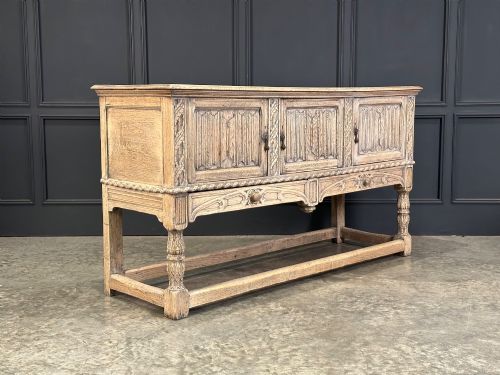
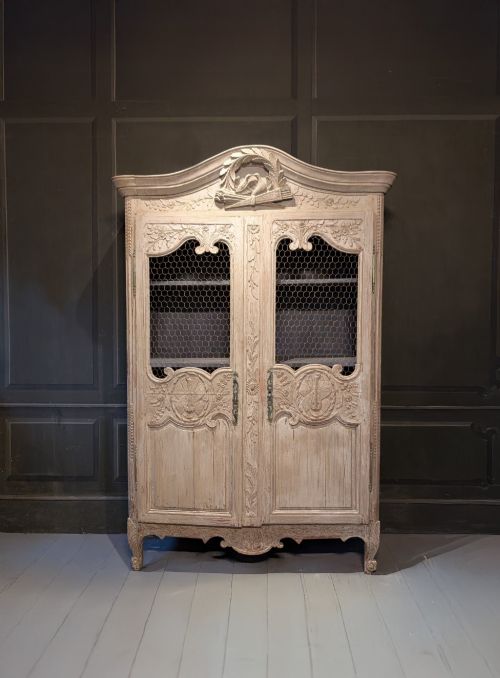
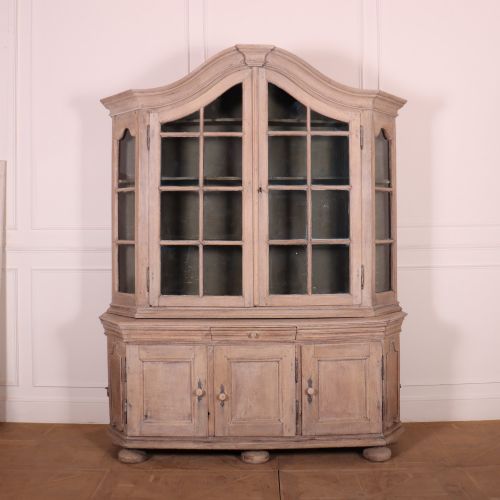
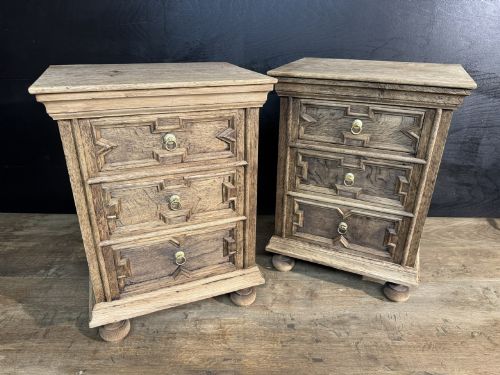
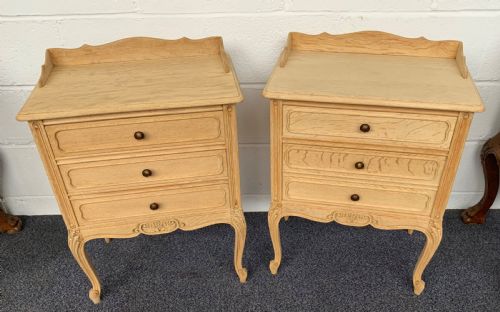


Vintage Bleached Oak Cupboard
A vintage bleached oak cupboard brings a pale, weathered timber finish and practical storage to a room.
Vintage Bleached Oak Cupboard
When you search for a vintage bleached oak cupboard, you are looking at storage furniture finished in pale or scrubbed oak timbers. The pieces on this page span several periods, including the eighteenth century, nineteenth century, and early decades of the twentieth century, alongside regional styles like French Provincial and Dutch Country.
You will encounter various forms ranging from large armoires and sideboards to display cabinets and bedside tables. The surface treatment softens the grain, lending these items a lighter visual weight than standard dark oak furniture.
The origins vary across English and continental traditions, encompassing carved armoires, library bookcases, and simple bedside chests. Each example reflects the domestic storage needs of its respective period.
What varies in quality
Quality rests in the harmony of proportions, the crispness of any carved ornamentation, and the integrity of the timber construction. Pieces featuring sophisticated regional styling or older eighteenth-century origins display different craftsmanship levels compared to later revival items.
The handling of the bleached finish also dictates the overall visual success of the piece. Subtle treatment preserves the natural grain structure of the oak without masking the underlying character of the wood.
Vintage Bleached Oak Cupboard Retail Price Guide 2026
Typical asking prices for vintage bleached oak cupboard among the pieces listed under this phrase on Sellingantiques today, from the lower quarter to the upper quarter. They describe what is for sale here now, not the wider market.
Current listings feature pieces spanning the eighteenth century through to the 1930s, constructed in oak alongside brass, iron, and glass.
The Vintage Bleached Oak Cupboard Glossary
- Armoire
- A large freestanding cupboard with doors, traditionally used for storing clothing. These often feature substantial carved panels and double-door fronts.
- Bleached oak
- Oak timber treated to lighten its natural dark tone, creating a pale surface. This process exposes the grain while subduing the traditional orange or brown hues.
- Sideboard
- A long piece of furniture used for storing dining room tableware and serving food. They frequently incorporate cupboards and drawers.
- Display cabinet
- A glazed storage piece designed to showcase china or books. These utilise glass panels to protect the contents while keeping them visible.
- Gothic Revival
- An architectural and decorative style drawing on medieval forms. Pieces often display pointed arches and heavy geometric carving.
Vintage Bleached Oak Cupboard: Frequently Asked Questions
What rooms suit these cupboards?
These pale timber cupboards fit well in living rooms, dining spaces, and bedrooms alike. Their neutral tones allow them to blend easily with contemporary and traditional interiors.
Larger armoires and sideboards function well as main storage anchors, while smaller bedside chests provide practical bedside utility without dominating a room.
How do I care for bleached oak?
Maintenance requires simple dusting with a dry or slightly damp cloth to protect the pale surface. Avoid harsh chemical cleaners that might strip or alter the treated wood finish.
Keeping the furniture away from direct heat sources and strong sunlight prevents the timber from drying out or splitting over time.
Are these pieces English or continental?
The selection includes items from various origins, spanning English country house designs as well as French and Dutch traditions. Regional characteristics appear in the carved details and overall proportions.
French Provincial and Dutch Country examples often show distinct decorative motifs compared to their nineteenth-century English counterparts.
How do I date these cupboards?
Dating relies on examining the construction methods, hardware types, and stylistic indicators present in each piece. Eighteenth-century models display hand-worked joinery and specific regional carving styles.
Later pieces from the early twentieth century reflect revival tastes and manufacturing techniques characteristic of that era.