

Vintage Black Table
A vintage black table brings striking contrast to a room, appearing in forms from occasional tables to desks across periods like the Victorian era and the 1920s.
Vintage Black Table
When searching for a vintage black table, buyers encounter a diverse range of furnishings spanning the nineteenth century through the art deco period. These pieces function primarily as occasional tables, side tables, desks, and coffee tables intended for domestic display and daily use.
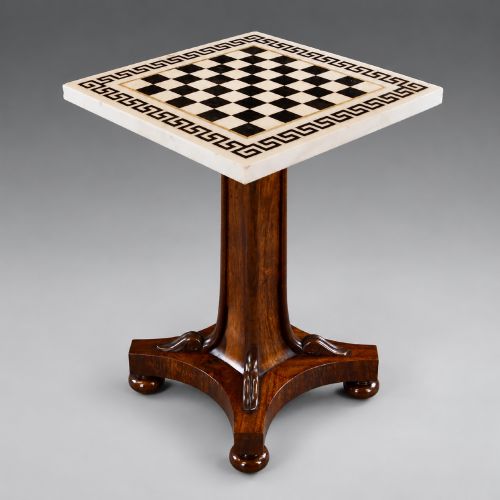
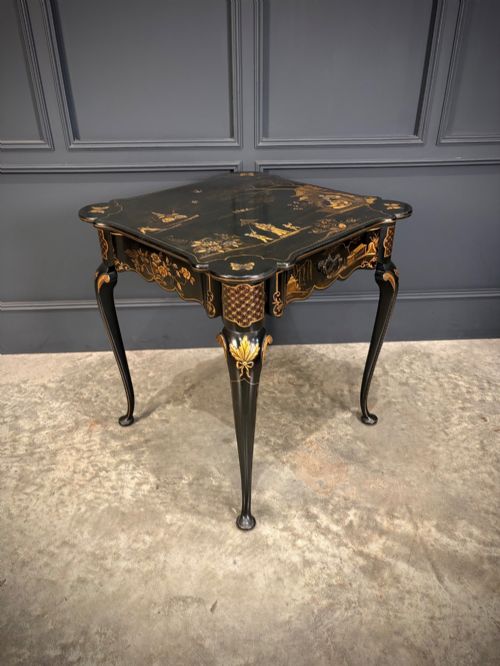
The most common examples on this page utilise lacquered surfaces, ebonised wood, or painted finishes, often drawing on styles such as Chinoiserie and Victorian design. Origins range from English workshops to French ateliers, showing varied forms like octagonal tray tables and marble-topped side tables.
Materials and construction methods
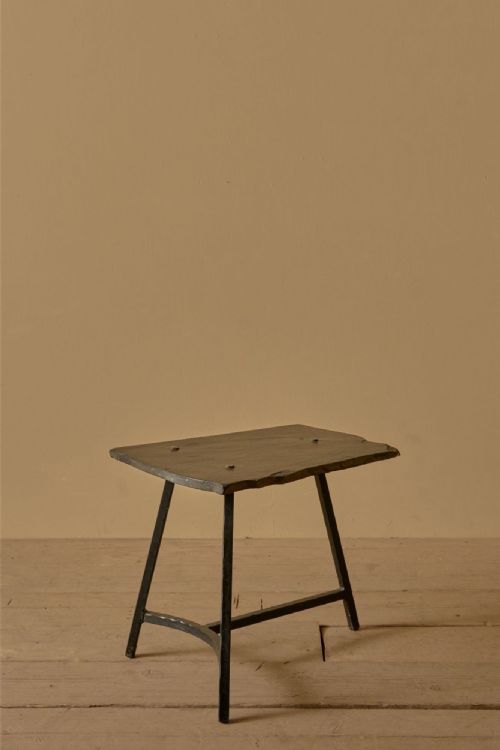
Construction relies heavily on traditional timber frames treated with black lacquer, ebonising, or dark paint, frequently paired with contrasting materials like marble tops, slate, or inset leather. Joinery methods reflect the specific period, from nineteenth-century pine and walnut to twentieth-century steel and cast iron.
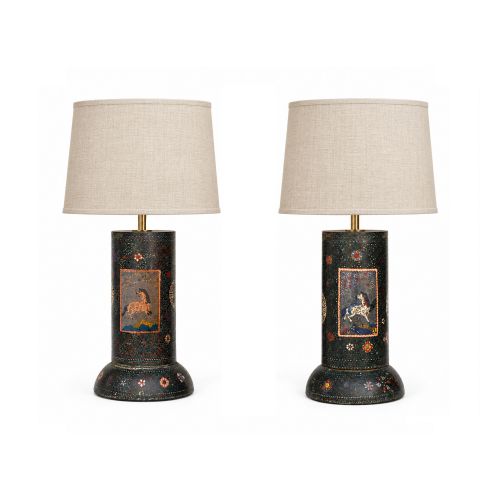
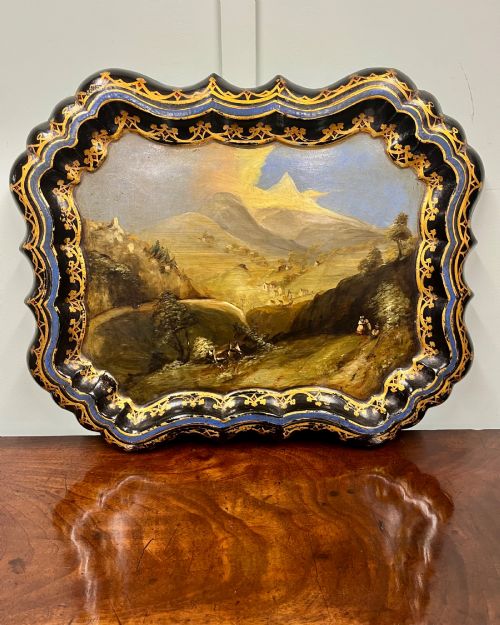
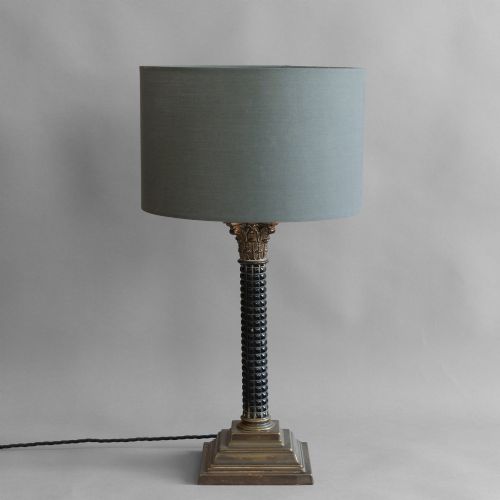
Decorative techniques define many of these items, employing hand-painted Chinoiserie motifs, gilt detailing, and chip-carving on ebonised wood. Metal elements such as brass and cast iron appear structurally in bases and supports or ornamentally in trays and table lamps.
Vintage Black Table Retail Price Guide 2026
Typical asking prices for vintage black table among the pieces listed under this phrase on Sellingantiques today, from the lower quarter to the upper quarter. They describe what is for sale here now, not the wider market.
Listings feature items from the 19th Century, Victorian, Edwardian, and 1930 periods, incorporating materials such as lacquer, ebonised wood, marble, and brass.
What separates fine examples
Quality rests in the execution of the surface finish and the integrity of the underlying materials, whether solid wood, ebonised timber, or heavy cast iron. Finer pieces demonstrate meticulous hand-painted detail in Chinoiserie decoration or superior figuration in marble and leather inserts.
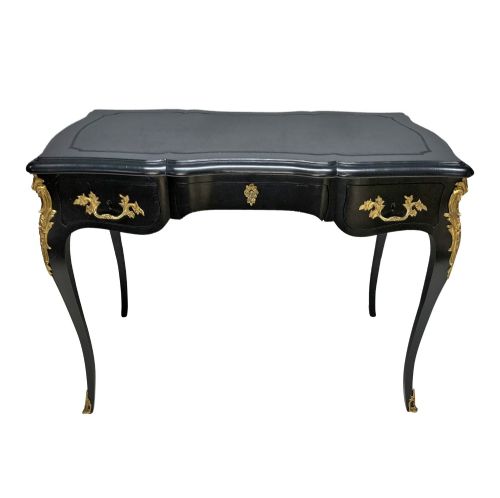
The sophistication of the joinery and the distinction of the style, such as a well-proportioned Louis XV style writing table or an art deco desk, mark the difference between standard production and exceptional craftsmanship.
Hindley and Sons·Maple and Co
The Vintage Black Table Glossary
- Ebonised wood
- Timber treated to resemble ebony through staining or painting. This finish became particularly popular during the Victorian period for occasional tables and decorative items.
- Occasional table
- A small, movable table designed for specific, intermittent use rather than central placement. These pieces appear across various twentieth-century and nineteenth-century styles.
- Tole
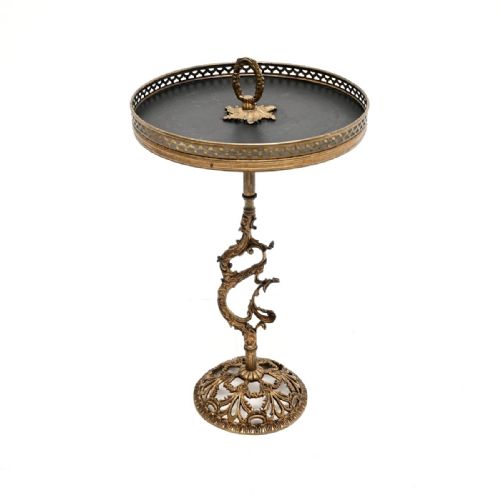
- Painted or lacquered sheet metal used for decorative objects and trays. Trays from the nineteenth century often served atop stands to create occasional tables.
Vintage Black Table: Frequently Asked Questions
What periods do these tables come from?
The pieces span from the nineteenth century through the Edwardian era and into the 1920s and 1930s. Styles range from Victorian and French Rococo Revival to Art Deco.
Specific construction dates and aesthetic movements determine the character of each item, reflecting the changing tastes in domestic interior design over those decades.
How do I care for a lacquered surface?
Lacquered and ebonised finishes require gentle cleaning with a soft, dry cloth to prevent scratching. Avoid harsh chemical cleaners or excessive moisture that might damage the painted or polished top.
Maintaining stable room humidity protects the underlying wood and prevents the lacquer from cracking or lifting over time.
What materials are used besides wood?
Many examples incorporate stone and metal elements, such as marble tops, slate surfaces, brass accents, and cast iron bases. Leather insets also appear frequently on the writing surfaces of desks.
These mixed materials contribute to the structural weight and visual contrast of the furniture.
Where were these tables originally placed?
Occasional and side tables were designed for parlours, drawing rooms, and studies to hold lamps, books, or decorative objects. Larger writing tables and desks served functional roles in domestic studies.
Their versatile sizing allowed them to fit into various corners or beside seating areas in period homes.