
Vintage Black Side Table
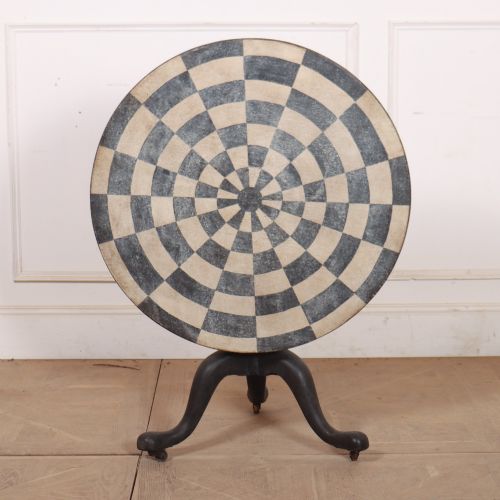
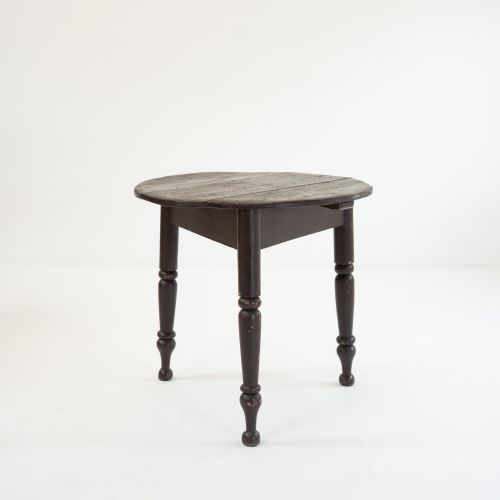
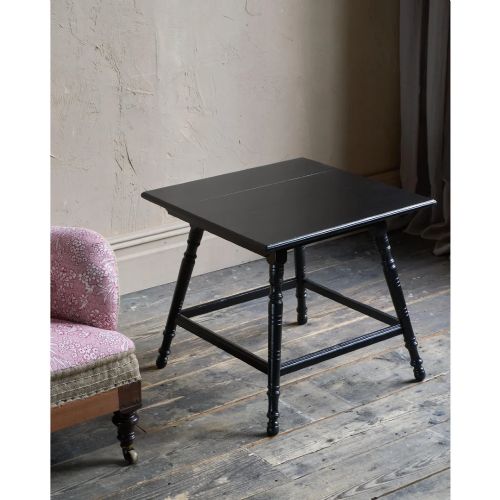
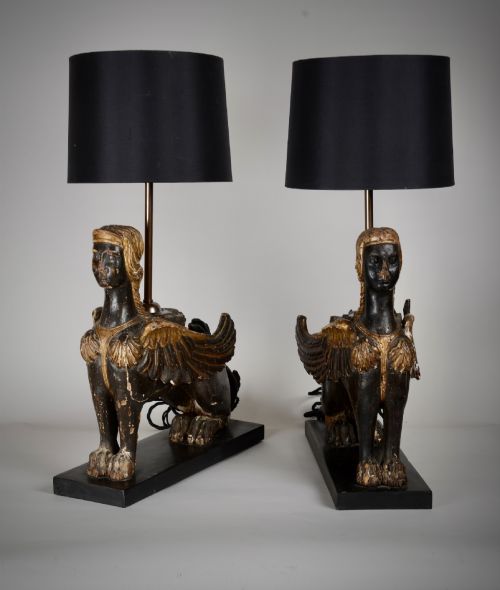
These vintage black side table pieces bring dark lacquer, ebonised wood, and painted finishes into a room, offering surface space with striking visual weight.
Vintage Black Side Table
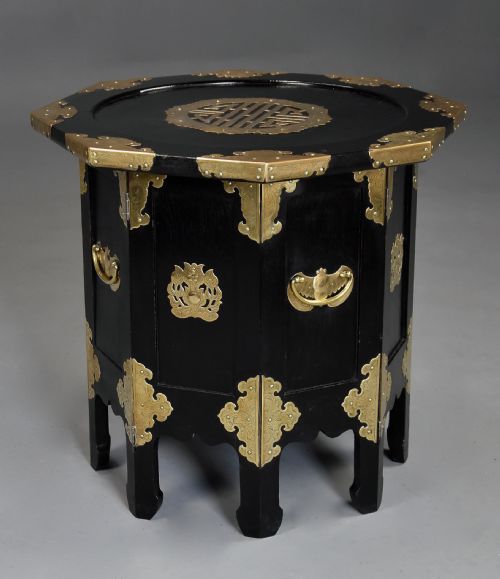
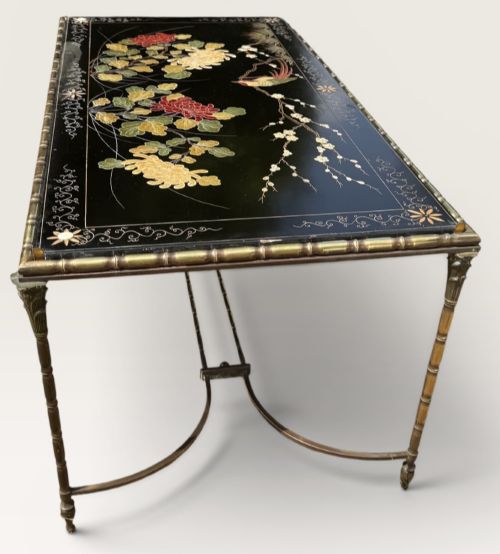
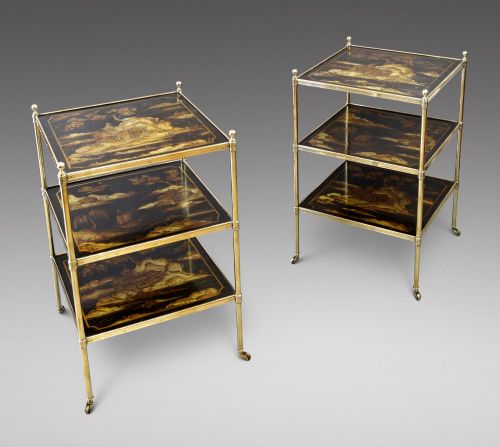
A vintage black side table covers a broad span of dark-finished occasional furniture, including nests of tables, tilt-top designs, and octagonal forms. These pieces serve practical functions beside chairs or beds while introducing strong tonal contrast to an interior.
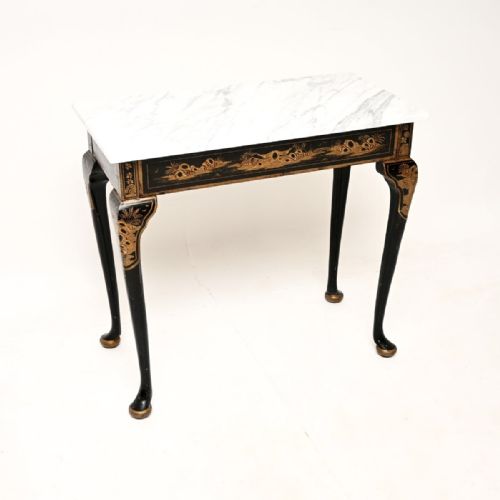
The selection here encompasses items from the eighteenth, nineteenth, and twentieth centuries, reflecting styles such as Victorian ebonising, Art Deco geometry, and Chinoiserie decoration. Buyers encounter everything from simple painted pine and iron to intricate inlaid marble and lacquer work.
Origin points range widely, taking in English workshops, French studios, Anglo-Indian craft, and Chinese export pieces. This diversity means a buyer might select a compact lamp table, a low coffee table, or a set of nesting tables.
Materials and construction methods
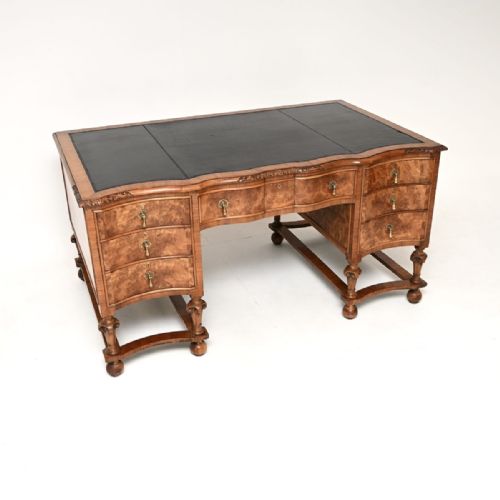
Dark finishes are achieved through several traditional methods, most notably ebonised wood, black paint, and applied lacquer. Makers also utilise hardwoods, pine, oak, and burr walnut beneath these dark surfaces.
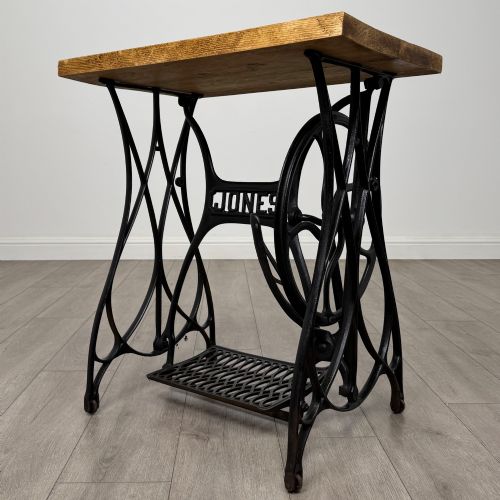
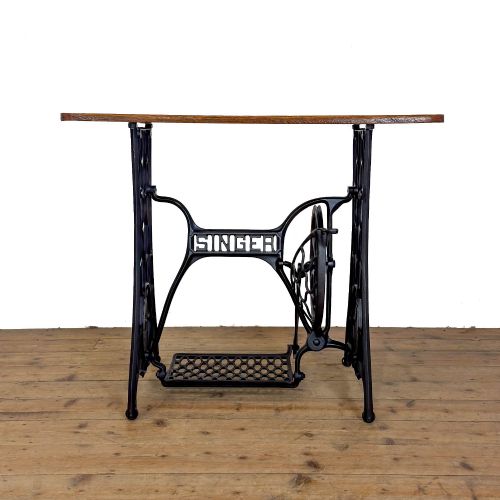
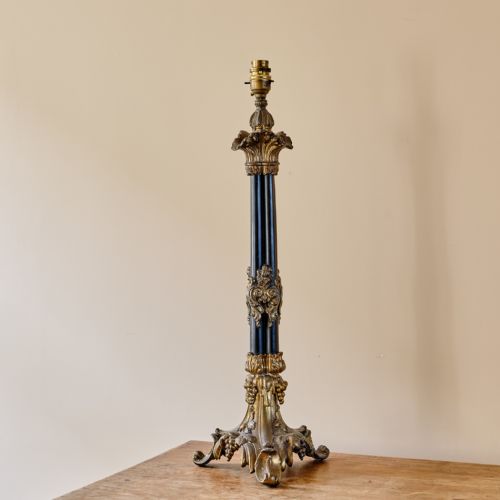
Decorative detailing frequently involves brass mounts, marble tops, inlaid stone, and hand-carved motifs. Iron and cast iron appear in industrial and cafe styles, providing sturdy frames for stone or wooden surfaces.
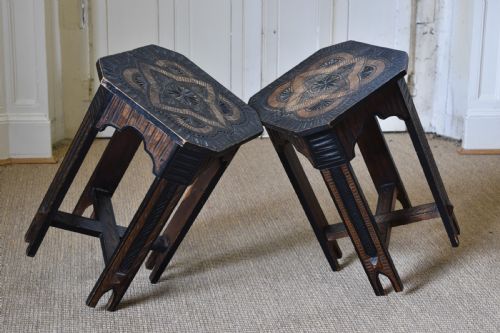
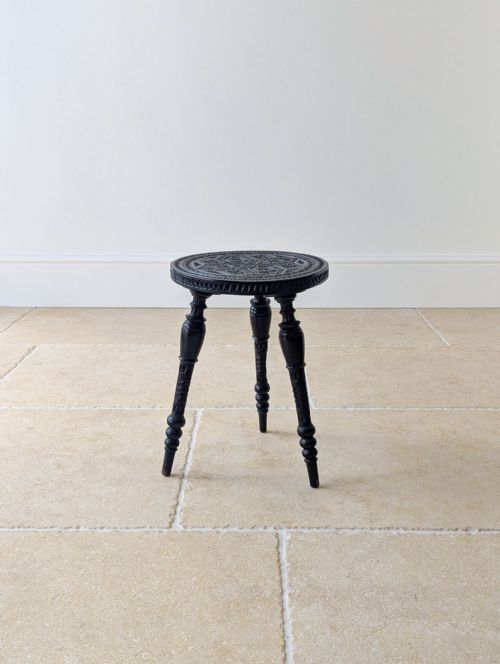
Joinery techniques vary by period and origin, ranging from simple chip-carving on occasional tables to complex lacquer layering on Chinese export pieces and nests of tables.
Materials recorded across the inventory include marble, brass, lacquer, ebonised wood, fabric, and painted pine.
Factors that distinguish quality
Quality rests heavily on the integrity of the surface finish, whether deep hand-applied lacquer, rich ebonising, or detailed Chinoiserie artwork. Superior examples display depth, careful preservation, and harmonious integration of decorative elements like brass or marble.
The underlying construction defines the durability and origin of the piece, distinguishing solid hardwood framing and precise joinery from simpler pine or assembly methods. Finer items exhibit careful carving, balanced proportions, and authentic period materials.
Maple and Co·Hindley and Sons·Maison Bagues·Liberty of London·Archibald Knox
The Vintage Black Side Table Glossary
- Ebonised wood
- Timber treated with stain, dye, or polish to imitate the deep black appearance of ebony. This technique gained significant popularity during the Victorian era for occasional furniture.
- Chinoiserie
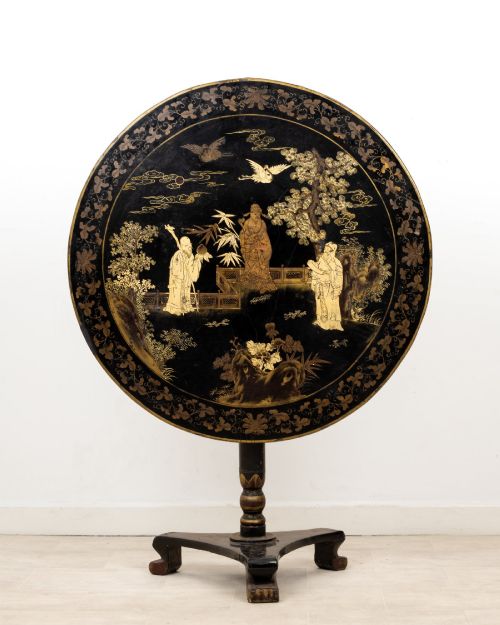
- European interpretations of Chinese and East Asian artistic traditions, often featuring painted or lacquered motifs in gold and colour on black backgrounds. It appears frequently on nests of tables and cabinets.
- Guéridon
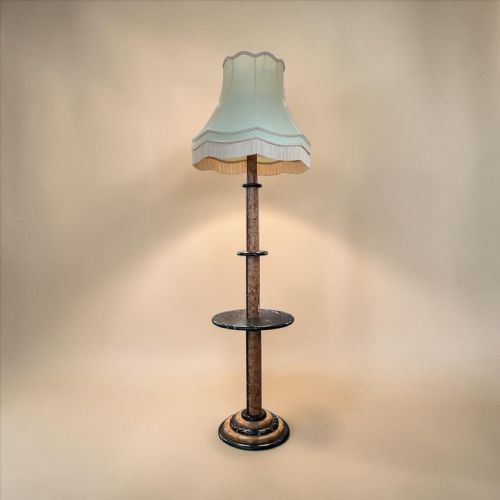
- A small French table supported by one or more columns, often featuring a marble top. These pieces serve well as accent or lamp tables.
- Nest of tables
- A set of graduated tables designed to fit neatly beneath one another when not in use. They provide flexible surface space in compact rooms.
- Tilt-top table
- A table featuring a mechanism that allows the surface to tilt vertically for storage against a wall. This form is common in antique occasional and tea tables.
Vintage Black Side Table: Frequently Asked Questions
How do I style a dark table?
Dark occasional surfaces stand out best against lighter walls or neutral upholstery, where their rich tones create a strong focal point. Placing a contrasting lamp, brass object, or book stack on top enhances visibility.
Because these pieces absorb light, position them near windows or beside lamps to highlight the grain of ebonised wood or the sheen of lacquer.
Are these tables practical for daily use?
Most pieces function well as bedside tables, lamp supports, or drinks stands in sitting rooms. Their compact footprints make them versatile for smaller spaces.
Care should be taken with delicate lacquer or antique marble tops, using coasters and mats to protect the vintage finishes from moisture and heat.
How do I date a black side table?
Dating relies on examining the timber, construction methods, and decorative style, such as Victorian ebonising or Art Deco geometric lines. Secondary woods and fixings often provide clear clues to the manufacturing period.
Comparative study of hardware, such as brass feet or handles, helps narrow down the decade of production.
What is the difference between lacquer and paint?
Lacquer involves applying multiple sap- or resin-based coats that cure to a hard, glossy, and durable finish, often seen on Asian export pieces. Paint sits on the surface as a pigmented coating, common on simpler pine and country furniture.
Lacquer surfaces typically feel smoother and show greater depth, whereas painted surfaces may reveal brushwork or craquelure over time.