

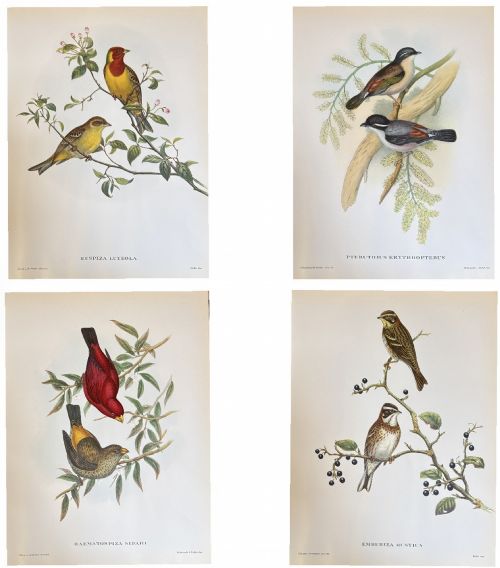
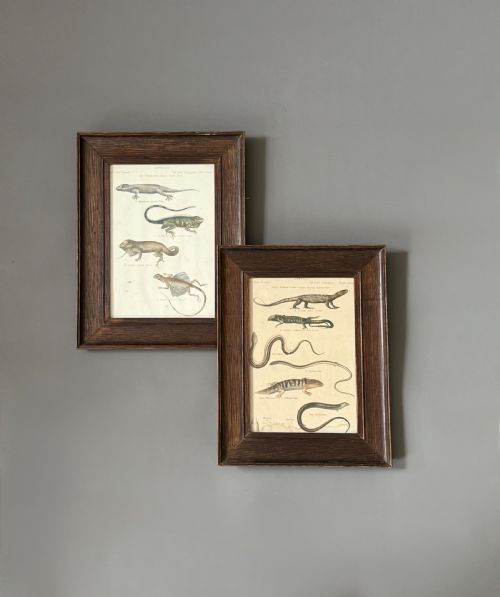
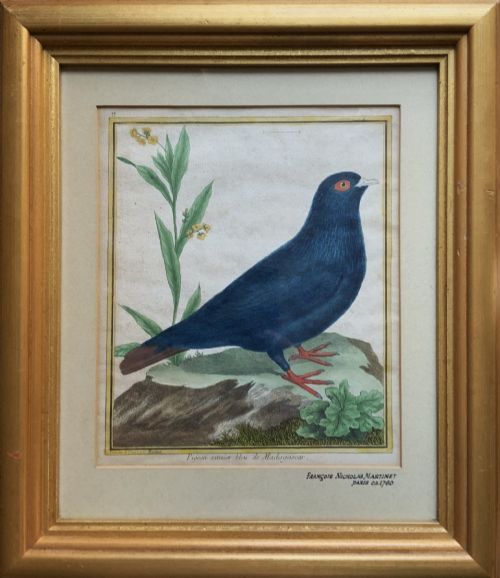
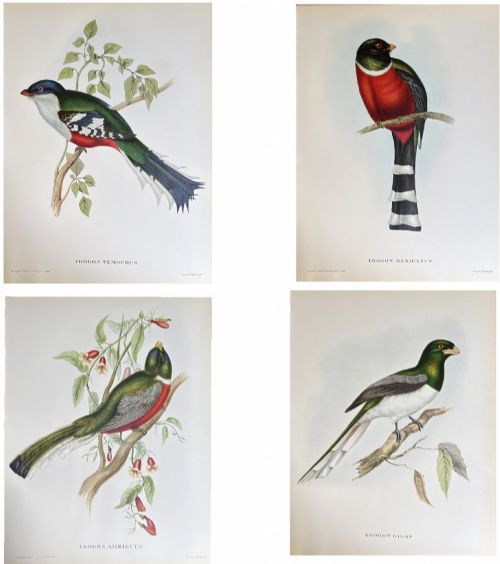

Vintage Bird Print
A vintage bird print brings the careful observation of natural history straight to your wall, spanning centuries of artistic technique.
Vintage Bird Print
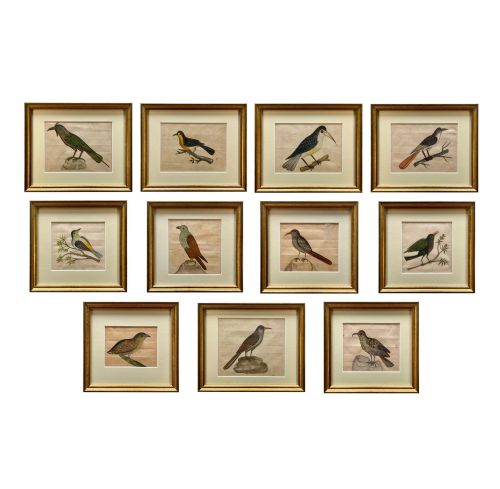
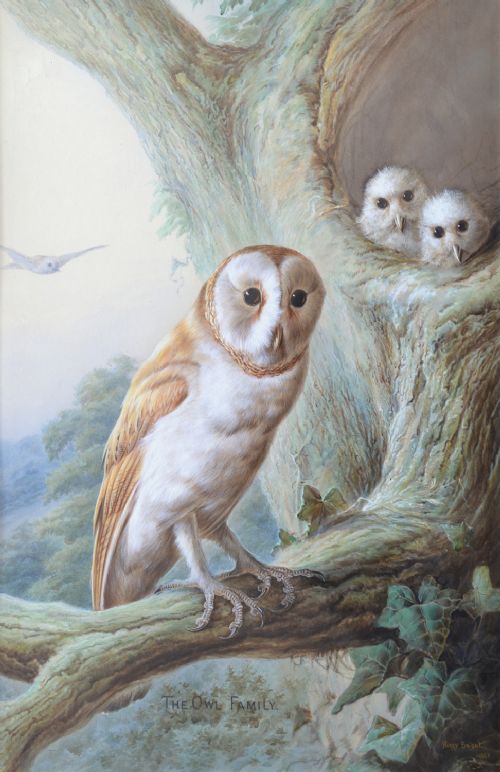
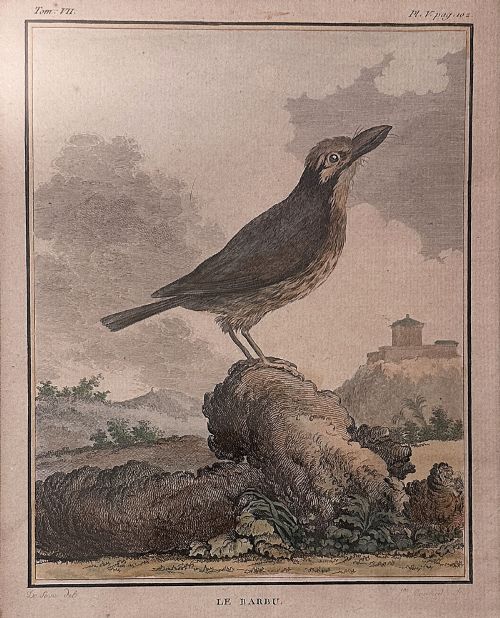
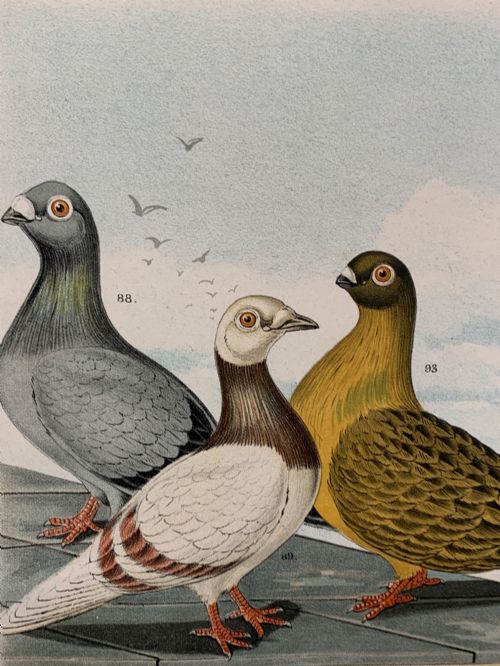
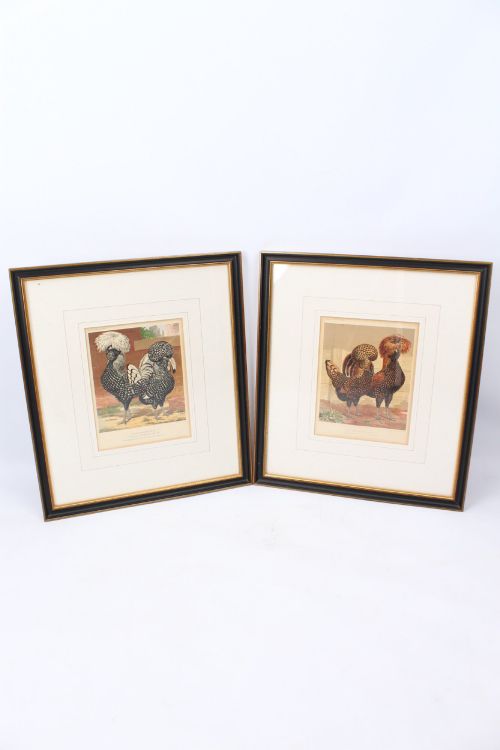
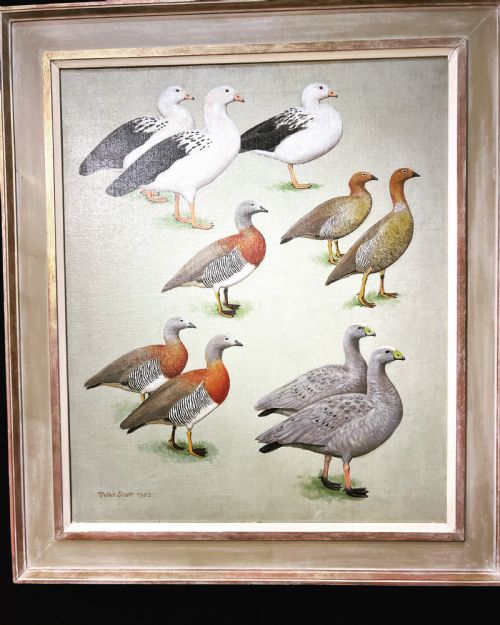
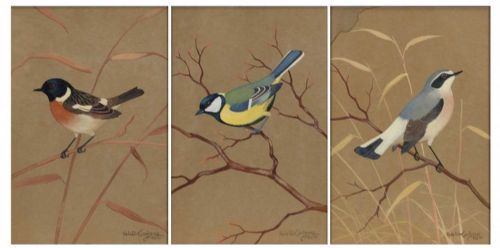
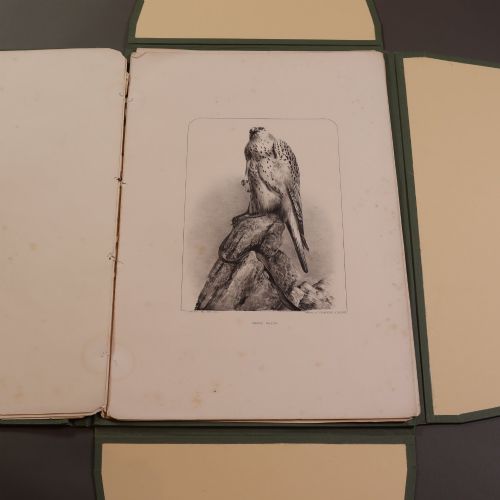
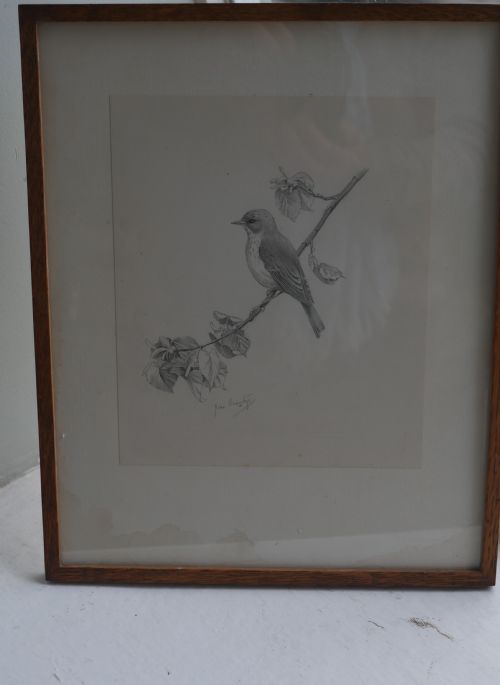
A vintage bird print encompasses framed artworks, engravings, lithographs, and original watercolours depicting ornithological subjects. These pieces range from eighteenth-century hand-coloured plates to mid-century paintings and prints.
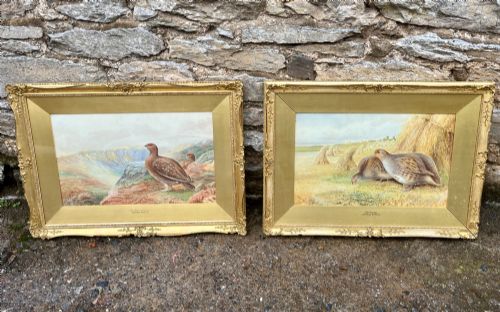
Buyers will encounter nineteenth-century works and mid-century examples most frequently on this page. The subjects cover tropical species, game birds, garden birds, and detailed natural history studies.
How they were made
Artists and makers utilised paper, ink, and watercolour paint, often finishing plates with hand-colouring. Engravings and lithographs provided the foundational lines for subsequent pigment application.
Frames rely on materials such as wood, gilt wood, and ebonised mouldings, sometimes incorporating gold leaf to complement the artwork within.
Vintage Bird Print Retail Price Guide 2026
Typical asking prices for vintage bird print among the pieces listed under this phrase on Sellingantiques today, from the lower quarter to the upper quarter. They describe what is for sale here now, not the wider market.
Listings feature works spanning the 18th century, 19th century, Edwardian period, and 1950s.
What varies in quality
Quality rests upon the precision of the draughtsmanship and the fidelity of the natural observation. Hand-coloured plates show varying degrees of delicacy in the brushwork applied over the printed line.
The choice of framing materials, from simple wood to ebonised frames with deep giltwood mounts, alters the presence of the piece on the wall.
Harry Bright·George Edwards·George Rankin·Ralston Gudgeon·John Hancock·Charles F. Tunnicliffe·William Swainson·Robin Hill
The Vintage Bird Print Glossary
- Lithograph
- A print produced by printing from a flat stone or metal plate treated to repel ink except where desired. This technique allowed for faithful reproduction of fine naturalist illustrations.
- Engraving
- An image incised into a metal plate, which holds ink for transfer under pressure onto paper. It yields crisp, precise lines essential for scientific study.
- Creamware
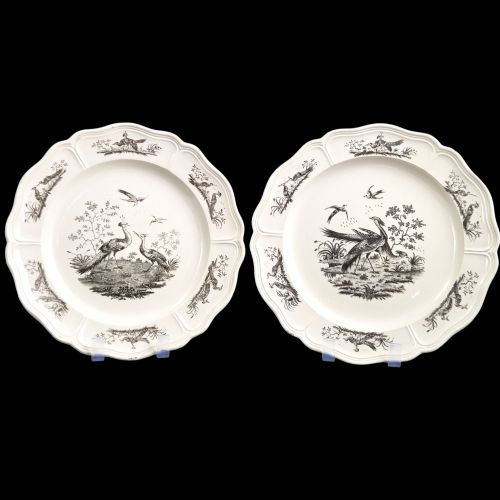
- A fine light-coloured earthenware developed in Yorkshire during the eighteenth century. It forms the ceramic body of specific ornithological plates on this page.
- Giltwood
- Wood carved and treated with a thin layer of gold leaf or gold paint. It frequently borders antique frames to accent the artwork.
Vintage Bird Print: Frequently Asked Questions
What periods do these bird prints cover?
The listings span from the eighteenth century through the Victorian and Edwardian eras into the mid-twentieth century. Each period brought distinct printing techniques and stylistic approaches to natural history.
Earlier pieces often feature hand-coloured copperplate engravings, while later nineteenth and twentieth-century examples include lithographs and original watercolour paintings.
How were these prints originally used?
Many began as plates bound within scientific folios and natural history volumes before being separated and framed. Others were created specifically as independent watercolours or decorative wall art for domestic interiors.
Naturalists and collectors kept them to study ornithological species or to display an interest in the natural world.
How should I frame and display them?
Selecting a complementary mount and frame protects the paper from environmental damage while highlighting the colours of the plumage. Antique frames often feature wood, ebonised finishes, or giltwood mounts.
Keep them away from direct sunlight to prevent the watercolour pigments and hand-colouring from fading over time.
How do I identify a hand-coloured print?
Close inspection under magnification reveals subtle brush strokes and variations in pigment density where colour was applied by hand over a printed outline. Printed colour appears uniform under magnification with visible dot or screen patterns.
Early ornithological plates frequently combined engraved lines with careful watercolour washes.