

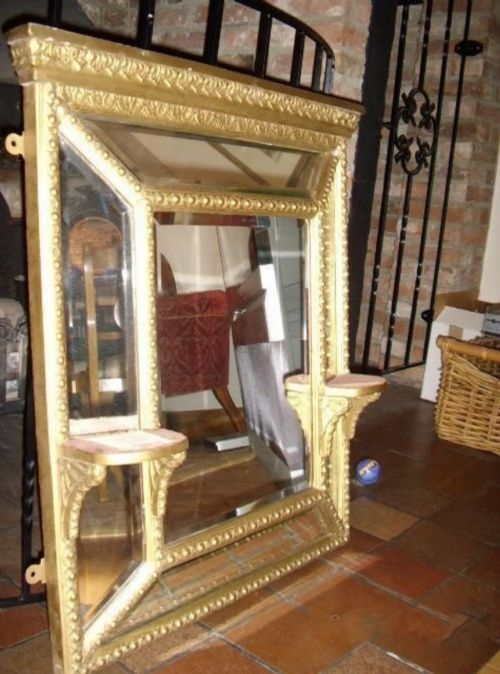
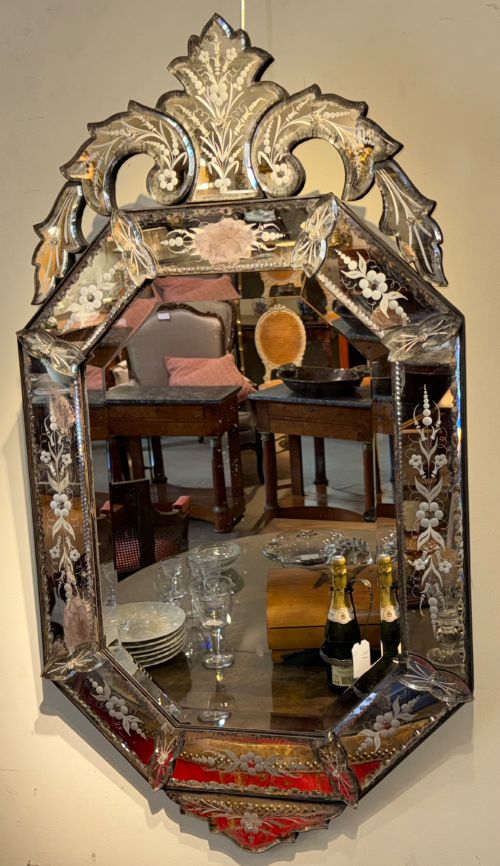
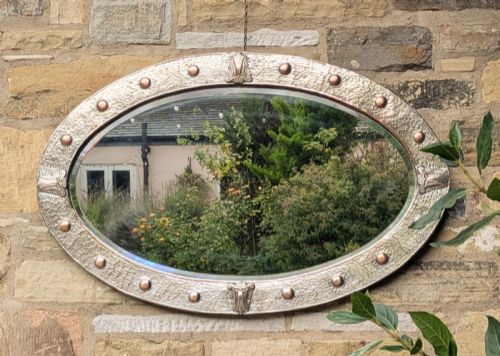
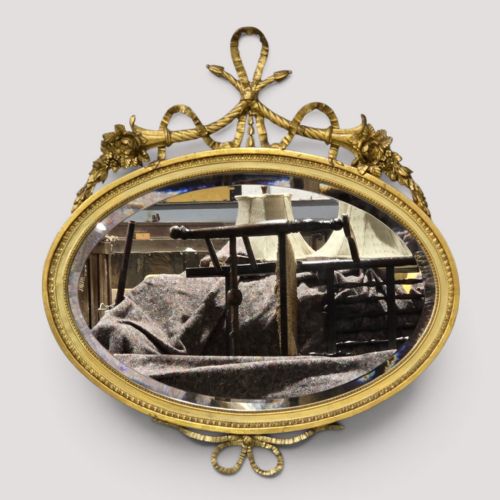
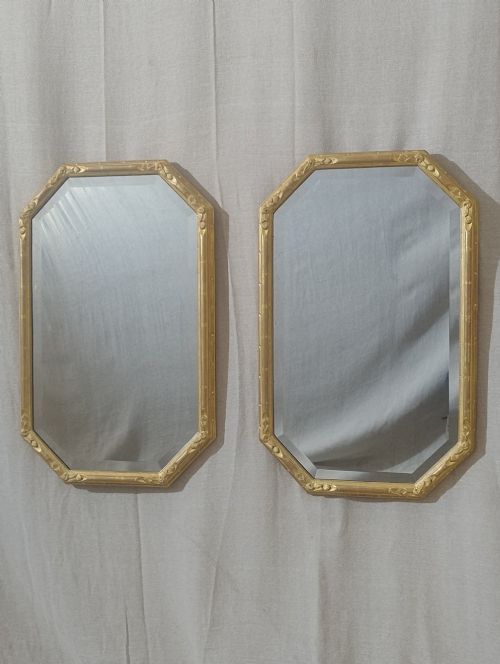
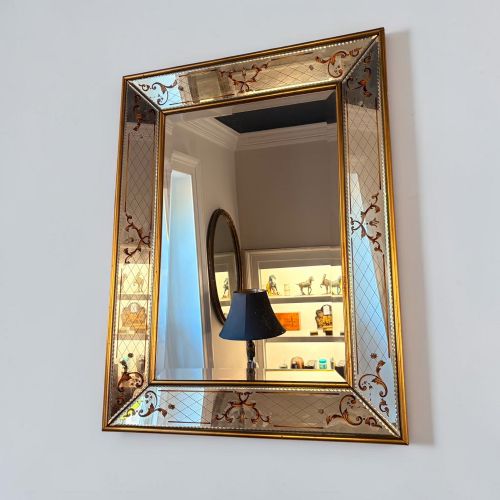
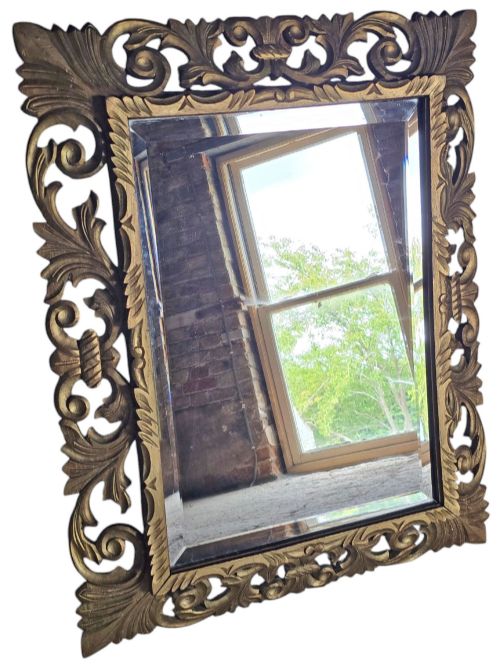
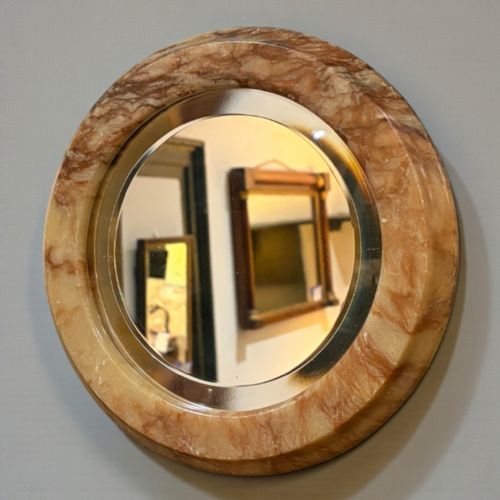
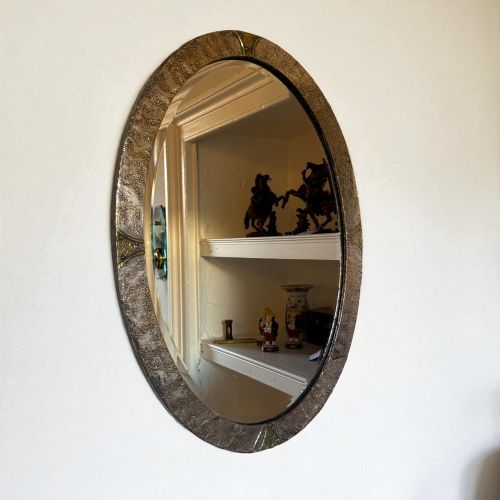

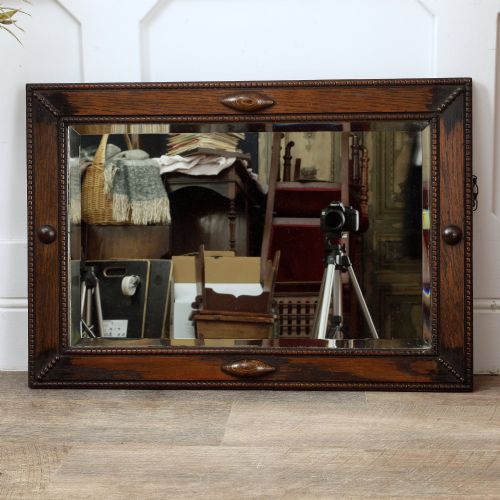
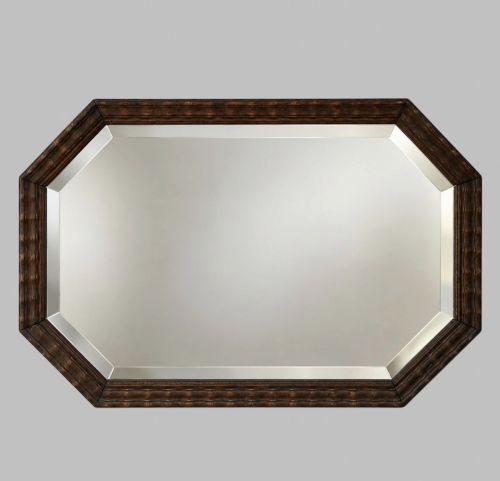
Vintage Bevelled Mirror Frame
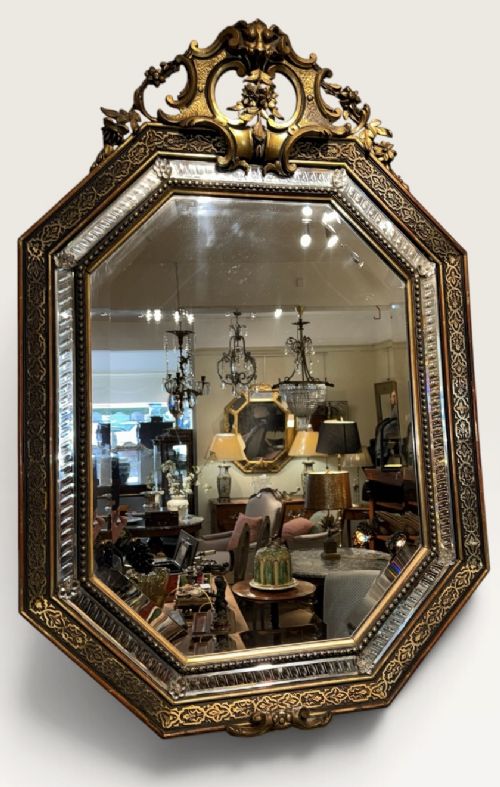
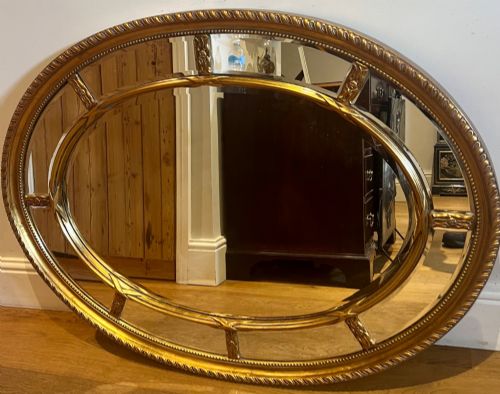
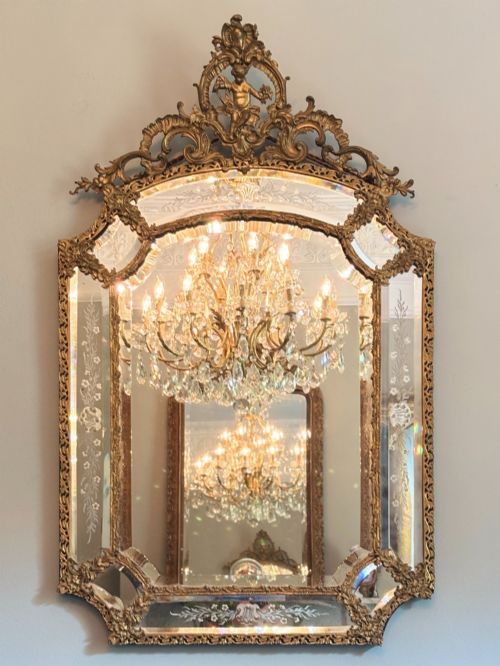
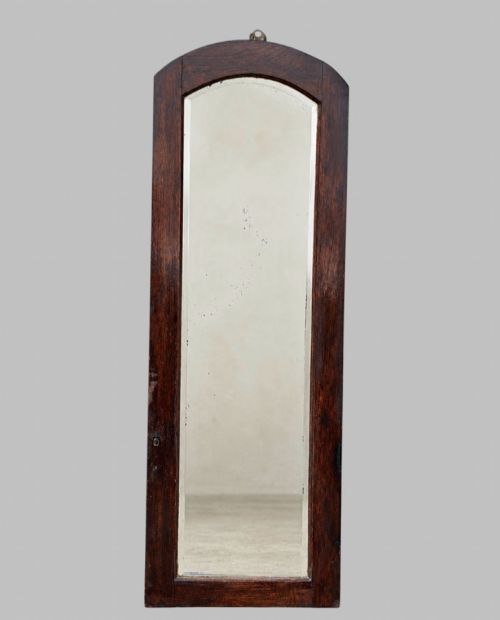
A vintage bevelled mirror frame brings depth to a room through angled glass set inside period woodwork, metal or gesso.
Vintage Bevelled Mirror Frame
A vintage bevelled mirror frame combines a shaped glass plate with a supportive surround originating from periods between the nineteenth century and the nineteen-thirties. Wall mirrors, overmantels and dressing table pieces dominate the selection, spanning styles from Edwardian oak to Rococo Revival giltwood.
Buyers seeking a vintage bevelled mirror frame frequently encounter oak or walnut wall fixtures alongside water gilded or gesso frames. Pieces range from simple geometric shapes to ornate Venetian and Chinoiserie designs produced across Britain, France and Italy.
Materials and construction
Craftsmen built these frames using traditional timber species such as oak, walnut, mahogany and rosewood, often combining them with applied gesso or carved details. Metal elements incorporate brass, sterling silver and hammered finishes, while specialist glass production created the distinctive angled edge on the mirror plate.
Giltwood pieces rely on layers of gold leaf or water gilding applied over prepared grounds on wood or gesso carcases. Joinery methods reflect the period of manufacture, utilising secure corner joints and backing boards appropriate to nineteenth and early twentieth century workshops.
Vintage Bevelled Mirror Frame Retail Price Guide 2026
Typical asking prices for vintage bevelled mirror frame among the pieces listed under this phrase on Sellingantiques today, from the lower quarter to the upper quarter. They describe what is for sale here now, not the wider market.
Listings feature oak, walnut, alabaster and brass alongside giltwood frames spanning the Victorian, Edwardian and Art Deco periods.
Distinctions in quality
Quality rests upon the crispness of the carving, the purity of the gilding technique and the integrity of the original mirror plate. Superior examples display finely hand-carved mouldings or deep repoussé work rather than cast substitutes, maintaining sharp definition across ornamental motifs.
The relationship between the glass plate and its frame indicates high standards of production, with bevelled edges ground smoothly to catch the light evenly. Heavier frames demand robust internal construction to support substantial mirror glass without distortion.
Waring and Gillow
The Vintage Bevelled Mirror Frame Glossary
- Bevelled glass
- Mirror glass featuring an angled, hand-ground edge that tapers towards the perimeter. This treatment refracts light and adds visual depth to the piece.
- Gesso
- A plaster-like mixture applied to wood frames to create a smooth surface for gilding or painting. Artisans mould or carve intricate relief patterns directly into this layer.
- Overmantel mirror
- A large horizontal looking glass designed specifically to hang above a fireplace mantel. These pieces often feature architectural proportions and elaborate crestings.
- Repoussé
- A metalworking technique where the artisan hammers thin sheet metal from the reverse side to form raised decorative motifs on the front.
- Water gilding
- A traditional method of applying gold leaf over wet gesso and bole. The resulting finish accepts burnishing to a bright, reflective shine.
Vintage Bevelled Mirror Frame: Frequently Asked Questions
How do I hang a heavy mirror frame safely?
Heavy frames require sturdy wall fixings secured directly into masonry or structural studs rather than plaster alone. Utilising dual mounting points distributes the weight evenly and prevents shifting over time.
Ensure the hanging wire or brackets on the reverse match the substantial weight of timber and glass combinations.
Where should I place an overmantel mirror?
Overmantel mirrors sit naturally above fireplace surrounds, anchoring the vertical space of a chimney breast. Positioning the glass opposite a window maximises natural light distribution across the room.
Maintain adequate clearance above the mantelpiece to balance the proportions of the frame against the hearth.
How do I clean antique mirror glass?
Clean the glass using a soft cloth and a gentle, ammonia-free solution applied to the cloth rather than sprayed directly onto the surface. This prevents moisture from seeping behind the bevelled edge and damaging the silver backing.
Preserve original wooden or gilded surrounds by dusting them lightly with a dry microfibre cloth without commercial polishes.
How do I identify an Edwardian mirror?
Edwardian pieces frequently display lighter timbers like satinwood or inlaid mahogany alongside simplified revival styles and Arts and Crafts hammered metals. Construction methods from this era often incorporate modern backboards while retaining traditional hand-finishing techniques.
Look for crisp bevelled edges paired with slender frames that favour proportion over heavy Victorian ornamentation.