

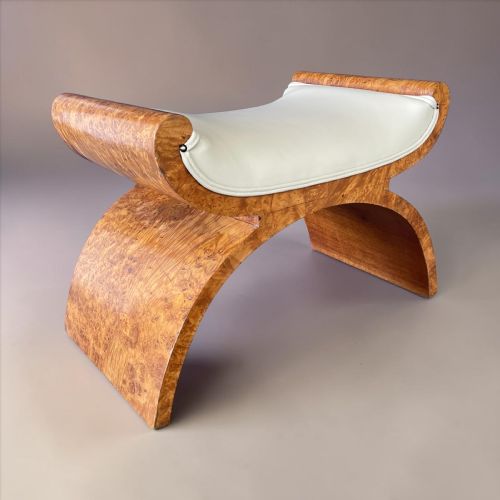


Vintage Bentwood Furniture
Vintage bentwood furniture brings fluid curves and light frames into a room, offering practical seating and hall stands shaped by steam.
Vintage Bentwood Furniture
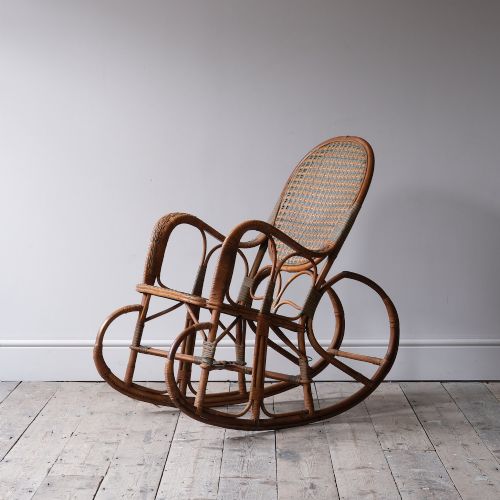
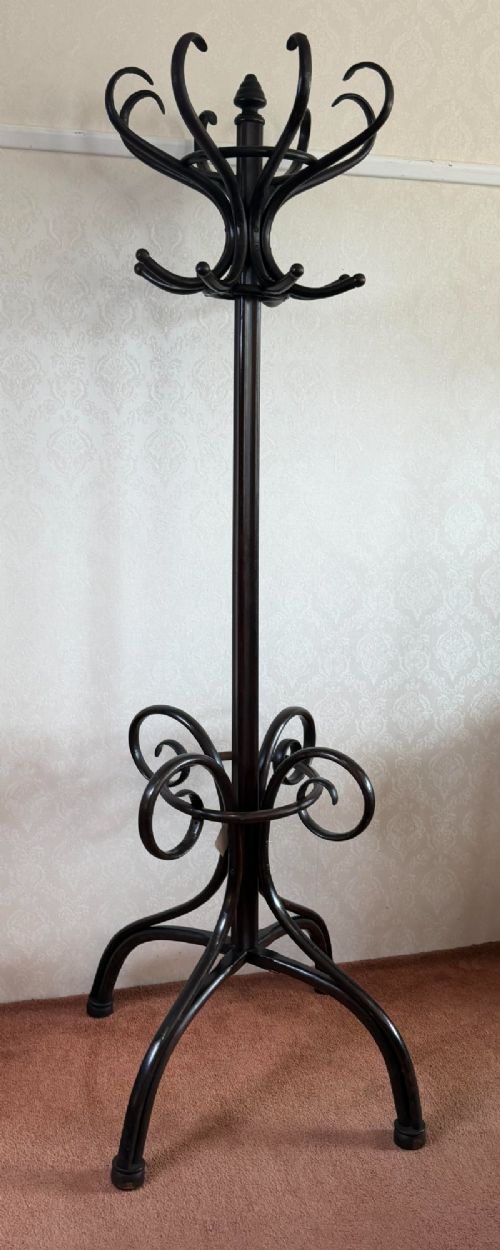
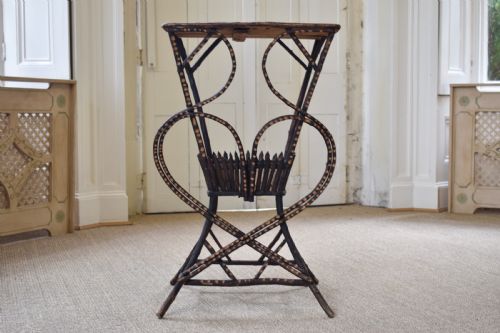
Vintage bentwood furniture encompasses seating, tables and grand hall stands originating from periods spanning the nineteenth century through the nineteen-thirties. Buyers seeking these pieces encounter distinctive forms shaped by steam, including coat stands, armchairs, side tables and rocking chairs.
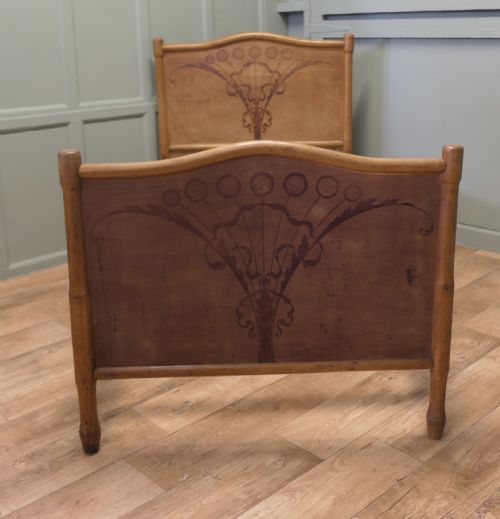
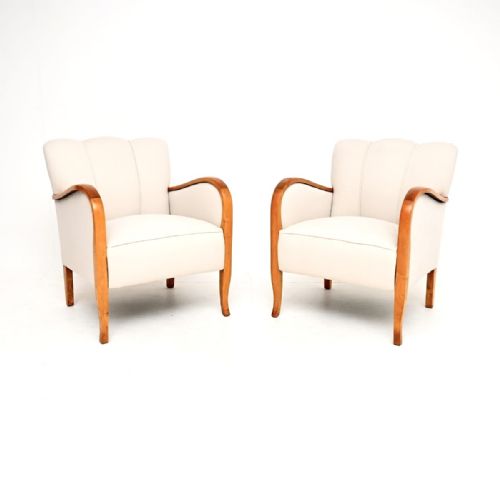
The selection on this page ranges from Victorian hall stands and Edwardian hat racks to Art Nouveau side tables and Art Deco armchairs. Makers such as Thonet and Fischel defined these styles, producing robust domestic objects that retain a light profile.
Utility meets decorative flair in pieces like the card table, gout stool and tiered stand. Each item demonstrates how curved timber serves both everyday function and formal interior design.
How they were made
Makers utilised solid beech and beechwood, steaming the timber until it softened sufficiently to bend into continuous curves without snapping. This technique allowed workshops to produce frames with minimal joints and exceptional inherent strength.
Cane, glass, brass and veneer appear alongside wood to complete the construction of tables, chairs and stands. Skilled artisans combined these materials to create balanced items ranging from simple bistro chairs to elaborate hall furniture.
Vintage Bentwood Furniture Retail Price Guide 2026
Typical asking prices for vintage bentwood furniture among the pieces listed under this phrase on Sellingantiques today, from the lower quarter to the upper quarter. They describe what is for sale here now, not the wider market.
Someone built a miniature rocking chair just for a doll.
What varies in quality
Quality rests upon the crispness of the curves and the integrity of the steam-bent joints. Superior examples maintain structural tension without warping, whereas lesser items show strain or clumsy repairs along the grain.
The distinction between standard production items and finer pieces lies in the detailing of the woodwork and the retention of original elements like cane seats and brass hooks. Designated maker attribution also separates ordinary domestic chairs from exceptional salon suites.
Jason and Joseph Kohn·Harry and Lou Epstein·Fischel·Baumann
The Vintage Bentwood Furniture Glossary
- Bergere
- A wooden-framed upholstered armchair with woven cane panels on the back and sides. This technique lightened the visual weight of heavy seating.
- Gout stool
- A specialised footrest featuring an adjustable angle to support the legs of someone suffering from gout. These items often incorporate woven cane surfaces.
- Hall stand
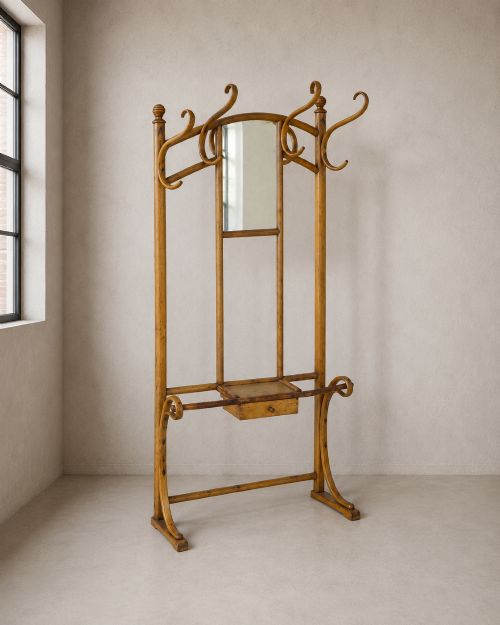
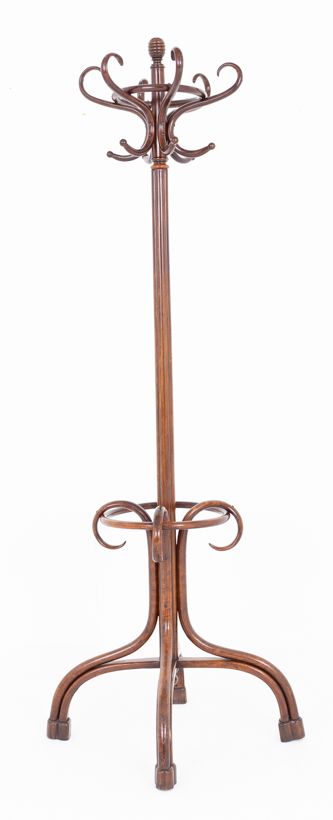
- A tall piece of furniture designed for an entrance hall, equipped with hooks for hats and coats, and frequently incorporating a mirror and umbrella wells.
- Steam bending
- A process where solid timber is subjected to steam in a closed box until it becomes pliable enough to shape around metal or wooden forms.
- Vienna Secession
- An artistic movement formed in eighteen ninety-eight by Austrian painters and designers who seceded from the Association of Austrian Artists. Their work favoured clean lines and geometric forms over ornate historicism.
Vintage Bentwood Furniture: Frequently Asked Questions
How do I identify a Thonet piece?
Authentic Thonet pieces often bear paper labels, stamps or burned-in signatures directly into the underside of the wood. The precision of the steam-bent curves also points to their specialist workshops.
Examination of the screw fittings and timber quality helps distinguish genuine nineteenth-century production from later revivals.
Where should I place a bentwood hall stand?
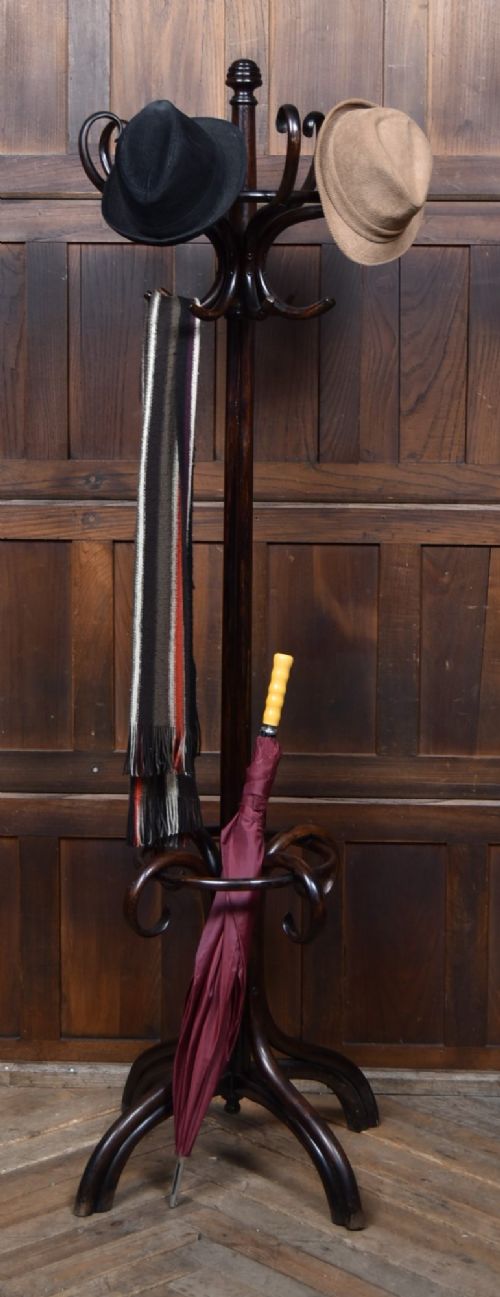
A bentwood hall stand suits an entrance hallway or boot room where its vertical frame can hold hats, coats and umbrellas. These tall pieces utilise corner spaces efficiently.
Keep them away from direct heat sources to prevent the steam-bent timber from drying out and losing its tension.
Are bentwood chairs sturdy enough for daily use?
Bentwood chairs derive considerable strength from the continuous grain of their curved frames. They were originally designed for bustling nineteenth-century cafes and domestic dining rooms.
Routine inspection of the screws and joints ensures the frame remains stable under normal weight.