


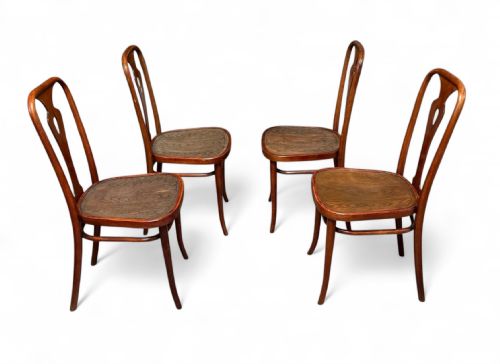


Vintage Bentwood Cafe Chair
A vintage bentwood cafe chair brings light, curved wooden elegance to a room, offering sturdy utility paired with unmistakable period charm.
Vintage Bentwood Cafe Chair
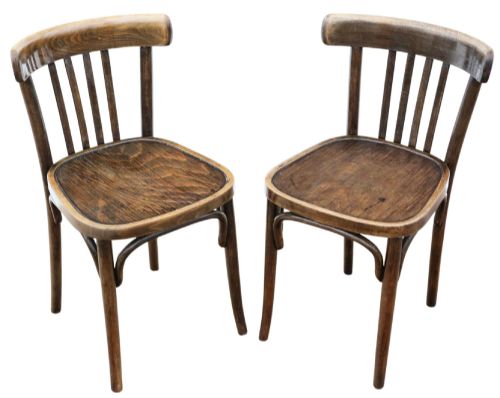
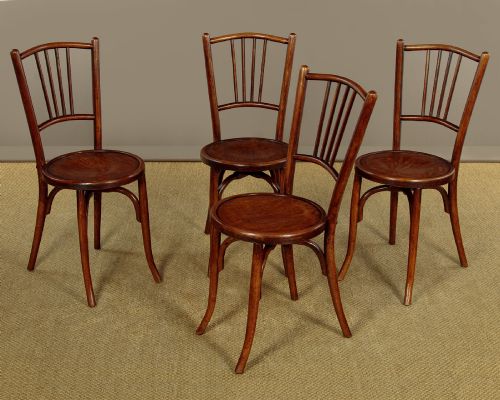
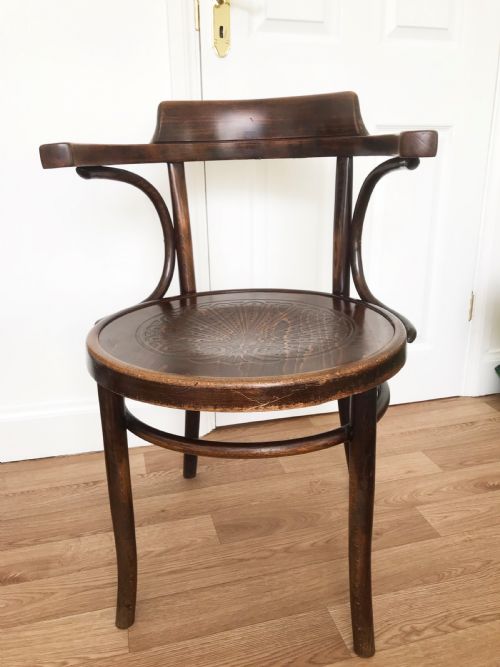
When you search for a vintage bentwood cafe chair, you are looking at practical seating shaped by steam and pressure rather than traditional joinery. These pieces originated in bustling nineteenth-century coffee houses and dining rooms, designed to withstand heavy daily use while maintaining a slender, graceful profile. The listings bring together dining chairs, carvers, and armchairs spanning from the late nineteenth century through to the mid-twentieth century.
On this page, you are most likely to meet single chairs or matched sets originating from the major European makers of the era. The forms draw on Victorian, Edwardian, Art Nouveau, and mid-century aesthetics, often featuring rounded backs and supportive frames. Whether styled as a bistro seat or a desk chair, each example displays the characteristic curves achieved through steam-bending solid timber.
How they were made
Makers produced these chairs by steaming lengths of solid beech or beechwood until the timber became pliable enough to pull into sweeping curves around metal forms. Once dried and set, these structural loops formed the backrests and rear legs in continuous, unbroken lines of wood. This technique eliminated the need for weak joints at the crucial stress points of the frame.
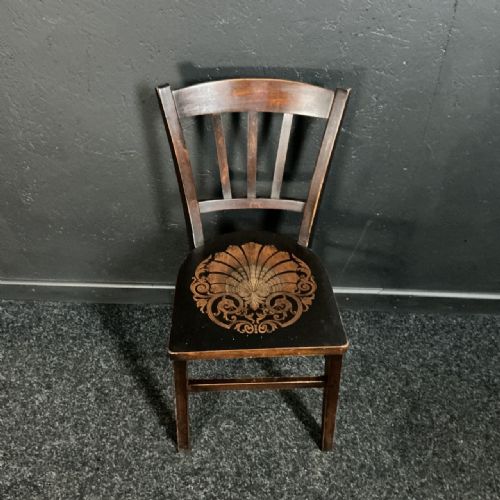
Seats were frequently formed from pressed plywood, sometimes punched with decorative patterns, or woven from cane. Craftsmen joined the bent components using screws and simple internal blocks, keeping the overall assembly remarkably light yet resilient. Finished surfaces ranged from natural stained wood to darker protective varnishes that highlighted the grain of the beech.
Listings span from the nineteenth century through the Edwardian period and up to the 1960s, featuring beech, plywood, and cane.
What varies in quality
The distinction between standard commercial seating and finer examples lies in the crispness of the steam-bent curves and the selection of the timber. Superior chairs utilise dense, well-seasoned beech that retains its structural tension over decades of sitting, preventing the frame from sagging or warping. Maker-marked pieces often display finer tolerances in the hardware and a cleaner execution of pressed plywood seats.
The integrity of the original joins and the condition of any cane work also determine the standing of a piece. Chairs that retain their factory stamps or paper labels carry stronger provenance, while matched sets demonstrate greater desirability for dining spaces. Subtle variations in the thickness of the bentwood members show how makers balanced lightness against long-term durability.
Thonet·Codina·J & J Kohn·Mundus Kohn
The Vintage Bentwood Cafe Chair Glossary
- Bentwood
- Wood that has been rendered pliable by steam and shaped into curves. This technique allows for continuous, jointless frames that define the silhouette of the chair.
- Carver
- An armchair featuring supportive armrests integrated into the back design. These were traditionally placed at the heads of dining tables.
- Plywood
- Engineered wood made from thin sheets of wood veneer glued together. Pressed plywood seats often feature geometric or floral relief patterns stamped into the surface.
- Cane
- Woven material made from the peeled bark of rattan palms. It provides a flexible, breathable seating surface set within a routed wooden frame.
Vintage Bentwood Cafe Chair: Frequently Asked Questions
Are vintage bentwood cafe chairs comfortable?
These chairs are surprisingly supportive due to the ergonomic curve of the steam-bent backrest, which naturally supports the spine during long meals.
While the wooden and pressed plywood seats are firm, adding a cushion provides extra comfort for extended sitting at a desk or dining table.
How do I identify a Thonet chair?
Look for impressed maker marks, paper labels, or branded stamps usually found underneath the seat or along the wooden seat rail.
The quality of the steam-bent curves and the distinct joinery methods also point towards the workshop of origin.
Can I mix different bentwood chair styles?
Mixing different styles around a dining table is a traditional way to display these pieces, as their shared material and slender silhouettes create natural visual harmony.
Matching sets remain sought after, but curated groups of similar cafe chairs offer an eclectic, gathered aesthetic.
How should I care for bentwood furniture?
Keep the wood conditioned with a gentle wax or polish to prevent the beech from drying out in centrally heated rooms.
Avoid placing cane-seated versions in direct sunlight or overly damp areas to protect the natural fibres from snapping.