



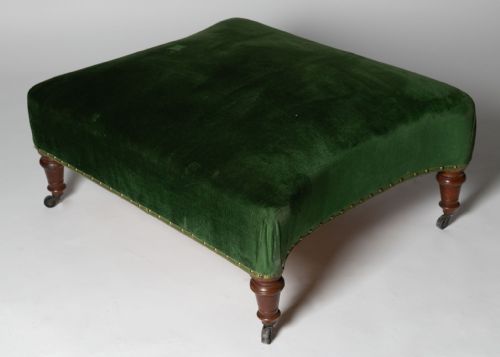

Vintage Bench
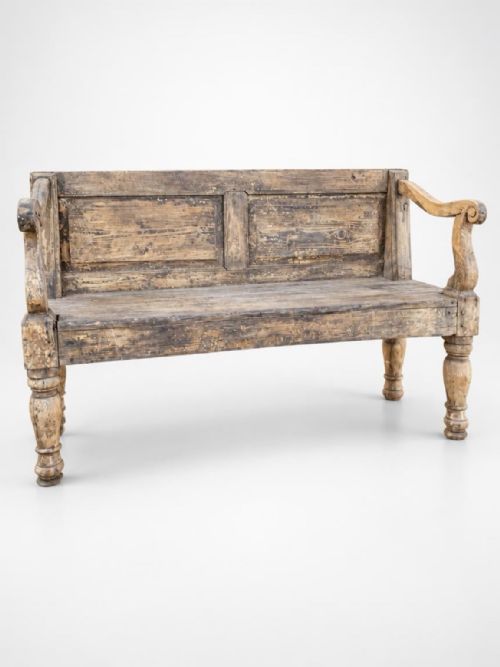
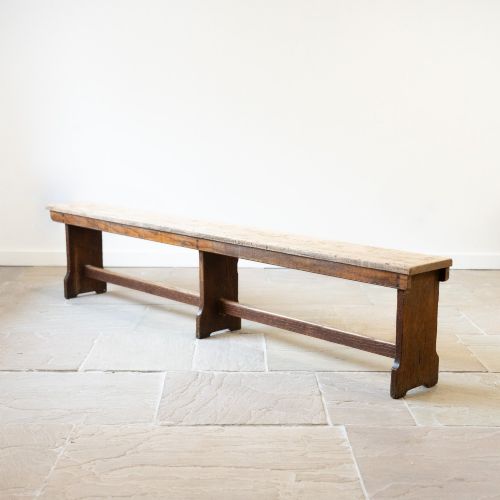
A vintage bench brings practical character to an interior, offering robust seating shaped by decades of functional use.
Vintage Bench
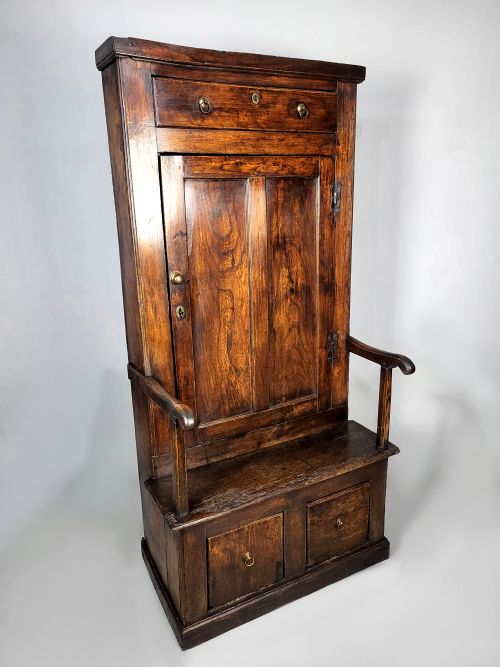
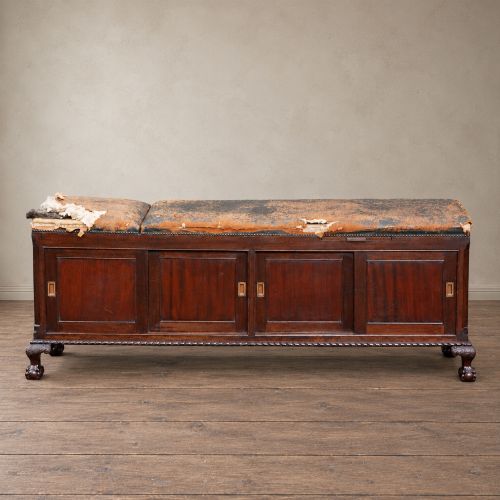
A vintage bench spans a broad range of forms, from rustic pine church pews and painted farmhouse seating to cast iron garden conversation seats. When exploring vintage bench options, buyers encounter everything from early oak hall benches to French dining benches and outdoor pieces.
The material palette is strictly grounded in timber and metal, reflecting practical historical demands. Oak, pine, mahogany, and walnut dominate the indoor seating, whilst cast iron anchors the garden and outdoor categories.
Origins vary across English country houses, French provincial settings, and Austrian farmhouses. Each piece carries the distinct regional construction methods of its period, whether Victorian, Edwardian, or early twentieth century.
Materials and construction
Makers relied heavily on solid hardwoods like oak, walnut, and mahogany for indoor seating, utilising traditional joinery such as mortise and tenon. Pine appeared frequently in utilitarian contexts like church pews and chapel benches, often paired with simple plank construction.
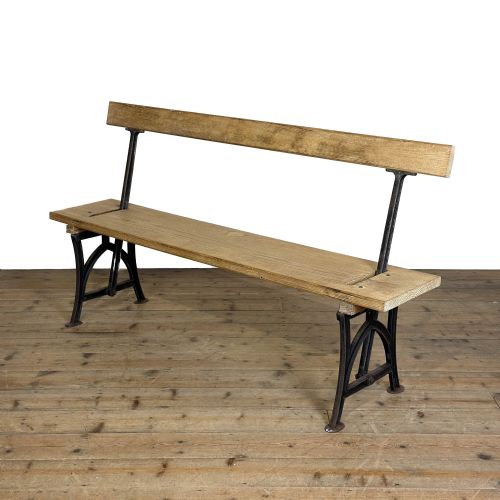
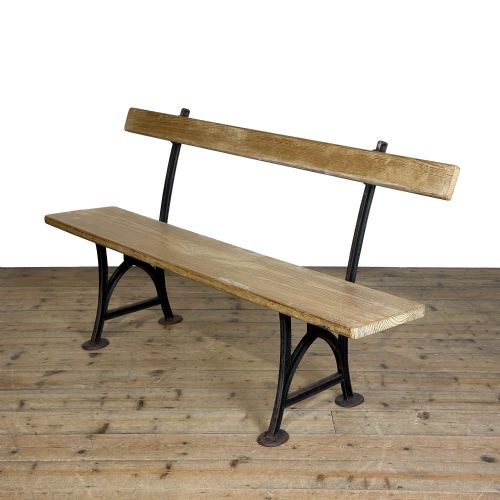
Cast iron production defined outdoor garden seating, allowing for intricate moulded details such as blackberry and leaf motifs on frames. Metal components were frequently combined with timber slats or used independently in conversation seats and rocking benches.
Vintage Bench Retail Price Guide 2026
Typical asking prices for vintage bench among the pieces listed under this phrase on Sellingantiques today, from the lower quarter to the upper quarter. They describe what is for sale here now, not the wider market.
An elephant bench seat designed for Liberty brings unexpected animal form into the Edwardian hallway.
Assessing quality
Quality rests in the integrity of the original construction and the depth of the materials. Solid timber frames with deliberate hand-carved details, such as poppy head finials or trefoil supports, separate standard utility pieces from finer commissions.
The crispness of cast iron foundry work dictates the standard of garden pieces, where sharp, well-defined botanical motifs indicate superior production. Preserved original surfaces, whether aged paint or polished wood grain, carry more authority than heavy modern interventions.
Brown & Lamont·Falkirk Carron Foundry·Liberty
The Vintage Bench Glossary
- Finial
- A decorative carving terminating the top of a post or upright. Poppy head finials appear frequently on gothic revival church seating.
- Settee
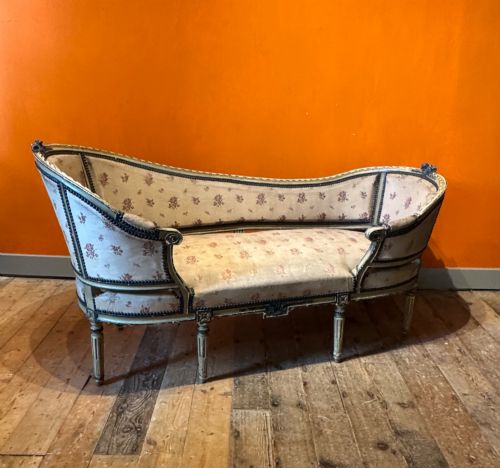
- A small upholstered or wooden sofa designed for two or more people. Double chair-back versions combine traditional framing with bench-like proportions.
- Pew
- A long wooden bench traditionally found in churches or chapels. Examples often feature flip-over backs or enclosed ends.
- Luggage stand
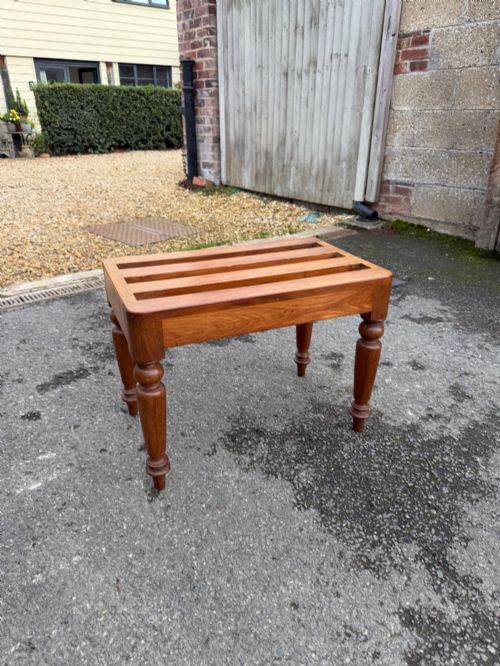
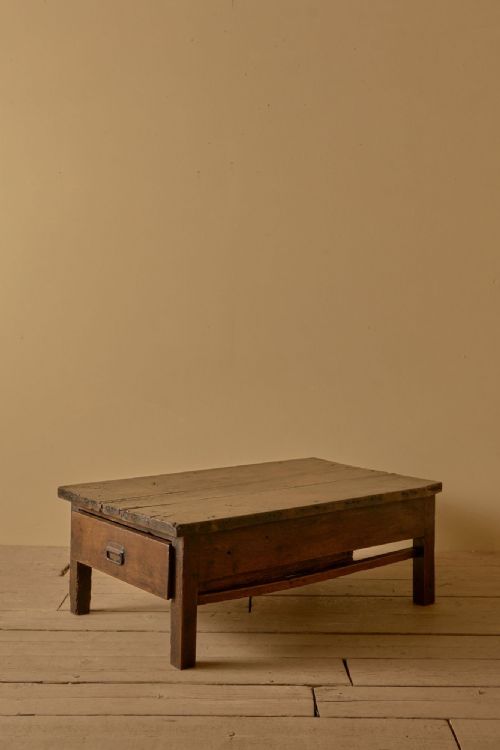
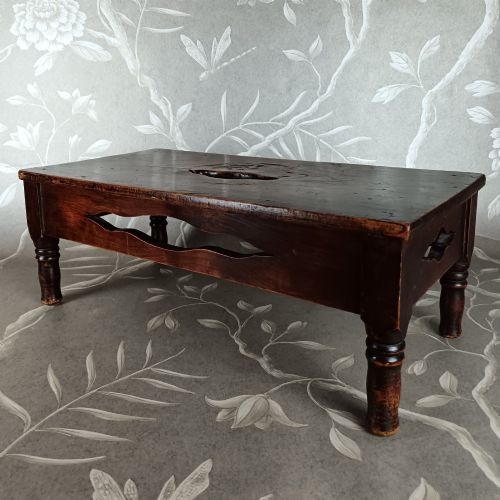
- A low folding or rigid rack used in guest rooms for suitcases. These share joinery characteristics with standard benches and stools.
- Settle
- A wooden bench with high backs and solid arms designed to block drafts. Rocking variants offer mobility within traditional room layouts.
Vintage Bench: Frequently Asked Questions
Where should I place a vintage bench?
A vintage bench fits naturally in hallways, entryways, or at the foot of a bed for practical seating and surface space. Oak and pine variants suit high-traffic areas due to their durable timber construction.
Outdoor cast iron garden benches belong in exterior spaces where weather-resistant metal can age naturally. Smaller stool formats work well beside living room seating as flexible footstools.
How do I clean a wooden vintage bench?
Dust timber surfaces regularly with a dry cloth to prevent grime accumulation on carved details and joints. Avoid harsh chemical cleaners that strip historical polishes and wax finishes.
Nourish older oak, walnut, or mahogany surfaces periodically with traditional beeswax to maintain the timber grain. Keep painted pine away from excessive moisture to preserve the original decorative finish.
Are cast iron garden benches heavy?
Cast iron garden benches possess substantial weight due to the dense metal used in their foundry frames. This heavy construction keeps them stable on uneven outdoor ground without needing permanent fixings.
Moving these pieces usually requires two people to prevent damage to the delicate decorative scrollwork or legs. Store them under cover during harsh winter months if delicate botanical mouldings require protection.
How do I date an antique wooden bench?
Dating relies on examining the joinery methods, tool marks, and wood species characteristic of specific periods. Hand-cut joints and dense oak or walnut typically point towards eighteenth or nineteenth-century craftsmanship.
Stylistic cues, such as Arts and Crafts Gothic tracery or Victorian buttoned leather upholstery, narrow down the decade of production. Maker stamps or foundry marks provide definitive evidence of origin when present on the frame.