
Vintage Bedside Lighting
Vintage bedside lighting brings character to a bedroom through period table lamps and small cabinets sourced from past decades.
Vintage Bedside Lighting
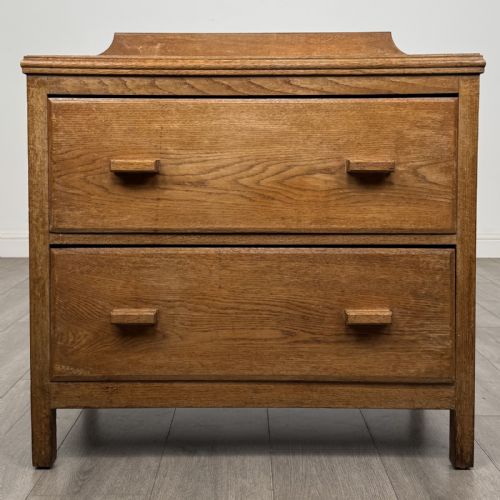
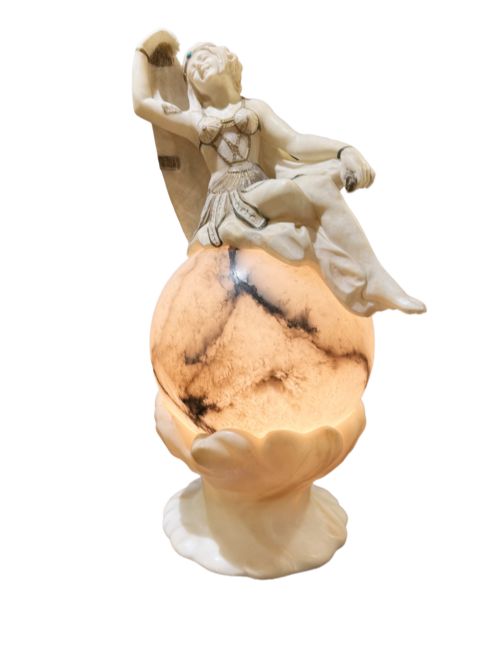
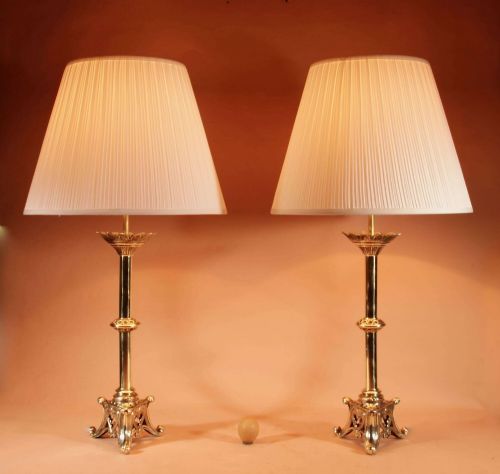
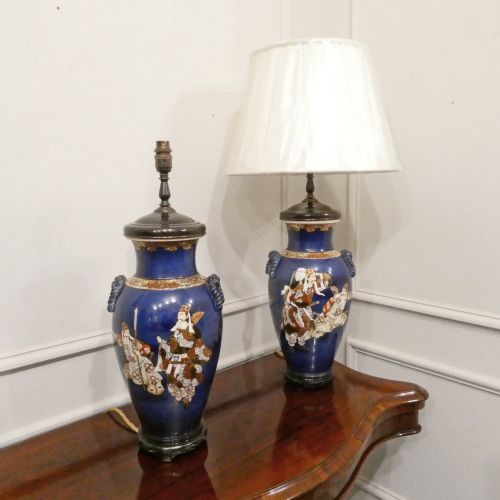
Vintage bedside lighting centres on table lamps and small support furniture designed to sit beside a bed. The selection includes tall column bases, figural designs, and hand-painted pottery or glass lamps alongside matching wooden cabinets.
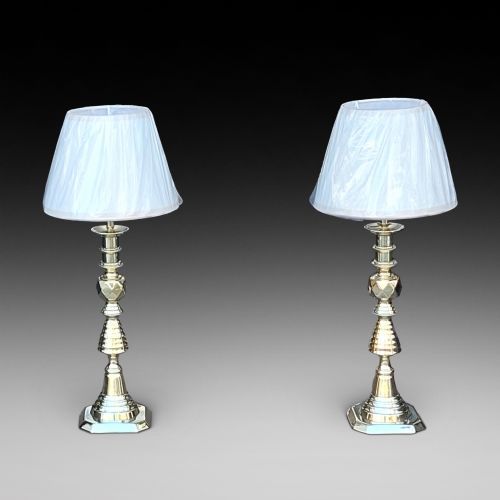
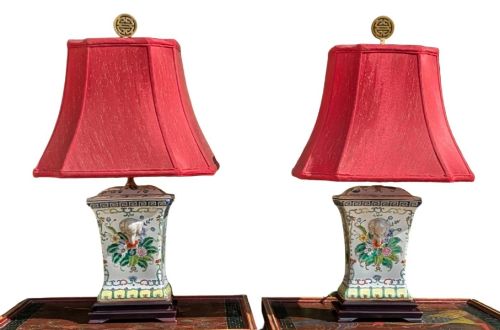
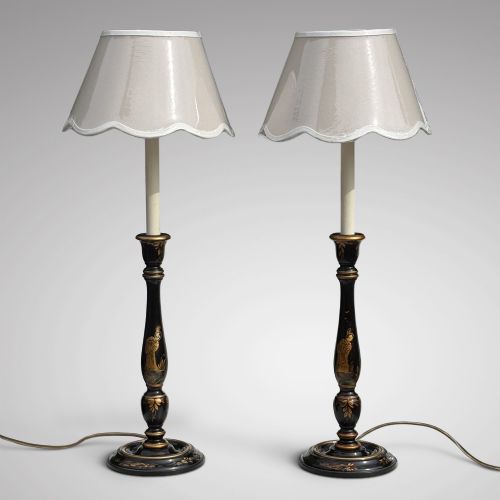
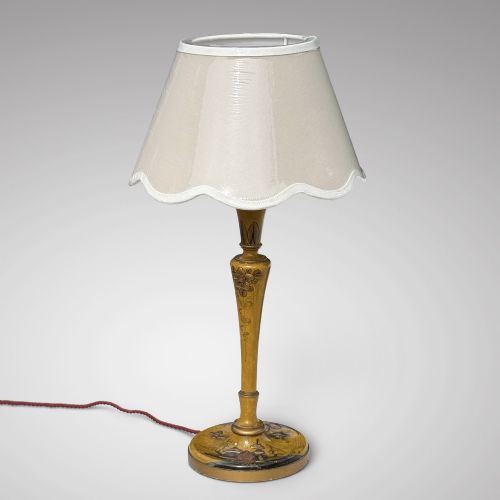
Most examples originate from the Victorian and Edwardian eras through to the 1920s and 1930s. Buyers frequently encounter brass candlestick lamps, lacquered Chinoiserie cylinders, and Art Deco figures lighting up a room.
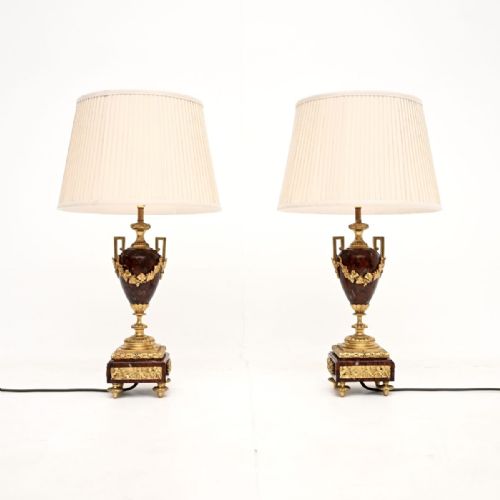
The objects span diverse stylistic revivals, taking inspiration from Neoclassical, Gothic, and Rococo traditions. These pieces combine practical illumination with the decorative vernacular of their respective decades.
How they were made
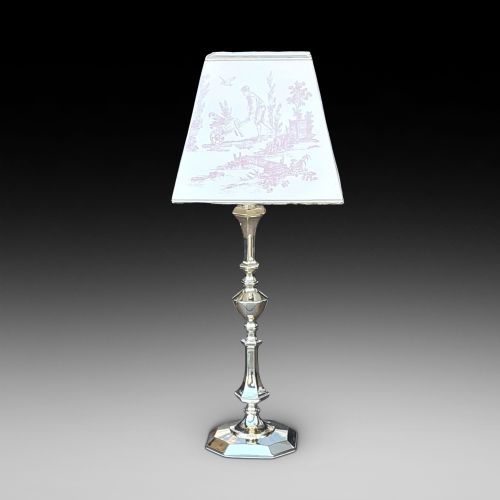
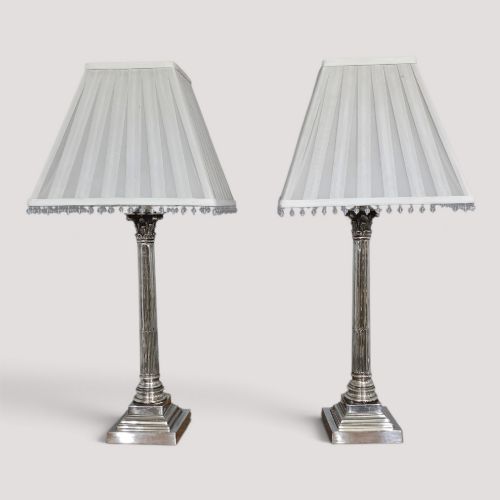
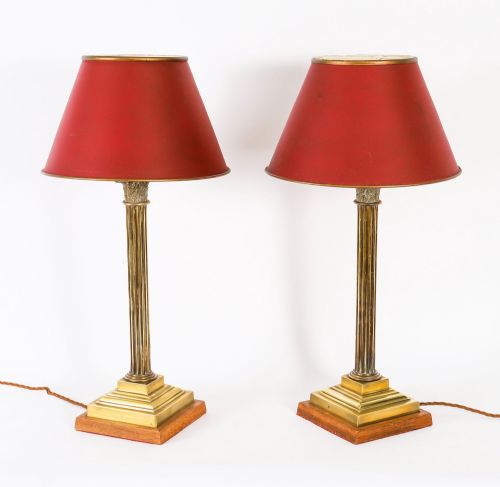
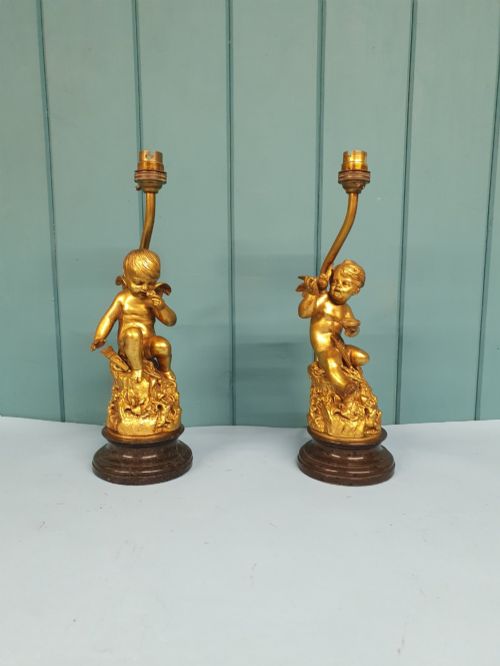
Metalwork dominates the construction of these lamp bases, utilising cast brass, bronze, and silver plating shaped into Corinthian columns, reeded stems, and figural ornaments. Artisans also employed turned woods such as oak, ash, and mahogany for bases and cabinets.
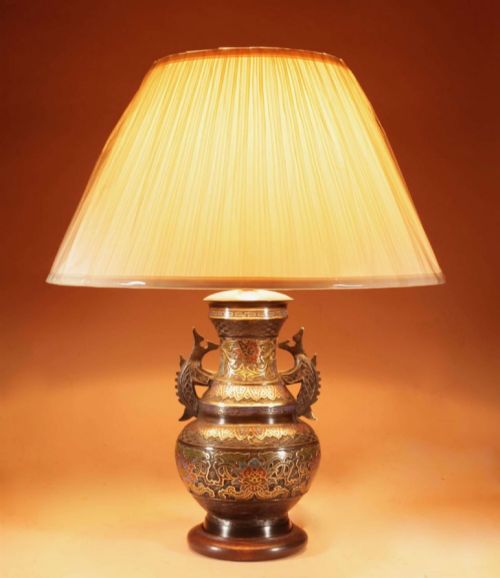
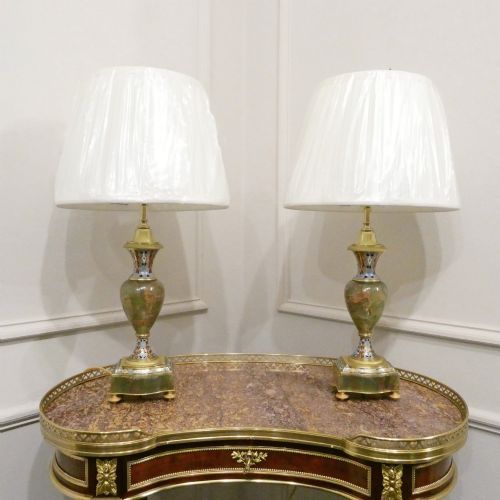
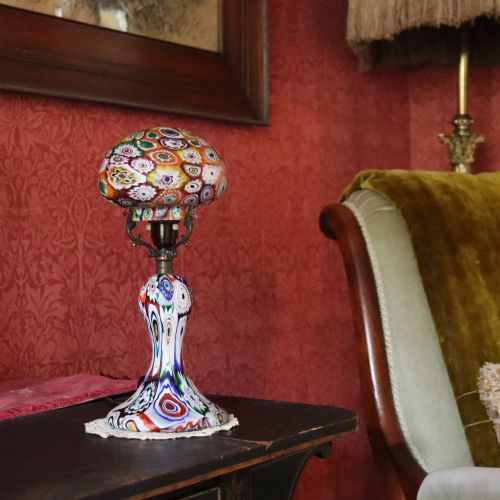
Decorative surfaces display techniques including hand-painting, lacquer work, champlevé enamelling, and pate-sur-pate porcelain application. Glass components feature cut crystal, millefiori work, and moulded amber shades paired with fabric covers.
The material selection spans cast brass, marble, and hand-painted porcelain across Victorian and Art Deco forms.
What varies in quality
The standard of a piece rests heavily on the crispness of its casting and the execution of its surface decoration. Finely chased bronze and sharp brass mouldings separate superior metalwork from simpler commercial production.
Integrity of materials dictates the standing of wooden furniture and ceramic bodies. Solid timber construction, intact hand-applied lacquer, and well-preserved porcelain glazes define the upper tier of the range.
Fratelli Toso·E Rousseau
The Vintage Bedside Lighting Glossary
- Champleve
- An enamelling technique where troughs are dug into a metal surface and filled with vitreous enamel before firing. This method creates colourful patterned designs on brass and bronze lamp bases.
- Corinthian column
- A classical architectural order featuring an ornate capital decorated with acanthus leaves. It appears frequently on tall brass and silver-plated desk or table lamps from the nineteenth and early twentieth centuries.
- Pate sur pate
- A ceramic decorating method where successive layers of liquid white porcelain slip are built up on a coloured clay body to create a low relief cameo effect. French Neoclassical lamps often display this intricate porcelain technique.
- Millefiori
- A glasswork technique producing distinctive patterned mosaics using multicoloured glass canes fused together. Italian glass lamps from the 1930s frequently showcase this intricate method.
- Meiji Period
- The era in Japanese history spanning from 1868 to 1912, noted for highly detailed bronze work and carved decorative objects. Items from this period are frequently converted into distinctive lamp bases.
Vintage Bedside Lighting: Frequently Asked Questions
How do I identify a 1920s lamp?
Pieces from the 1920s often display Art Deco geometry, lacquered Chinoiserie finishes, or figural bronze styling. These characteristics reflect the design shifts occurring after the First World War.
Examine the wiring methods, switch types, and base construction for period manufacturing techniques. Makers during this decade embraced both sleek modernity and exotic revival styles.
Were these lamps originally electric?
Many older metal examples started life as oil lamps or candlesticks before receiving later conversions for electricity. Standard brass and silver-plated columns frequently began as lighting fuel fixtures.
Conversion dates vary widely, though professional rewiring ensures modern safety standards. The physical weight and mounting fittings usually reveal whether a piece began as a candle holder.
How do I match a lamp to a bedside cabinet?
Pairing a lamp with small furniture involves balancing proportions between the height of the base and the surface area of the table. Tall Corinthian columns require sturdy wooden surfaces like oak or ash cabinets to maintain visual stability.
Consider the period style of both pieces to create a cohesive aesthetic. Mixing Edwardian woodwork with 1930s glass creates a layered interior look.
What is a converted vase lamp?
A converted vase lamp is a decorative ceramic or porcelain vessel adapted to hold electrical fittings and a shade. Items such as Rose Medallion vases or Japanese brush pots serve as the main body of the lamp.
These conversions preserve antique porcelain while giving the object a functional domestic purpose. The original vessel remains largely intact despite the internal wiring channel.