
Vintage Bedroom Press Cupboard
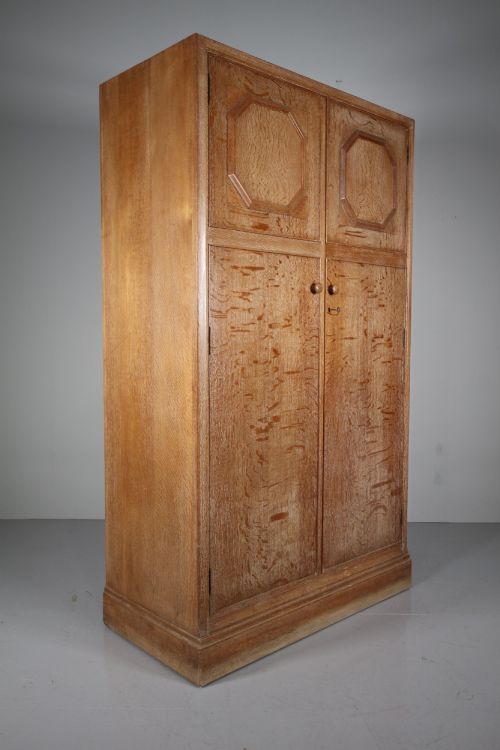
A vintage bedroom press cupboard brings substantial period storage into a room, combining hanging space and deep drawers in mahogany, oak or walnut.
Vintage Bedroom Press Cupboard
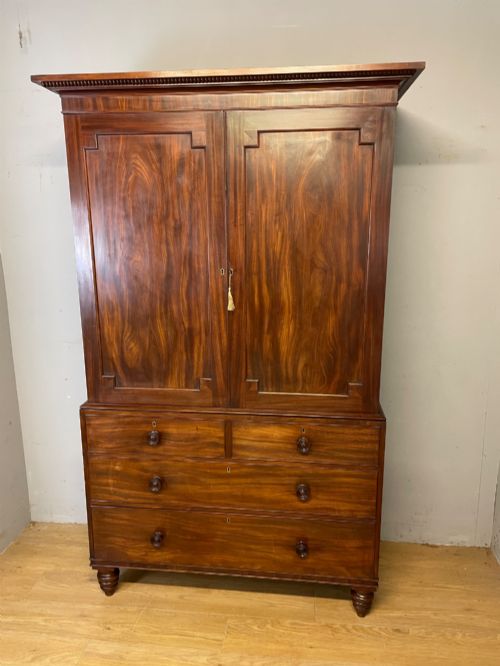
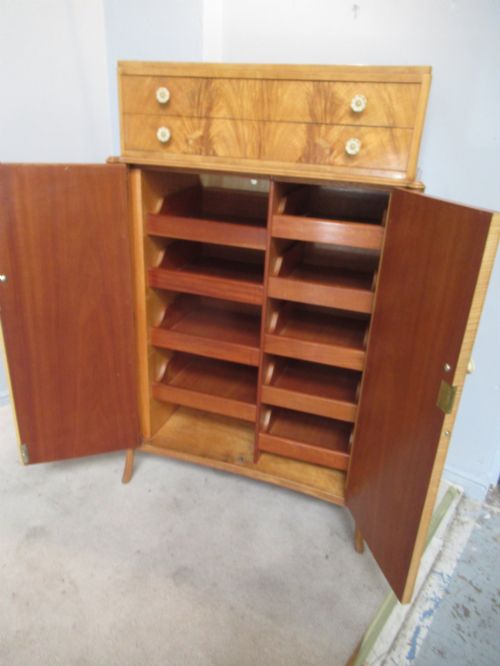
When searching for a vintage bedroom press cupboard, you encounter substantial storage furniture spanning the Georgian, Victorian, Edwardian and Art Deco periods. These pieces bridge the gap between freestanding wardrobes and dedicated linen presses, often incorporating interior sliding trays or hanging sections beneath or beside banks of drawers.
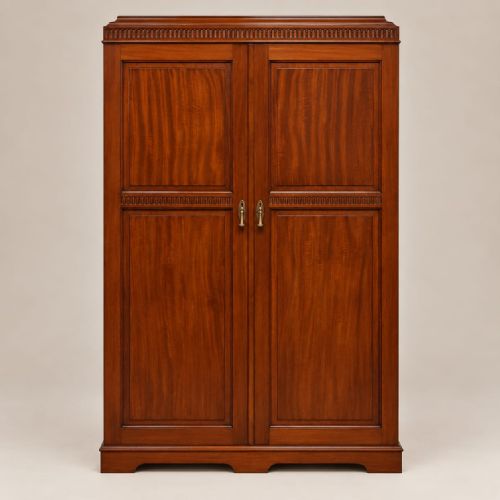
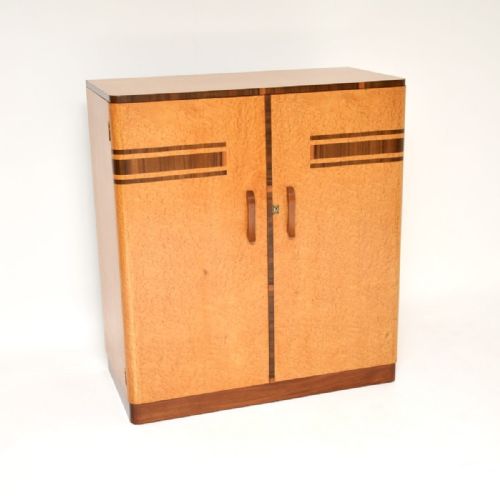
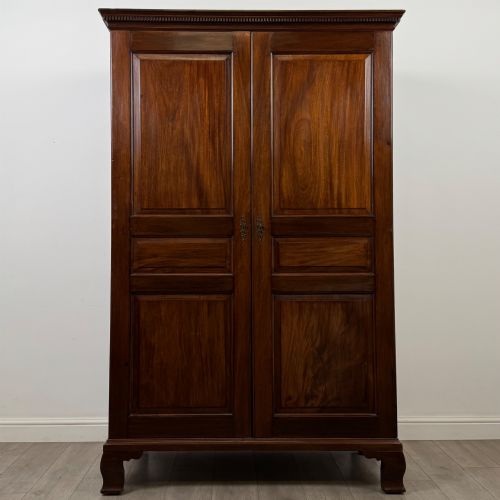
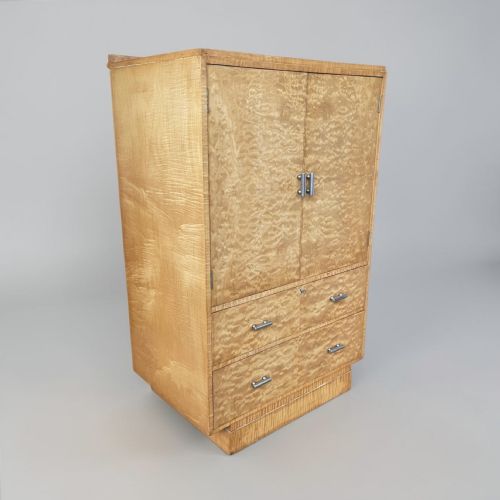
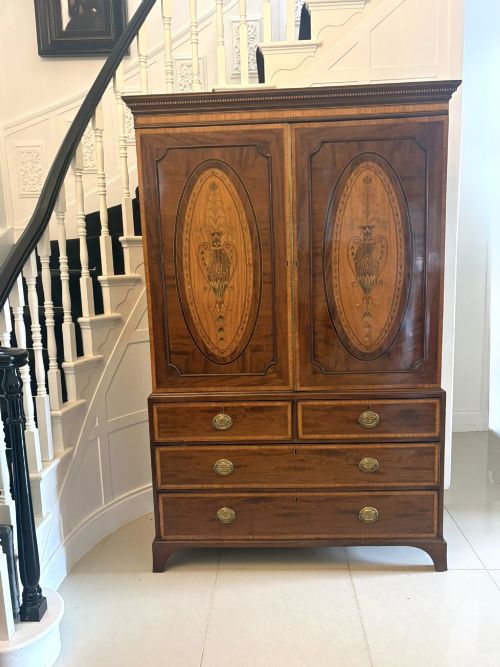
The most common formats on this page include tallboys, compactums and traditional linen presses constructed from timbers such as mahogany, oak and pine. Many examples display the formal symmetry of the Georgian era or the lighter inlaid satinwood and mahogany styling favoured during the Edwardian years.
Makers ranging from large London outfitters to regional workshops produced these cabinets to serve as the primary wardrobe and linen store in period bedrooms. Their varied configurations reflect changing domestic needs for garment storage across the nineteenth and twentieth centuries.
Materials and Construction Methods
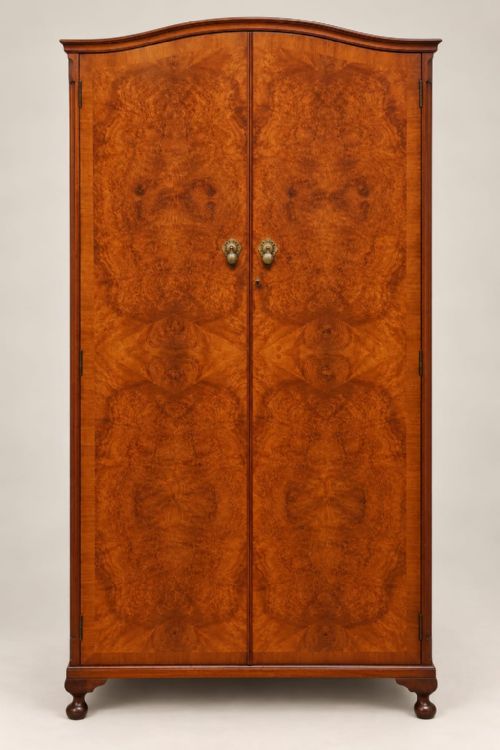
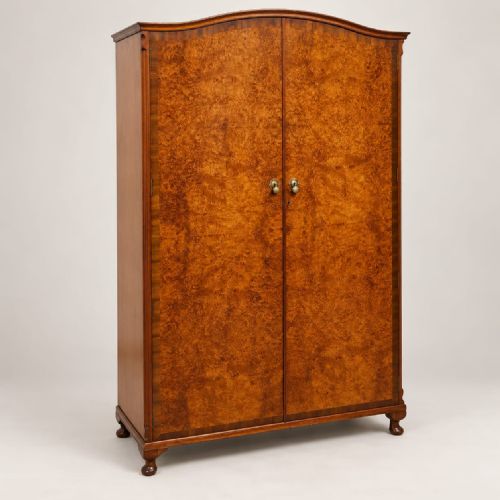
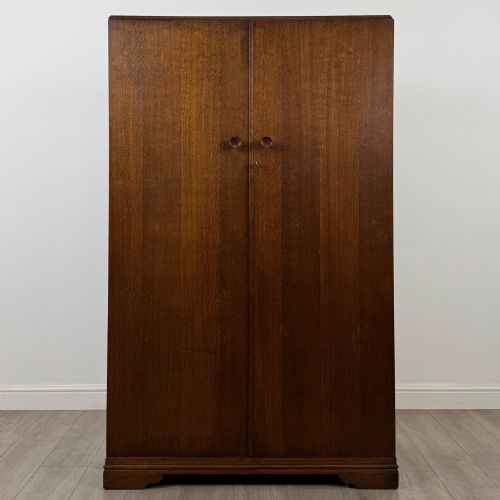
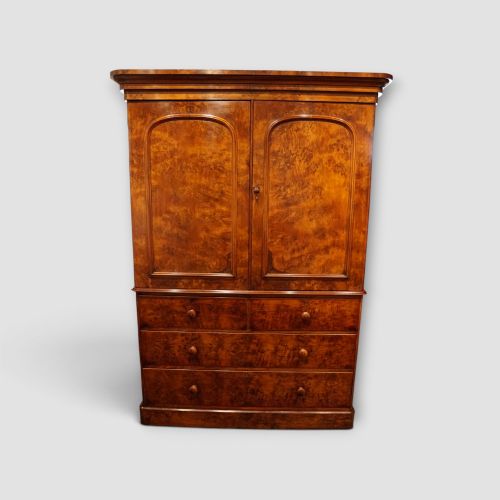
Makers built these pieces using solid timbers like oak, pine and mahogany, often applying decorative veneers of burr walnut, flame mahogany or satin birch to visible surfaces. Structural integrity relied on traditional joinery, whilst secondary woods such as deal formed the internal drawer linings and carcass backs.
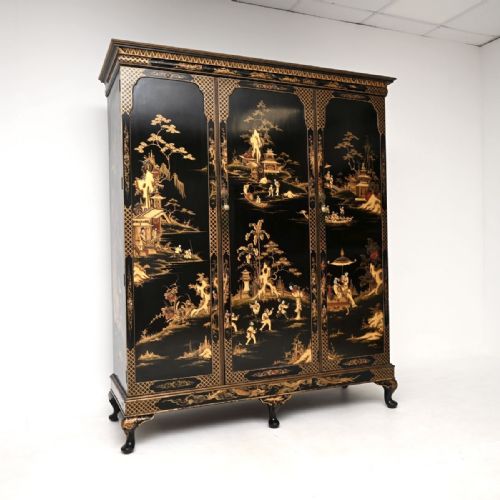
Surface treatments range from waxed and polished natural grains to painted finishes, including scumble faux oak paintwork and delicate hand-painted motifs on satinwood. Brass hardware, mirrored glass doors and iron fittings complete the construction of these large bedroom cabinets.
One cheerful nineteenth-century pine wardrobe wears bright blue paint alongside its original scumble finish.
Distinguishing Quality in Period Storage
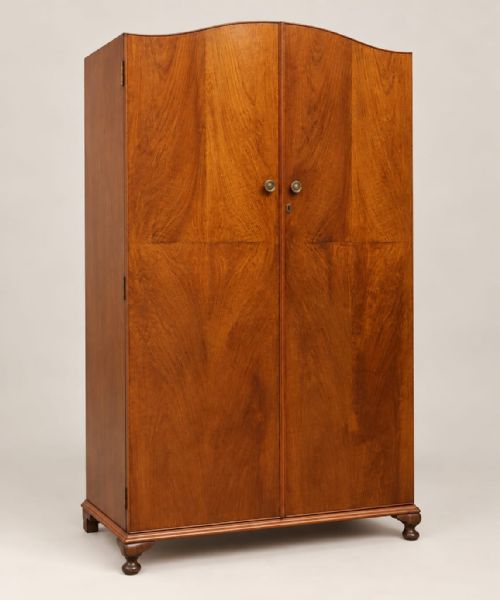
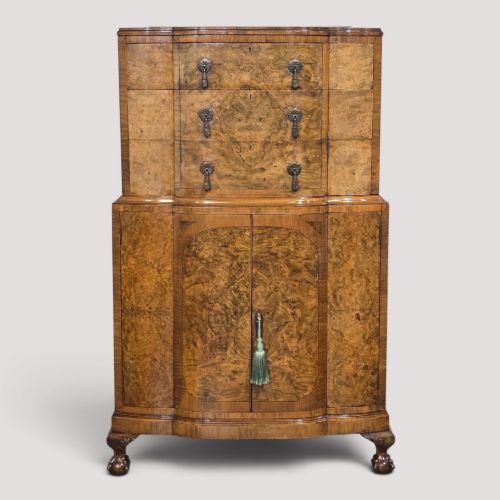
The distinction between standard utility pieces and finer examples lies in the selection of timber veneers, such as heavily figured flame mahogany or burr walnut, matched symmetrically across large double doors. Superior cabinets display meticulous hand-cut dovetailing in the drawer construction and refined architectural details like blind fretwork cornices.
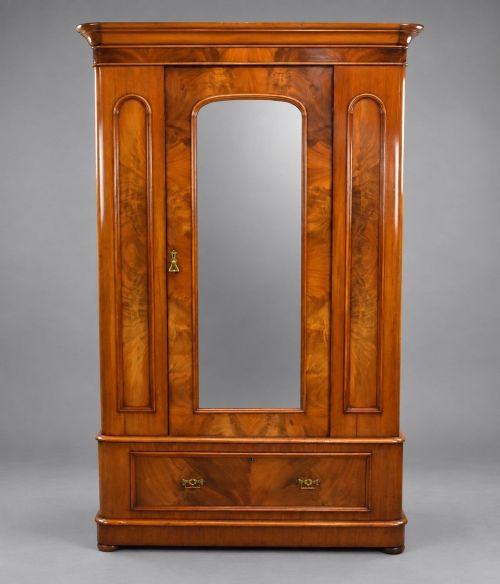
Subtleties of proportion and integrated design separate robust workshop production from grander commissions. The integration of original bevelled mirror glass, heavy brass drop handles and well-executed satinwood inlay indicates a higher tier of period cabinet making.
maples & co·Harris Lebus·Druce & Co.
The Vintage Bedroom Press Cupboard Glossary
- Compactum
- A multi-functional wardrobe featuring a combination of hanging space, shelves and internal drawers within a single carcass. This space-saving design became particularly popular during the Edwardian and Art Deco periods.
- Linen Press
- A tall storage piece traditionally used for storing folded textiles, featuring upper sliding trays or shelves enclosed by doors, positioned above a base of graduated drawers. Georgian and Victorian examples often utilised flame mahogany for these main facades.
- Tallboy
- A tall chest of drawers standing upon another chest or a low base, creating substantial vertical storage capacity. They frequently appear in oak or walnut from the eighteenth and early twentieth centuries.
- Scumble
- A decorative paint technique applied to mimic the natural grain of more expensive timbers like oak. It appears on nineteenth-century pine furniture to give a richer finish.
- Blind Fretwork
- Carved geometric or interlaced ornamentation applied to a flat surface without being pierced right through. This ornamental detail frequently adorns the cornices of Georgian linen presses.
Vintage Bedroom Press Cupboard: Frequently Asked Questions
How do I date a vintage bedroom press cupboard?
Dating relies on observing the timber choices, construction techniques and stylistic motifs present in the piece. Georgian and Regency examples typically feature solid mahogany and hand-cut dovetails, whilst Edwardian and Art Deco pieces often incorporate mirrored doors, lighter satin birch or machine-made elements.
Hardware and cornice details also offer strong chronological clues. Hand-beaten brass handles point to earlier centuries, whereas stamped brass or wooden knobs are more characteristic of later Victorian and twentieth-century production.
What is the difference between a wardrobe and a press cupboard?
A traditional wardrobe is designed primarily for hanging garments vertically on rails or hooks within full-length doors. A press cupboard specifically integrates internal sliding trays or shelves alongside or above drawers, historically intended for folded linens and garments.
Many larger variations, such as compactums, successfully combine both functions into a single piece of furniture. This dual arrangement made them central storage items in period bedrooms.
Will a large antique press cupboard fit in a modern bedroom?
These cabinets are substantial pieces of furniture built to hold entire household wardrobes, meaning they require generous wall space and ceiling height. Buyers should carefully measure both the overall dimensions and the clearance needed for opening wide doors and pulling out deep base drawers.
Some larger nineteenth-century examples were constructed as knockdown wardrobes to facilitate transport and installation in smaller spaces. Checking whether a particular piece disassembles makes moving it between rooms significantly easier.
How should I care for mahogany and walnut surfaces?
Maintaining period timber involves applying quality beeswaxes periodically to nourish the wood and preserve the natural grain. Avoiding direct sunlight and sudden temperature shifts prevents the dry veneers from lifting or cracking over time.
Gentle dusting with a soft cloth keeps the polished finish intact without abrasive cleaners. For painted or scumble-decorated surfaces, minimal moisture is essential to protect the historic paint layers.