





Vintage Bathroom Vanity
These vintage bathroom vanity pieces bring period character to modern spaces, offering sturdy timber washstands and brass fittings built to last.
Vintage Bathroom Vanity
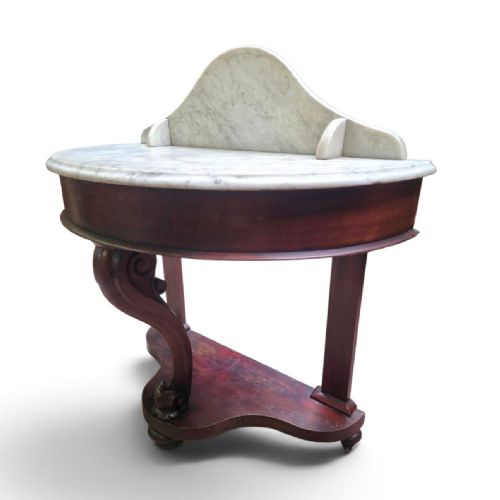
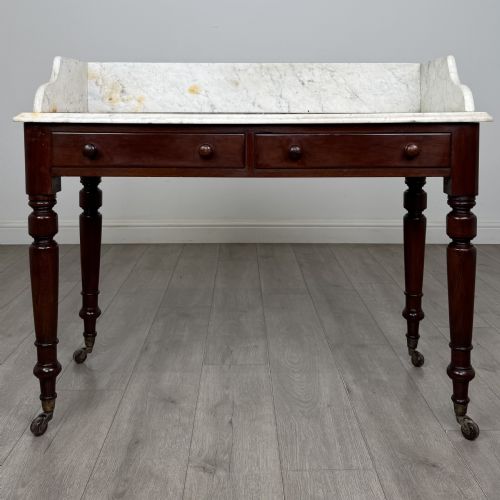
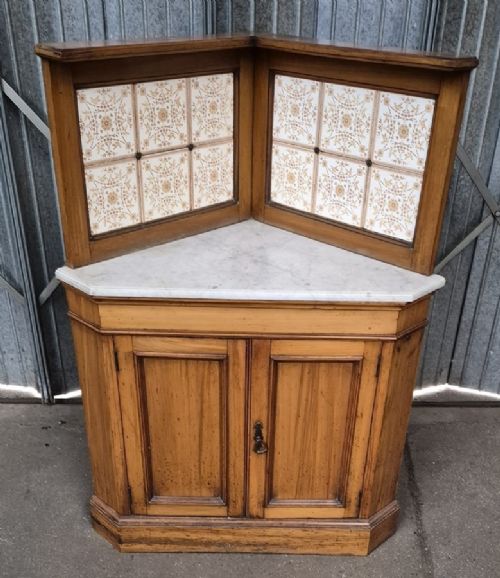
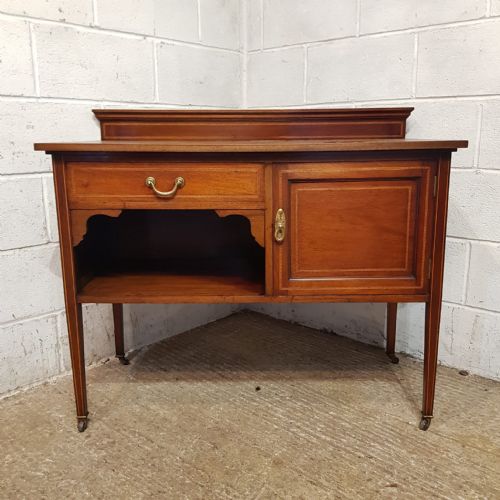
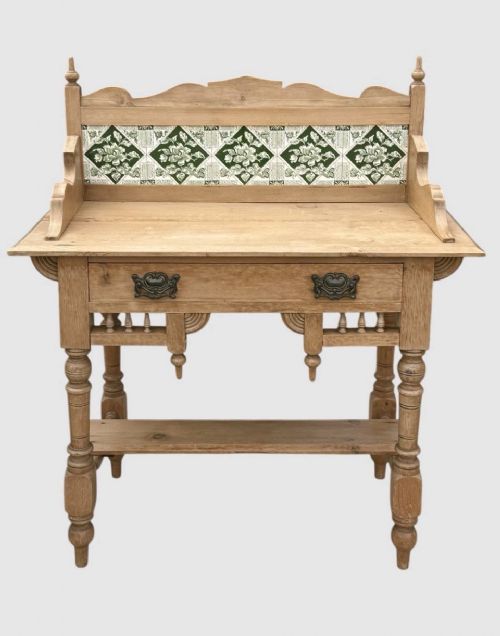
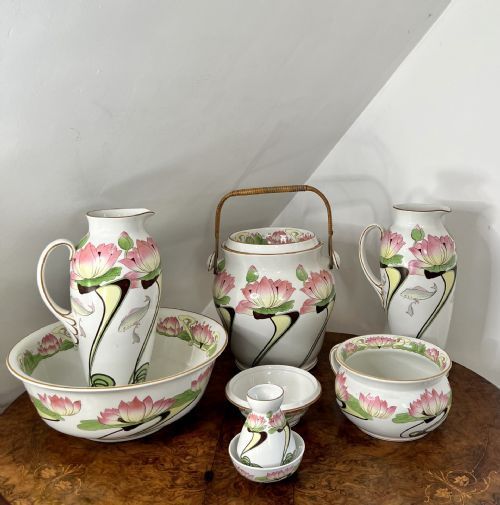
When you search for a vintage bathroom vanity, you find a selection of nineteenth and early twentieth century washstands, wall mirrors, and ceramic wash sets. These functional items originally served bedrooms before indoor plumbing became standard, offering basins, marble surfaces, and storage.
The versions most commonly met on this page date from the Victorian and Edwardian eras, alongside pieces from the 1920s featuring Art Deco design or chromed bathroom vanity mirrors. Timber frames in mahogany, walnut, pine, and satinwood predominate, frequently topped with white or veined marble.
Makers such as Walker & Sons, mark Jones & Sons, and Gillows appear among the listings, alongside English painted designs, Arts and Crafts cabinets, and 19th Century Continental examples. Buyers utilise these historic furnishings today to anchor a period bathroom scheme with genuine antique utility.
How they were made
Makers utilised solid timbers including mahogany, walnut, oak, and pine to construct the main frames of these washstands and cabinets. Joinery methods relied on traditional cabinetmaking techniques to support heavy stone elements without losing structural stability.
Slabs of polished marble fitted directly onto the timber frames to provide a water-resistant surface for washing operations. Brass, copper, and chromed fittings, together with ceramic bowls and glass components, completed the fixtures.
Decorative touches included satinwood inlay, carved woodwork, and painted finishes. Wall mirrors incorporated brass or copper mounting brackets designed for adjustable positioning.
Vintage Bathroom Vanity Retail Price Guide 2026
Typical asking prices for vintage bathroom vanity among the pieces listed under this phrase on Sellingantiques today, from the lower quarter to the upper quarter. They describe what is for sale here now, not the wider market.
Object types span washstands, wall mirrors, wash sets, washstand sets, and wash basin sets.
What varies in quality
The selection of materials largely determines the tier of a piece, from simple rustic pine units to sophisticated walnut and mahogany examples bearing maker signatures. Inlaid satinwood and finely carved detailing indicate workshops operating at a higher level of craftsmanship.
The integrity and thickness of the marble top significantly influence the overall grade of a washstand. Intact stone surfaces paired with original brass fittings and matching ceramic components represent superior survival from the period.
Walker & Sons·mark Jones & Sons·Gillows
The Vintage Bathroom Vanity Glossary
- Washstand
- A freestanding piece of furniture designed to hold a basin, jug, and washing accessories before the advent of plumbed bathrooms. They typically feature timber frames and stone tops.
- Marble top
- A polished stone slab fitted to the upper surface of a washstand to resist water and provide a durable counter. These range from plain white to heavily veined varieties.
- Satinwood inlaid
- Timber decorated with contrasting botanical wood veneers set flush into the surface. This technique appears on finer Victorian and Edwardian bedroom furniture.
- Art Deco
- A design style emerging around 1920 characterised by geometric forms and streamlined metal elements. Pieces from this period often incorporate chromed fittings.
- Arts and Crafts
- A movement prioritising traditional craftsmanship and visible construction methods over mass production. Cabinets from this school emphasise honest materials and sturdy utility.
Vintage Bathroom Vanity: Frequently Asked Questions
Can I use an antique washstand as a modern sink vanity?
Many buyers adapt these timber frames to hold modern undermount basins and plumbing traps. The sturdy construction of nineteenth century washstands supports modification when handled carefully.
Marble tops require professional cutting to accommodate modern sink wastes without cracking the stone.
How do I clean marble top washstands?
Use warm water and mild, pH-neutral soap to wipe down the stone surface regularly. Avoid acidic cleaners like vinegar or lemon juice, which etch polished marble.
Dry the surface thoroughly with a soft cloth to prevent water spotting and mineral accumulation.
What is the difference between Victorian and Edwardian washstands?
Victorian pieces tend to feature heavier dark timbers, robust proportions, and ornate carving. Walnut and mahogany dominate this earlier phase of production.
Edwardian designs often appear lighter in scale, utilising satinwood inlay, brighter mahogany, and simpler lines influenced by changing domestic fashions.
Are these pieces water resistant?
The original marble tops and glazed ceramic wash sets handled splashing during daily use. However, the surrounding timber frames require protection from standing water.
Promptly wiping away moisture preserves the historic polish on mahogany, walnut, and pine surfaces.