



Continental Vanity
These continental antique vanity pieces bring grace to a dressing room through period craftsmanship in walnut, porcelain, and silver.
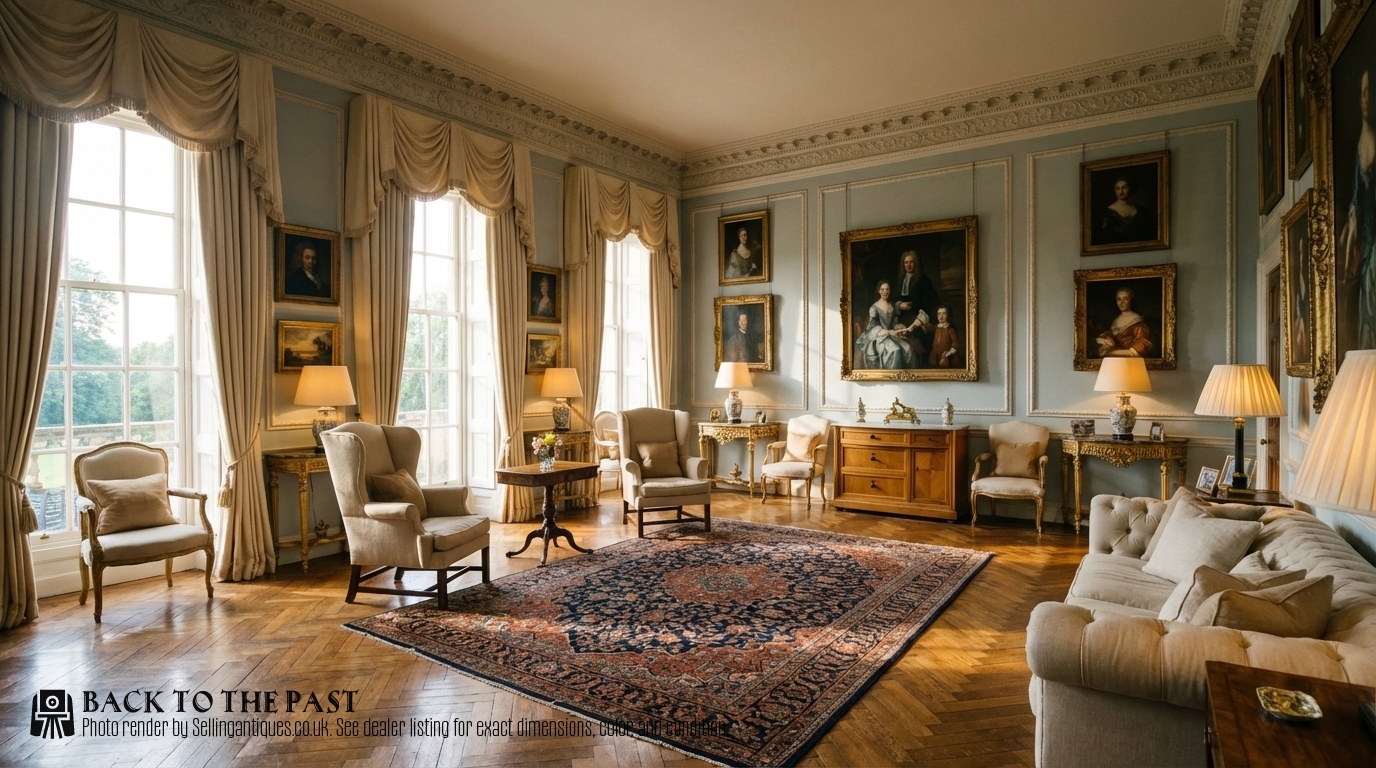
Continental Vanity
A continental antique vanity selection gathers dressing table mirrors, porcelain easel frames, perfume bottles, and folding screens spanning the eighteenth to the twentieth centuries. Buyers search for these items to furnish dressing rooms with period charm, finding both Rococo revival designs and clean Art Deco lines.
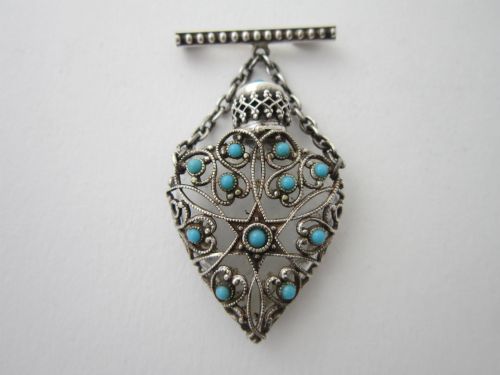
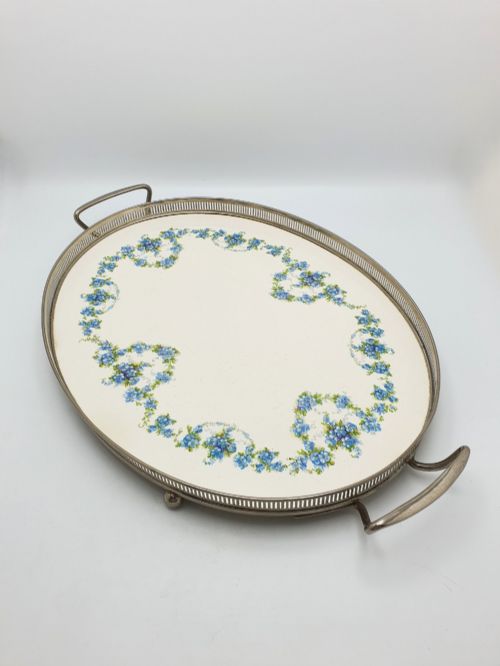
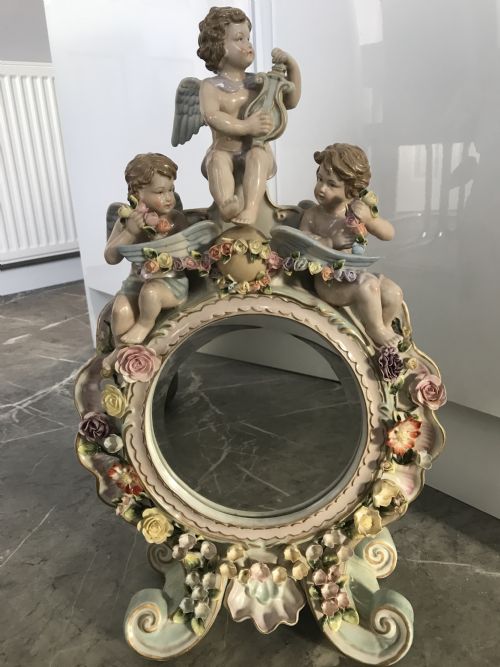
The most common forms on this page include porcelain dressing table mirrors adorned with flowers and cherubs, alongside serving trays and silver-mounted glass perfume bottles. Walnut dressing tables and Biedermeier consoles with mirrors also appear, reflecting broader European craftsmanship from the 1750s to the 1930s.
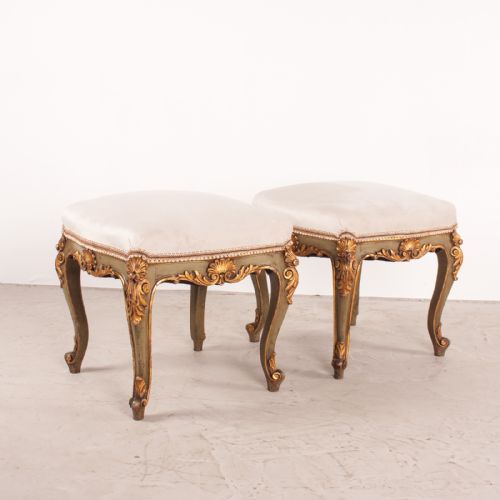
Italian, German, and wider continental workshops shaped these vanity items across various eras, ranging from mid-eighteenth-century walnut side chairs to 1920s decorative trays. Each piece serves a specific grooming or decorative function within the bedroom or boudoir.
Materials and construction methods
Craftsmen shaped these vanity items using solid walnut and giltwood, applying gold leaf to carved wooden frames for dressing screens and mirrors. Glass and mirror glass provide reflective surfaces, often paired with cut crystal on hinged trinket boxes and perfume bottles.
Continental Vanity Retail Price Guide 2026
Typical asking prices for continental vanity among the pieces listed under this phrase on Sellingantiques today, from the lower quarter to the upper quarter. They describe what is for sale here now, not the wider market.
Cherubs peer from porcelain frames to watch over centuries of morning routines.
Distinctions in craftsmanship and finish
Quality rests upon the crispness of the carving in walnut or giltwood frames and the delicacy of hand-painted porcelain flowers. Superior examples display refined metalwork mounts and intact silver hallmarks, whereas lesser items show coarser moulding and worn gilding.
The integrity of the original mirror glass and the precision of the joinery on tables and chairs define the upper tier of these pieces. Artistry in the painted decoration of porcelain elements further separates standard items from exceptional ones.
Posen of Frankfurt and Berlin
The Continental Vanity Glossary
- Giltwood
- Wood that has been coated with gold leaf or gold paint. This technique highlights carved details on mirrors and folding screens.
- Biedermeier
- A Central European style dating to the nineteenth century focusing on utility and clean lines. It frequently employs domestic woods like walnut.
- Rococo Revival
- A nineteenth-century movement reviving eighteenth-century asymmetrical scrollwork and natural motifs. It appears often on mirrors and seating.
- Easels
- Portable display frames supported by a rear leg. They are common on continental porcelain dressing table mirrors.
- Trinket box
- A small lidded container used for holding jewellery and small personal items. Many examples feature hinged silver mounts and cut glass.
Continental Vanity: Frequently Asked Questions
How do I date a porcelain vanity mirror?
Dating porcelain vanity mirrors involves examining the modelling style, floral ornamentation, and factory marks where present. Pieces range from mid-nineteenth-century Rococo revival forms to 1920s floral creations.
Easel backs and heavy porcelain construction became particularly popular during the late Victorian era.
Where were these vanity items made?
The pieces originate from various continental European workshops, including factories in Germany and Italy. Regional preferences shaped the materials, from Italian walnut seating to German silver and glass perfume bottles.
Each region brought distinct stylistic traditions to dressing room furnishings over the centuries.
How do I care for antique vanity mirrors?
Antique vanity mirrors require gentle cleaning with dry cloths to preserve giltwood, painted surfaces, and delicate porcelain flowers. Moisture should be kept away from the silvered backing of antique mirror glass.
Placing items away from direct sunlight protects painted details and fabric elements from fading over time.