

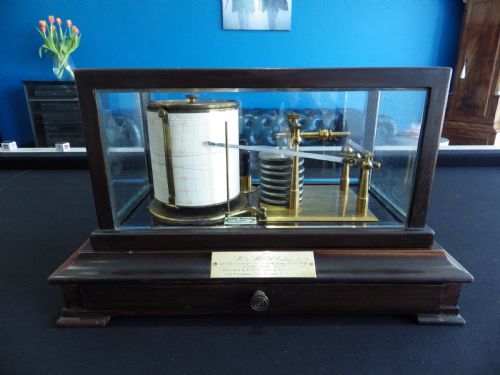


Vintage Barometer Case
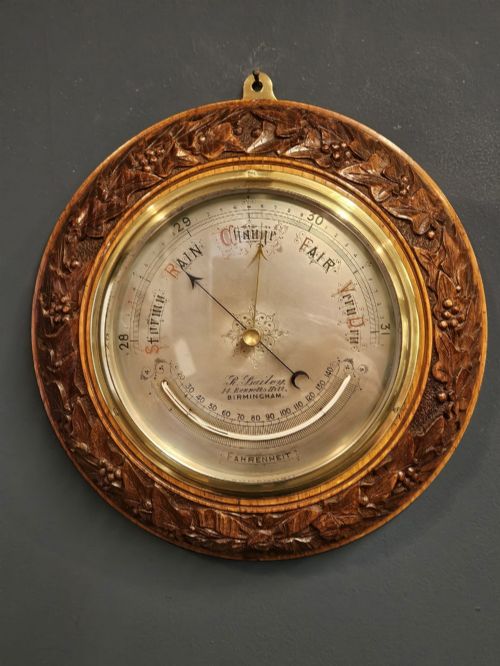
A vintage barometer case houses sensitive weather-recording instruments in polished wood and brass, bringing functional nineteenth and twentieth-century meteorology into the domestic interior.
Vintage Barometer Case
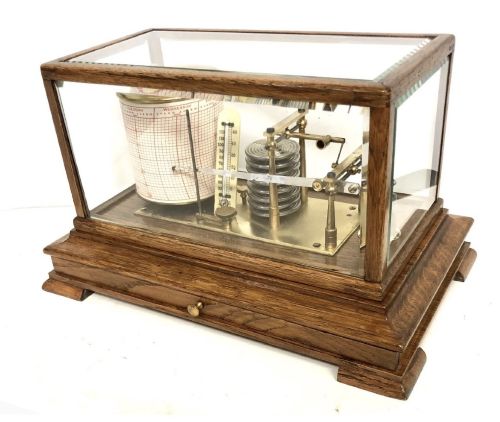
A vintage barometer case protects and displays meteorological instruments designed to measure atmospheric pressure over time. When searching for a vintage barometer case, buyers encounter housing built to hold barographs, aneroid barometers, and stick barometers.
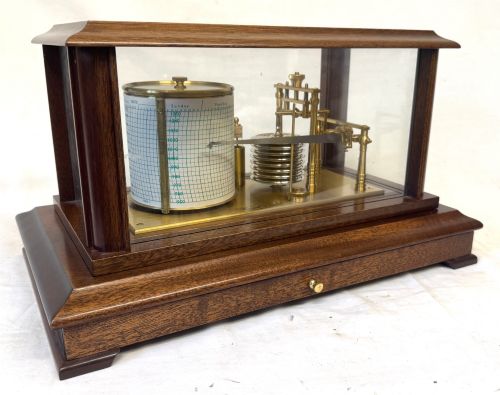
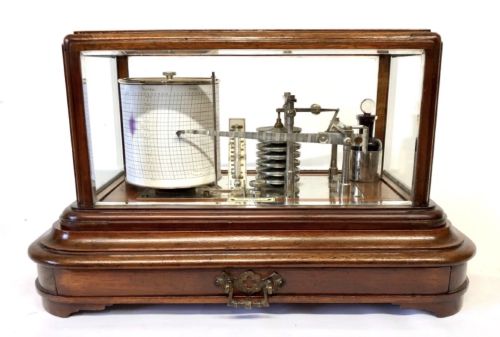
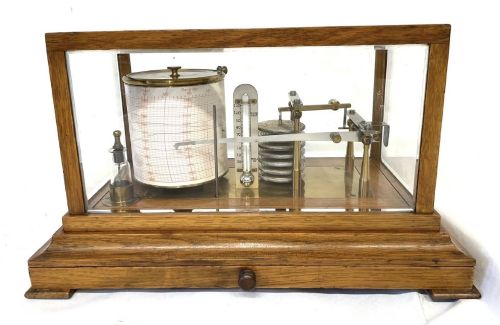
The selections span the Victorian, Edwardian, and interwar periods, with robust oak and mahogany housings dominating the available forms. Many examples incorporate bevelled glass panels and dedicated chart drawers beneath the recording drum.
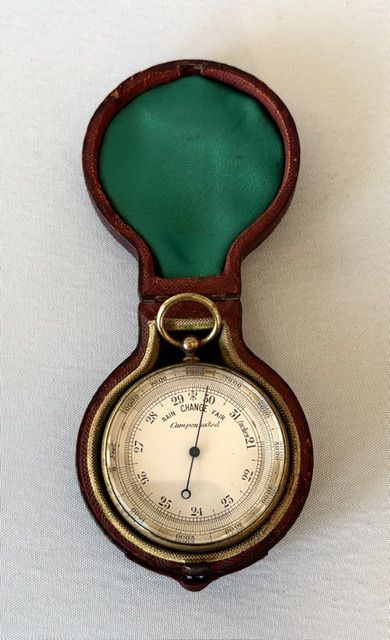
Makers such as Short & Mason and Negretti & Zambra produced precision scientific apparatus housed in substantial timber cabinets. These items range from portable pocket altimeters in small brass housings to large five-glass display pieces intended for library or hall placement.
Materials and Construction
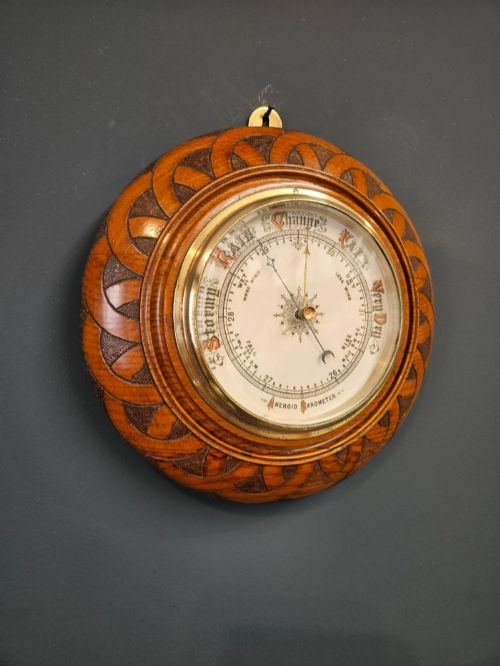
Makers utilised dense hardwoods including oak, mahogany, and walnut to construct the primary cabinet framework. These timbers were selected for stability and turned, joined, or geometric designs were applied to the exterior surfaces.
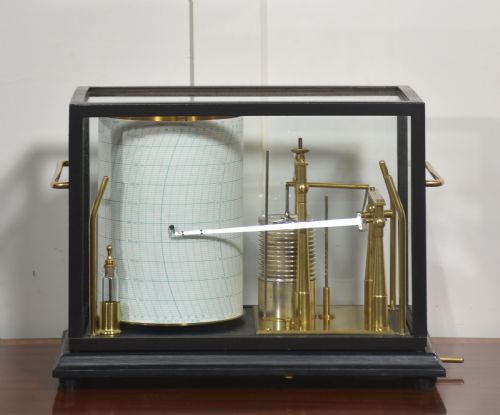
Transparent enclosures rely on thick glass panels, frequently bevelled along the edges, fitted into wooden or brass frames to allow uninterrupted observation of the recording mechanism. Brass components secure the internal clockwork drums and lever arms.
Paper charts printed with grid lines receive ink markings from styli connected to aneroid bellows. Leather and paper elements occasionally appear in portable pocket cases and original documentation.
Vintage Barometer Case Retail Price Guide 2026
Typical asking prices for vintage barometer case among the pieces listed under this phrase on Sellingantiques today, from the lower quarter to the upper quarter. They describe what is for sale here now, not the wider market.
Listings feature brass, glass, mahogany, oak, steel, paper, leather, and walnut across Victorian, Edwardian, and 1930s periods.
Distinctions in Quality
Signatures by respected makers elevate an instrument, as does the survival of original components such as chart drawers, ink bottles, and paper records. Cabinets showing careful timber selection and restrained inlay display superior craftsmanship compared to plain utility boxes.
Short And Mason·Negretti And Zambra·Alexander Wright·Jules Richard·R Fuess
The Vintage Barometer Case Glossary
- Barograph
- A self-recording aneroid barometer that plots atmospheric pressure onto a rotating paper chart over a weekly period. It employs stacked vacuum chambers to drive an inked arm.
- Aneroid barometer
- An instrument measuring atmospheric pressure without liquid, using expanding and contracting metal bellows. The movement rotates a pointer across a calibrated dial face.
- Stick barometer
- A tall vertical instrument containing a column of mercury balanced against atmospheric pressure. The timber case protects the glass tube and vernier scale.
- Bevelled glass
- Pane glass featuring an angled edge ground down to a thinner border. This technique catches the light and adds decorative depth to display cabinets.
- Chart drawer
- A shallow compartment built into the base of a barometer case to store spare recording papers and spare ink. It maintains the self-contained utility of the weather station.
Vintage Barometer Case: Frequently Asked Questions
How do I read a barograph?
A barograph traces a continuous line onto a rotating paper chart wrapped around a clockwork drum. Rising lines indicate improving weather, while falling traces warn of approaching storms.
Matching the inked trace to the current barometric pressure requires adjusting the instrument via a small calibration screw. The weekly chart provides a visual history of atmospheric trends rather than a single instantaneous reading.
Where were these instruments placed?
Larger five-glass cases stood on desks, library tables, or wall brackets in prominent rooms of large houses. Their decorative timber frames suited the formal interior design of Victorian and Edwardian reception spaces.
Smaller pocket versions and travelling altimeters remained portable for surveyors and travellers. Shop displays served commercial environments to inform the public of prevailing weather conditions.
How do I date an oak barometer case?
Cabinet styles reflect the prevailing tastes of their period, moving from heavy Victorian geometric mouldings to lighter Edwardian frames and interwar simplicity. Wood selection and hardware construction styles offer reliable chronological clues.
Maker signatures and patent dates engraved on the brass bedplate or dial provide precise manufacture years. Original paper charts left inside the drawer occasionally record specific dates of early operation.
Are replacement charts easy to find?
Standard weekly charts match the rotating drum dimensions of common nineteenth and twentieth-century meteorological instruments. Collectors source blank replacement papers through specialist scientific instrument suppliers.
Storing spare charts in the built-in base drawer preserves the historical utility of the cabinet. Using correct imperial or metric grid layouts ensures accurate historical record keeping.