
Vintage Barley Twist Stand
A vintage barley twist stand brings sculptural turned timber and gleaming brass support into a room, serving as a sturdy perch for lamps, plants, or displays.
Vintage Barley Twist Stand
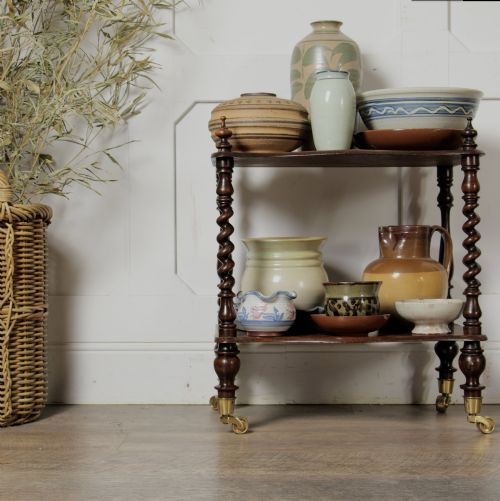
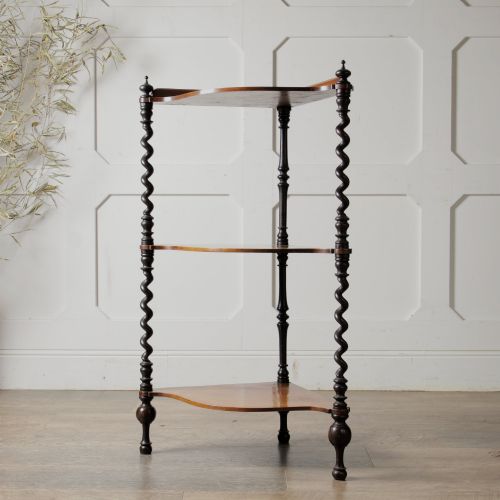
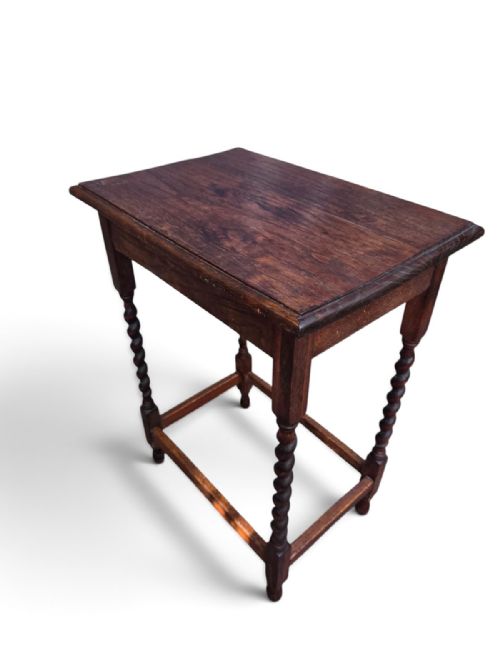
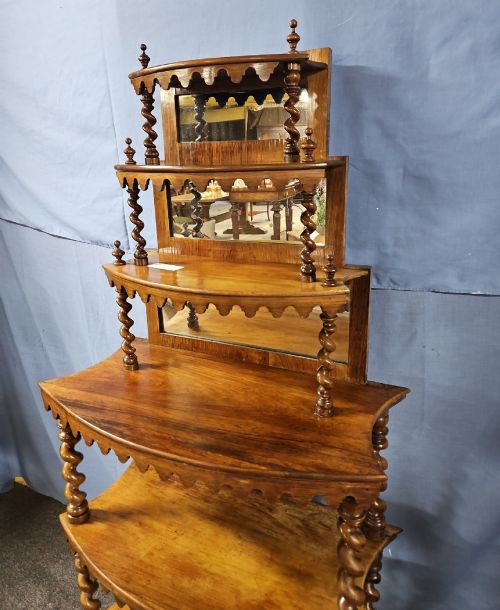
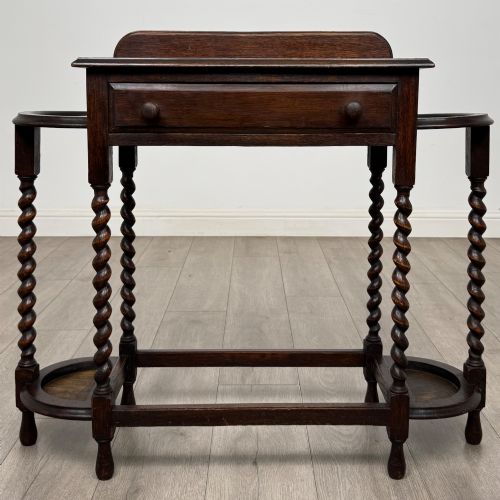
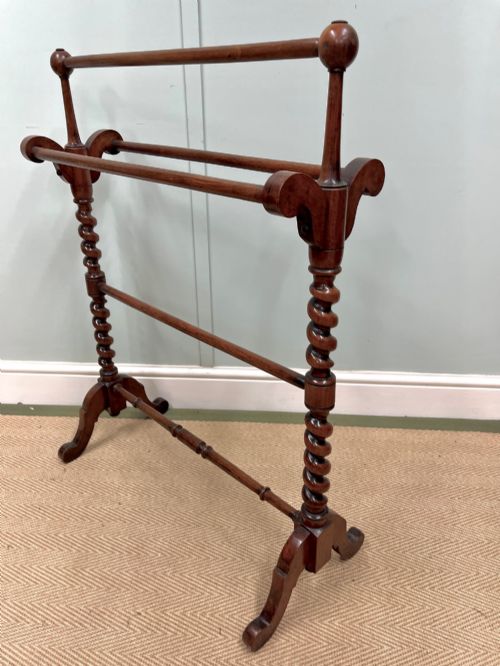
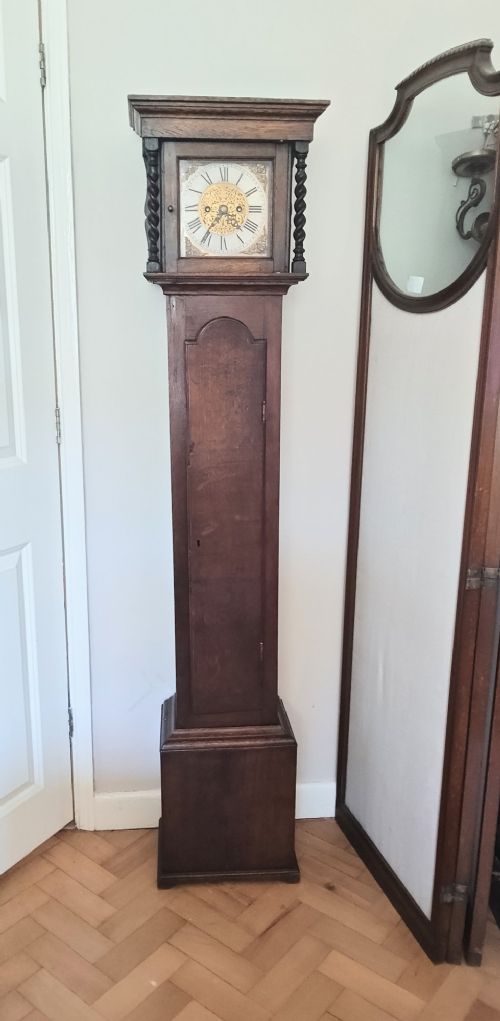
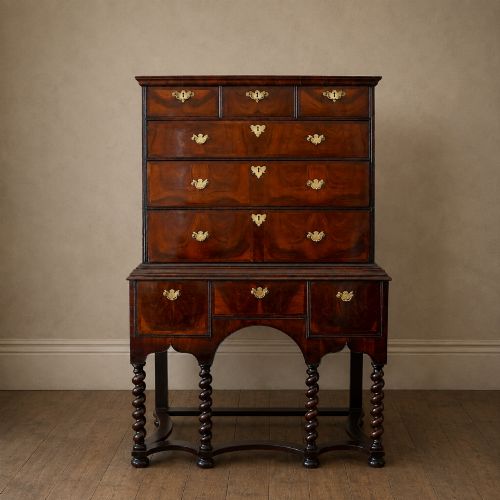
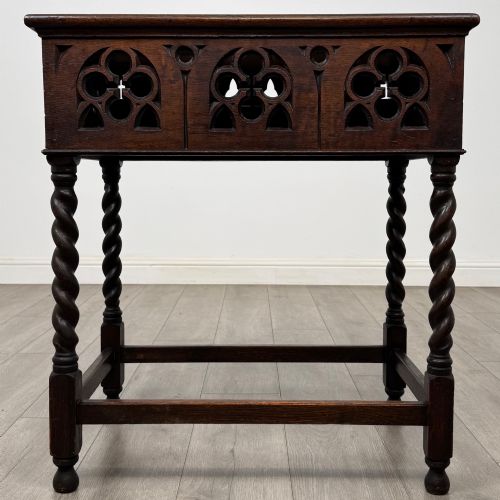
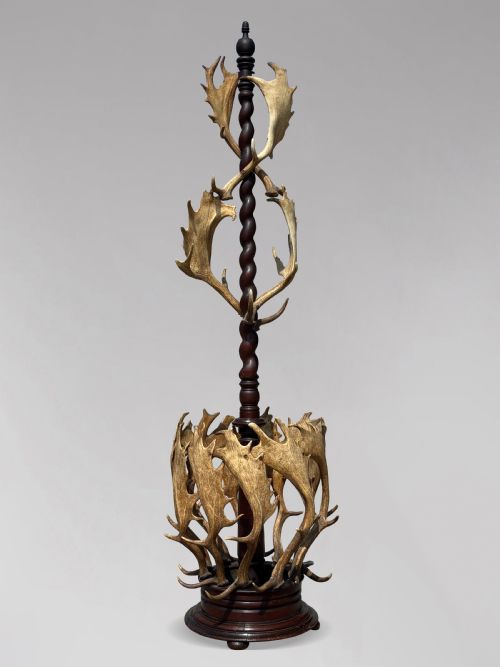
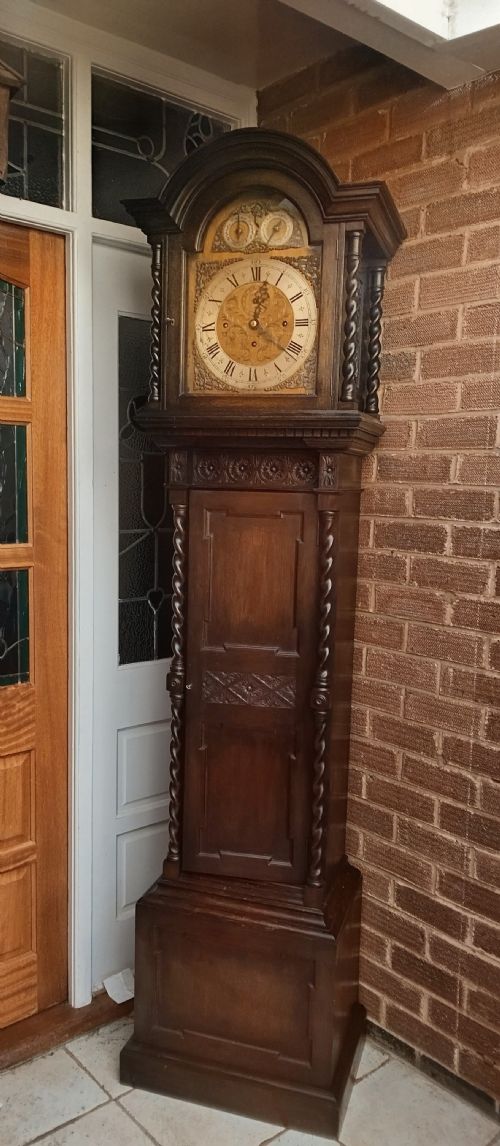
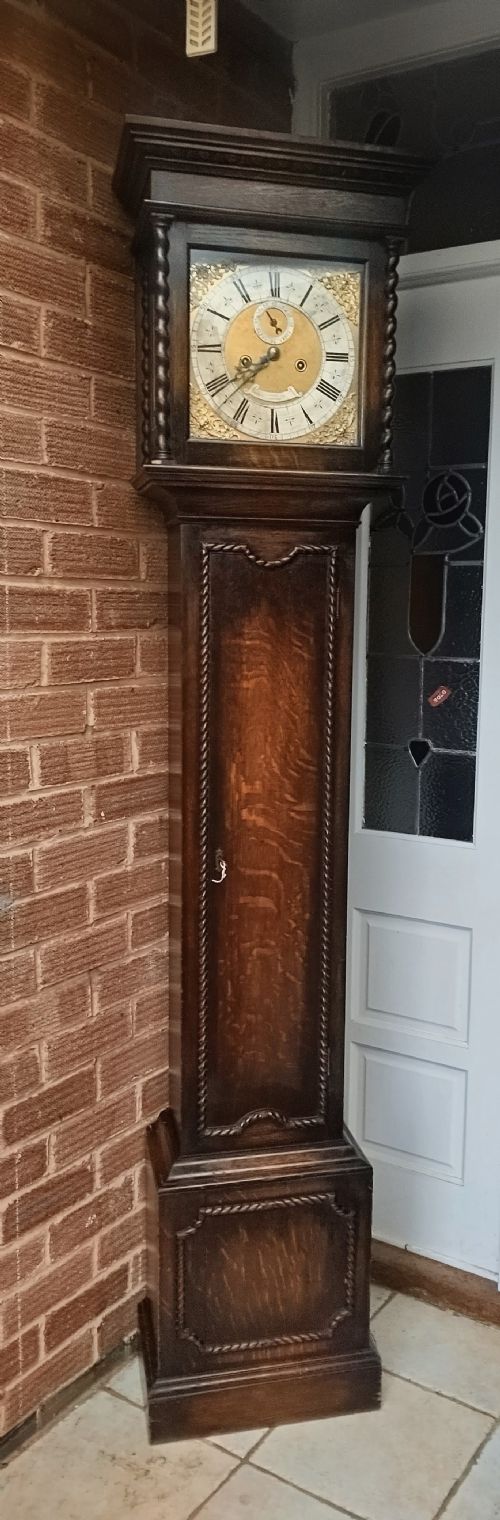
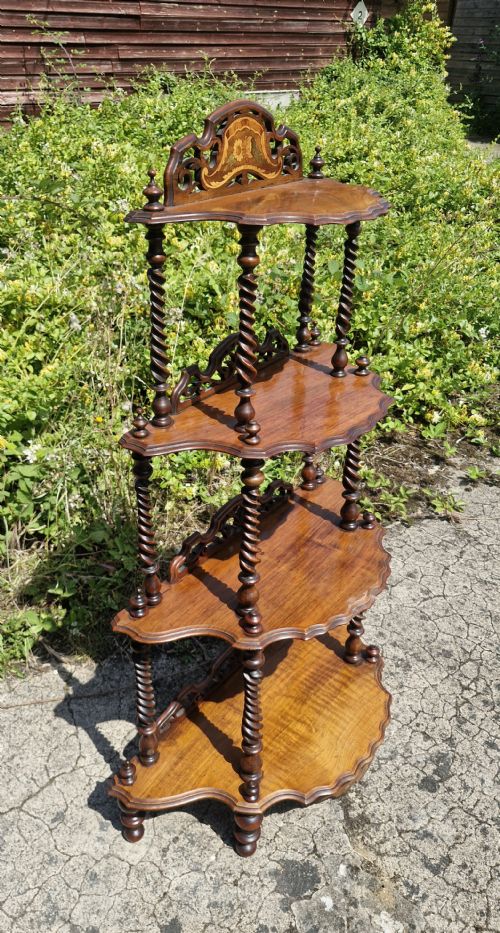
A vintage barley twist stand encompasses a range of domestic supports featuring helical turned columns, from small occasional tables and torchieres to floor lamps and display whatnots. These pieces draw on historical furniture idioms, appearing across the Victorian, Edwardian, and early twentieth-century periods.
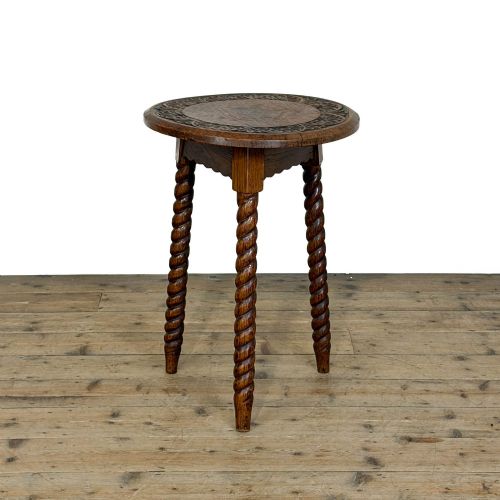
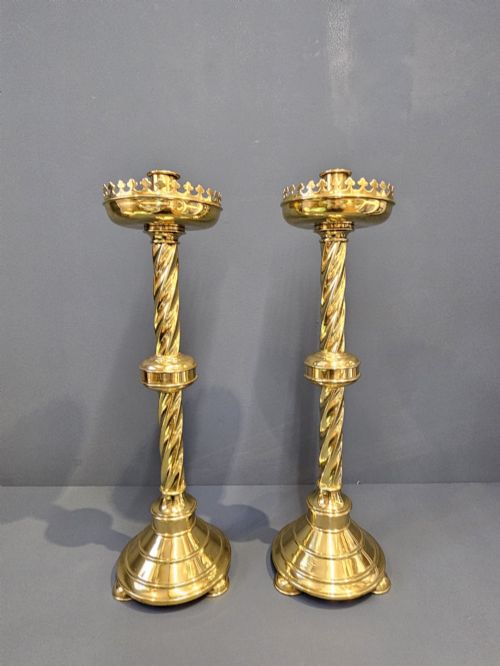
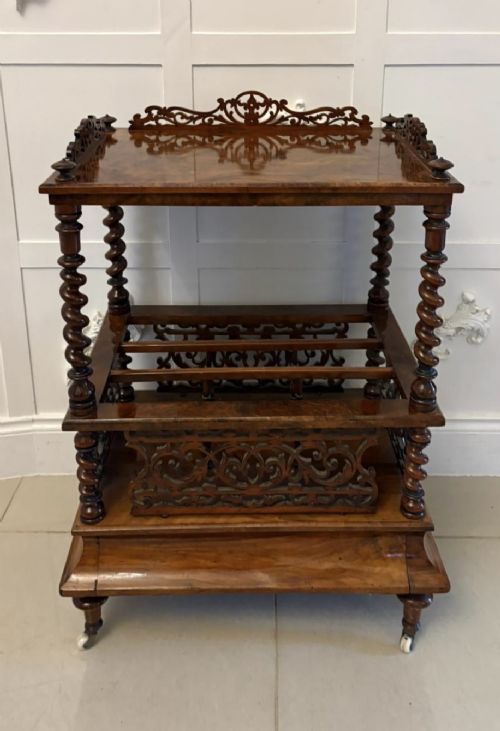
The most common formats met on this page include oak side tables, walnut display shelves, and brass candlesticks mounted on twisted shafts. Makers across the nineteenth and twentieth centuries adapted the spiral motif to suit practical household furnishings, combining decorative turned uprights with functional tops.
Materials and construction methods
Timbers such as oak, walnut, mahogany, and rosewood form the structural backbone of these items, shaped by hand or lathe to create the characteristic helical twist. Metal examples utilise brass or cast iron, cast and turned to achieve similar spiralling profiles.
Joinery techniques rely on traditional mortise and tenon connections, turned spindles fitted into sturdy bases, and careful polishing or waxing to finish the wood grain. Brass components often feature weighted bases or fitted fittings to ensure stability on uneven floors.
Some upright columns twist so enthusiastically they seem ready to unscrew themselves straight through the ceiling.
Assessing quality and craftsmanship
The definition of the spiral turning marks the primary distinction between standard production and superior execution, with sharper, deeply undercut grooves showing greater labour than shallow machine cuts. Timber selection also dictates grade, where figured burr walnut or dense quarter-sawn oak elevates the visual weight of the piece.
Proportion and structural rigidity separate better examples from lesser ones, particularly in tall supports like floor lamps or torchieres where base weight must balance the height of the shaft. Original surfaces, minimal timber shrinkage, and intact turned details preserve the integrity of the design.
The Vintage Barley Twist Stand Glossary
- Barley twist
- A helical turn carved or turned into wood or metal resembling the shape of a barley stalk. This motif gained popularity in seventeenth-century furniture and saw widespread revival during the Victorian and Edwardian eras.
- Torchiere
- A tall stand designed to hold a light source, candle, or decorative bust. These items typically feature slender central shafts supported by tripod or weighted circular bases.
- Whatnot
- A set of open shelves used for displaying ornaments, books, or small objects. Multiple tiers are held together by vertical supports, frequently incorporating turned corner pillars.
- Occasional table
- A small, movable table intended for flexible use around a sitting room. They appear in various heights and top shapes, often utilising tripod legs or twisted central pedestals.
Vintage Barley Twist Stand: Frequently Asked Questions
What is a barley twist stand used for?
These stands function primarily as display surfaces for lamps, plants, ceramics, or decorative items within domestic interiors. Their vertical presence draws the eye upward while occupying minimal floor space.
Taller versions serve as torchiere supports or floor lamps, whereas smaller table formats fit beside armchairs or against hallways walls for holding everyday objects.
How do I date a vintage stand?
Dating relies on examining the timber species, construction joints, turning crispness, and overall wear patterns. Victorian and Edwardian pieces frequently utilise dense oak or walnut with hand-finished surfaces.
Later twentieth-century examples often exhibit more uniform machine turning and modern adhesive residues beneath bases or joints, distinguishing them from nineteenth-century work.
Are these stands structurally stable?
Most stands are designed with broad tripod bases or weighted elements to prevent tipping during daily use. Heavier timbers like oak and mahogany provide natural gravity balance.
Tall floor lamps and torchiere columns require level placement on firm flooring to maintain balance, especially when supporting heavy lampshades or heavy ornaments.
Can I place a lamp on a small table?
Small occasional tables and side stands provide ample surface area for table lamps and reading lights. The sturdy construction of turned timber legs easily supports standard electrical fittings.
Wiring can be routed discreetly down the back of the twist column or kept tidy alongside the central shaft to preserve the aesthetic lines of the piece.