
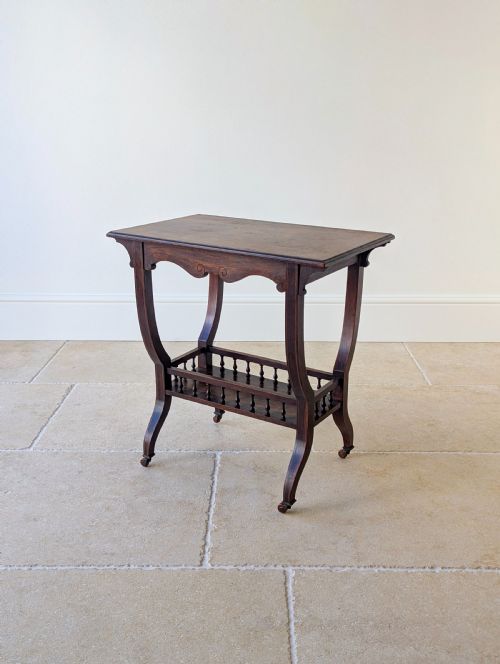


Dark Timber Lamp Table
A dark timber lamp table provides a sturdy surface beside seating, drawing on centuries of cabinet-making in mahogany, oak, rosewood and elm.
Dark Timber Lamp Table
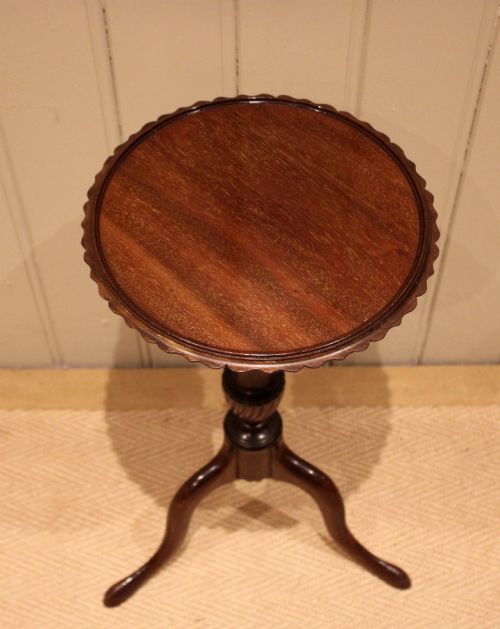
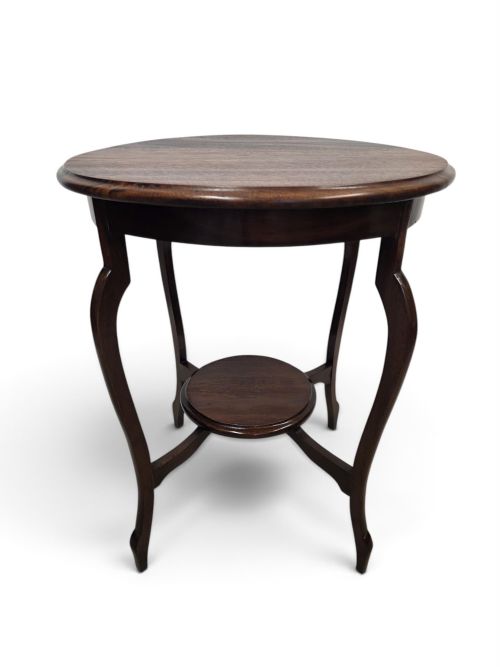
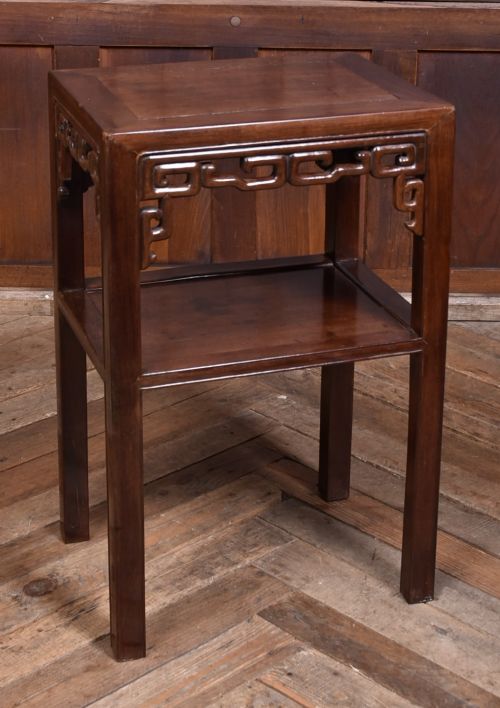
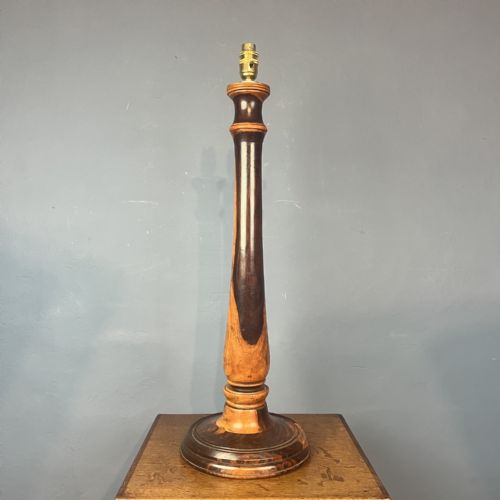
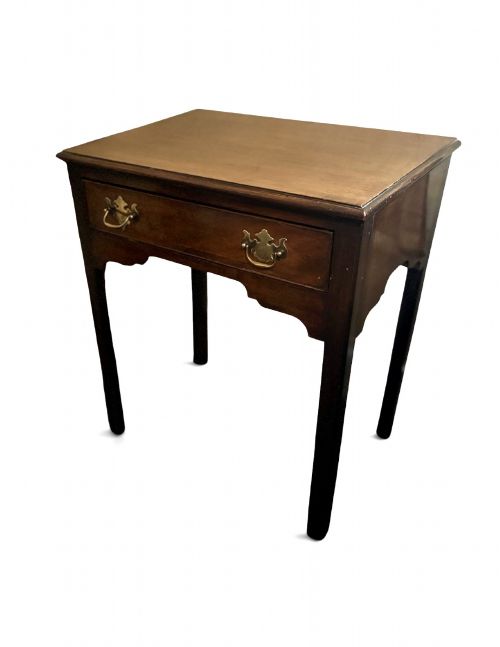
When you search for a dark timber lamp table, you encounter a varied selection of occasional, side and wine tables alongside converted table lamps spanning the eighteenth to the twentieth centuries. These pieces emerge from periods such as the Georgian, Victorian and Edwardian eras, as well as Chinese traditional workshops and the Arts and Crafts movement.
Makers utilised dense timbers to create stable surfaces for illumination and display in sitting rooms and parlours. Such tables combine functional proportions with period-specific details like barley twists, tripod legs and carved accents.
Materials and construction methods
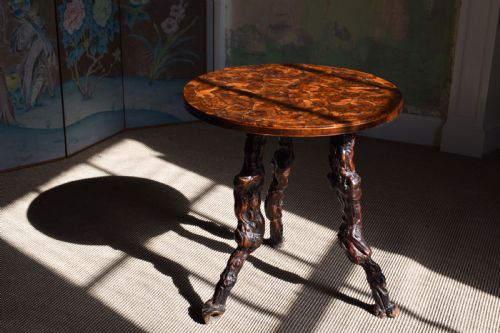
Cabinet-makers relied on hard timbers including mahogany, oak, rosewood, elm and walnut, supplemented by exotic rootwoods and lignum vitae. These woods were chosen for their durability and depth of grain.
Construction techniques involve traditional joinery, turning for legs and columns, and hand carving for decorative elements such as floral motifs or tripod bases. Surfaces were finished to highlight the natural figure of the dark timber.
Listings feature woods such as mahogany, oak, rosewood, elm and walnut across periods from the eighteenth to the twentieth century.
Factors that define quality
Quality rests in the selection of the timber and the precision of the joinery, distinguishing finely figured mahogany or rosewood from simpler utilitarian pieces in pine or basic hardwoods. The crispness of hand-carved details and turned components also elevates a piece.
Proportion and structural integrity separate standard examples from superior ones. Well-balanced tripod bases, tight joints and thoughtful execution of styles from Georgian to Edwardian indicate higher craftsmanship.
The Dark Timber Lamp Table Glossary
- Tripod table
- A small occasional table supported by a pillar on three legs. This form gained popularity in the eighteenth century for flexibility in domestic spaces.
- Barley twist
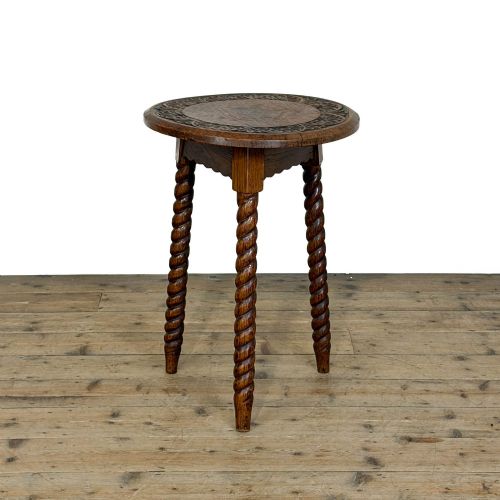
- A carved column or leg resembling a twisted rope. This turning style appears frequently on seventeenth-century revival and Victorian furniture.
- Cricket table
- A small, lightweight circular table with three splayed legs. Traditionally utilised in English cottages for various domestic tasks.
- Rootwood
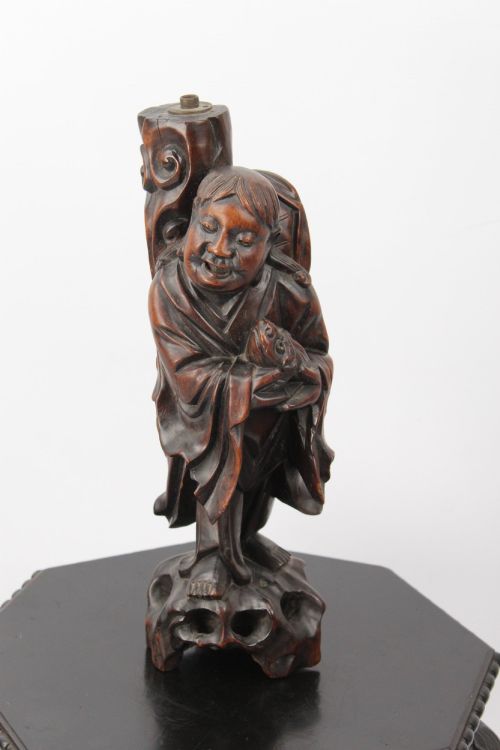
- Wood taken from the root system of a tree, displaying complex, gnarled grain patterns. It was frequently employed in Chinese and Japanese decorative items.
Dark Timber Lamp Table: Frequently Asked Questions
What is a dark timber lamp table?
It is a small standalone table built from woods like mahogany, oak or rosewood, originally designed to hold lighting or small objects in period interiors.
These pieces range from Georgian side tables to Edwardian wine tables and Chinese rootwood stands.
How do I date an antique lamp table?
Dating relies on identifying the style, construction methods and timber characteristics typical of periods like the Victorian era or the eighteenth century.
Leg profiles, joint types and overall proportions offer clear clues to a piece's age and origin.
Where should I place an occasional table?
These compact tables fit well beside armchairs, sofas or in corners where surface space is needed without overcrowding the room.
Their varied heights and footprints suit diverse layouts in both traditional and eclectic modern homes.
What woods were used for these tables?
Cabinet-makers utilised dense hardwoods such as mahogany, oak, rosewood, walnut, elm and exotic rootwoods. Each material brings distinct colouration and grain patterns to the furniture.
Some items also incorporate brass hardware or fabric elements depending on their stylistic period.