


Vintage Bank Filing Cabinet
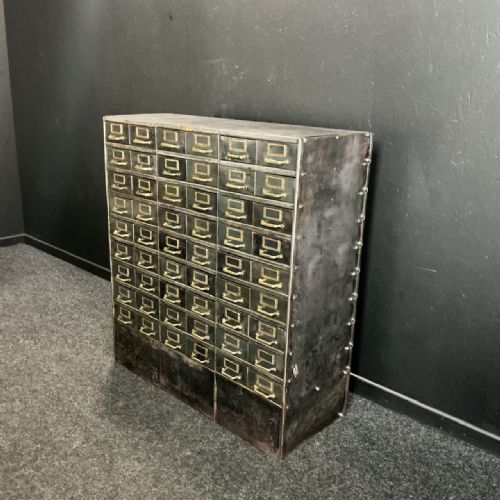
A vintage bank filing cabinet offers serious workspace storage with multiple drawers, built in timber or metal to handle heavy paperwork.

Vintage Bank Filing Cabinet
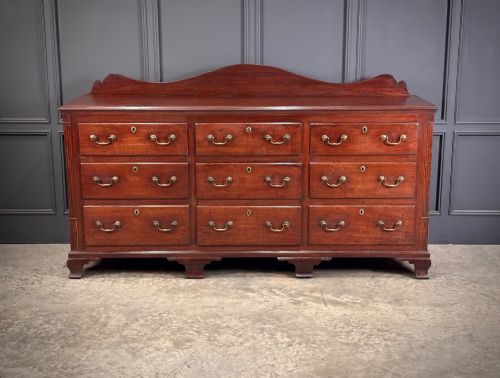
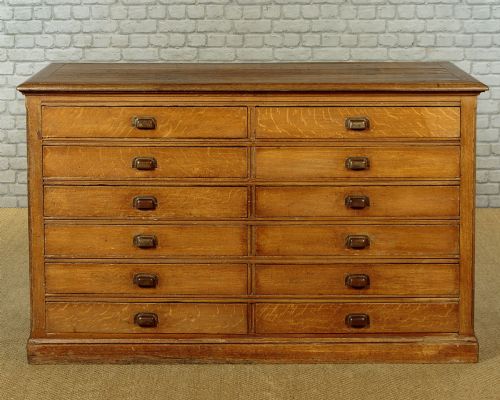
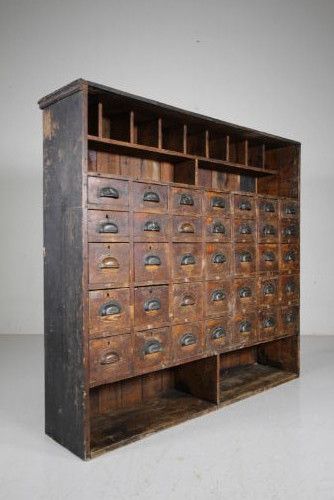
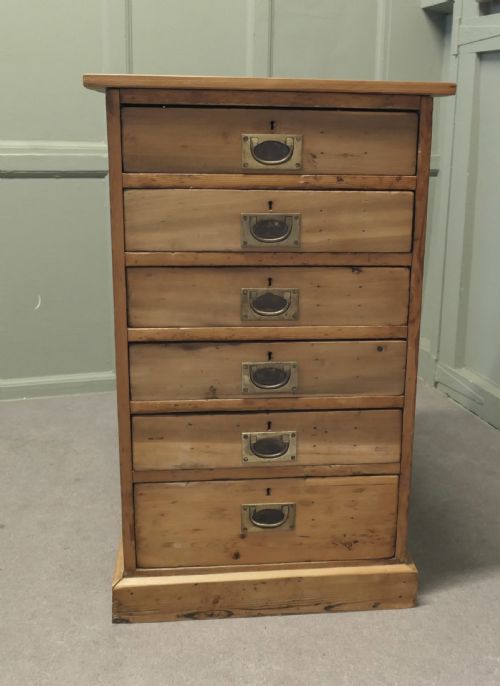
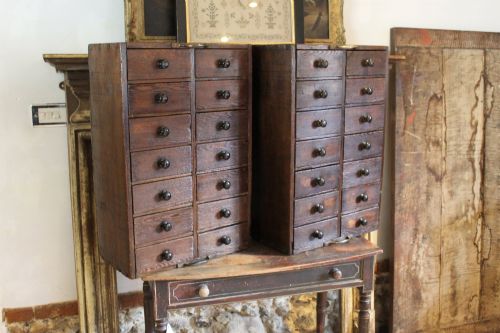
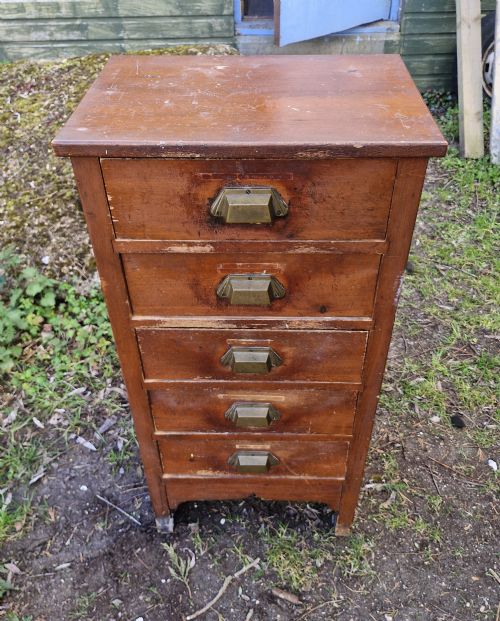
A vintage bank filing cabinet serves as a multi-drawer storage unit designed for documents, letters, or small objects. Buyers searching for a vintage bank filing cabinet typically encounter tall banks of drawers, shallow pine filing units, and modular office cabinets originating from periods ranging from the eighteenth century through to the nineteen-thirties.
The selection includes workshop banks, haberdashery chests, and patent letter files built for heavy daily use in commercial and domestic settings. Examples span British and French origins, utilising traditional timbers like mahogany, walnut, and pine alongside industrial steel and iron.
How they were made
Cabinetmakers constructed these pieces primarily from solid hardwoods such as mahogany, walnut, and oak, alongside utilitarian pine and durable steel. Joinery methods prioritised strength and longevity, utilising dovetailed drawer construction to withstand repeated pulling and heavy loads over decades of use.
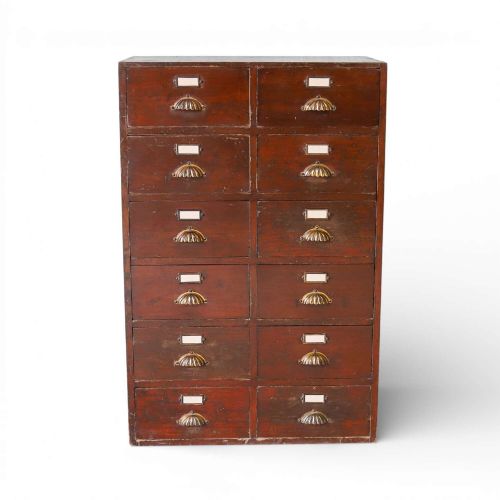
Hardware played a vital functional role, featuring brass shell pulls, label holders, and scalloped handles secured to individual drawers. Metal frames and iron components appeared in industrial variants, providing robust support for tall banks and specialist filing systems.
Some industrious Victorians clearly mislaid their keys frequently, as evidenced by the heavy brass drop handles doubling as emergency finger grips.
What varies in quality
Quality rests upon the integrity of the timber selection, the scale of the piece, and the retention of original hardware such as brass shell pulls and label holders. Substantial mahogany and walnut examples with numerous drawers demonstrate superior craftsmanship compared to simpler utility alternatives.
The presence of patent mechanisms, maker markings, and matched sets alters the character and desirability of a cabinet. Original polished finishes and sound structural timber determine how well a piece maintains its integrity and visual presence.
D Napier & Sons·Amberg
The Vintage Bank Filing Cabinet Glossary
- Bank of drawers
- A large cabinet containing numerous horizontal storage drawers arranged in vertical columns. These units were standard in offices, banks, and workshops for sorting documents and components.
- Shell pull
- A semi-circular stamped or cast brass handle shaped like a scallop shell. They frequently incorporate an integrated label holder for identifying drawer contents.
- Haberdashery cabinet
- A glass-fronted or multi-drawer display unit originally utilised in retail shops for storing small dry goods. They translate effectively into domestic storage for accessories and papers.
- Patent letter file
- A specialised filing mechanism designed to hold correspondence securely using spring-loaded clips or alphabetical index boards. Amberg's patent units represent notable examples of this system.
Vintage Bank Filing Cabinet: Frequently Asked Questions
How do I clean a wooden cabinet?
Dust the surfaces regularly with a dry cloth and apply a traditional beeswax polish occasionally to nourish the timber.
Avoid using silicone-based sprays or harsh chemical cleaners that can damage the antique polished finish.
Can I use these for modern paper?
Many vintage filing cabinets and drawer banks accommodate modern paper sizes, though older specialised letter files suit smaller documents.
Check the internal drawer dimensions carefully before planning to store standard modern folders.
Are metal and wooden versions heavy?
These cabinets are exceptionally heavy due to the dense hardwoods and structural iron used in their construction.
Ensure you have adequate assistance when positioning the unit and protect delicate flooring beneath the base.
How do I date a cabinet?
Examine the construction methods, such as hand-cut dovetails, alongside the style of the brass handles and the type of secondary timber used.
Patent stamps and labels inside the drawers also provide reliable chronological markers for specific periods.