


Vintage Bamboo Cane
Vintage bamboo cane items bring organic warmth and texture into a room, offering practical utility alongside distinct historical character.
Vintage Bamboo Cane
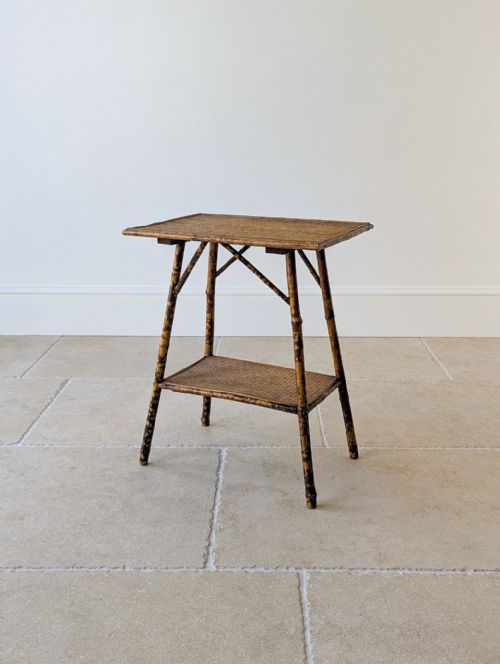
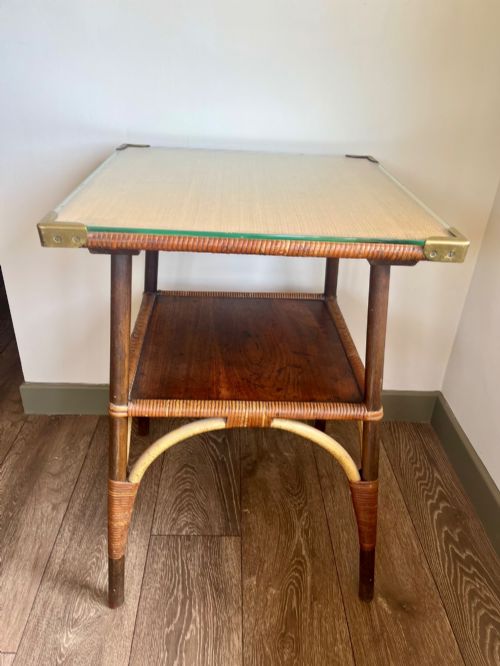
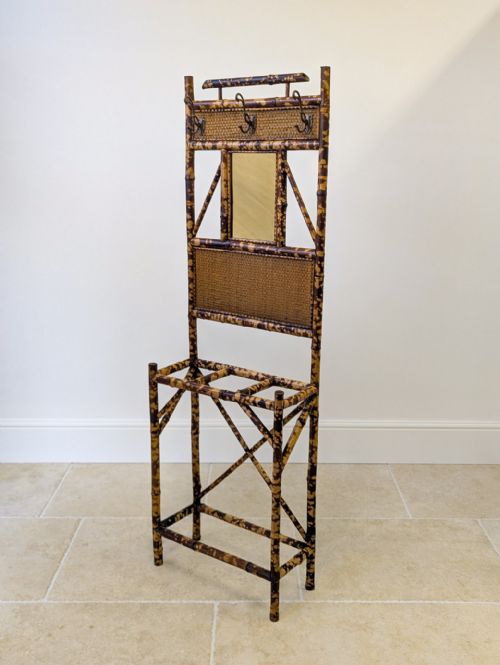
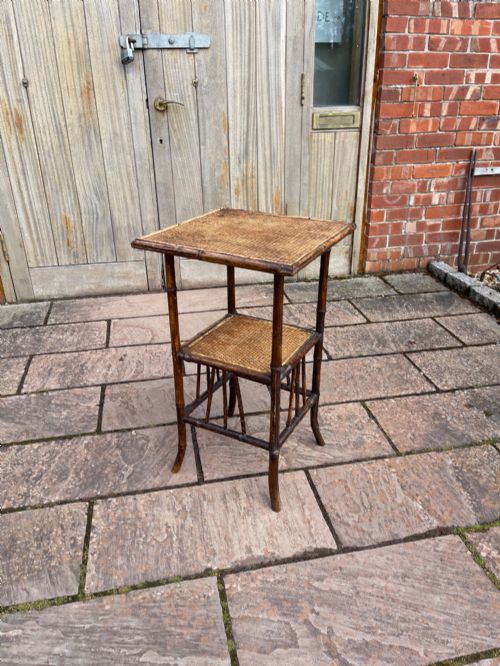
Vintage bamboo cane objects encompass a diverse range of furniture and accessories, spanning walking sticks, occasional tables, hall stands, and seating. When exploring this selection, buyers frequently encounter walking sticks and umbrella stands, alongside occasional tables and chairs shaped from natural or simulated materials.
The periods represented stretch from the Regency era through the Victorian and Edwardian decades into the mid-twentieth century, capturing shifts in domestic taste. Pieces originate from diverse traditions, including Victorian aesthetic designs, French Riviera styles, and Asian export works.
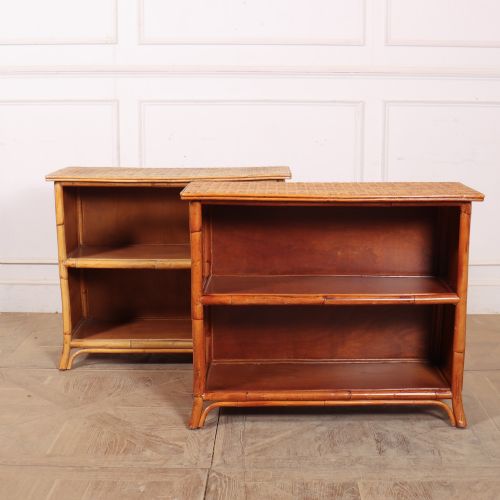
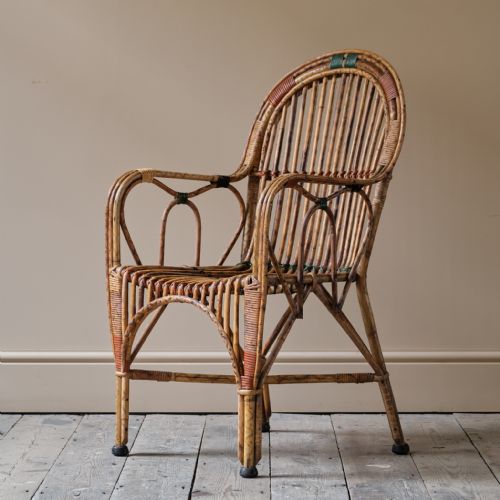
Furniture forms such as side tables, armchairs, and bookcases sit alongside practical items like walking sticks and umbrella stands. This variety reflects the material's adaptability across different rooms and eras of interior design.
Materials and construction
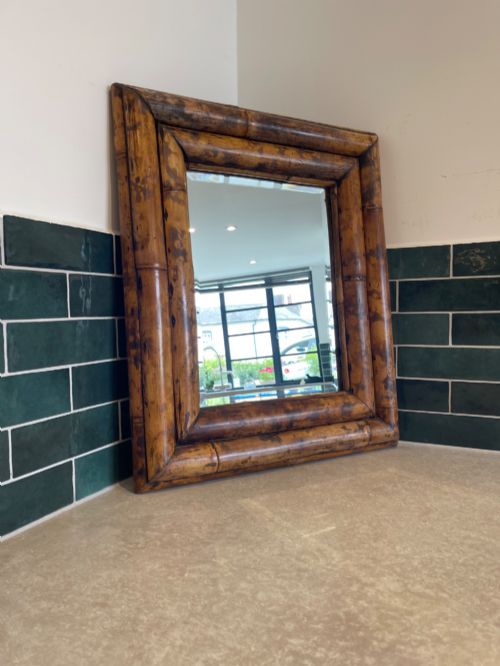
Construction relies heavily on natural bamboo, cane, and rattan, often combined with wood or supported by internal structures. Makers utilised these flexible plant materials to bend and shape frames for seating, tables, and umbrella stands.
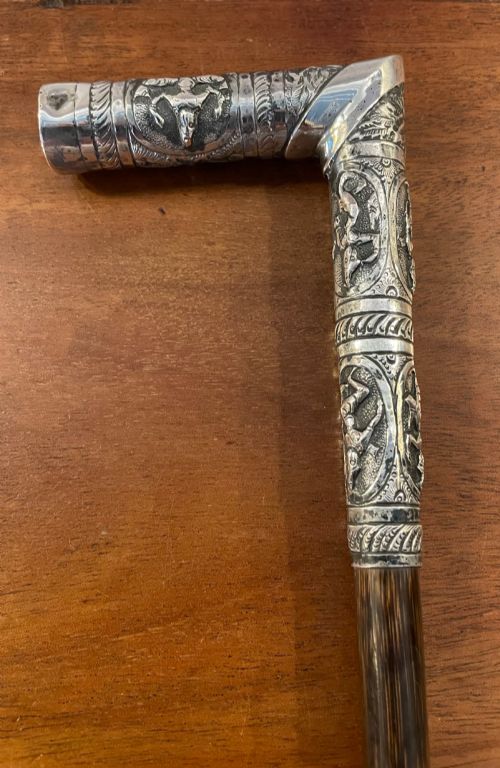
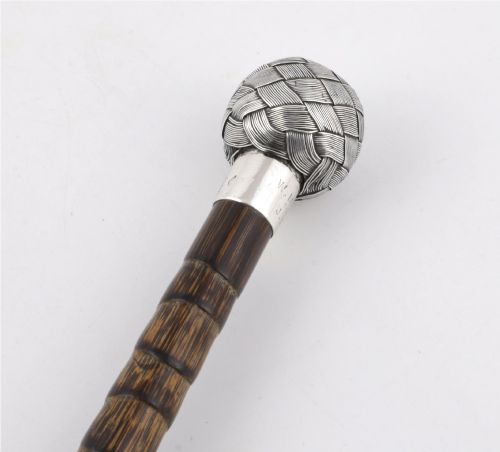
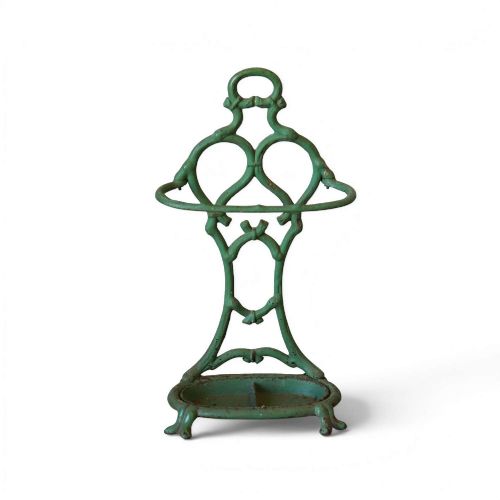
Metal components appear frequently, incorporating steel, silver, brass, and cast iron. Silver mounts and wire knots adorn walking sticks, while cast iron forms the heavy bases of umbrella stands.
Faux bamboo techniques also emerge in the evidence, where wood or cast iron is carved and painted to replicate the segmented joints of natural cane. This decorative approach provides rigid durability for items like chairs, bookcases, and umbrella stands.
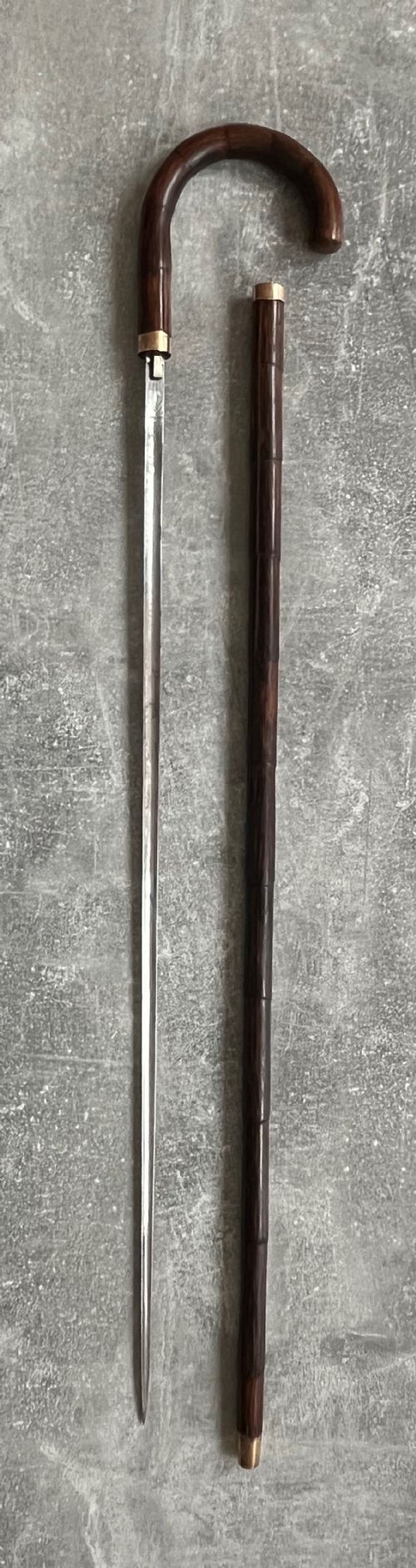
Concealed blades inside walking sticks offer a sharp surprise beneath otherwise polite Victorian accessories.
Distinctions in quality
Quality rests upon the structural integrity of the cane bindings and the precision of the joinery. Finer examples maintain tight, secure wraps and balanced frames that withstand daily use without looseness.
Artistic execution dictates the distinction at the upper end of the range, seen in carved bone grips on sword sticks, hand-painted decoration on Regency chairs, and intricate silver mounts. Superior pieces display thoughtful detailing in the arrangement of natural nodes or the fidelity of faux bamboo casting.
Dryad Leicester·Japanese Fukagawa
The Vintage Bamboo Cane Glossary
- Bamboo
- A woody grass characterised by hollow, jointed stems utilised for lightweight furniture and walking sticks. Its natural flexibility allows makers to bend the material into curved framework.
- Cane
- The thin, pliable stems of certain palms, woven into intricate patterns for chair seats and panels. It provides a resilient, breathable surface for seating.
- Rattan
- A climbing palm species producing long, sturdy stems employed in structural furniture framing and basketry. It offers robust support while maintaining a light visual weight.
- Faux bamboo
- A decorative treatment where wood, metal, or cast iron is shaped and painted to imitate natural bamboo. This method delivers the exotic aesthetic of cane with increased mechanical strength.
- Aesthetic Movement
- A late nineteenth century design style emphasising visual beauty over narrative or moral content. Pieces from this movement often incorporate Japanese design influences and exposed bamboo structures.
Vintage Bamboo Cane: Frequently Asked Questions
How do I care for vintage bamboo furniture?
Keep natural bamboo and cane pieces away from direct heat sources and excessive moisture to prevent the material from drying out and splitting. Dust regularly with a soft brush and apply occasional light conditioning to maintain flexibility in the fibres.
Avoid using harsh chemical polishes or soaking the woven surfaces during cleaning. Gentle maintenance preserves the natural patina and structural integrity of older pieces.
Are walking sticks and canes sturdy enough for daily use?
Many vintage walking sticks and canes retain their original strength and remain suitable for regular support or collections. Silver mounts and metal blades indicate careful construction intended for practical service.
Inspect the ferrule at the base and the security of the handle attachment before active reliance. Proper storage prevents warping in the wooden or bamboo shafts.
How do I identify Victorian bamboo pieces?
Victorian examples often reflect the Aesthetic Movement or Asian export influences popular during the late nineteenth century. Look for characteristic dark finishes, lacquer accents, and robust joinery typical of the period.
Hall stands, occasional tables, and umbrella stands from this era frequently combine split bamboo panels with turned wooden frames. Documentation or stamps from specific makers occasionally appear on these works.
What is the difference between natural bamboo and faux bamboo?
Natural bamboo utilises the actual hollow, segmented stems of the plant, bent and joined to form furniture or walking aids. It displays organic irregularities and natural colour variations.
Faux bamboo involves materials like wood, cast iron, or steel shaped and painted to mimic real cane. This manufactured approach offers greater load-bearing capacity for items like heavy umbrella stands and structural chairs.