




Vintage Baluster Glass
Vintage baluster glass pieces span drinking vessels and heavy table lamps shaped with distinctive thick stems, offering robust forms that suit traditional and eclectic interiors.
Vintage Baluster Glass
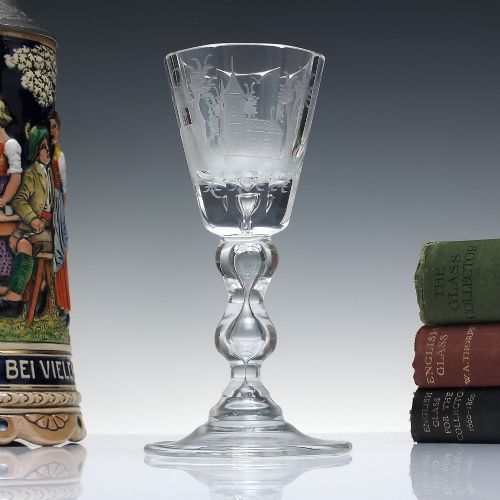
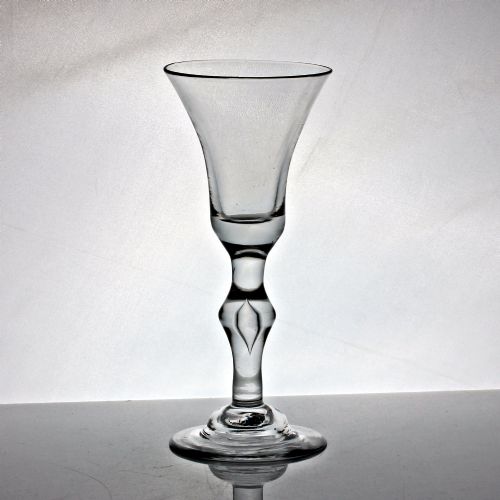
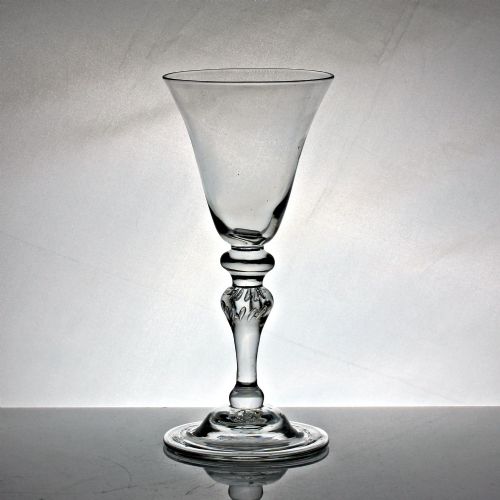
Vintage baluster glass encompasses drinking vessels and lighting fixtures featuring characteristic swelling stems, drawing from Georgian, Victorian, and later periods. The selection here ranges from eighteenth-century wine glasses and goblets to nineteenth-century candlesticks and twentieth-century lamps.
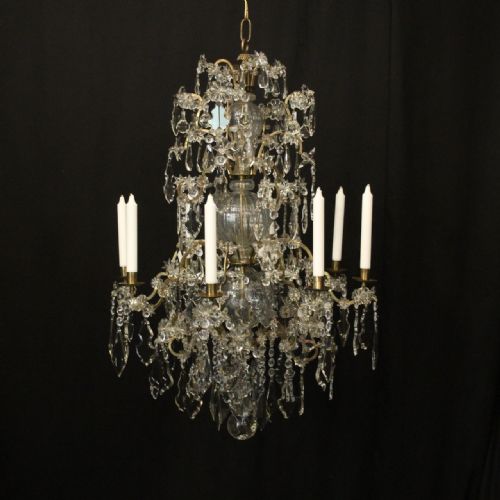
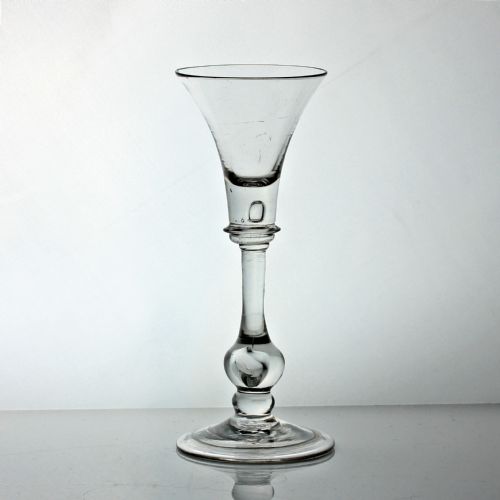
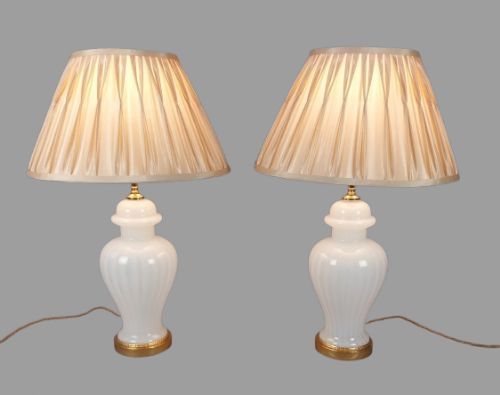
Drinking vessels typically display bell bowls and folded or domed feet alongside the central stem. Lighting forms include heavy table lamps and chandeliers executed in clear glass, lead crystal, opaline white glass, and frosted finishes.
Origins span English, French, Bohemian, and Dutch traditions, reflecting shifts in manufacturing through the eighteenth, nineteenth, and early twentieth centuries. Pieces appear alongside related forms such as rummers, sandtimers, and patterned vases sharing the baluster silhouette.
Materials and construction
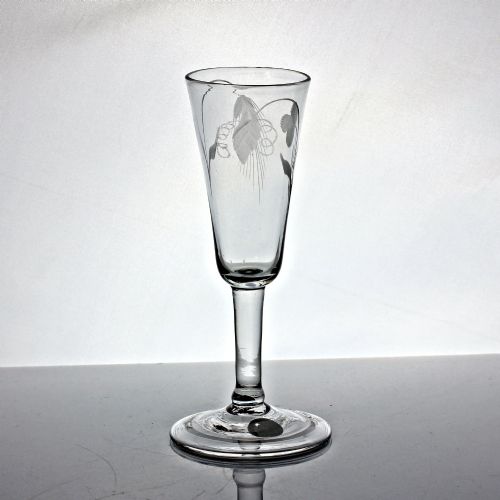
Makers utilised lead glass and lead crystal to achieve the heavy weight and clear refractive quality seen across these pieces. Surface decoration relies on wheel engraving, such as hop and barley motifs, alongside cut crystal facets and enamel work.
Construction methods combine free-blowing and mould-blowing with hand-finishing, particularly evident in folded feet and hollow stems. Brass components appear on chandeliers and lamp fittings, while fabric shades complement opaline and frosted glass lamp bodies.
Vintage Baluster Glass Retail Price Guide 2026
Typical asking prices for vintage baluster glass among the pieces listed under this phrase on Sellingantiques today, from the lower quarter to the upper quarter. They describe what is for sale here now, not the wider market.
Listings feature items spanning the eighteenth century through to the 1930s, incorporating glass, brass, and fabric materials.
Variations in quality
Quality rests on the clarity of the metal, the proportion of the stem relative to the bowl, and the crispness of any engraved or cut decoration. Heavier lead content yields greater brilliance and stability, distinguishing superior table glass from standard production.
Proportion and balance dictate the appeal of baluster stems, where smooth transitions from foot to bowl indicate skilled hand-manipulation. The integrity of original components on lamps and chandeliers further determines the standing of each piece.
The Vintage Baluster Glass Glossary
- Baluster
- A swelling, architectural stem shape derived from support pillars, featuring prominently on drinking glasses and candlesticks. This form provides a weighty grip and distinct visual rhythm.
- Balustroid
- A slender variation of the baluster stem, common in eighteenth-century drinking vessels. It retains the characteristic profile while using less metal.
- Folded foot
- A glass base where the rim is turned under to create a thickened, rounded edge for extra strength. This technique appears frequently on eighteenth-century glasses.
- Domed foot
- A foot raised into a central mound beneath the stem, adding stability and visual elevation. It is often found on heavier goblets and wine glasses.
- Opaline glass
- An opaque or translucent glass developed in pale shades like white, prized for its soft lustre. It gained popularity during the nineteenth and early twentieth centuries.
Vintage Baluster Glass: Frequently Asked Questions
What is a baluster glass?
A baluster glass is a drinking vessel or decorative object featuring a thick, swelling stem shaped like a classical pillar. These pieces are known for their substantial weight and tactile form.
They appear primarily in eighteenth-century wine glasses and goblets, as well as later stemware and lamps.
How do I date an old glass?
Dating relies on examining the pontil mark, the composition of the glass metal, and the overall style of the bowl and stem. Eighteenth-century pieces often show folded feet and heavy lead metal.
Later nineteenth and twentieth-century examples introduce cut crystal, opaline finishes, and different manufacturing techniques that reflect their era.
Are these glasses safe for daily use?
While eighteenth and nineteenth-century glassware is sturdy, antique pieces benefit from careful handling and hand washing rather than modern dishwashers. Their historic nature makes gentle treatment advisable.
Using them for special occasions allows you to experience the weight and balance intended by the original maker.
What is the difference between lead glass and crystal?
Lead glass contains a proportion of lead oxide that increases weight, clarity, and the refractive index of the material. Crystal is a traditional term often applied to high-quality lead glass.
This composition allows for deeper cutting and a more resonant ring when tapped.