

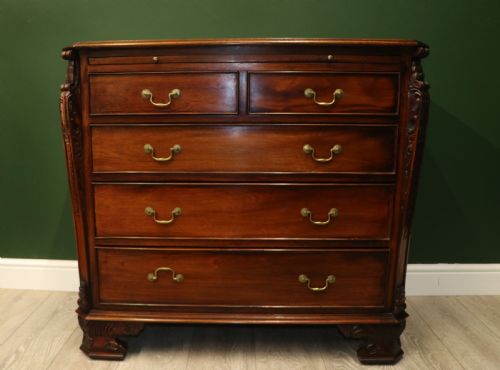


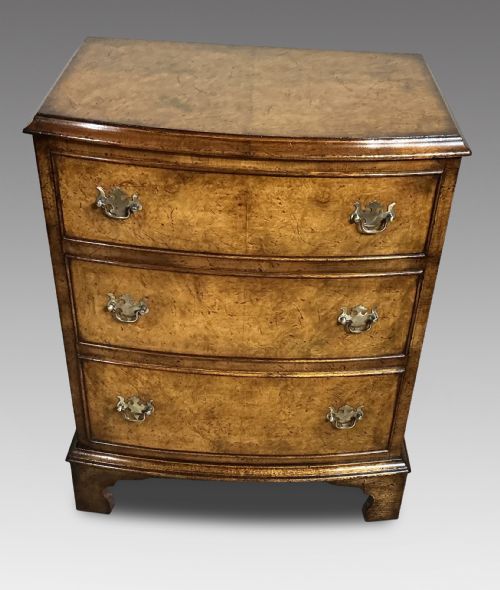


Vintage Bachelors Chest
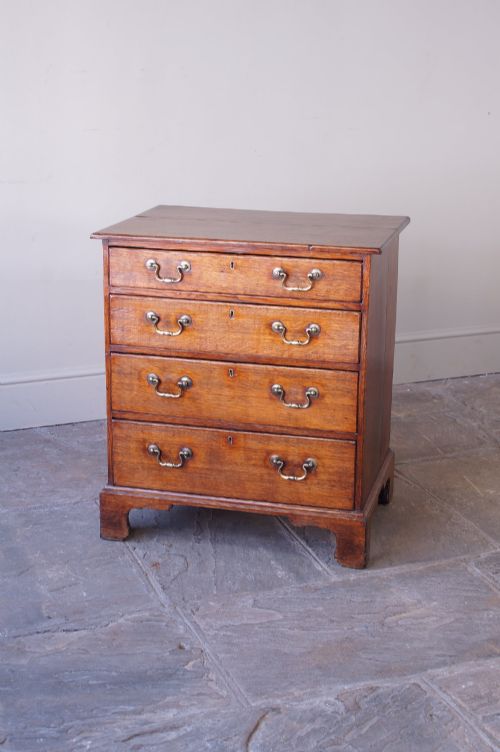
A vintage bachelors chest combines compact proportion with a pull-out slide, offering surface space and storage in remarkably small rooms.
Vintage Bachelors Chest
A vintage bachelors chest is fundamentally a compact chest of drawers equipped with a pull-out writing or brushing slide, designed originally for gentlemanly use in confined quarters. These pieces range from authentic Georgian examples to later 20th-century revivals produced in the Edwardian and interwar decades.
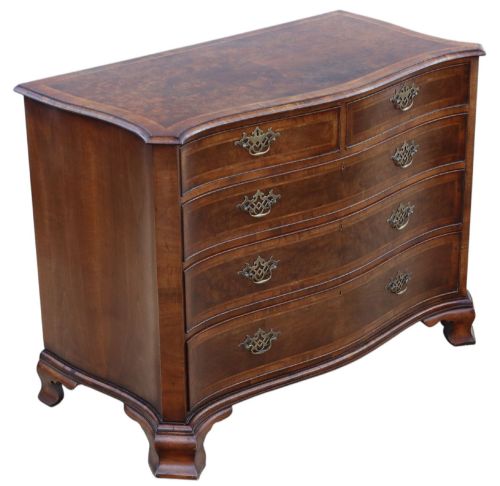
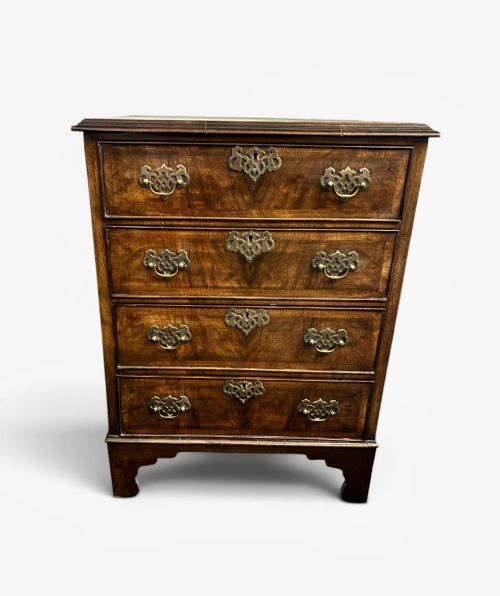
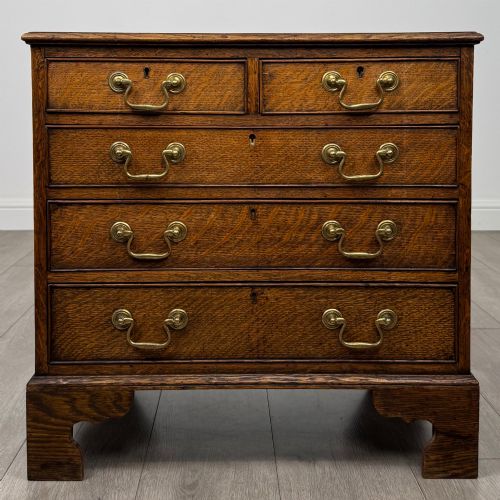
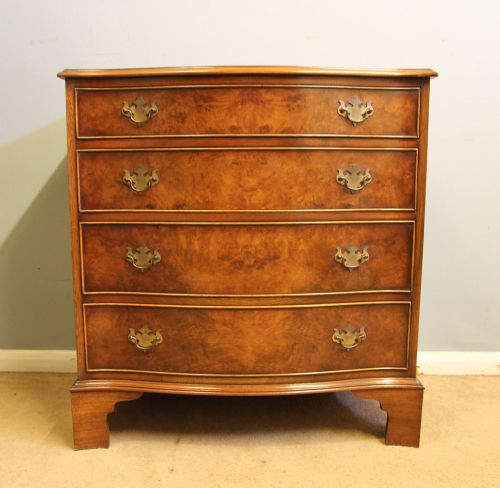
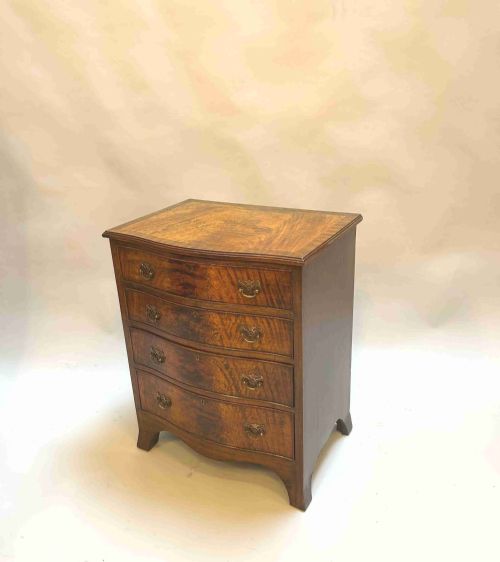
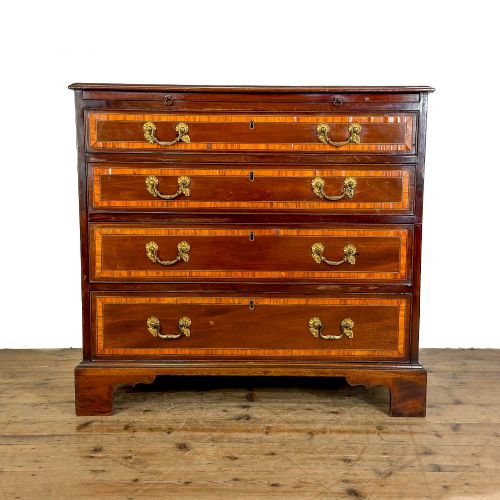
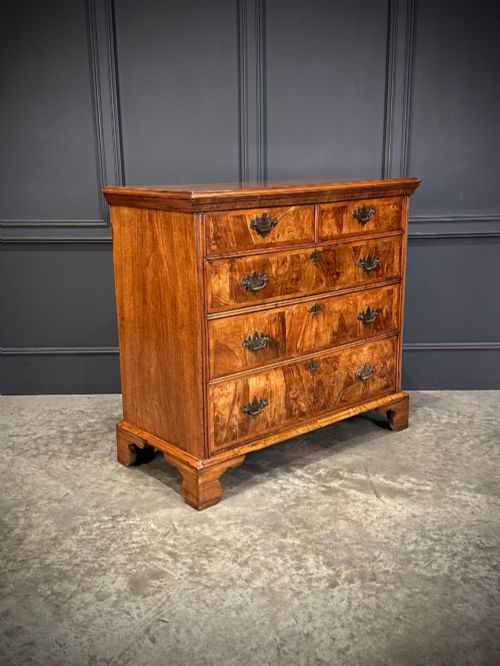
The primary forms found here include mahogany and walnut specimens constructed with bracket feet, bow fronts, or serpentine outlines. Many items overlap functionally with bedside tables, small commodes, and narrow chests of drawers.
What varies in quality
Quality rests upon the crispness of the timber selection, particularly the choice of figured veneers and the matching of grain across drawer tiers. Superior examples display fine dovetail joinery and retention of original brass hardware.
Proportion and scale dictate the desirability of these chests, with smaller footprints and serpentine or bow front contours commanding greater attention from collectors than standard rectangular carcases.
Listings feature mahogany, walnut, oak, rosewood, and yew wood, spanning Georgian, Victorian, Edwardian, and 1930s periods.
Robert Gillows II
The Vintage Bachelors Chest Glossary
- Brushing slide
- A pull-out board positioned above the top drawers, originally utilised for grooming or writing before breakfast. It retracts flush into the frame when not in use.
- Serpentine
- A front contour characterised by a convex centre flanked by concave curves. This undulating shape requires exceptional woodworking skill.
- Crossbanding
- A border veneer applied around the edges of a drawer front or top with the grain running perpendicular to the central panel. It provides a neat framing effect.
- Bracket foot
- A simple, corner-supporting foot shaped like an architectural bracket, commonly seen on 18th-century and Georgian case furniture.
- Bow front
- A convex, outwardly curved furniture front popular during the Georgian and revival periods. It softens the visual bulk of a tall chest.
Vintage Bachelors Chest: Frequently Asked Questions
What is a bachelors chest?
A bachelors chest is a compact set of drawers distinguished by a sliding board used for writing or dressing. They were built to save space while providing practical surface areas in smaller chambers.
Over time, cabinetmakers produced numerous revivals in mahogany and walnut, maintaining the functional slide while adopting 18th-century styling cues.
How do I use one today?
These chests function exceptionally well as bedside tables, hallway storage, or compact dressing units in modern bedrooms. The pull-out slide serves as a convenient shelf for a cup or a book.
Their restrained proportions allow them to fit into narrow alcoves where standard dressers would overwhelm the floor plan.
Are these chests Georgian or later?
Dating depends on the timber, construction methods, and secondary woods used within the carcase. Pieces span the 18th century through to 1930s revival periods.
Revival items often imitate earlier Georgian or Queen Anne aesthetics, utilising similar walnut and mahogany veneers with 20th-century internal framing.
What wood was used?
Mahogany and walnut predominate, often enhanced with burr walnut veneer, oak, yew wood, or rosewood. Boxwood and brass frequently provide decorative contrast.
Cabinetmakers selected these hardwoods for both durability and the capacity to take a high polish on visible surfaces.