








Vintage Automobilia Mascot
These vintage automobilia mascot pieces are sculptural ornaments that once graced the radiator caps of classic motor cars, and collectors prize them for their striking design and historical character.
Vintage Automobilia Mascot
When you search for vintage automobilia mascot pieces, you encounter decorative sculptures designed primarily as car mascots, grille ornaments, and desk accessories. The selection spans the Edwardian and Art Deco periods, drawing on early twentieth century aesthetics to celebrate motoring culture.
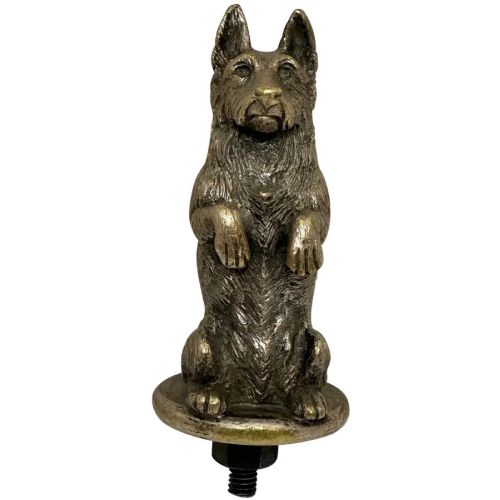
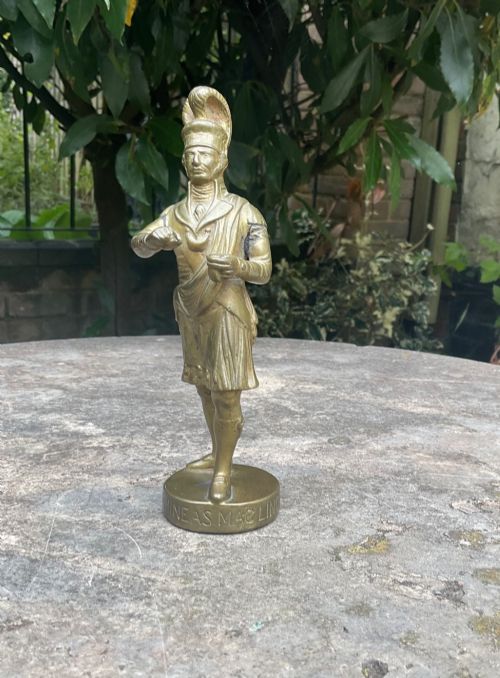
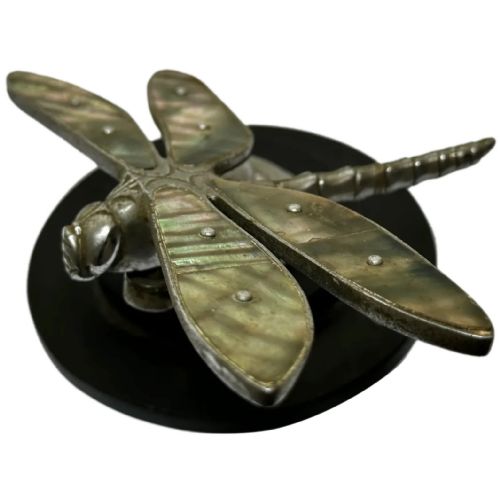
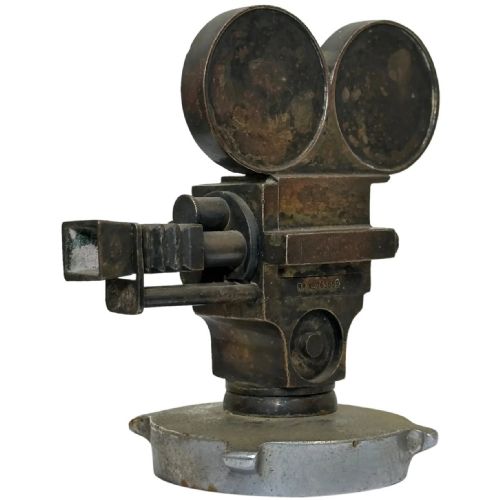
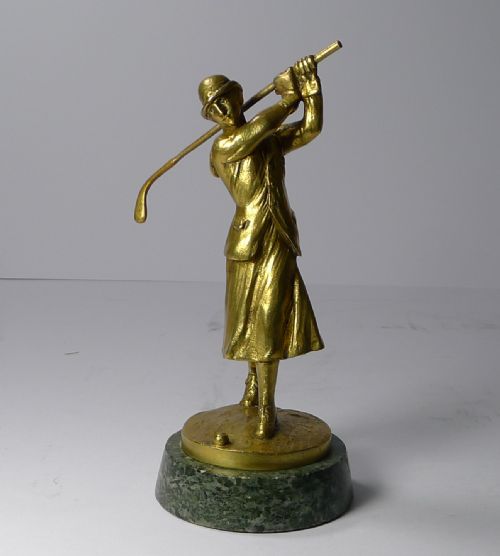
You are most likely to meet metal interpretations, particularly cast in bronze or chrome, alongside moulded glass pieces. Forms range from animal figures such as lions, poodles, greyhounds, and dragonflies to human studies including nude women and golfers, as well as novelties like movie director cameras.
Many examples double as desk ornaments or paperweights, reflecting how owners repurposed these sculptures once they left the radiator cap. Their origins connect directly to early motoring traditions where individual expression on the bonnet was paramount.
Materials and methods of construction
Glass production relied on moulding processes to create translucent mascots with sharp relief. These glass creations required precise cooling and finishing to achieve the clarity expected on a luxury motor car.
Vintage Automobilia Mascot Retail Price Guide 2026
Typical asking prices for vintage automobilia mascot among the pieces listed under this phrase on Sellingantiques today, from the lower quarter to the upper quarter. They describe what is for sale here now, not the wider market.
The listings show periods spanning from 1900 to 1940, encompassing Edwardian, Art Deco, and Mid-Century Automobilia styles.
Distinctions in standard and execution
The quality of the material finish alters the overall character of the piece. Well-preserved patination on bronze or unblemished clarity in moulded glass indicates careful handling and superior initial manufacture.
Signed works by recognised modellers carry distinct craftsmanship, showing deliberate artistic intent in proportion and pose. The integration between the sculpture and its mounting hardware also reflects the original tier of production.
Rene Lalique·Louis Lejeune·Desmo·Jose Dunach
The Vintage Automobilia Mascot Glossary
- Car mascot
- A sculptural ornament mounted on the radiator cap or bonnet of a motor car. These pieces served both decorative and symbolic functions for early motorists.
- Art Deco
- A design style prevalent during the 1920s and 1930s characterised by sleek lines, geometric shapes, and stylised representations of figures and animals.
- Cold painted
- A method of applying non-fired paint to bronze sculptures after casting. This technique added realistic colouration to animal and human figures.
- Moulded glass
- Glass formed by pressing molten material into a metal mould. This process allowed makers to produce intricate, three-dimensional decorative objects.
- Automobilia
- Collectable items associated with motor cars and motoring history. The category encompasses mascots, badges, desk accessories, and related ephemera.
Vintage Automobilia Mascot: Frequently Asked Questions
What is a vintage automobilia mascot?
A vintage automobilia mascot is a small sculptural piece mounted on the radiator cap of early motor cars. They served as personalised ornaments for motorists during the Edwardian and Art Deco eras.
Over time, many of these figures transitioned from car bonnets to interior display, functioning as desk accessories or paperweights for collectors.
How were these mascots attached to cars?
Mascots were typically fitted directly onto the top of the radiator cap using threaded bolts or specialised mounting hardware. This allowed drivers to securely fasten the sculpture against wind resistance during travel.
When cars evolved and radiator caps moved under the bonnet, owners often removed the mascots and mounted them on desk stands.
How do I identify an Art Deco mascot?
Art Deco mascots feature streamlined forms, geometric motifs, and representations of speed such as racing greyhounds or stylised female figures. The materials often include bronze, chrome, and moulded glass.
The aesthetic emphasises dynamic movement and modern industrial design, typical of the 1920s and 1930s.