




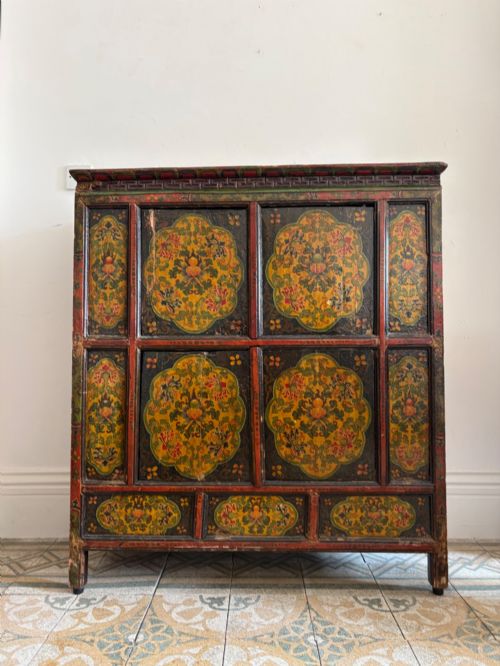
Vintage Asian Furniture
These vintage asian furniture pieces bring distinct regional character and craftsmanship into a room.
Vintage Asian Furniture
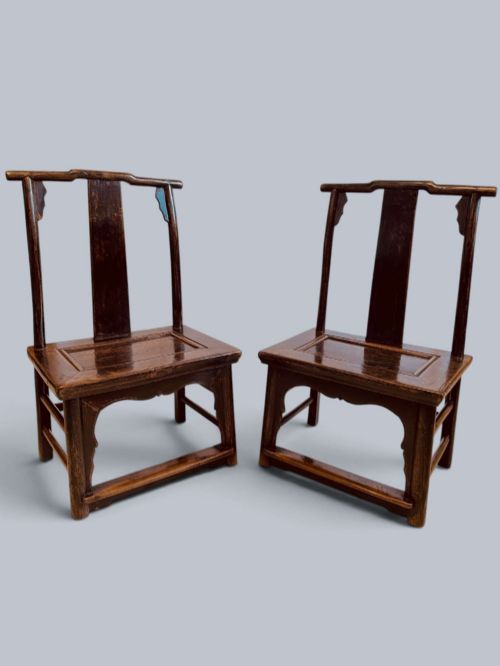
Vintage asian furniture encompasses a diverse selection of cabinets, tables, chairs, and chests originating from China, Japan, Korea, Tibet, and Burma. Buyers searching for vintage asian furniture will frequently encounter nineteenth-century and early twentieth-century examples shaped by traditional regional aesthetics.
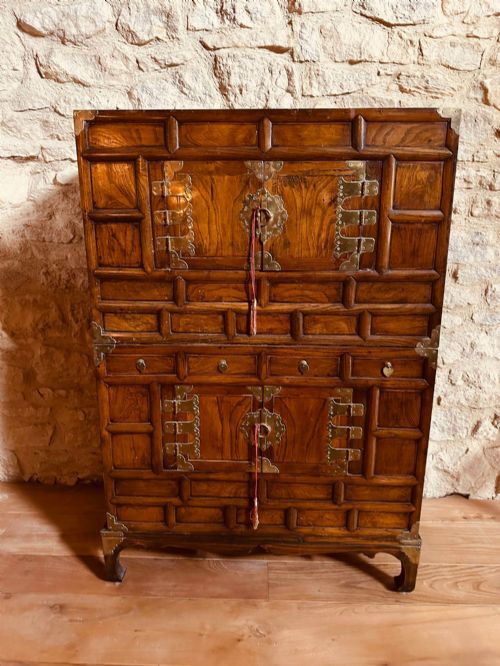
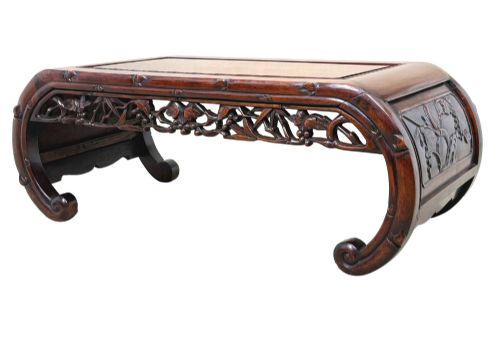
The assortment spans utilitarian storage pieces like Japanese tansu chests and apothecary cabinets alongside decorative seating, coffee tables, and painted cupboards. These forms reflect distinct periods including the Qing Dynasty, the Chinese Republic Period, and the Taisho Period.
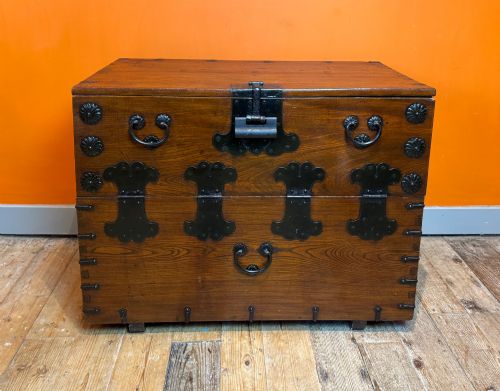
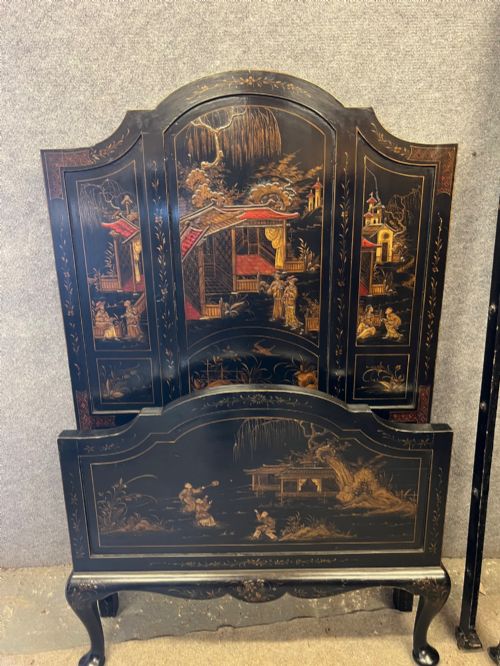
Many items display regional variations such as Korean Bandaji chests, Tibetan hand-painted cabinets, and British Chinoiserie interpretations. Elm, hardwood, and lacquered wood provide the primary structural foundation for these diverse forms.
Materials and construction methods
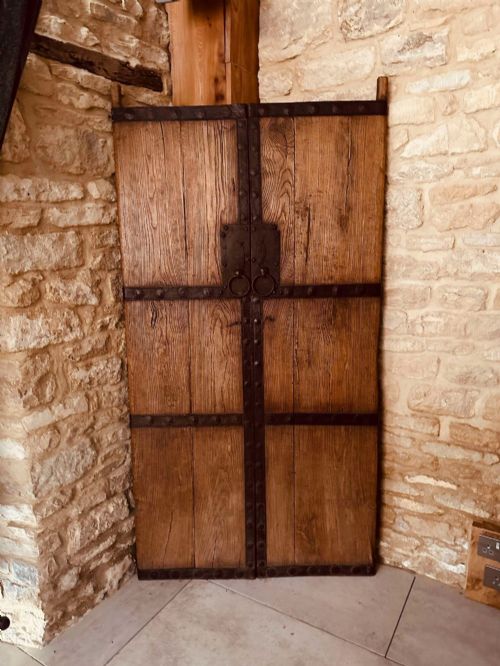
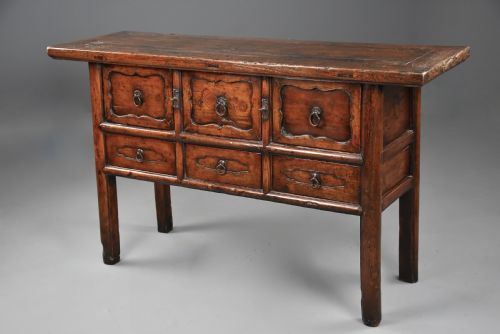
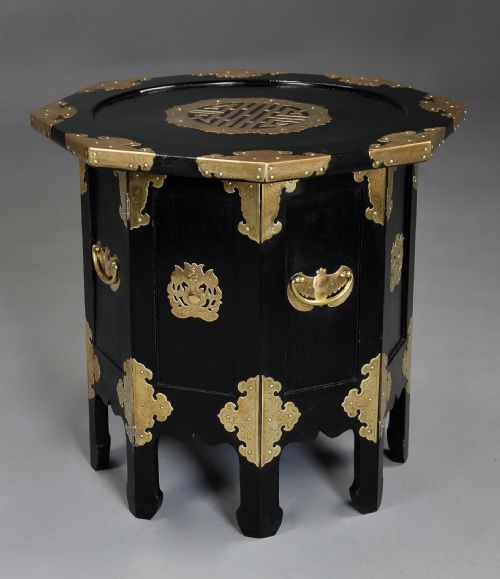
Makers utilised solid timbers predominantly, with elm and various hardwoods forming the robust framework for tables, benches, and larger storage cabinets. Iron and brass hardware, from strap hinges to decorative corner plates, provided both structural reinforcement and visual contrast.
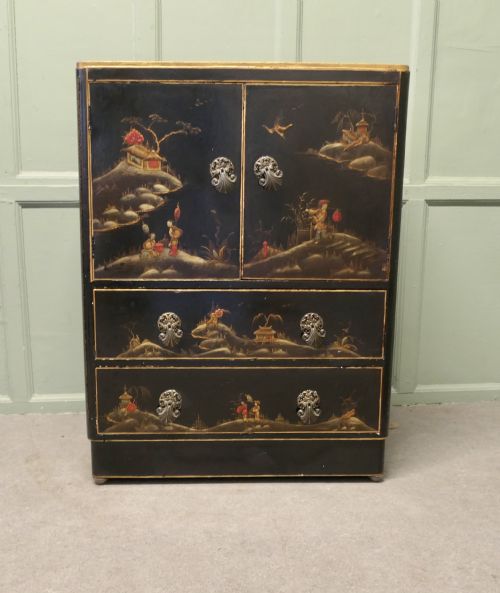
Surface decoration frequently involved layers of black or red lacquer, intricate hand-painted floral and bird motifs, and occasionally gold and silver inlay on iron plaques. Original finishes, patinated surfaces, and elm veneers characterise the construction techniques visible across these pieces.
Vintage Asian Furniture Retail Price Guide 2026
Typical asking prices for vintage asian furniture among the pieces listed under this phrase on Sellingantiques today, from the lower quarter to the upper quarter. They describe what is for sale here now, not the wider market.
Elephants also need seating, evidenced by sculpted wooden seats complete with carved bodies and tusks.
Quality distinctions in construction and finish
The degree of preservation in original painted or lacquered finishes heavily influences the standing of a piece, particularly where floral decoration and ebonised details remain intact. Original hardware, including forged iron mounts and brass fittings, contributes significantly to the integrity of chests and cabinets.
Construction methods such as traditional joinery in elm and hardwood framework dictate stability and longevity, separating utilitarian daily items from highly decorative scholarly forms. The depth of patina achieved over centuries of use distinguishes superior surfaces from later alterations.
The Vintage Asian Furniture Glossary
- Chinoiserie
- European decorative style reflecting Chinese artistic influences, commonly applied to lacquered cabinets and cupboards from the early twentieth century.
- Tansu
- Traditional Japanese mobile storage chest, typically constructed from elm or keyaki wood with elaborate iron hardware.
- Patina
- The surface sheen and texture developed through age, handling, and use, particularly visible on nineteenth-century elm furniture.
- Apothecary cabinet
- Traditional multi-drawer storage unit originally designed for holding medicinal herbs and ingredients.
- Bandaji
- Traditional Korean storage chest featuring prominent metal strapwork and hinges across a wooden front.
Vintage Asian Furniture: Frequently Asked Questions
Where were painted cupboards made?
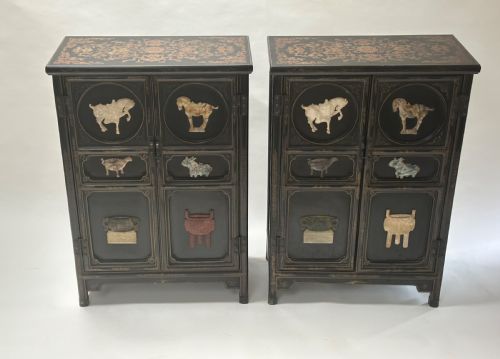
Painted cupboards and cabinets originate from various regions including China, Tibet, and Korea, often dating from the nineteenth and early twentieth centuries. Artisans applied layers of lacquer or paint over elm and hardwood foundations.
Decoration frequently includes hand-painted floral motifs, birds, and symbolic imagery reflecting local aesthetic traditions of the period.
What is elm furniture used for?
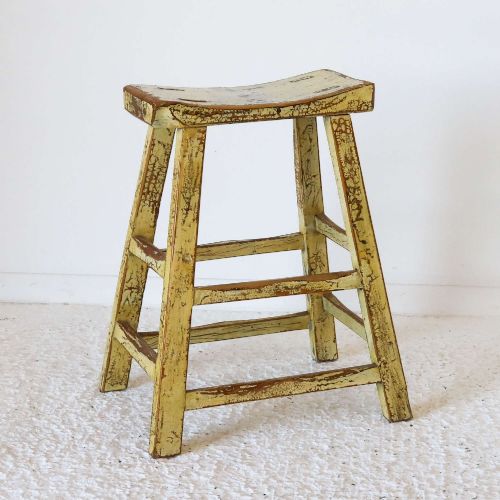
Elm served as a primary structural timber for a wide variety of domestic items including side tables, dressers, benches, and stools. Its strong grain made it suitable for both rustic daily furnishings and more refined scholar pieces.
Over time, elm develops a distinct surface patina that highlights the natural grain beneath original or aged finishes.
How do I style a side cabinet?
Vintage side cabinets and chests provide functional storage while introducing strong regional character and contrasting colour into a contemporary interior. Placing a lacquered cupboard against a neutral wall allows painted details and brass hardware to stand out.
These pieces function effectively in living spaces, hallways, or bedrooms as focal storage points that ground the surrounding decor.