



Vintage Asian Ceramic Urns
Vintage asian ceramic urns span centuries of pottery traditions from Japan and China, offering hand-painted detail and decorative form to domestic interiors.
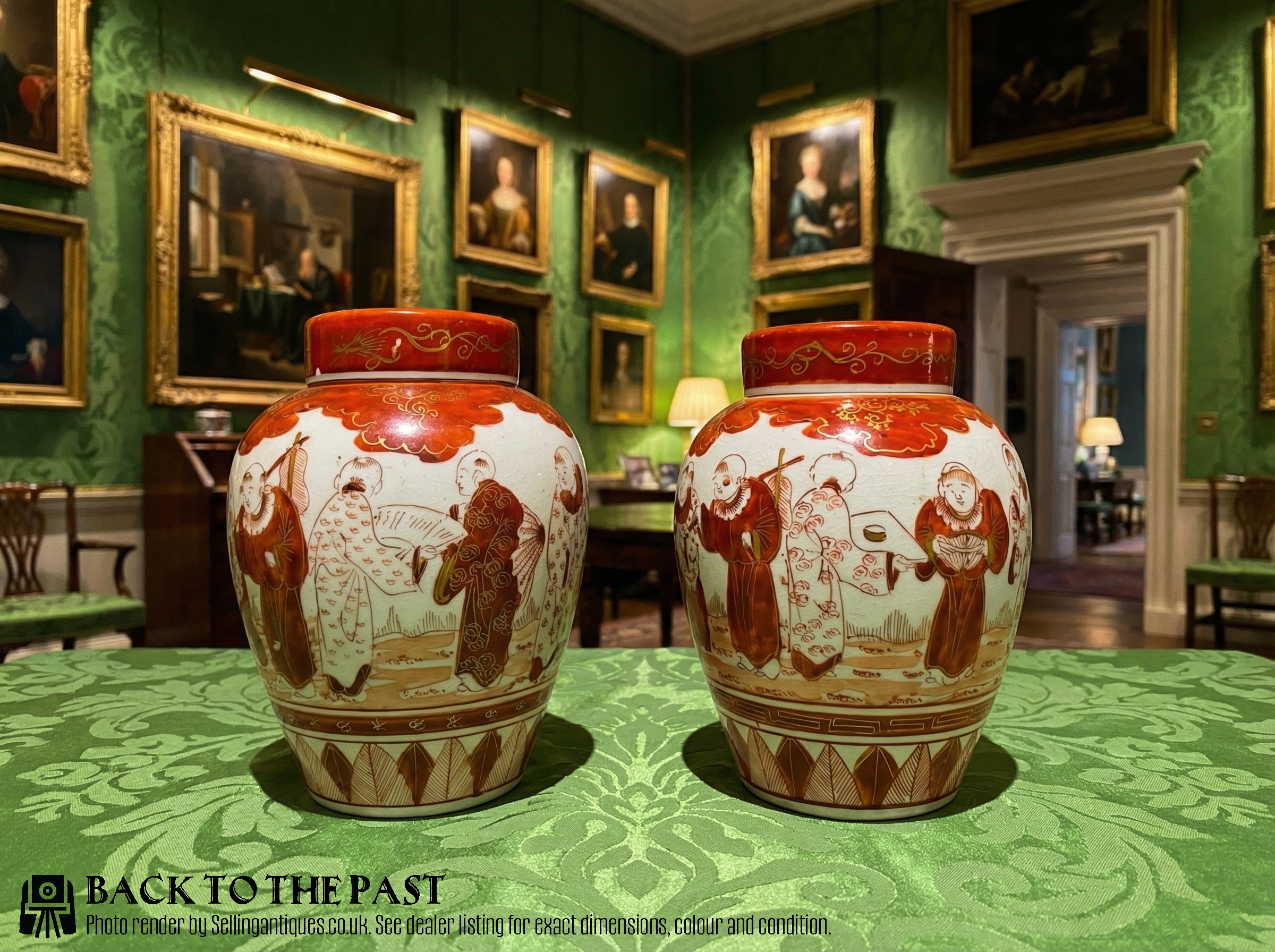
Vintage Asian Ceramic Urns
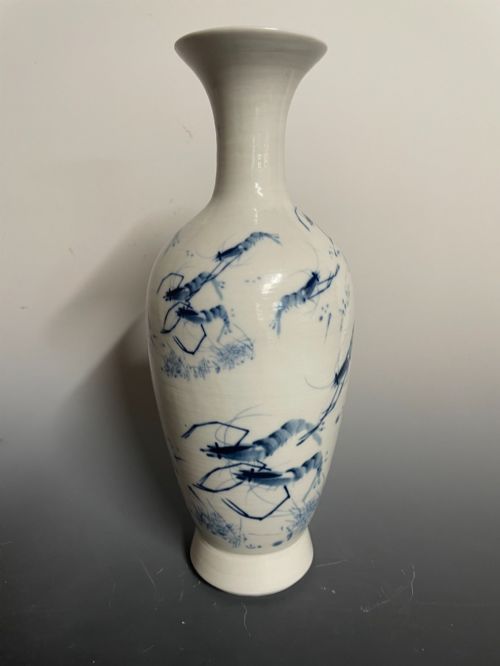
When searching for vintage asian ceramic urns, collectors encounter a diverse selection of oriental vessels that includes traditional ginger jars, lidded jars, and decorative vases. Many pieces originate from the Meiji and Edo periods in Japan or the Qing dynasty in China, capturing centuries of distinct ceramic artistry.
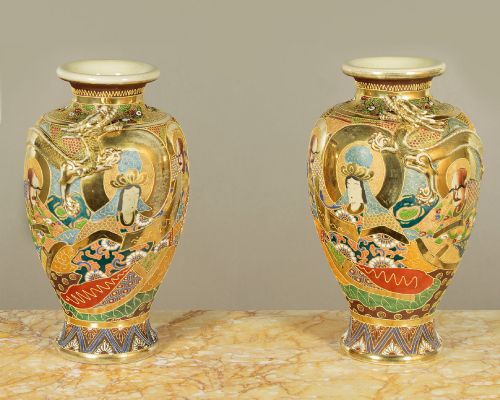
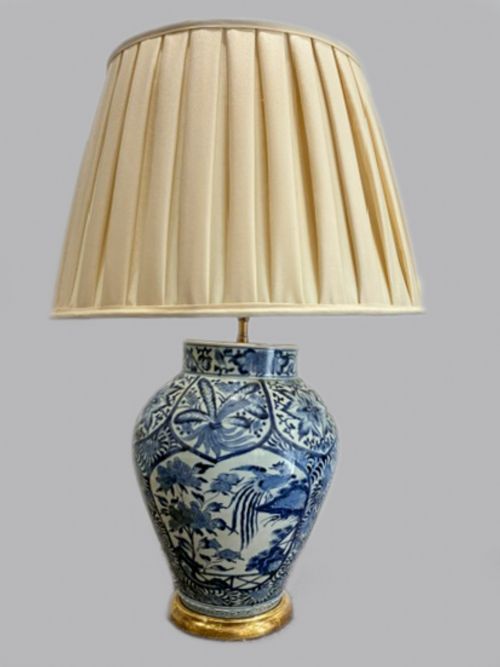
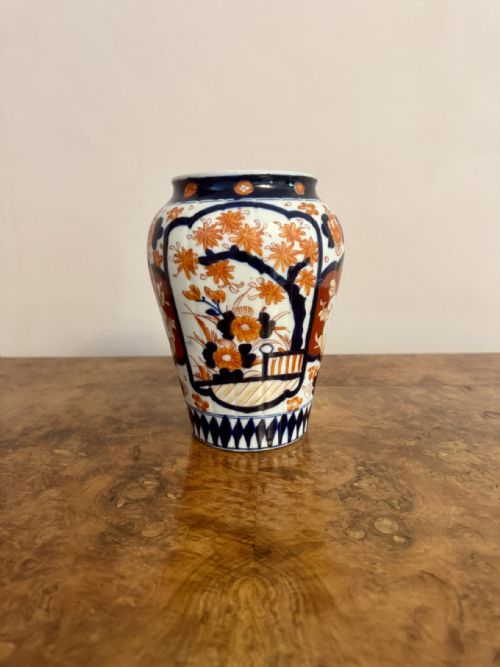
The objects on this page frequently appear as Japanese Satsuma, Imari, and Kutani wares, alongside Chinese blue and white porcelain and Famille Noire styles. Several examples have been adapted into table lamps over time, blending historic craftsmanship with functional household lighting.
Vessels span various scales, ranging from miniature cabinet pieces to large floor-standing urns and matched pairs. Earthenware and porcelain serve as the primary ceramic bodies for these decorative containers.
How they were made
Potters shaped porcelain and earthenware on the wheel or in moulds to create balanced baluster forms, ginger jars, and wide-mouthed vases. Artisans then applied intricate hand-painted mineral pigments and metallic gold leaf details across the ceramic surface.
Many wares underwent multiple kiln firings to set cobalt underglaze blue, vibrant enamel colours, and detailed polychrome scenes. Select pieces feature raised enamel work and delicate gilt figural processions characteristic of Kyoto and Satsuma workshops.
Listings feature works from the seventeenth century through to the 1930s, encompassing Edo, Meiji, and Qing dynasties.
What varies in quality
The refinement of the hand-painted brushwork distinguishes standard decorative pieces from finer works, particularly in the precision of facial expressions on figural scenes and the delicacy of botanical motifs. Richness in the application of gold leaf and the complexity of the enamel palette also elevate the visual depth of a vessel.
Artistic attribution plays a role, with signed pieces from known workshops commanding greater interest among collectors. The preservation of the original glaze and the crispness of moulded or incised details indicate the initial skill involved in production.
Chosei·Hakusan·Hattori
The Vintage Asian Ceramic Urns Glossary
- Satsuma
- A type of Japanese earthenware featuring a ivory-coloured, crackled glaze decorated with polychrome enamels and gold gilt. It originated in the Satsuma Province and became popular for export during the Meiji period.
- Imari
- A traditional style of Japanese porcelain characterised by a palette of underglaze cobalt blue, iron red, and added gold highlights. These pieces were historically exported from the port of Imari.
- Kutani
- Japanese porcelain or pottery known for its bold decorative schemes, frequently utilising greens, blues, yellows, purples, and reds. Kutani wares often depict landscapes, birds, and figures.
- Cloisonne
- A decorative metalwork technique where thin wire creates partitioned cells that are filled with coloured enamel paste and fired. Some ceramic forms incorporate related enamel decorative methods.
- Baluster
- A vase shape with a rounded body that tapers toward the base and swells near the lower centre before rising to a narrow neck. This form is common in both Chinese and Japanese porcelain.
Vintage Asian Ceramic Urns: Frequently Asked Questions
How do I identify Satsuma ware?
Satsuma ware is typically recognised by its distinctive cream-coloured earthenware body covered in a fine network of crackled glaze. The surfaces feature dense hand-painted enamel illustrations enhanced with raised gold leaf.
These pieces often depict traditional Japanese landscapes, courtly figures, and floral arrangements, reflecting the aesthetic tastes of the late nineteenth and early twentieth centuries.
Can converted lamps be restored?
Many historic vases and urns were adapted into table lamps by drilling a discreet hole through the base or adding fitted metal hardware. These modifications allow the vessels to function safely as modern lighting.
Collectors often choose to keep these conversions intact, as they represent the practical domestic history of the objects within Western interiors.
What is Imari porcelain?
Imari porcelain refers to Japanese export wares made in Arita and shipped from the port of Imari during the Edo period and later. The classic palette relies on deep cobalt blue underglaze combined with iron red and gilt details over the glaze.
Designs frequently incorporate intricate brocade patterns, flowers, and natural scenes arranged in symmetrical panels across the ceramic body.
How do I care for antique ceramics?
Display these delicate porcelain and earthenware vessels away from direct sunlight to protect the stability of the enamel colours and gold leaf over time. Dust gently with a dry, soft cloth rather than using liquid cleaning products.
Ensure that lamps and heavy urns sit on stable, level surfaces to prevent accidental tipping or damage to the historic ceramic body.