


Vintage Art Tiles
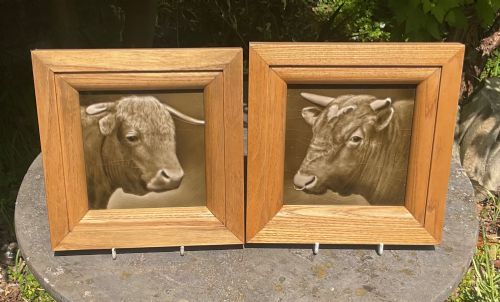
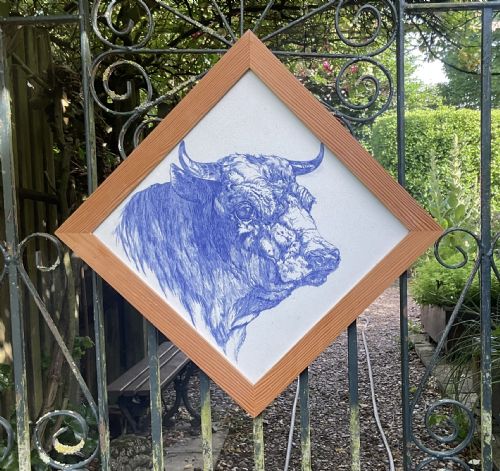
These vintage art tiles bring character to walls and furniture, offering distinct colour and surface texture from the late nineteenth and early twentieth centuries.
Vintage Art Tiles
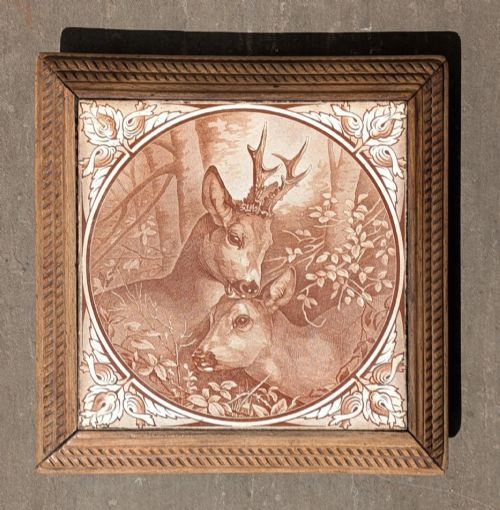
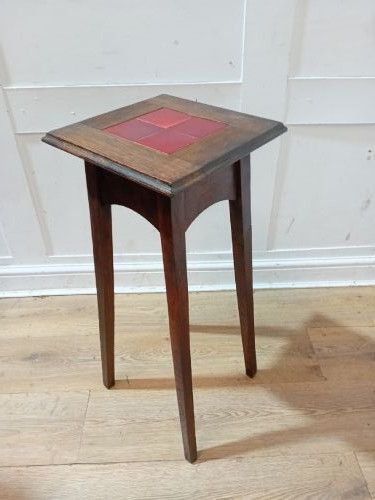
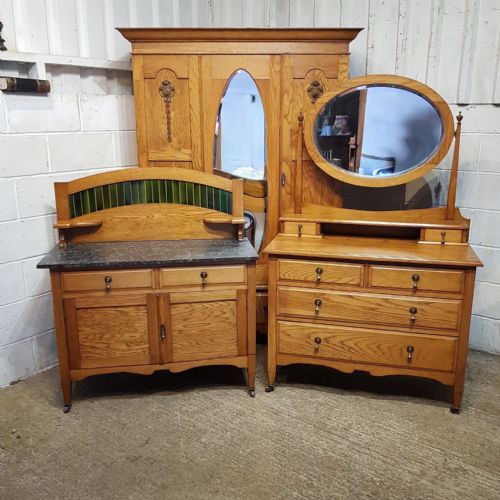
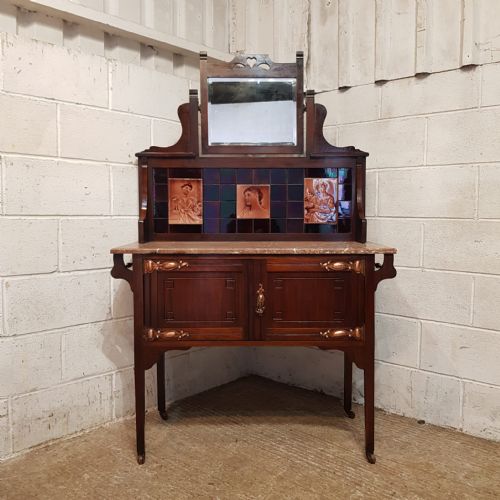
When hunting for vintage art tiles, buyers encounter individual ceramic decorative panels alongside larger pieces of furniture incorporating glazed tiles into washstands, side tables, and cabinets.
The selections span late Victorian, Edwardian, and Arts and Crafts periods, featuring both framed wall displays and structural elements integrated into oak and mahogany household items.
These pieces originate from diverse European and domestic workshops, ranging from French animalier pottery to English aesthetic designs and mid-century Italian ceramics.
How they were made
Makers utilised ceramic bodies finished with specialist glaze techniques, firing pigments into the clay to achieve lasting depth of colour and surface sheen.
Wooden frames and furniture pieces employing these ceramic inserts typically utilised oak, mahogany, or pine, built with traditional joinery to support the weight of the inset tiles.
The inventory records diverse forms including French terracotta animal figures, Dutch-style wall plaques, and table inserts.
What varies in quality
The calibre of these works rests on the precision of the glaze application and the artistic merit of the painted or moulded design, distinguishing factory output from master potter execution.
Construction standards in the surrounding woodwork, such as solid oak framing or mahogany cabinetry, mark the difference between standard utility items and high-end atelier production.
Sherwin and Cotton·Mintons·Longwy·Richard Ginori
The Vintage Art Tiles Glossary
- Glaze
- A vitreous layer fused to a ceramic body by firing, providing colour, pattern, and a protective glossy or matte finish. It defines the tactile appeal of the surface.
- Arts and Crafts
- A design movement prioritising handcraftsmanship, natural materials, and simple forms over mass-produced ornamentation. Pieces from this ethos often feature stylised flora and fauna.
- Art Nouveau
- A style characterised by organic, flowing lines, asymmetrical plant motifs, and sinuous plant forms. This aesthetic heavily influenced ceramic designs around nineteen hundred.
- Terracotta
- Unglazed or glazed fired clay of a brownish-red colour, frequently utilised for structural tiles and sculptural pottery figures. It offers a porous, robust body.
Vintage Art Tiles: Frequently Asked Questions
How were art tiles used originally?
Makers integrated these ceramic panels into washstands, fireplaces, and hall stands where moisture resistance and decorative appeal were paramount. They also functioned as standalone wall art within wooden frames.
Domestic interiors utilised them to add colour and texture to functional furniture surfaces, protecting wood from water and heat.
How do I clean tile top furniture?
Wipe the glazed ceramic surface gently with a damp cloth and mild soap, avoiding harsh abrasives that might dull the finish. Keep wooden surrounds conditioned with appropriate furniture wax.
Ensure moisture does not pool in the grout lines or wooden joints during cleaning.
Can I hang individual tiles on walls?
Framed pieces come equipped for hanging, while unframed tiles require specialist mounting brackets designed to support ceramic weight securely without causing damage.
Wall placement should avoid areas prone to dampness or heavy structural vibration.
How do I identify Arts and Crafts tiles?
Look for stylised natural motifs, earthy glaze palettes, and hand-painted or dust-pressed relief details typical of late nineteenth and early twentieth-century production.
Maker marks on the reverse often point to specific English or continental potteries from the period.