
Vintage Art Illustration
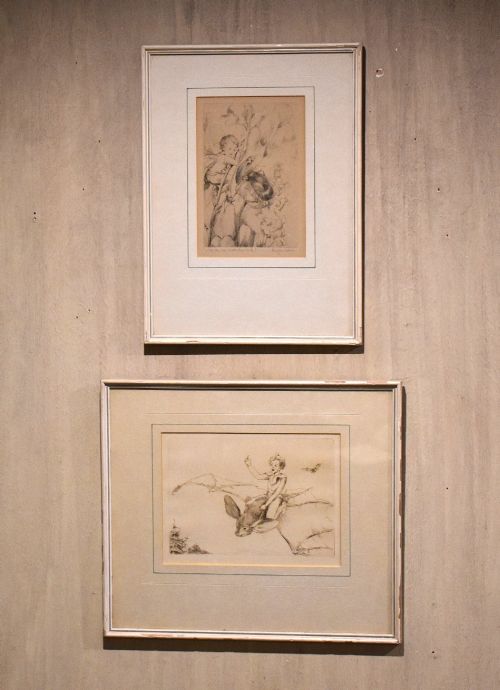
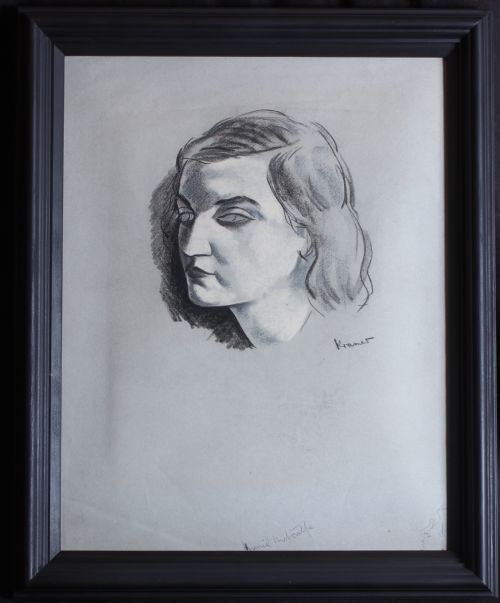
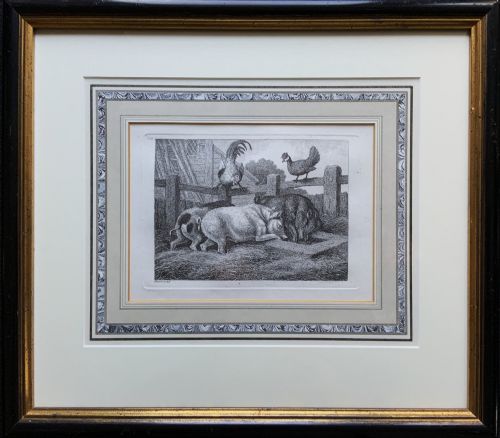
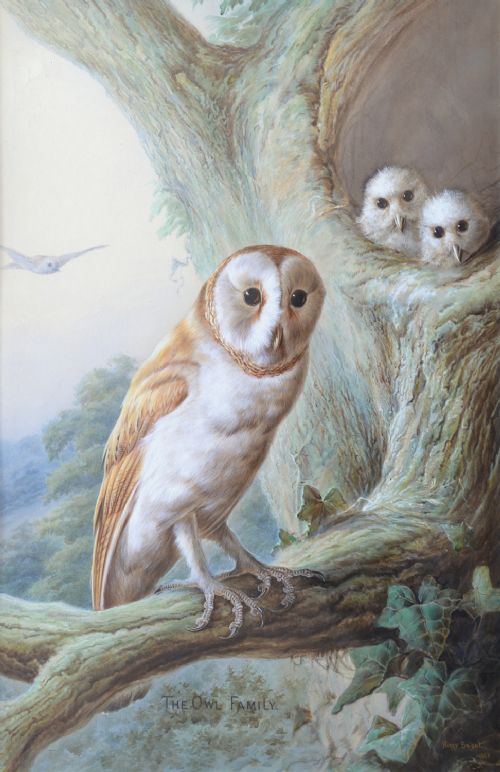
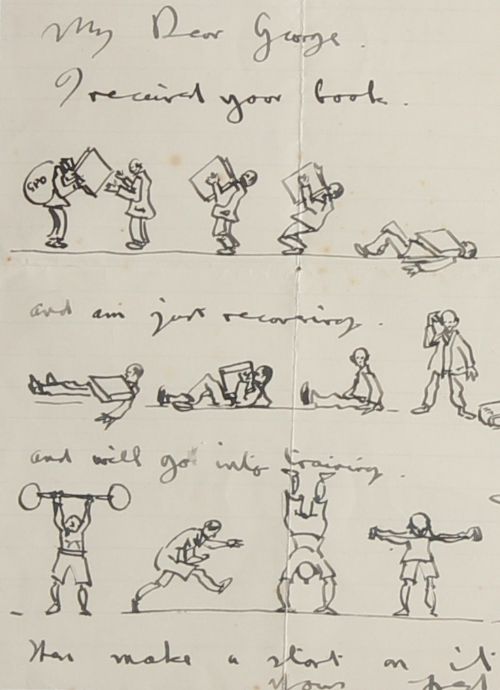
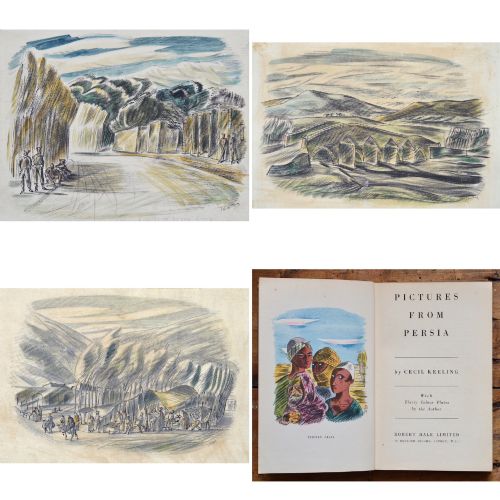
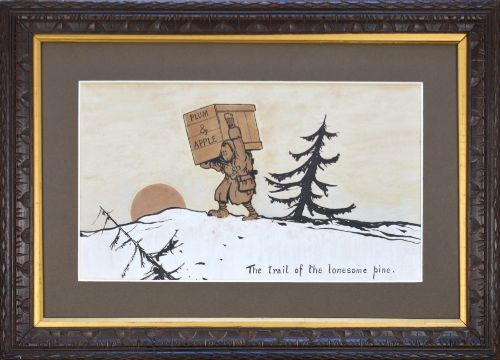
These vintage art illustration pieces span watercolours, ink drawings and hand-coloured engravings, offering historical character for interior walls.
Vintage Art Illustration
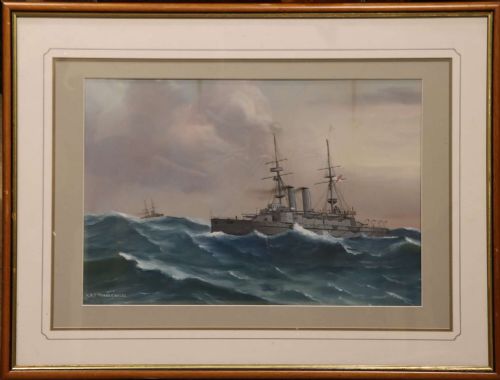
When searching for vintage art illustration, buyers encounter a diverse selection of works on paper ranging from eighteenth-century botanical engravings to mid-century modern ink drawings. The pieces span multiple centuries, capturing subjects such as natural history, architecture, portraits and maritime scenes.
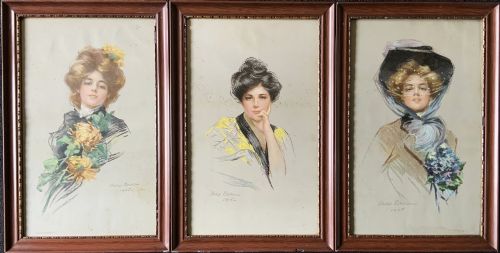
Framed artwork and original watercolours dominate the selection, often presented behind glass in period timber frames. Buyers frequently find prints and paintings originating from the Georgian, Victorian, Edwardian and mid-century eras.
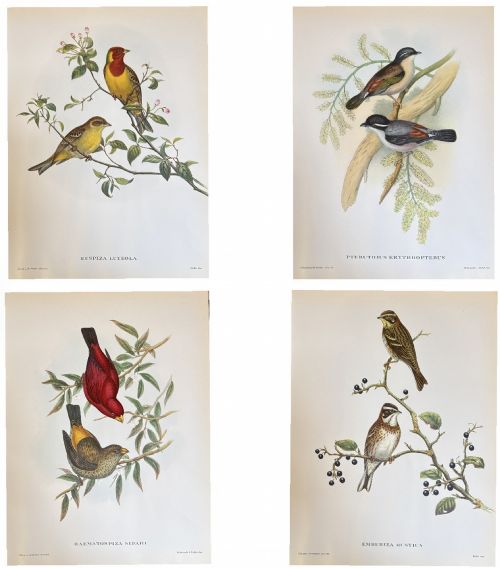
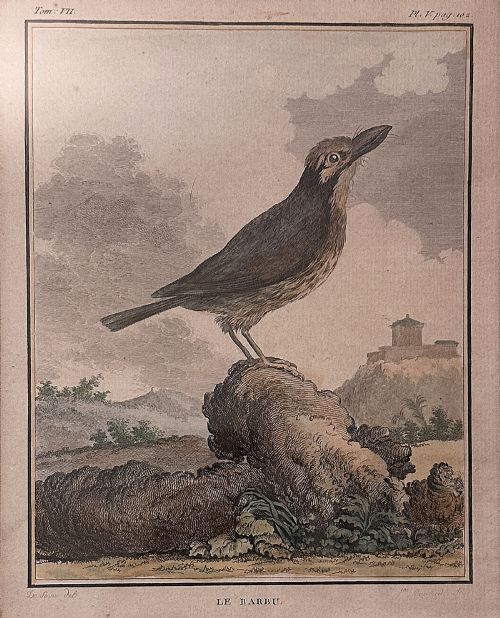
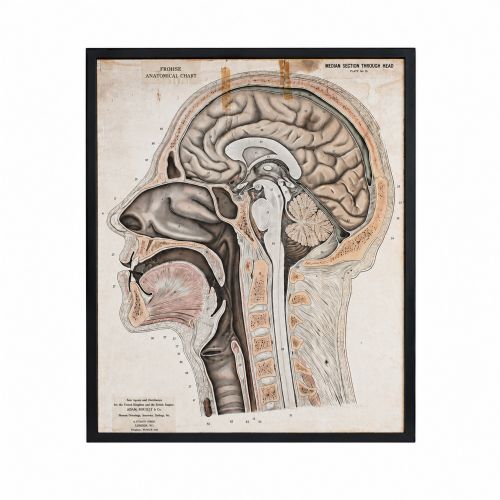
The inventory includes specialised groupings such as tropical bird prints, anatomical plates and theatrical posters. These works serve as decorative wall art for domestic and commercial spaces.
How they were made
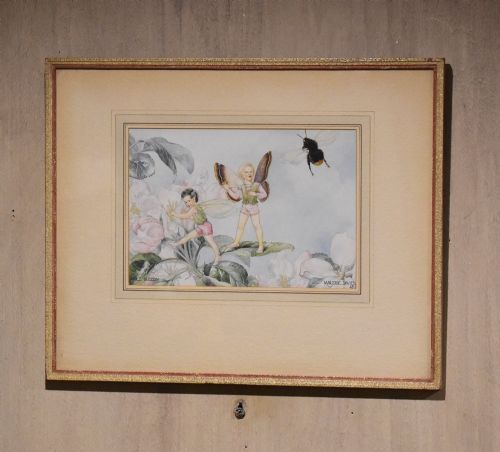
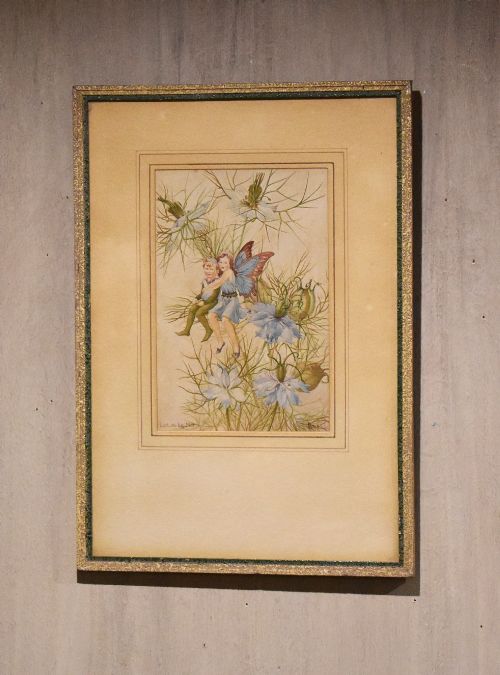
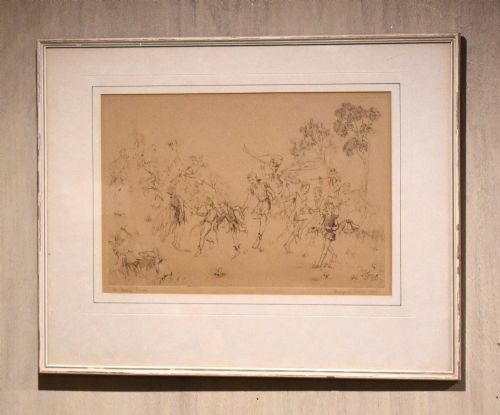
The works rely primarily on paper as a substrate, utilising mediums such as watercolour, ink, gouache and graphite pencil. Many earlier plates incorporate hand-colouring applied over engraved or lithographic lines.
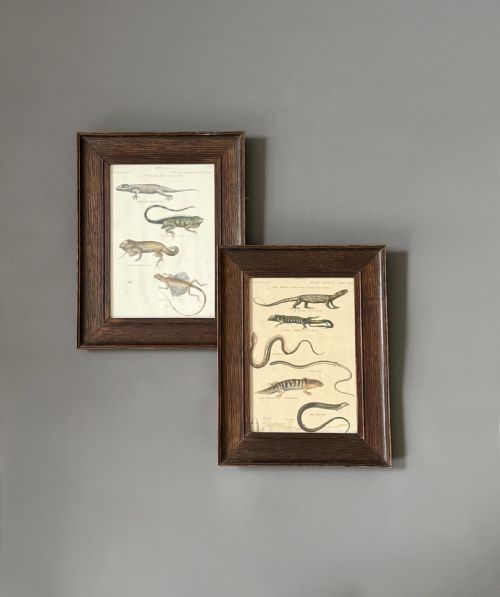
Framing materials reflect the period of production, incorporating gilt wood, rosewood and oak. Glazing protects the delicate pigments of watercolours and nineteenth-century lithographs from environmental degradation.
Periods represented span from the 18th century through the Victorian and Edwardian eras to mid-century modern.
What varies in quality
The distinction between tiers rests upon the directness of the hand. Original watercolours and ink drawings by documented artists sit above mass-produced lithographic prints, though fine printing techniques retain significant merit.
Condition of the paper and vibrancy of the pigments dictate overall standing. Works maintained without excessive fading or foxing preserve their visual impact more successfully than heavily degraded examples.
Bruce Bairnsfather·George Lorain Stampa·John Hassall·François-Nicolas Martinet·Elisabeth Sonrel·Andrew Bell·Marcellin Auzolle·Eric Tufnell·David Roberts·Frank Dobson
The Vintage Art Illustration Glossary
- Lithograph
- A print produced by drawing on limestone or a metal plate with a greasy substance, allowing ink to adhere only to the drawn areas. This method enabled precise reproduction of illustrations during the nineteenth and twentieth centuries.
- Gouache
- An opaque watercolour medium containing pigment mixed with a binding agent and white filler. It provides heavier coverage than standard watercolour and appears frequently in twentieth-century works on paper.
- Engraving
- A printmaking technique where an image is incised into a metal plate using a sharp tool. The resulting grooves hold ink for transfer onto paper under pressure.
- Watercolour
- A painting method where fine pigments are suspended in a water-based solution. It yields translucent washes that capture light effectively on paper.
Vintage Art Illustration: Frequently Asked Questions
How should I frame an antique illustration?
Select framing materials that complement the age of the artwork, such as simple timber or gilt mouldings. Ensure acid-free backing boards are utilised to protect the paper over time.
Keep the piece away from direct sunlight to prevent fading of the watercolour pigments or hand-coloured inks.
What is the difference between an engraving and a watercolour?
An engraving is a printed multiple produced from an incised plate, whereas a watercolour is a unique, direct painting created by the artist on paper. Engravings often feature fine linear details while watercolours display fluid washes of colour.
Both formats appear frequently across the periods represented in these collections.
How do I care for works on paper?
Display illustrations in rooms with stable humidity and temperature levels to prevent warping of the paper and degradation of the frame. Glazing protects the delicate surface from dust and accidental contact.
Consult a professional conservator if the paper develops spots or staining.
Are these illustrations original period pieces?
The selections encompass original drawings, paintings and period prints created during their stated dates, ranging from the eighteenth century to the mid-twentieth century. Each item reflects the distinct artistic techniques and materials of its era.
Documentation within the listings notes the specific decade or century of origin.