



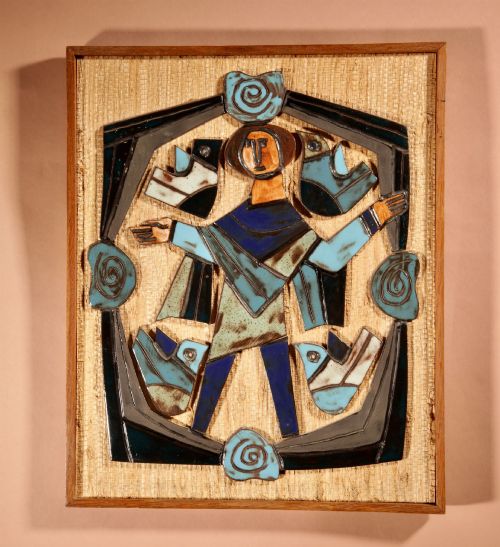
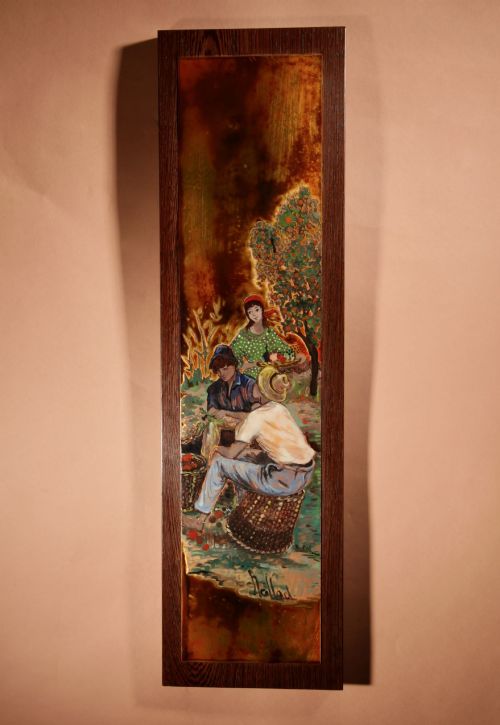
Vintage Art Frame
When you search for vintage art frame, you encounter the architectural enclosures that hold oils, watercolours, maps and prints from the nineteenth and twentieth centuries.
Vintage Art Frame
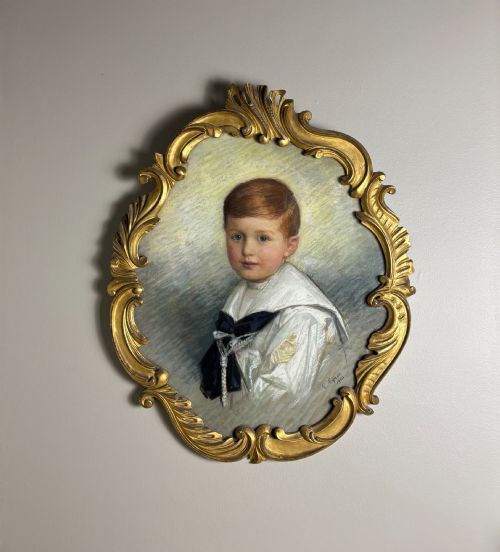
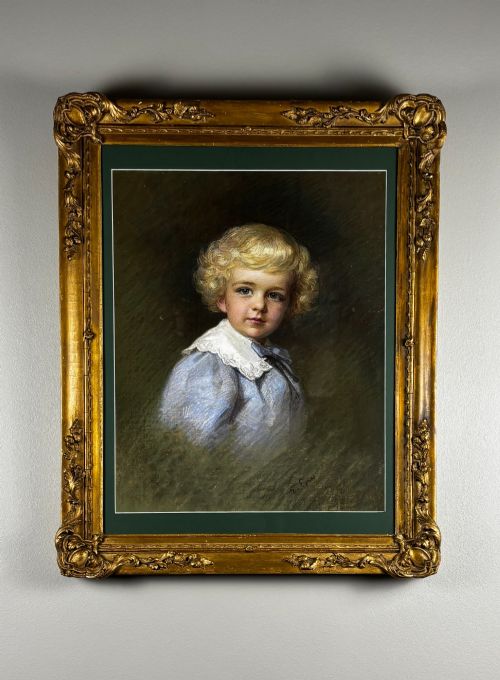
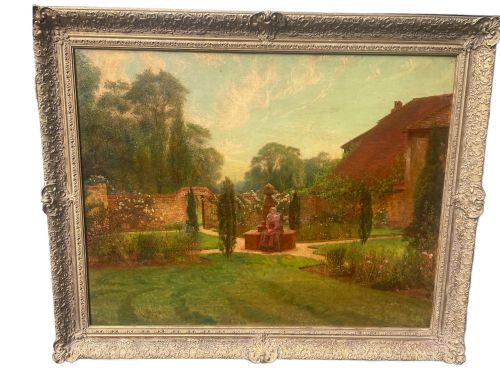
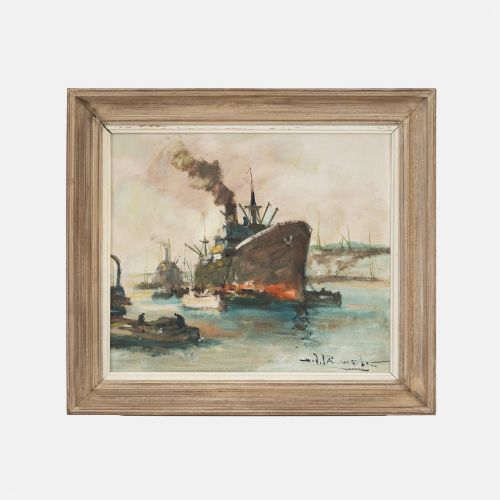
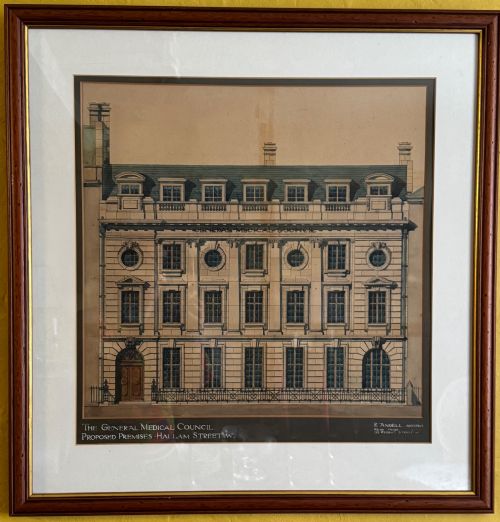
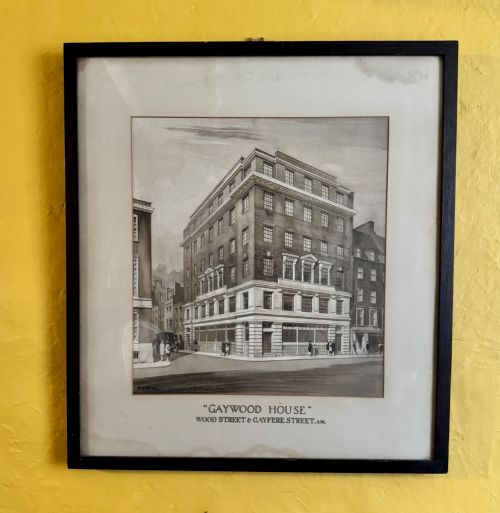
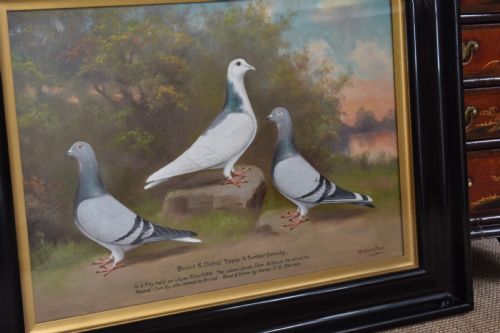
A vintage art frame exists to house and protect flat works on paper or canvas, acting as a boundary between the image and the room. The selections here include deep giltwood and gesso mouldings designed for nineteenth-century oils, alongside glazed enclosures for watercolours, prints and maps.
Most examples date from the Victorian, Edwardian, Art Deco and mid-century periods, matching the eras of the paintings and prints they contain. Buyers encounter everything from ornate Dutch school landscapes to twentieth-century illustration pieces, each paired with a period surround.
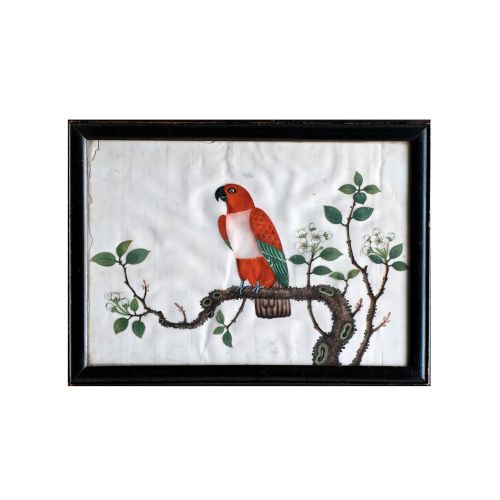
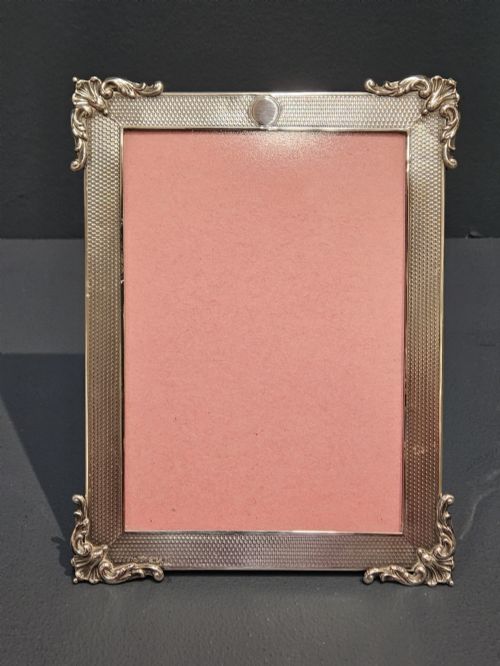
Beyond standard canvas holders, the category encompasses framed tapestries, silk pictures and portrait miniatures. These items derive their character from the interplay between the artwork and the timber, glass or metal structure enclosing it.
How they were made
Makers constructed these enclosures primarily from wood, often applying layers of gesso to create sculpted surface detail before adding a gilt finish. Guilders used thin sheets of gold leaf over preparation layers to catch the ambient light in domestic interiors.
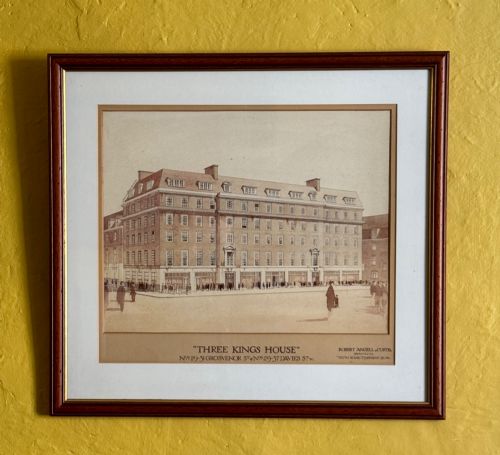
Other variations utilise plain timber, brass or leather bindings, depending on the stylistic demands of the Victorian, Edwardian or Art Deco eras. Glazed items incorporate glass sheets to protect delicate watercolours, paper maps and pastel drawings from atmospheric damage.
Vintage Art Frame Retail Price Guide 2026
Typical asking prices for vintage art frame among the pieces listed under this phrase on Sellingantiques today, from the lower quarter to the upper quarter. They describe what is for sale here now, not the wider market.
The available selection includes oil paintings, watercolours, tapestries, maps and pastel drawings from various European schools.
What varies in quality
The distinction between ordinary and superior items lies in the depth of hand-carved gesso work and the integrity of the original gilding. Mouldings shaped by hand exhibit crisp relief work and subtle tool marks that mass-produced substitutes lack.
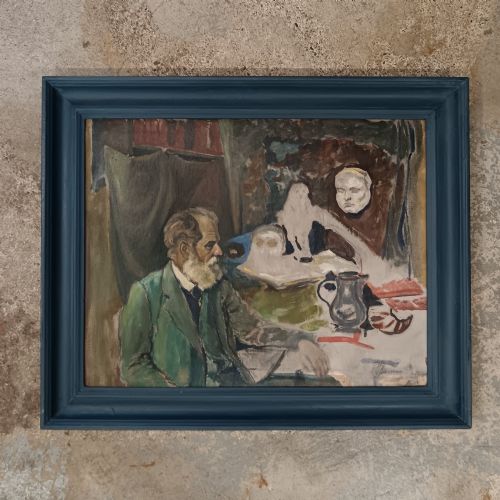
Proportion and material weight also determine distinction, as heavier timber frames and deep fluted hollow profiles provide a more substantial architectural presence. The harmony between the age of the surround and the artwork it holds dictates the cohesion of the piece.
The Vintage Art Frame Glossary
- Gesso
- A plaster-like mixture applied to wood surfaces as a base for paint or gilding. Artisans carved and smoothed this compound to create raised decorative motifs on picture borders.
- Giltwood
- Timber coated with gold leaf or gold paint. This material reflects light to illuminate the edges of oil paintings and watercolours.
- Gouache
- An opaque water-based paint used in illustrations and watercolours. It provides flat, dense colour compared to transparent watercolours.
- Pastel
- A dry drawing medium composed of powdered pigment and a binder. Works executed in this material require glass protection.
- Lithograph
- A print produced through a flat-surface printing process using oil and water repelling properties. These sheets often appear within period glass-fronted enclosures.
Vintage Art Frame: Frequently Asked Questions
How do I date a frame?
Examine the timber construction methods, joinery at the corners, and the composition of the gesso layer beneath the surface finish. Older pieces display hand-cut joinery and signs of oxidation within the substrate.
Compare the style of the moulding profile with documented periods such as Victorian, Edwardian or Art Deco. The characteristics of the surround usually align with the era of the artwork placed inside.
Can I swap the artwork inside?
Many enclosures allow for the removal of paintings or prints if the dimensions and depth match the rebate of the moulding. You must measure the internal aperture and depth carefully before attempting any replacement.
Original canvas enclosures often feature specific corner blocks or tension wedges that require careful handling. Altering antique housings can disturb historical fixings, so professional guidance is advisable.
What styles match modern interiors?
Mid-century and minimalist twentieth-century designs offer clean wooden lines that complement contemporary wall surfaces and neutral colour schemes. These pieces provide textural warmth without visual clutter.
Alternatively, deep nineteenth-century giltwood profiles create a striking focal point against plain walls by introducing historical contrast. Balance the visual weight of the surround with the proportions of the room.