

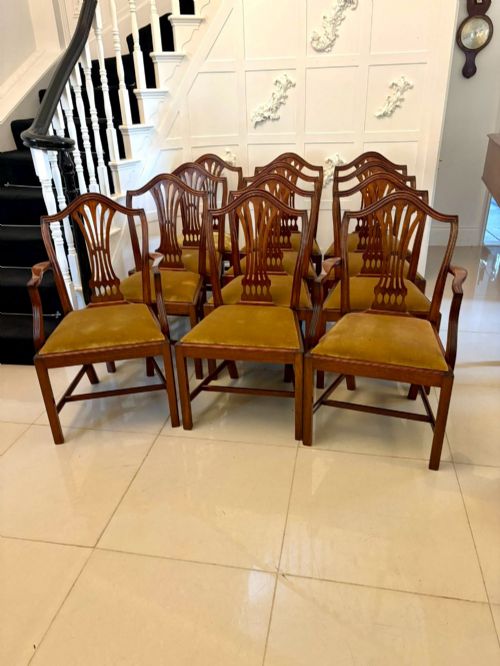
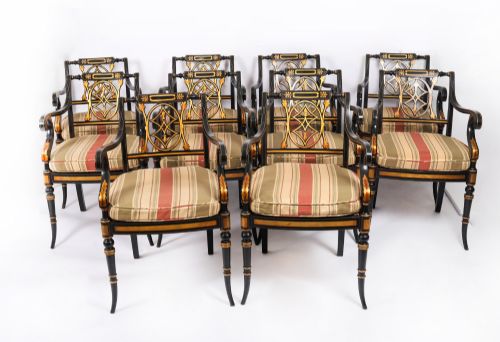
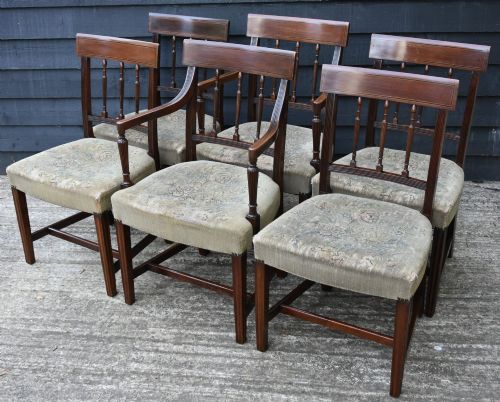
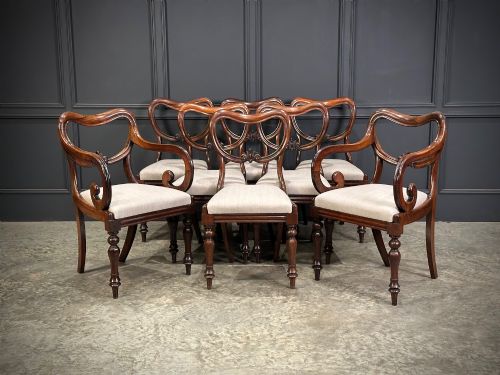
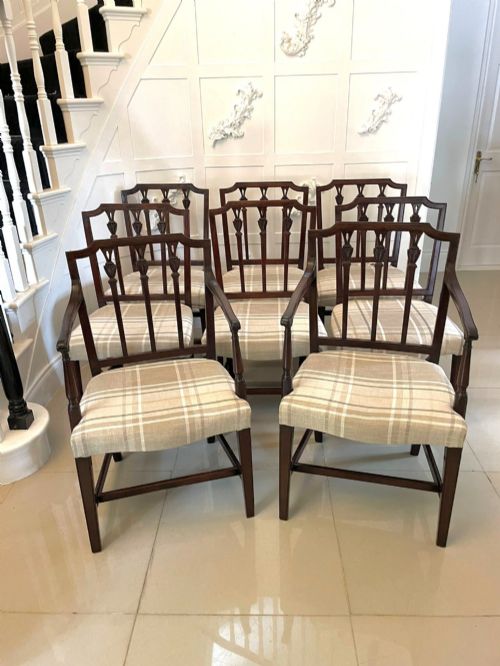
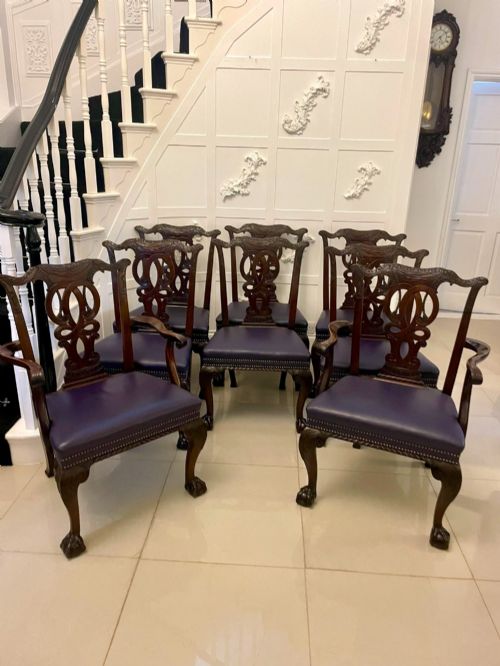
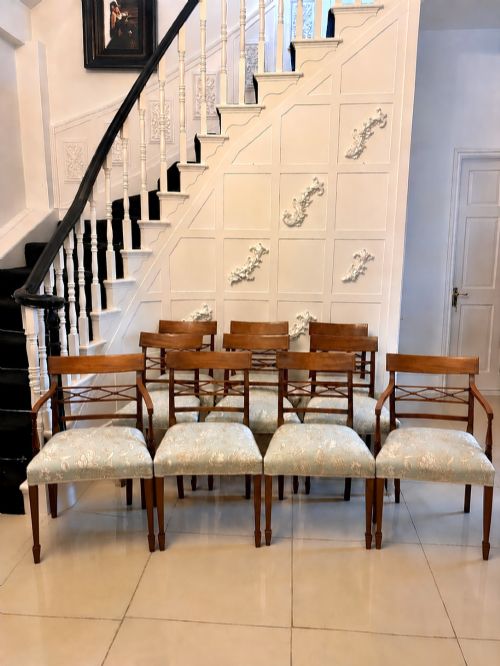
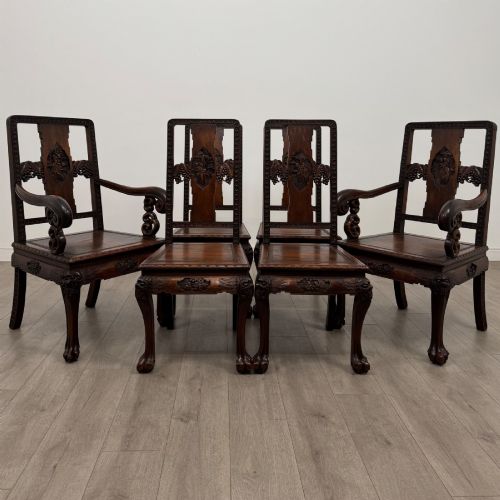
Vintage Armchair Set
A vintage armchair set brings matched comfort and formal symmetry into a room, offering grouped seating forged from decades of craft.
Vintage Armchair Set
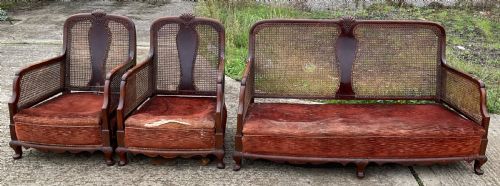
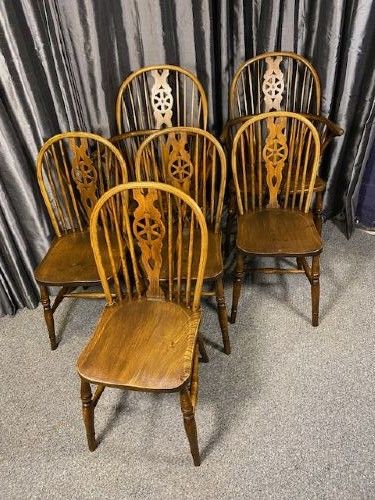
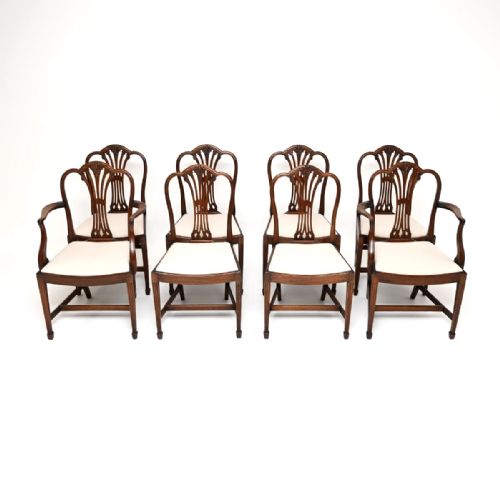
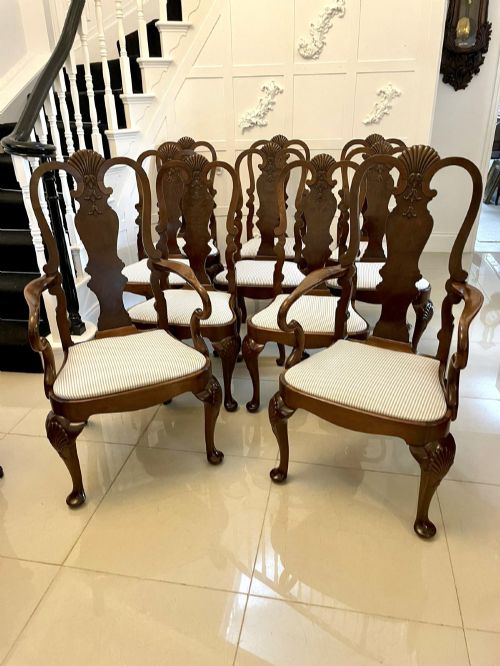
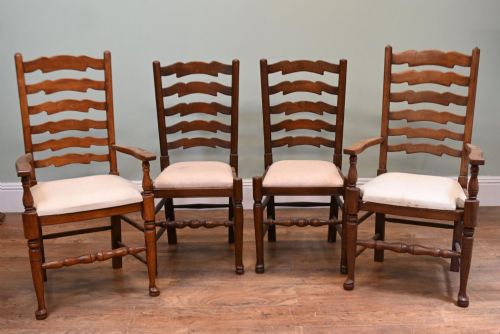
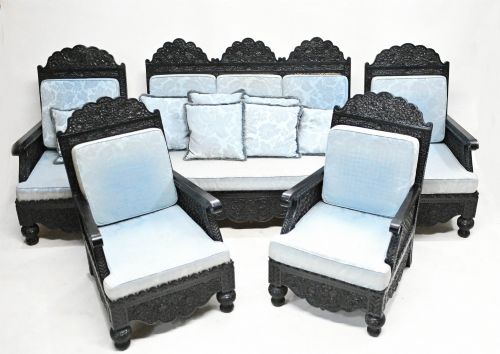
A vintage armchair set groups matching seats together, ranging from intimate pairs to larger lounge and dining groupings. When buyers search for a vintage armchair set, they typically encounter matched pairs of wingbacks, multi-piece lounge suites from the art deco and mid-century periods, or larger sets of dining carvers. These collections span the nineteenth and twentieth centuries, taking cues from earlier Georgian, Regency, and Edwardian revivals.
Materials and Construction
Cabinetmakers constructed these seating sets using dense hardwoods such as mahogany, walnut, oak, and beech, frequently turning to rosewood or padauk for specific stylistic expressions. Frames were joined using traditional methods like mortise and tenon, ensuring structural stability across multiple matching chairs. Carved details on splats, crest rails, and legs required skilled hand-tooling rather than mass production.
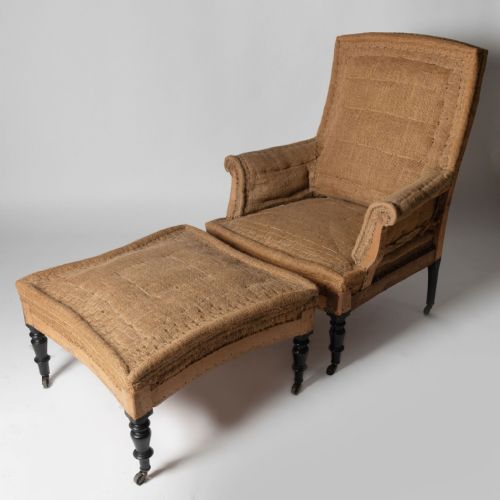
Upholstered elements relied on materials like velvet, leather, and woven cane, supported by internal stuffing and webbing. Metal elements appeared as brass mounts, castors, or structural wrought iron and brass frameworks on later twentieth-century designs. This combination of timber frames and tactile coverings determined both the tactile feel and the visual weight of each set.
Vintage Armchair Set Retail Price Guide 2026
Typical asking prices for vintage armchair set among the pieces listed under this phrase on Sellingantiques today, from the lower quarter to the upper quarter. They describe what is for sale here now, not the wider market.
Current listings demonstrate timber diversity across these sets, incorporating mahogany, oak, walnut, rosewood, elm, and padauk alongside leather and velvet.
Assessing Quality and Execution
The distinction between standard examples and superior ones rests on the crispness of carved woodwork and the uniformity of the timber across the entire group. Finer sets display deeply carved splats, well-proportioned carver arms, and carefully matched grain patterns on mahogany or walnut surfaces. Lesser versions show simpler turning, softer carving details, or noticeable variations in timber colour between individual chairs.
Integrity of construction across all pieces in a set dictates its standing. A superior grouping maintains rigid joints and uniform proportions from chair to chair, whereas lower tiers often exhibit mismatched replacements or compromised structural framing. The quality of the original upholstery platform and leather or fabric work further separates high-end workshop output from everyday domestic furniture.
Alfred Allen of Birmingham·Epstein
The Vintage Armchair Set Glossary
- Carver
- An armchair, typically designed with elbow rests, intended to match a set of side dining chairs. These often sat at the heads of dining tables.
- Splat
- The vertical wooden strip down the centre of a chair back. Pierced splats feature decorative cut-out patterns characteristic of Chippendale and Regency revivals.
- Bergere
- An enclosed upholstered armchair with wooden framing and cane or rush side panels. It originated in France and appeared in various nineteenth and twentieth-century suites.
- Wingback
- An armchair featuring side panels attached to the backrest designed to shield the occupant from drafts. They frequently appear in pairs or small sets.
- Ladderback
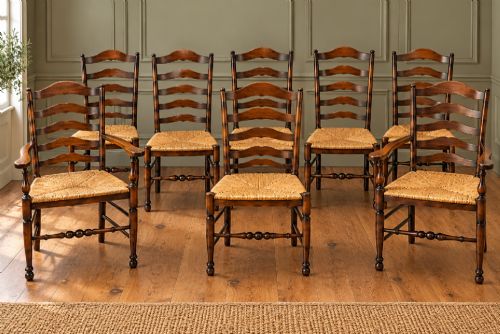
- A chair back featuring horizontal slats resembling the rungs of a ladder. This vernacular form is common in oak and ash country seating.
Vintage Armchair Set: Frequently Asked Questions
What defines an armchair set?
An armchair set consists of multiple matching seats designed in a uniform style, wood, and period. These groupings can range from pairs of lounge chairs to larger collections of dining carvers.
Such suites provide visual harmony and balanced seating arrangements for formal rooms or parlours. They ensure that pieces share identical proportions and decorative motifs.
How were these sets used historically?
These seating collections served various domestic functions, from formal dining rooms to informal conservatories and drawing rooms. Larger suites accommodated guests during social gatherings and tea services.
Armchairs with elbow rests were traditionally placed at the ends of tables or used as fireside seating. Smaller salon suites provided flexible arrangements for entertaining.
How do I care for vintage wooden chairs?
Maintenance involves keeping wooden frames away from direct heat sources and sudden humidity changes to prevent timber splitting. Regular dusting with a soft cloth preserves the original polish and finish.
Leather and upholstered elements benefit from gentle cleaning suited to their specific textile type. Avoiding harsh chemical cleaners protects the aged patina of the wood and fabric.
How can I tell different period styles apart?
Period styles are distinguished by specific carved motifs, leg shapes, and back designs. For instance, Edwardian pieces often revive Georgian or Chippendale forms with lighter proportions, while art deco sets employ streamlined shapes.
Examining the turning of the legs and the shape of the splats helps identify whether a set follows Regency, Victorian, or earlier design traditions. Construction marks and timber choices further clarify the era of manufacture.