
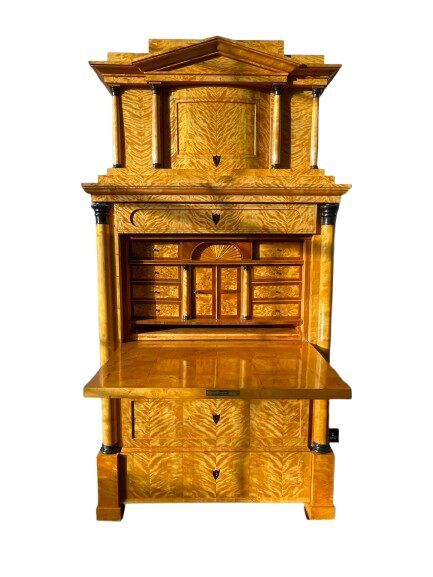
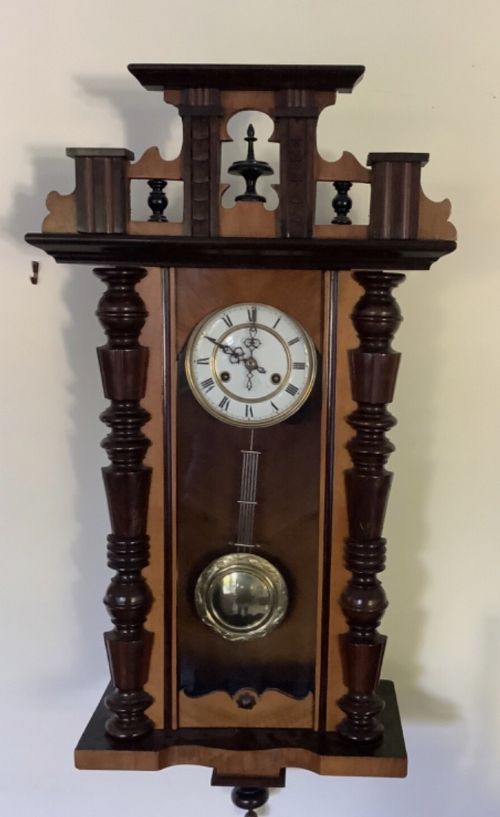


Vintage Architectural Pediment
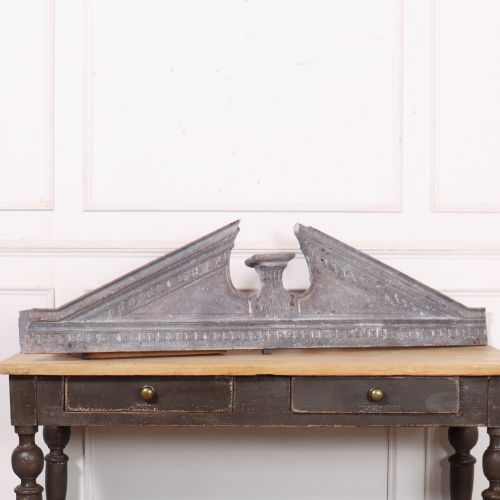
These vintage architectural pediment pieces bring classical structure and carved detail into a room, offering immediate character above doors and mirrors.
Vintage Architectural Pediment
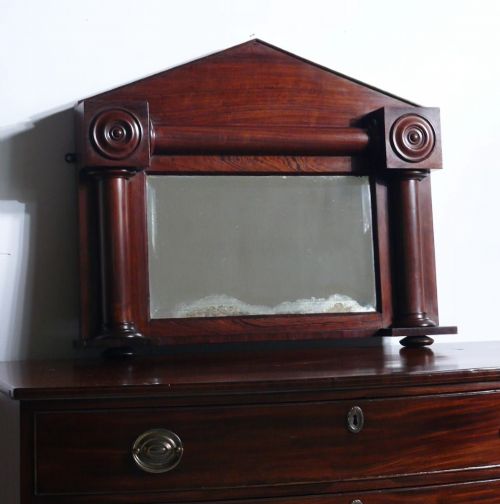
When you search for a vintage architectural pediment, you encounter decorative framing elements salvaged from interiors spanning the eighteenth to the early twentieth century. The selections available here typically take the form of wooden overdoor carvings, overmantel mirrors, and painted panels rather than standalone exterior structures.
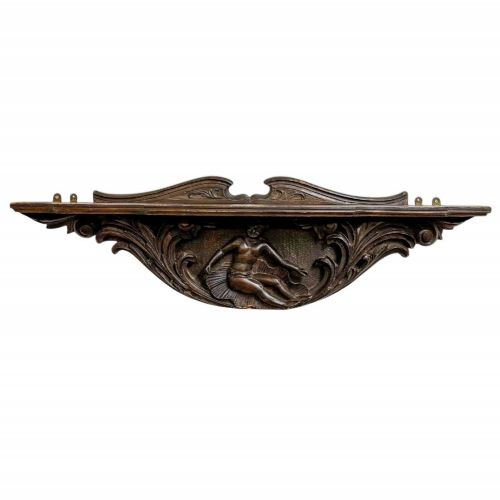
Most examples originate from the nineteenth century, reflecting Victorian, Georgian, and Biedermeier tastes in solid oak, walnut, and carved wood. You also find specialised forms such as wall shelves, picture frames, and pelmets that served a similar framing purpose in period rooms.
These items function primarily as interior focal points, mounted above doorways, windows, or fireplaces to alter the proportion and scale of a wall. Their origins range from English country houses to continental salons and fairgrounds, bringing diverse regional craftsmanship into modern spaces.
How they were made
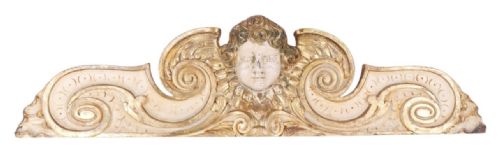
Makers shaped these architectural elements using traditional woodworking techniques on solid hardwoods like oak, walnut, and rosewood. Craftsmen carved deep relief motifs, such as cherubs and foliate scrolls, directly into the timber by hand.
Surface treatments play a significant role in their construction, incorporating hand-painted finishes, parcel gilt accents, and gesso layers over wood or plaster. Joinery methods reflect the period of origin, securing large overdoor sections and mirror frames for interior wall placement.
Periods represented range from the eighteenth century through nineteenth-century Victorian and Biedermeier eras into the early twentieth century.
What varies in quality
The depth and crispness of the hand-carved relief dictate the visual success of the piece, separating standard joinery from superior artistic execution. Finer examples display undercut details in the wood and balanced proportions that hold the eye from a distance.
The integrity of the original surface finish, whether aged paint, gilt, or polished hardwood, determines how well the object has retained its historic character over the centuries.
The Vintage Architectural Pediment Glossary
- Overdoor
- A decorative panel, pediment, or carving mounted immediately above a doorway. This element draws the eye upward and emphasises the height of a room.
- Trumeau mirror
- A tall wall mirror incorporating a painted or carved panel above the glass. These pieces originate from eighteenth-century interior decoration.
- Gesso
- A plaster-like mixture applied to wood surfaces to create a smooth base for gilding or painting. It allows for intricate moulded details on frames and pediments.
- Parcel gilt
- A decorative technique where specific areas of an object are highlighted with gold leaf. The remaining surface shows exposed wood or paint.
- Pelmet
- A framework placed above a window or door to conceal curtain fixtures. In architectural salvage, these often take the form of carved wooden cornices.
Vintage Architectural Pediment: Frequently Asked Questions
How do I hang a heavy wooden pediment?
Heavy carved wooden pieces require secure fixing into wall studs or solid masonry using appropriate brackets fitted to the rear frame.
Because these architectural salvage items carry substantial weight, professional installation ensures the structural load distributes safely across the wall.
Where should I place a vintage pediment?
These pieces look best mounted directly above interior doorways, wide openings, or low mantelpieces to frame the space.
They also function effectively as standalone wall art or above large mirrors to create architectural presence in plain rooms.
How do I clean carved wooden architectural salvage?
Remove dust gently using a soft, dry brush or a natural bristle paintbrush to reach inside the carved recesses.
Avoid liquid cleaners and harsh chemicals, which can damage aged wooden surfaces, historic paint layers, and original parcel gilt.
How do I date an architectural pediment?
Examine the wood species, tool marks left by the carver, and the composition of any underlying gesso or paint layers.
Stylistic cues such as neoclassical symmetry, Victorian heaviness, or Georgian proportions also help narrow down the period of manufacture.