



Vintage Architectural Panel
Vintage architectural panel pieces bring historic craftsmanship into modern interiors, offering tangible fragments of past buildings through carved wood, leaded glass and cast iron.
Vintage Architectural Panel
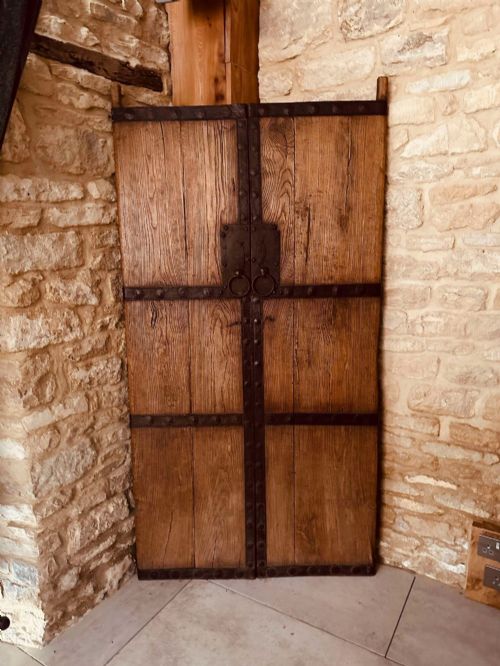
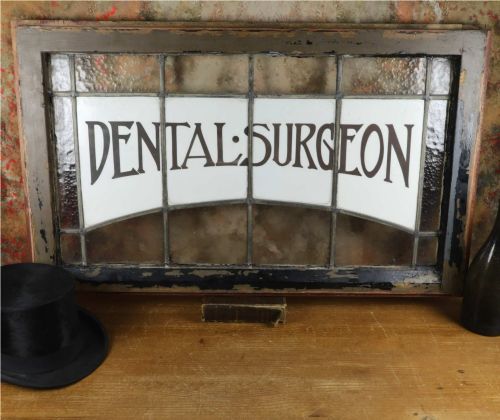
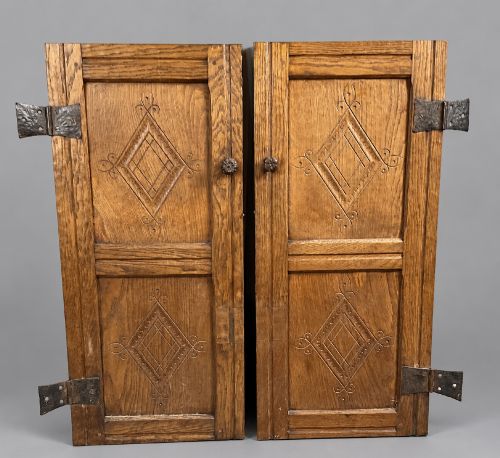
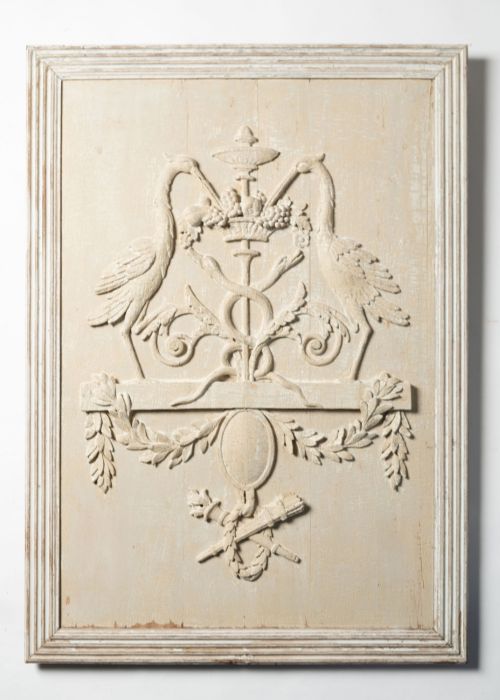
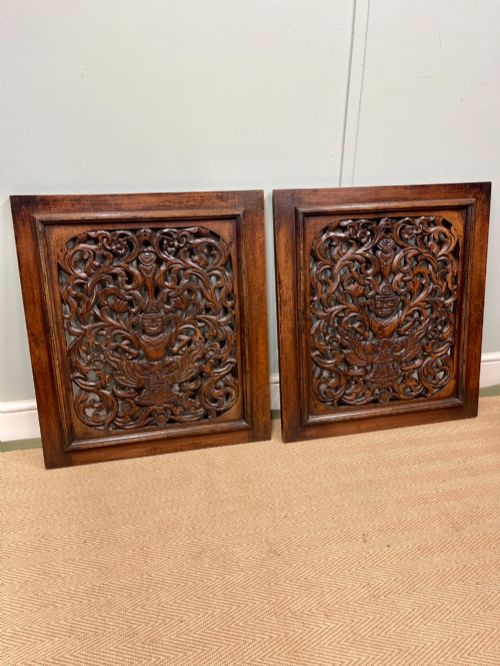
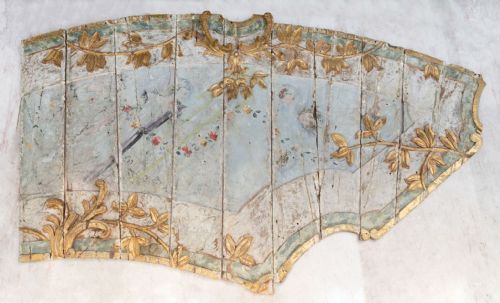
A vintage architectural panel encompasses diverse salvaged elements from domestic and public buildings, spanning centuries of design. Buyers searching for a vintage architectural panel encounter items ranging from carved wooden ceiling bosses and cupboard doors to etched pub windows and cast iron balustrade sections.
The selection extends across European and international traditions, including French hand-carved woodwork, Italian walnut panels, and intricate leaded glass windows depicting countryside scenes or floral swags. These pieces originate from distinct periods including the eighteenth century, Victorian era, Edwardian period, and early twentieth-century movements like Art Deco.
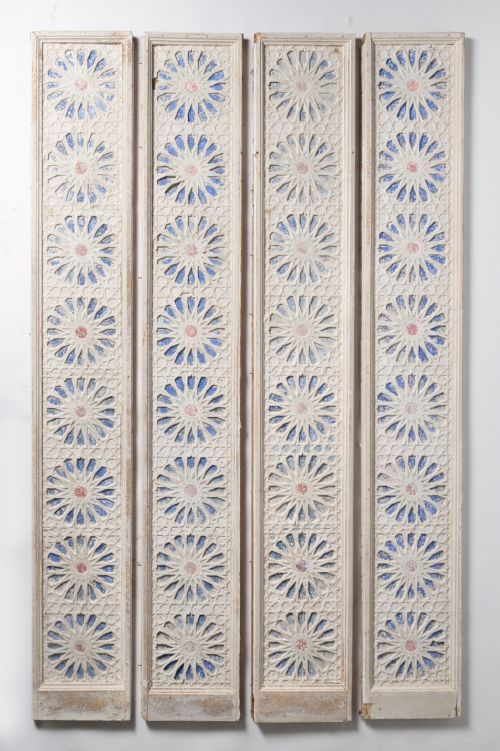
Functional items such as doors, over-door carvings, and shop window panels appear alongside decorative wall reliefs and dioramas. This variety allows collectors to integrate genuine historic structure and texture directly into contemporary spaces.
Materials and Technique
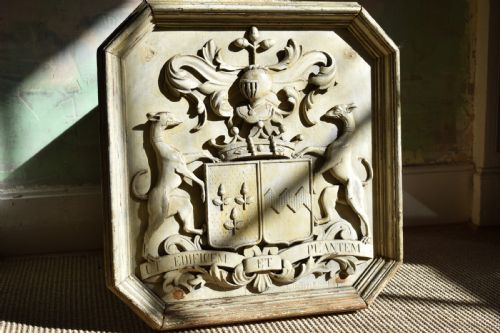
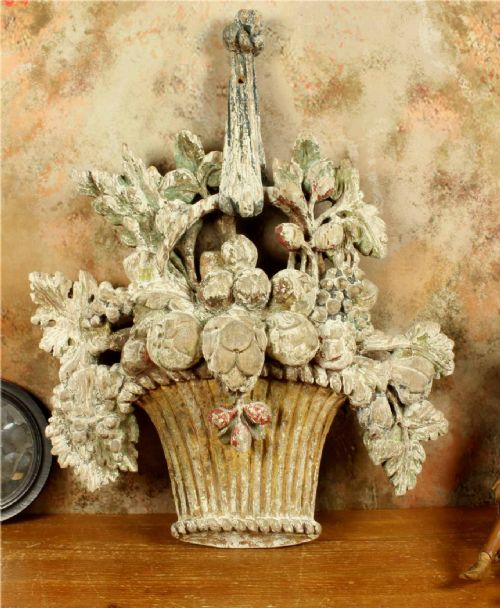
Makers shaped these panels using traditional joinery and carving techniques applied to durable timbers like oak and walnut. Artisans executed deep relief carvings by hand, producing intricate motifs such as cherubs, flower baskets, and classical swags.
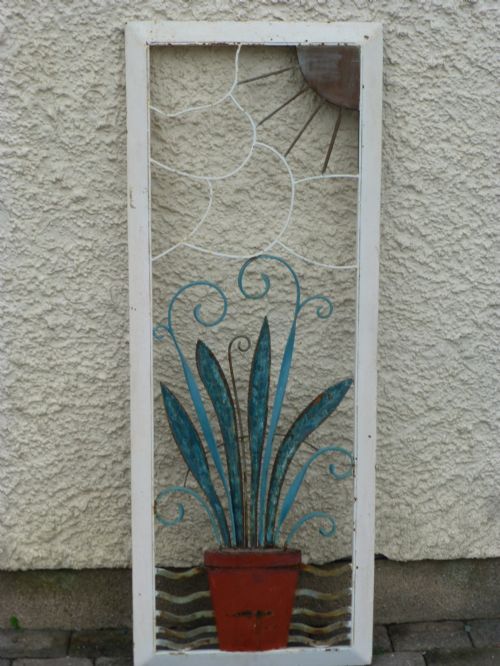
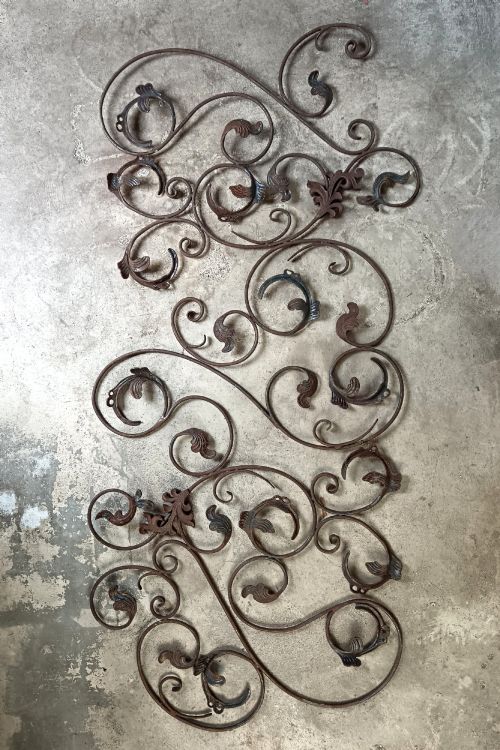
Glass panels combine lead cames with cut, painted, or etched surfaces to create detailed pictorial windows and trade signs. Metal components utilise cast iron, wrought iron, and bronze, forged into scrollwork, balustrades, and decorative screens.
Vintage Architectural Panel Retail Price Guide 2026
Typical asking prices for vintage architectural panel among the pieces listed under this phrase on Sellingantiques today, from the lower quarter to the upper quarter. They describe what is for sale here now, not the wider market.
Listings feature materials including oak, walnut, wrought iron, lead, and glass across periods from the eighteenth century through the Art Deco era.
Standards of Execution
Depth and precision of hand carving distinguish superior wooden panels from simpler machine-cut or heavily weathered alternatives. Sharp lines in etched glass and clean joins in leaded window cames indicate higher workshop competency.
The integrity of original surfaces, whether retaining early paint, natural timber patina, or untreated wrought iron, dictates the historical authenticity of the piece. Provenance and the complexity of architectural design further elevate certain examples above standard utilitarian salvage.
Raymond Subes·Paul-Élie Gernez·Francisco Sancha
The Vintage Architectural Panel Glossary
- Ceiling Boss
- A projecting block of stone or carved wood placed at the intersection of ceiling ribs. It often displays ornate foliage or figural relief work.
- Leaded Glass
- Small panes of glass held together by strips of lead called cames. This technique allows for complex geometric or pictorial window designs.
- Pietra Dura
- An inlay technique using cut and fitted polished coloured stones to create pictorial images. It appears frequently on decorative Italian panels.
- Wrought Iron
- Iron that has been heated and shaped with tools by a blacksmith. It yields strong scrollwork panels and architectural grilles.
- Leathermaché
- A composite material made from pulp and paper or leather pressed into moulds. It formed lightweight architectural decorations during earlier centuries.
Vintage Architectural Panel: Frequently Asked Questions
What is an architectural panel?
An architectural panel is a salvaged fragment from a building's structure or decoration, such as a carved wooden insert, a leaded glass window, or an iron balcony section.
These pieces were originally part of doors, ceilings, windows, or walls in residential and public buildings before being removed for preservation or interior display.
How do I hang a heavy panel?
Heavy wooden and iron panels require secure fixing directly into wall studs or masonry using appropriate brackets and load-bearing fixings.
Consulting a professional installer ensures the weight of dense materials like oak or cast iron is safely supported on interior walls.
How do I clean leaded glass?
Leaded glass panels require gentle cleaning with a soft cloth and mild, non-ammonia window cleaner applied to the cloth rather than sprayed directly.
Harsh chemicals can damage old paintwork, aged glass surfaces, and the soft lead cames holding the window together.
Are these pieces originals?
The listings comprise period items originating from the eighteenth, nineteenth, and early twentieth centuries rather than modern reproductions.
Evidence of age appears in the natural patina of the wood, hand-cut glass techniques, and traditional blacksmithing methods on the ironwork.