

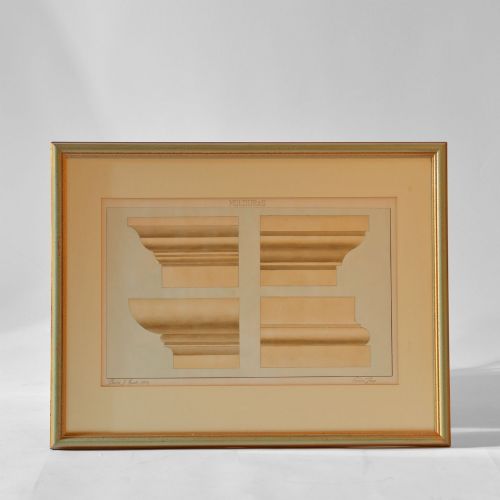


Vintage Architectural Elevations
Vintage architectural elevations are drawn plans and prints of building facades, offering a direct view into historical design and construction from past centuries.
Vintage Architectural Elevations
Vintage architectural elevations comprise paper drawings, watercolours, engravings, and lithographs depicting building facades and structural designs. These pieces range from 18th-century engravings to 19th-century watercolours and early 20th-century prints.
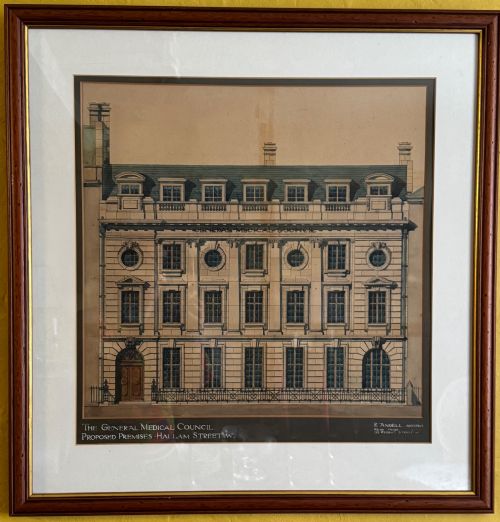
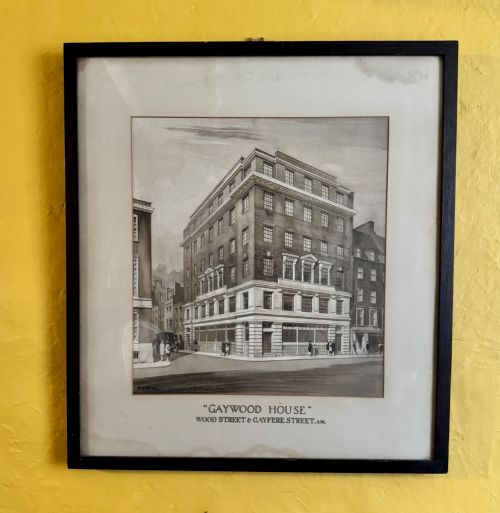
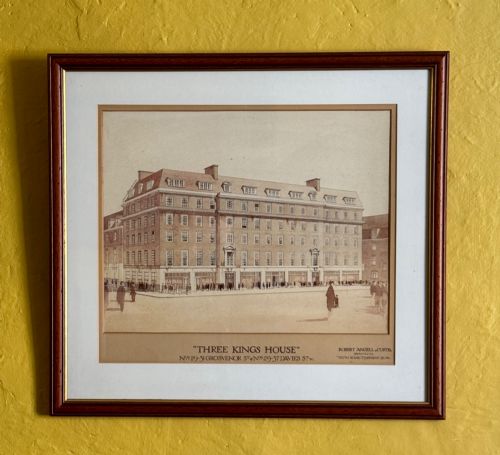
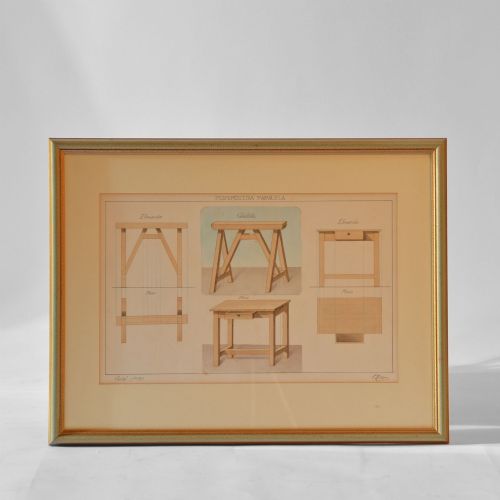
The selection includes detailed watercolours of specific London buildings, Italian architectural drawings, and French industrial lithographs. Buyers frequently encounter framed artworks, architectural prints, and hand-drawn plans originating from British, French, and Italian creators.
Subjects span from grand civic projects and royal palaces to classical temples and pavilions set in landscapes. Each piece serves as both a historical record of draughtsmanship and a decorative wall art object.
Materials and techniques
Draftsmen and artists utilised paper as the primary medium, applying ink for precise lines and watercolour for wash and colour. Engravings and lithographs represent the printed methods used to reproduce architectural designs for wider distribution.
Many works incorporate pen and ink alongside watercolour to define structural ornament and masonry details. Framing utilises wood and glass to protect these fragile paper works.
Vintage Architectural Elevations Retail Price Guide 2026
Typical asking prices for vintage architectural elevations among the pieces listed under this phrase on Sellingantiques today, from the lower quarter to the upper quarter. They describe what is for sale here now, not the wider market.
The selection spans four distinct centuries, featuring paper works executed in ink, watercolour, and lithography.
Quality and execution
The precision of the draughtsmanship and the complexity of the subject determine the standing of an elevation. Highly detailed pen work combined with controlled watercolour washes indicates superior skill compared to simpler printed reproductions.
Condition of the paper and ink stability affect the visual impact of the piece. Works that retain crisp ink lines and vibrant watercolour pigments without excessive fading or paper degradation sit at the higher end.
H. H Wyatt·Joseph Hansom
The Vintage Architectural Elevations Glossary
- Lithograph
- A print made from a flat stone or metal plate treated so that ink adheres only to the design areas. This technique allowed for the accurate mass production of architectural plans and art.
- Engraving
- An image incised into a metal plate with a cutting tool, which is then inked and pressed onto paper. This method produces sharp, fine lines suitable for architectural detail.
- Neoclassical
- A style derived from classical architecture of ancient Greece and Rome, characterised by symmetry, columns, and classical motifs. Many 18th and 19th-century drawings display these formal design elements.
Vintage Architectural Elevations: Frequently Asked Questions
What is an architectural elevation?
An architectural elevation is a technical drawing or watercolour showing the exterior face of a building. It acts as a vertical projection of the structure.
These drawings were created by architects and students to plan facades, record existing buildings, or present proposed designs to clients.
How do I hang antique elevations?
Antique paper drawings and watercolours require protection from direct sunlight to prevent fading. Framing with conservation glass helps preserve the ink and pigment.
Display them in rooms with stable humidity to avoid warping the paper or damaging the wooden frames.
How do I date an elevation?
Dating relies on the stylistic markers of the architectural period shown, such as Victorian classical revival or Edwardian details. Paper type, medium, and any inscribed dates or names also provide evidence.
Hand-drawn watercolours often bear signatures, school stamps, or specific building names that anchor them to a precise era.
Are these original drawings or prints?
The selection includes both unique hand-drawn watercolours and ink works alongside mechanical prints and engravings. Each listing specifies the exact medium used.
Original drawings feature brushstrokes and ink lines directly on the paper, whereas prints show the uniform dot patterns or plate marks associated with reproduction techniques.