


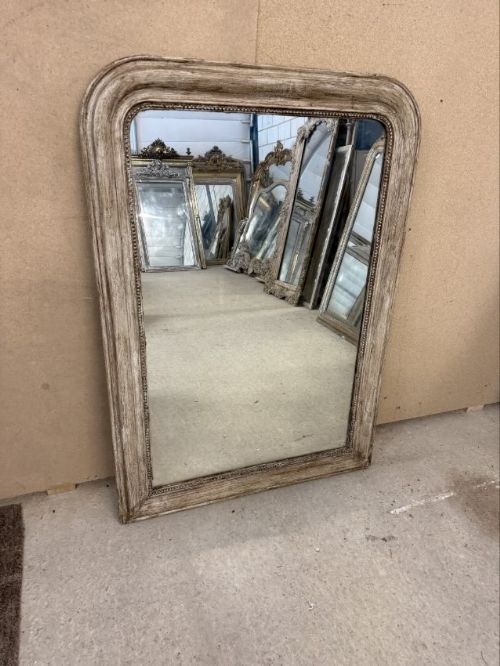
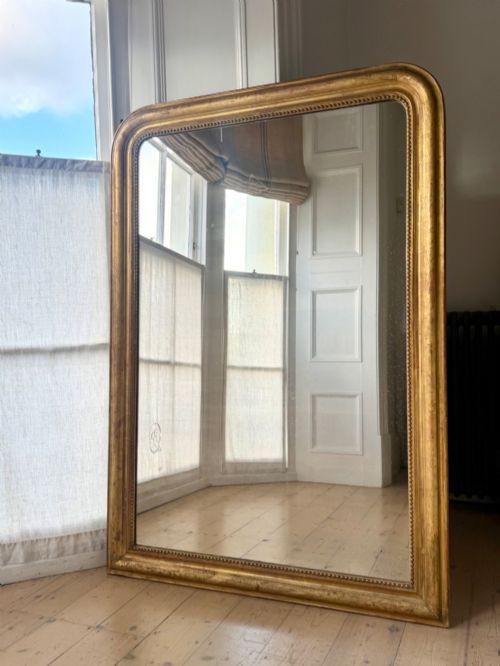
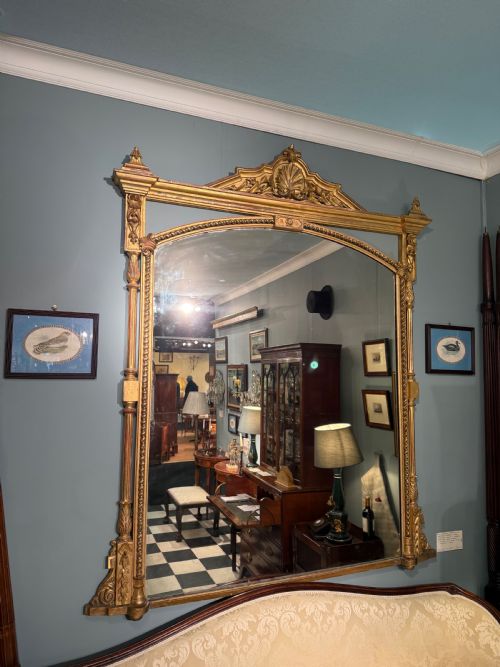
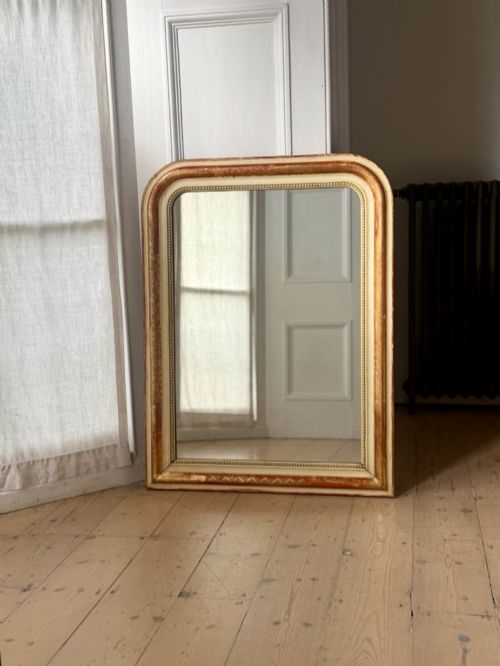
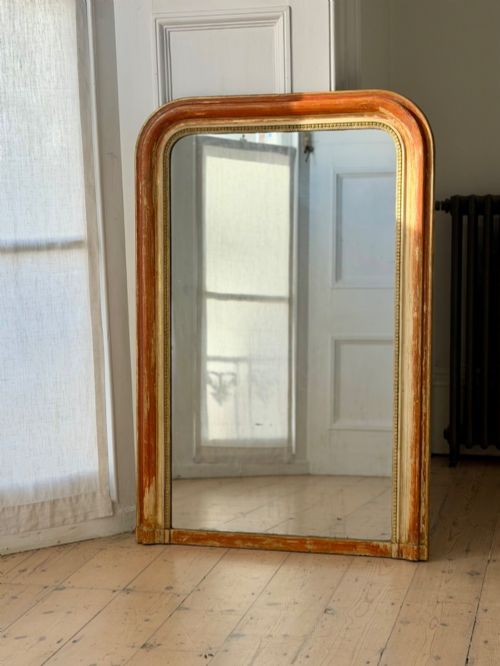
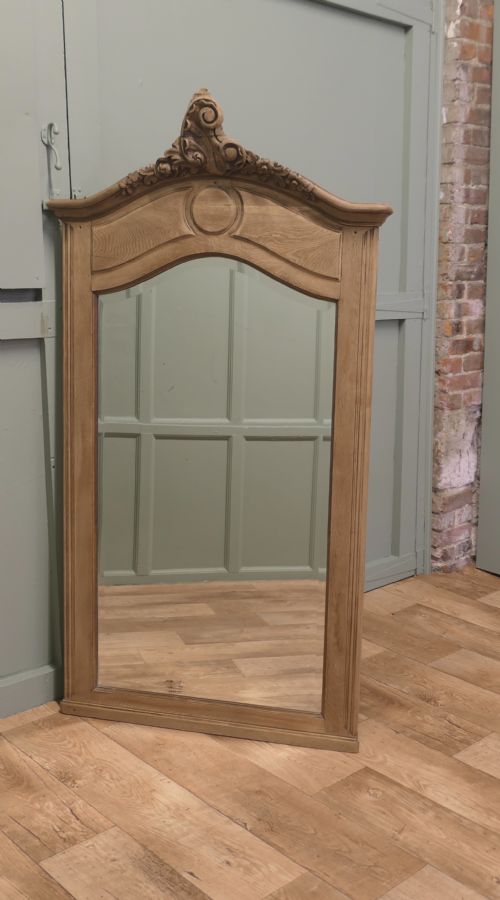
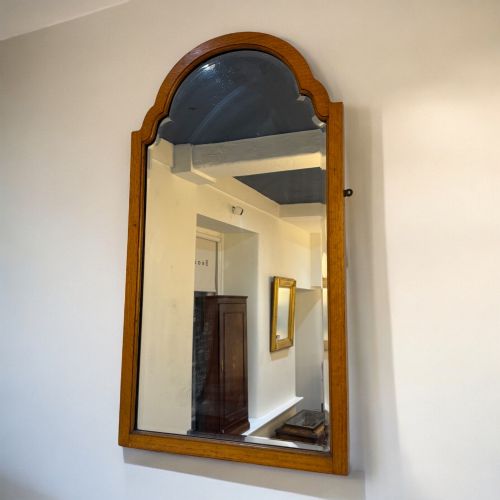
Vintage Arched Wall Mirror
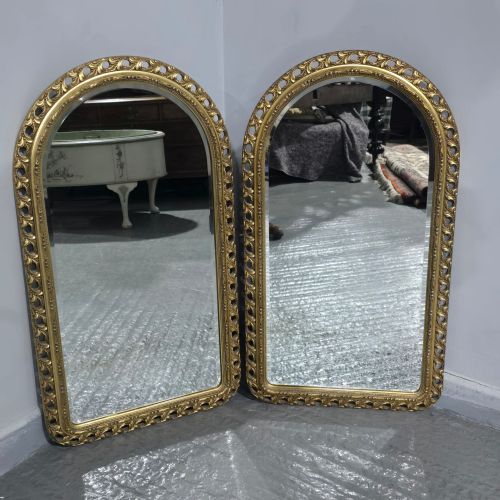
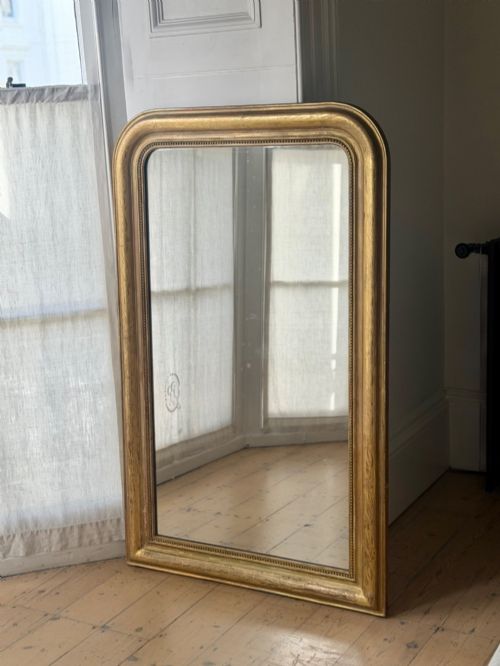
These pieces bring light and architectural presence to a room, offering the classic lines of a vintage arched wall mirror for a domestic interior.
Vintage Arched Wall Mirror
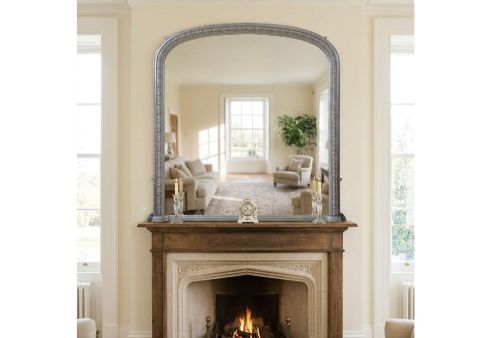
A vintage arched wall mirror combines functional reflection with distinct period character, drawing on nineteenth-century and early twentieth-century designs. Buyers seek these items to anchor a room, often placing them above mantelpieces or along principal walls where their scale creates a focal point.
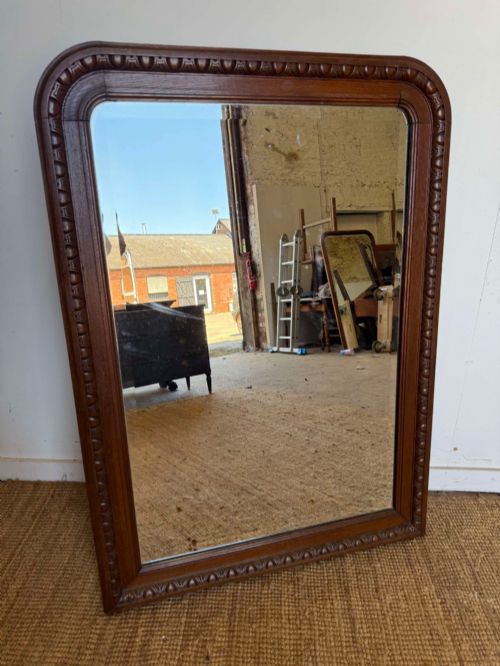
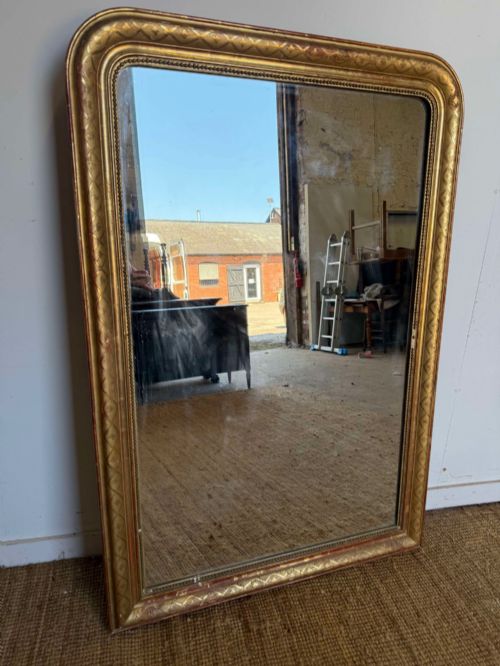
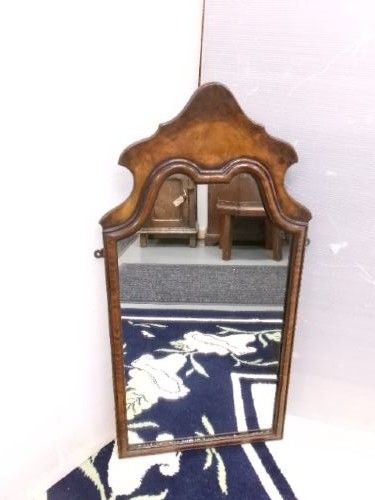
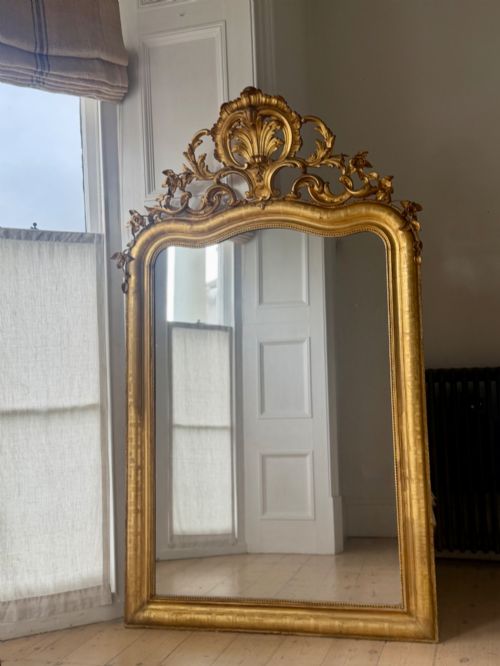
Examples range from restrained oak and walnut frames to grand gilded creations with gesso enrichment. Whether small and petite or monumental in scale, each object reflects the interior demands of its original period.
How they were made
Frames rely on carved wood and moulded gesso substrates, built from timber such as oak, walnut, or pine. Artisans applied thin layers of gold leaf or paint over prepared grounds to achieve the desired metallic or coloured finish.
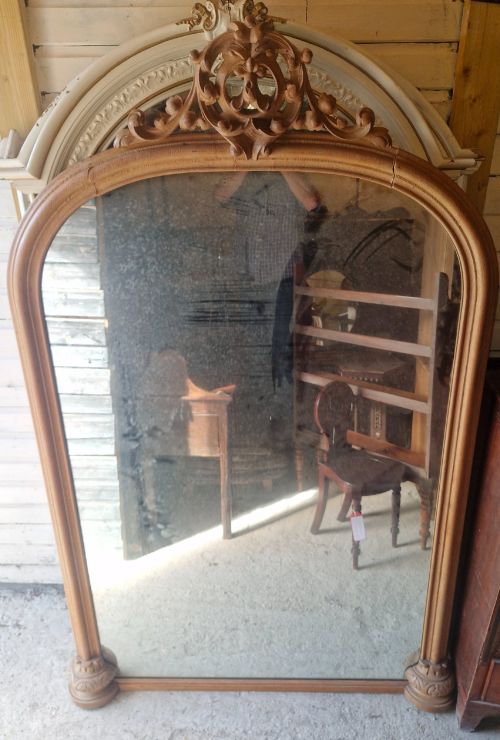
Glass panels include early mercury glass with characteristic foxing alongside bevelled and silvered mirror plates. Margin-edged and coloured glass variants, including peach and cobalt hues, demonstrate specific regional and period production techniques.
Vintage Arched Wall Mirror Retail Price Guide 2026
Typical asking prices for vintage arched wall mirror among the pieces listed under this phrase on Sellingantiques today, from the lower quarter to the upper quarter. They describe what is for sale here now, not the wider market.
What varies in quality
The depth and crispness of the carved ornament dictate the refinement of a frame, distinguishing hand-carved botanical and scroll motifs from routine cast plaster work. Original gilding and untouched gesso layers hold greater aesthetic authority than later repainted surfaces.
The condition and integrity of the mirror plate itself determine visual depth, with original silvering or natural foxing offering authenticity compared to modern replacement glass.
The Vintage Arched Wall Mirror Glossary
- Gesso
- A plaster-like mixture applied to wooden frames as a smooth base for gilding or painting. It allows intricate relief moulding before finishing.
- Giltwood
- Timber coated with fine gold leaf over a prepared gesso layer. This technique gives frames a luminous, warm metallic sheen.
- Overmantel mirror
- A large horizontal mirror designed specifically to hang above a fireplace mantel. These pieces frequently feature arched or shaped tops to mirror architectural openings.
- Pier mirror
- A tall, narrow mirror traditionally hung on the wall space between two windows. They maximise available daylight in period drawing rooms.
- Foxing
- Small dark spots and gradual degradation within the silvering of antique glass. This ageing process creates a mottled, atmospheric reflection.
Vintage Arched Wall Mirror: Frequently Asked Questions
How do I hang a heavy overmantel mirror safely?
These substantial pieces require fixing directly into wall studs or masonry using heavy-duty brackets suited to the frame weight.
Professional installation ensures the load distributes evenly across the wall structure, protecting both the antique frame and the plaster.
What is Louis Philippe style?
Louis Philippe design emerged in nineteenth-century France, favouring understated elegance and gently curved upper corners without excessive ornamentation.
Such mirrors integrate easily into modern interiors due to their clean architectural lines and restrained gilding.
Can I clean foxed mirror glass?
Foxing represents the natural oxidation of the silver backing over decades and cannot be cleaned away.
Collectors prize this characteristic ageing for the soft, hazy reflection it provides.
Where should I place an arched mirror?
An arched mirror suits living rooms, hallways, and bedrooms, particularly positioned opposite a window to amplify natural light.
Their curved tops introduce a sense of height and architectural softness to boxy spaces.