




Vintage Aquamarine Jewellery
Vintage aquamarine jewellery brings together pale blue beryl and precious metals across Edwardian, Art Deco and mid-century designs.
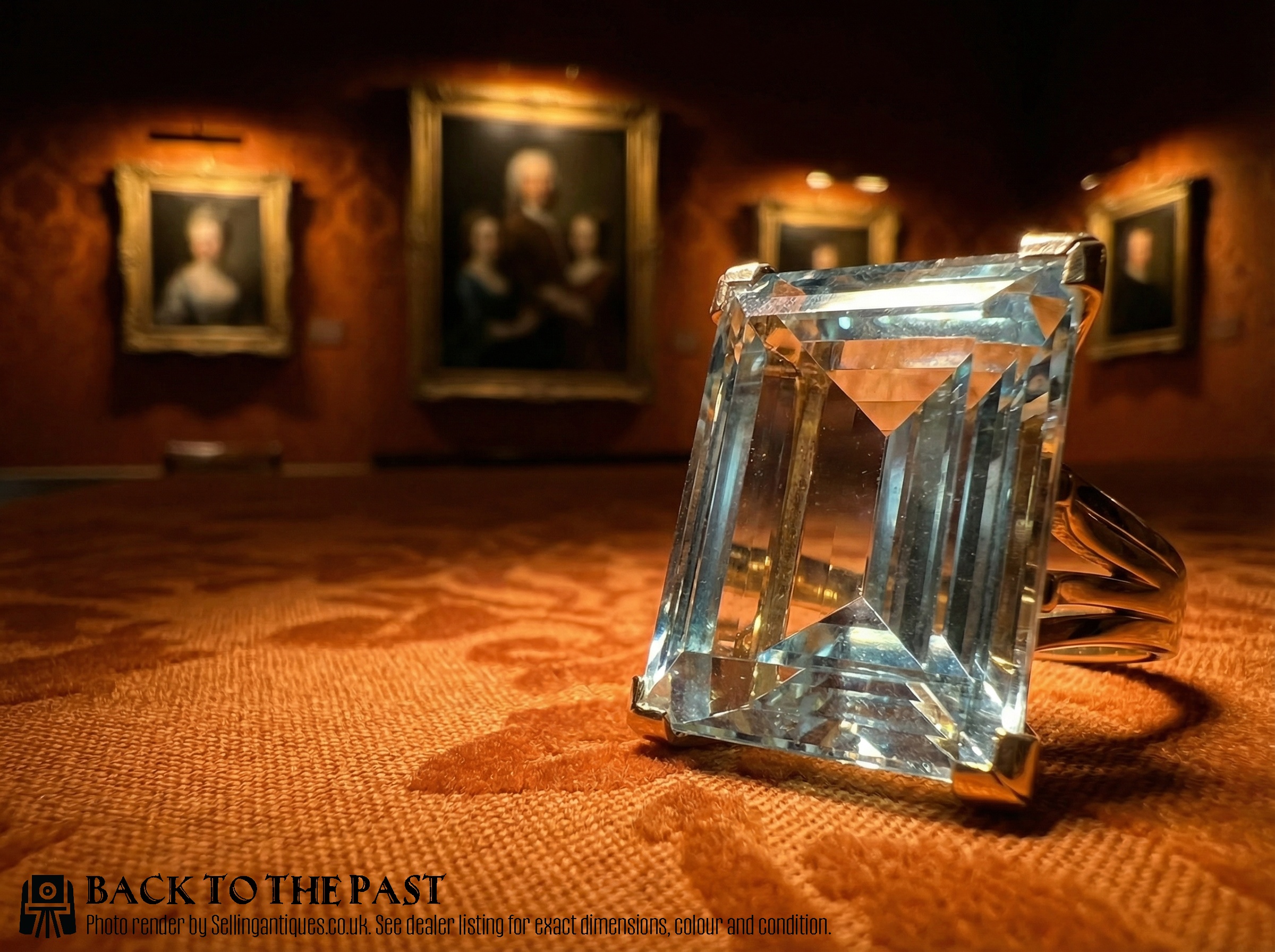
Vintage Aquamarine Jewellery
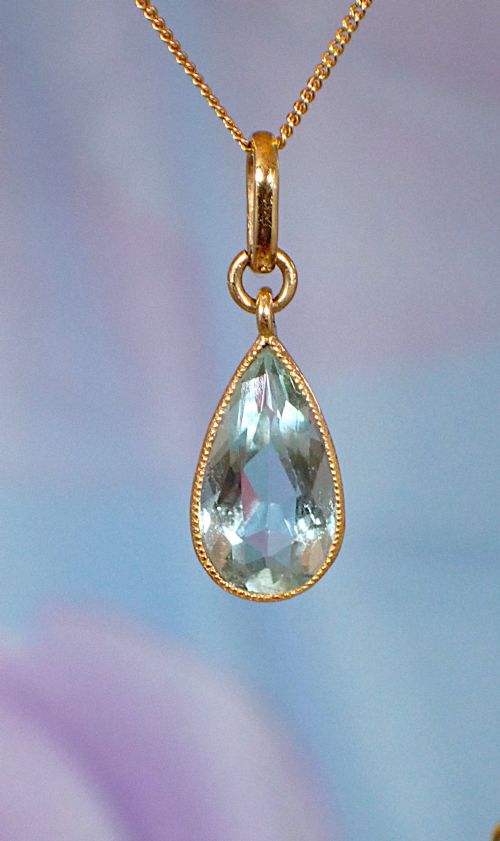
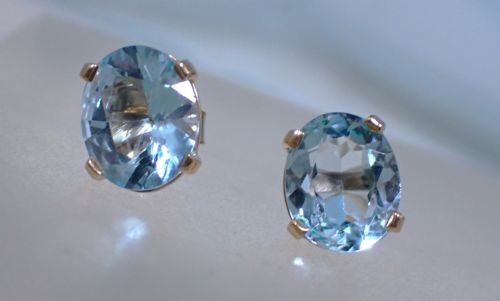
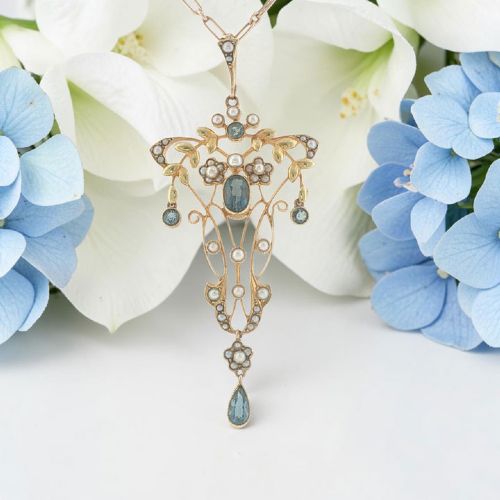
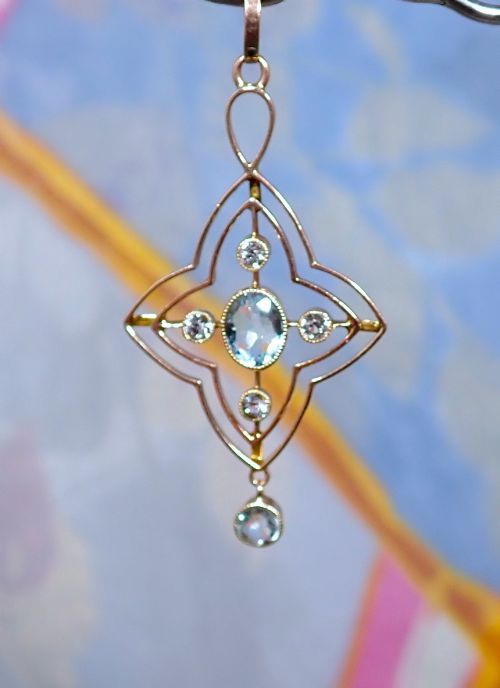
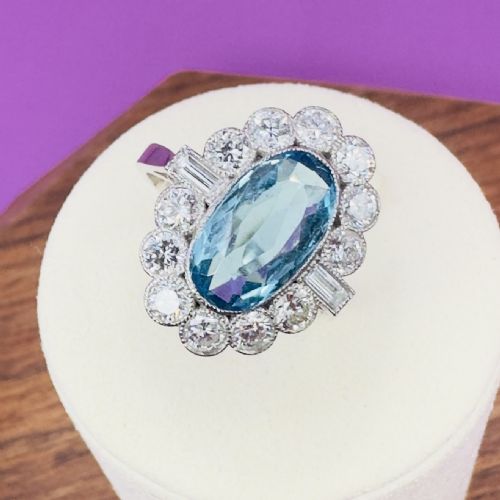
Vintage aquamarine jewellery encompasses rings, pendants, brooches, necklaces and earrings spanning from the late nineteenth century through to the 1960s. When exploring vintage aquamarine jewellery, buyers most frequently encounter Edwardian delicate gold filigree work alongside robust mid-century cocktail rings and geometric Art Deco platinum settings.
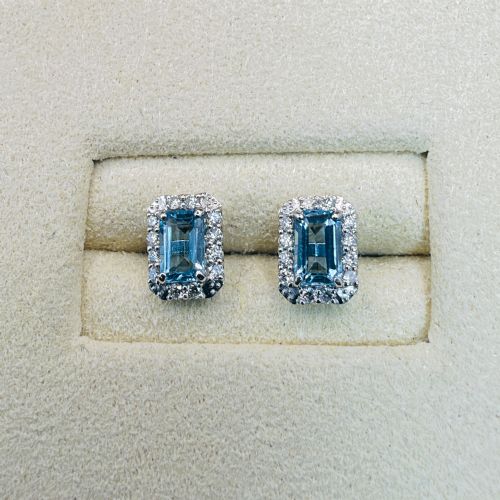
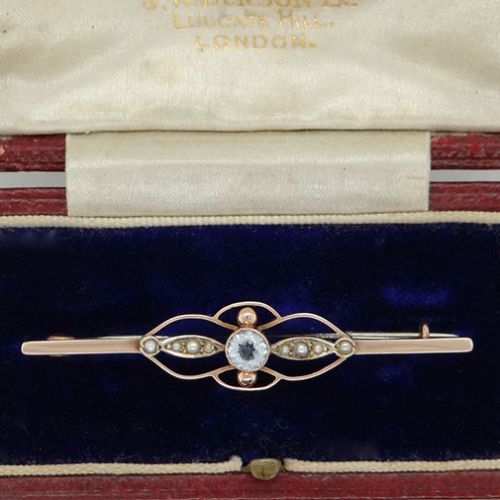
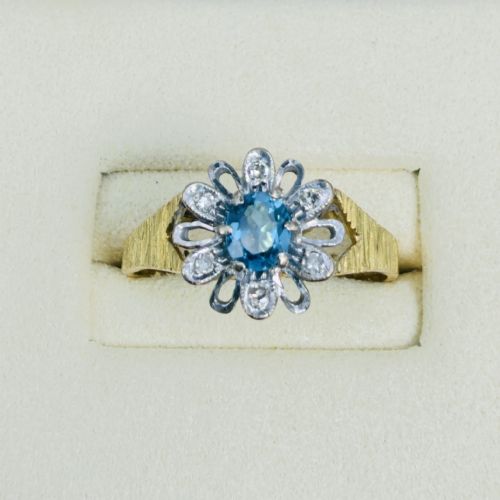
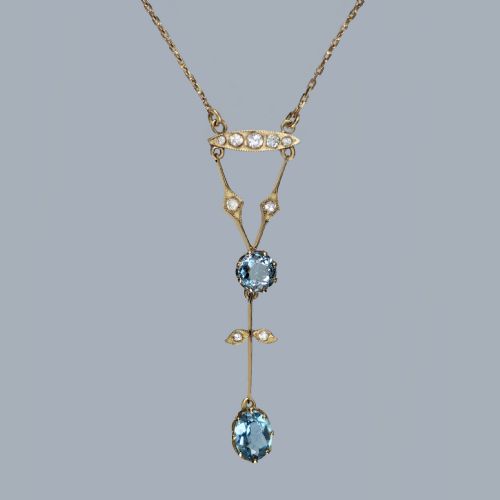
The selections range from everyday 9ct gold drop earrings and bar brooches to substantial pendants and diamond-accented cluster rings set in platinum or 18ct white gold. These pieces reflect shifting aesthetic movements, transitioning from floral Edwardian motifs to streamlined modern silhouettes by the middle of the twentieth century.
Materials and construction
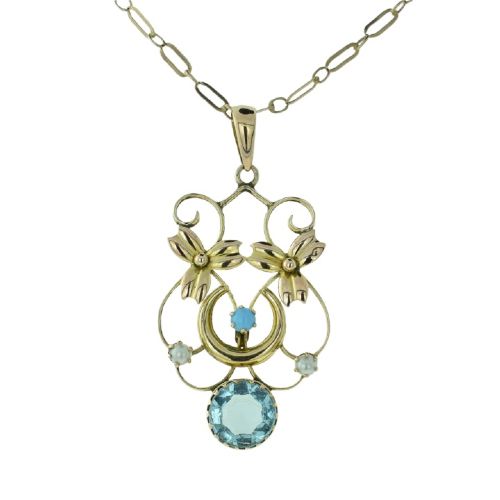
Goldsmiths constructed these pieces using yellow, rose and white gold alongside platinum, often pairing aquamarines with diamonds, seed pearls or natural sapphires. Gemstones appear in emerald cuts, oval configurations and square profiles, secured in prong or bezel settings designed to maximise light passage through the pale blue beryl.
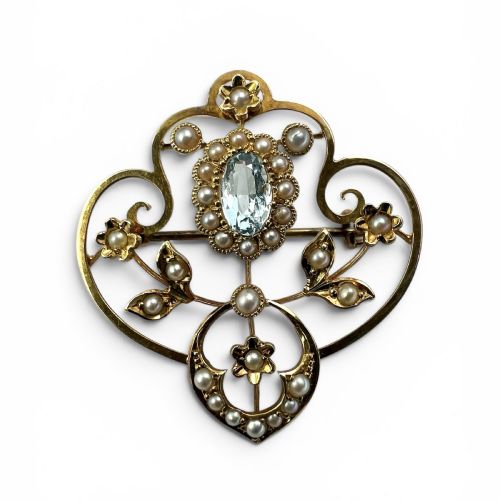
Early twentieth-century examples frequently utilise intricate wirework and fine millegrain edges, whereas later mid-century items favour heavier casts and bold stone weights. The integration of seed pearls and contrasting gemstones demonstrates period-specific assembly techniques, from delicate pendant drops to substantial cocktail mountings.
Vintage Aquamarine Jewellery Retail Price Guide 2026
Typical asking prices for vintage aquamarine jewellery among the pieces listed under this phrase on Sellingantiques today, from the lower quarter to the upper quarter. They describe what is for sale here now, not the wider market.
Listings span from the late nineteenth century through to the 1960s, incorporating platinum, 9ct, 15ct, 18ct and 22ct gold alongside seed pearls and diamonds.
Craftsmanship and stones
Quality separates along the clarity and saturation of the central beryl, alongside the precision of the surrounding metalwork and secondary gem selection. Superior pieces display deep glacial blue tones without cloudiness, paired with securely flush-set diamonds and intact structural filigree.
Execution of the mount matters significantly, distinguishing mass-produced commercial items from finer workshop output where individual stones are hand-cut to fit custom platinum or gold channels. Original settings that retain crisp edges and undamaged prongs elevate the integrity of the piece.
The Vintage Aquamarine Jewellery Glossary
- Aquamarine
- A pale blue to light greenish-blue variety of beryl named after seawater. It forms large crystals that lend themselves to substantial emerald and oval cut statement pieces.
- Millegrain
- A decorative jewellery technique involving a line of tiny raised metal beads along the edge of a setting. This detail is particularly common in Edwardian and Art Deco platinum work.
- Filigree
- Delicate jewellery openwork formed with fine twisted wire soldered together in intricate patterns. It defines much of the Edwardian and Art Nouveau metalwork on this page.
- Cluster ring
- A ring design featuring a central gemstone surrounded by a border of smaller accent stones, typically diamonds. These arrangements maximise surface brilliance and visual presence.
- Lavalier
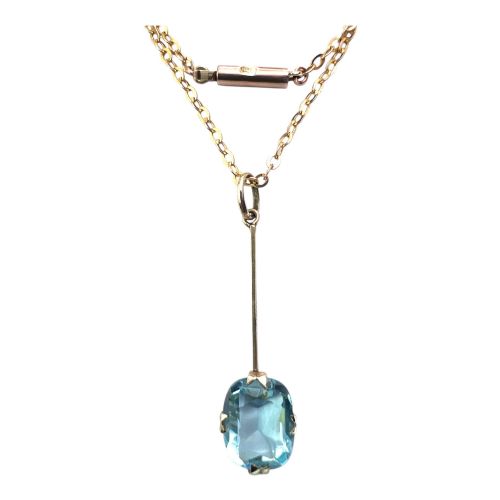
- A pendant incorporating a suspended drop stone or tassel hanging from a necklace chain. This style enjoyed widespread popularity during the Edwardian and Art Nouveau periods.
Vintage Aquamarine Jewellery: Frequently Asked Questions
How do I care for vintage aquamarine jewellery?
Clean these pieces gently using warm soapy water and a soft brush, avoiding harsh chemical ultrasonic cleaners that might dislodge delicate seed pearls. Store items individually in lined boxes to prevent harder diamonds from scratching the softer beryl facets.
Regularly check claw settings with a loupe to ensure stones remain secure, particularly in older platinum and high-carat gold mounts where prongs experience daily wear.
Are these pieces suitable for daily wear?
Aquamarine rates around seven point five to eight on the Mohs hardness scale, making it durable enough for regular use when mounted securely. Lighter pieces like bar brooches and drop earrings require minimal caution, while rings benefit from removal during heavy manual tasks.
White gold and platinum settings retain their structural integrity well over decades, though antique gold claws may occasionally require professional reinforcement by a skilled jeweller.
What metals were commonly used alongside aquamarine?
Makers paired aquamarines with 9ct, 15ct and 18ct gold in yellow and rose tones during the Edwardian era and early twentieth century. By the Art Deco and mid-century periods, platinum and 18ct white gold became predominant for highlighting the icy blue colour of the beryl.
Occasional pieces incorporate lower gold purities or contrast the blue stones with unexpected accents like yellow topaz, rubies, onyx and turquoise.