



Vintage Apprentice Cabinet
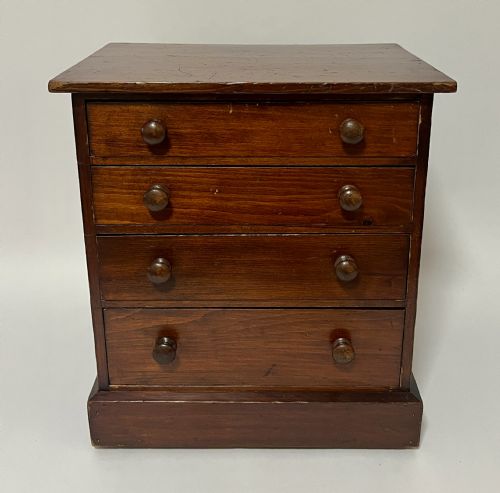
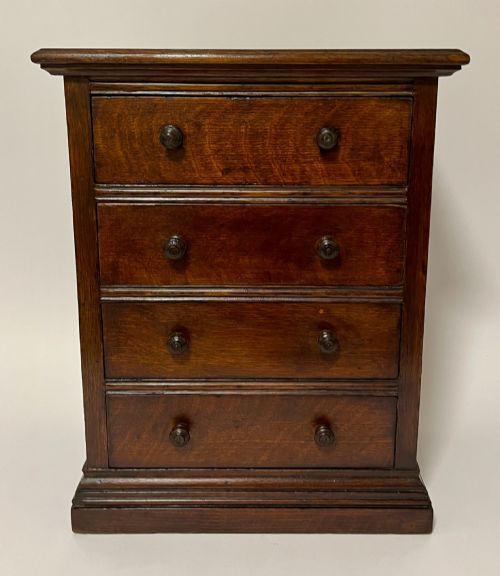
A vintage apprentice cabinet is a scaled-down domestic piece made to demonstrate a cabinet maker's skill or serve as a diminutive storage chest.
Vintage Apprentice Cabinet
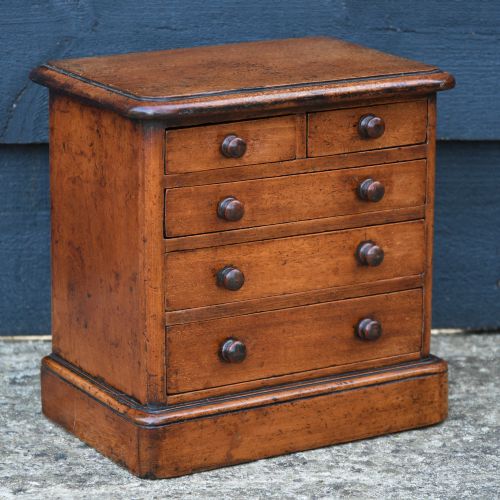
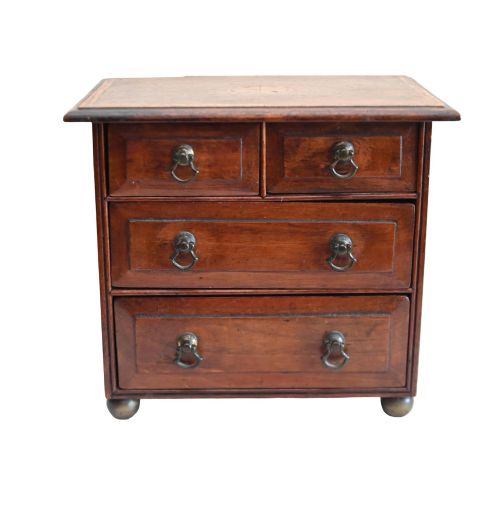
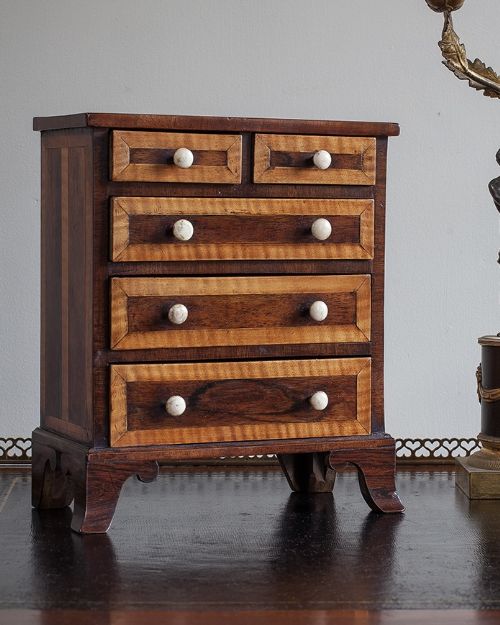
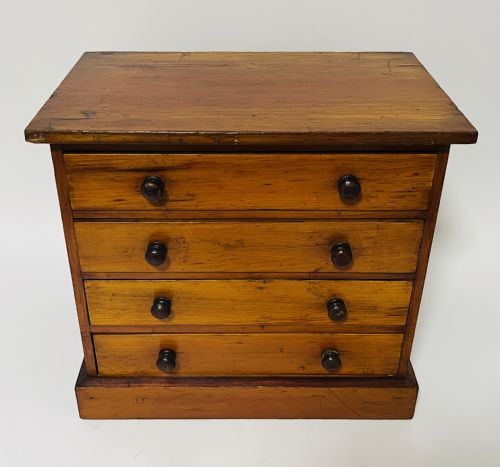
When you search for a vintage apprentice cabinet, you encounter miniature chests of drawers, tabletop storage units, and small collectors cabinets spanning the eighteenth to the early twentieth century. The Victorian era supplies a large share of these pieces, alongside Georgian, Edwardian, and earlier examples fashioned in miniature proportions.
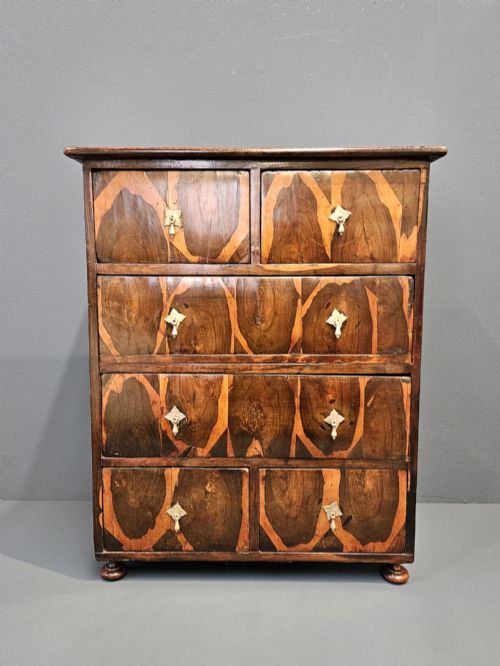
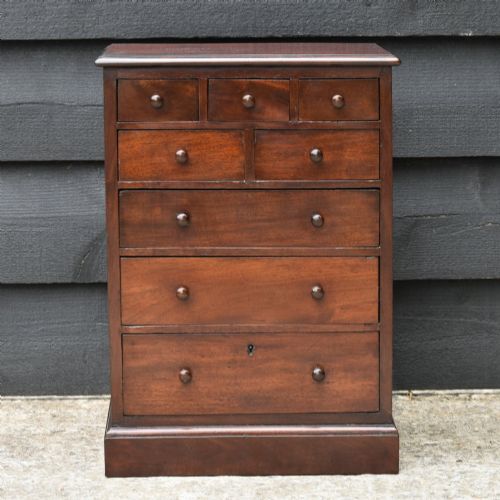
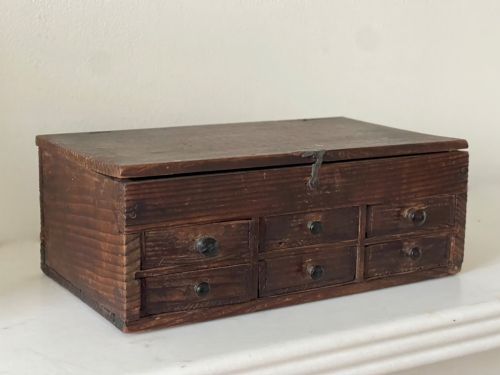
Makers produced these forms as salesman samples, master craftsman submissions, or functional small-scale furnishings for domestic use. Forms range from simple pine spice boxes and wall-hanging cabinets to elaborate walnut secretaire cabinets and mahogany chests fitted with brass drop handles.
The materials reflect standard cabinet-making timbers of their respective periods, predominantly mahogany, oak, pine, and walnut, often enhanced with brass hardware or bone details. These items functioned historically as portable storage for jewellery, watch parts, specimens, and dried herbs.
How they were made
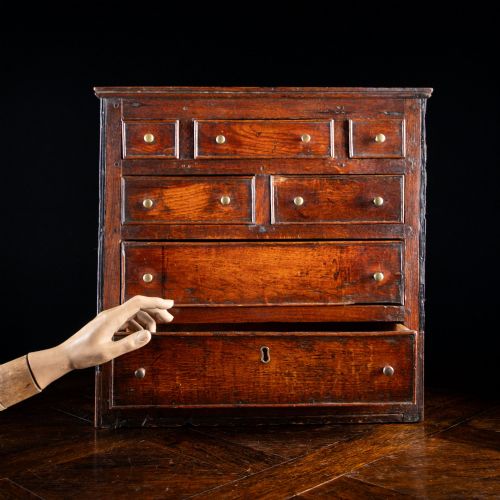
Carpenters constructed these miniature pieces using solid hardwoods like mahogany, oak, and walnut, alongside utilitarian softwoods such as pine. Joinery mirrored full-scale furniture production, utilising dovetailed drawer construction and pegged joints appropriate to the Georgian and Victorian periods.
Hardware additions included brass drop handles, small locks, and hinges, while decorative touches encompassed inlaid wood, stained pine surfaces, and French painted finishes. Interior configurations varied from simple open shelving to fitted compartments designed for specific collections or tools.
Vintage Apprentice Cabinet Retail Price Guide 2026
Typical asking prices for vintage apprentice cabinet among the pieces listed under this phrase on Sellingantiques today, from the lower quarter to the upper quarter. They describe what is for sale here now, not the wider market.
Listings incorporate timber varieties spanning mahogany, oak, walnut, pine, and bone, alongside metals like brass and iron.
What varies in quality
The fidelity of the proportions and the precision of the miniature joinery separate standard trade pieces from superior examples. Masterpieces created for guild acceptance demonstrate rigorous attention to detail in drawer linings, dovetailing, and grain matching.
Material selection dictates much of the distinction, with dense figured mahogany, rich walnut, and inlaid oak marking out high-status pieces. The quality of original brass hardware and secondary woods further distinguishes superior nineteenth-century production from simpler utilitarian items.
The Vintage Apprentice Cabinet Glossary
- Apprentice piece
- A small-scale item produced by a trainee to demonstrate proficiency in cabinet-making techniques before admission to a guild.
- Miniature furniture
- Scale models of full-size domestic furniture, built either as display items or as functional compact storage for tabletops.
- Specimen cabinet
- A specialised small cabinet featuring multiple shallow drawers designed for organising natural history samples, fossils, or small artefacts.
- Spice box
- A wall-hanging or tabletop storage box divided into small internal compartments for culinary herbs and spices.
- Secretaire cabinet
- A diminutive desk form featuring a drop-front writing surface concealing small interior drawers and pigeonholes.
Vintage Apprentice Cabinet: Frequently Asked Questions
What is an apprentice cabinet?
An apprentice cabinet is a small-scale piece of furniture built by a craftsman in training to demonstrate mastery of woodworking techniques. These items replicate full-size furniture forms in miniature proportions.
They served as portable portfolios for woodworkers seeking commission work or admission to trade guilds. Today, collectors value them for their intricate craftsmanship and compact footprint.
How were miniature chests used?
Historical users employed miniature chests and cabinets for organising small valuables, jewellery, watchmaking components, and personal collections. Their compact size suited placement on larger tables, chests of drawers, or desks.
Over time, they transitioned from practical utility items into decorative display pieces. Their diverse internal layouts accommodated specialised storage needs in domestic settings.
How do I date an apprentice cabinet?
Dating relies on identifying the prevailing timber, construction methods, and stylistic revival periods present in the piece. Eighteenth-century examples often feature solid oak or early mahogany with hand-cut dovetails, while Victorian and Edwardian pieces utilise machine-sawn elements and varied hardware.
Comparing the decorative motifs against known historical styles, such as Georgian revival or William and Mary influences, helps narrow the production era.
Are these pieces fragile?
These cabinets are generally robustly constructed from solid hardwoods like oak and mahogany, though their miniature components require careful handling. Delicate brass handles, thin drawer sides, and small feet demand standard care suitable for antique furniture.
Placing them away from direct heat sources and fluctuating humidity protects the aged timber and nineteenth-century finishes from warping.