


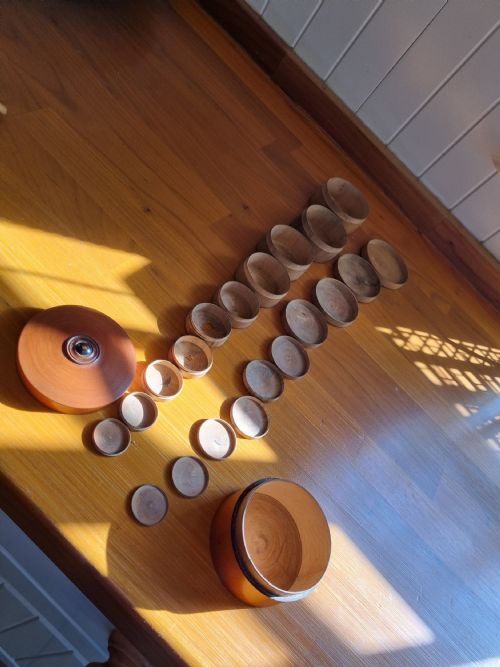


Vintage Apothecary Pots
These vintage apothecary pots range from tin-glazed earthenware albarelli to wooden treen containers, offering both historic utility and striking display form.
Vintage Apothecary Pots
Vintage apothecary pots encompass utilitarian vessels used across centuries to store medicines, dry goods, and herbs in dispensaries and homes. When searching for vintage apothecary pots, a buyer encounters forms ranging from earthenware drug jars to wooden treen containers.
How they were made
Makers shaped these vessels from earthenware, ceramic, and porcelain, frequently applying tin glazes to create smooth white surfaces suitable for painted decoration. Italian and Dutch pieces utilise tin-glazed earthenware techniques with blue and white pigments characteristic of majolica and delftware.
Wooden items rely on turnery, utilising timbers such as boxwood and sycamore to form containers, jars, and multi-piece sets. Artisans painted some wooden chemist jars and treen containers, adding surface colour and identification details for contents.
Listings span periods from the seventeenth century to the 1930s, featuring ceramic, earthenware, and treen.
What varies in quality
Quality depends upon the clarity and execution of hand-painted decoration on ceramic surfaces, distinguishing master workshops from standard production. The preservation of original tin glazes and painted finishes directly affects the visual impact of early drug jars.
For wooden pieces, the integrity of the turned timber and the survival of original paint influence the overall standard. Complete sets of nested containers or matching pairs retain greater interest for collectors than single, altered items.
Samuel Alcock and Co
The Vintage Apothecary Pots Glossary
- Albarello
- A type of majolica earthenware jar used by apothecaries to store ointments and dry drugs. Its distinctive waisted cylindrical shape allowed pharmacists to grip the jar securely and stack shelves efficiently.
- Faience
- European tin-glazed earthenware produced with an opaque white glaze that acts as a ground for painted decoration. It gained popularity across Italy, France, and the Netherlands for apothecary and tableware.
- Delftware
- Tin-glazed earthenware made in the Netherlands, typically decorated in blue on a white background. Dutch makers produced these jars for tobacco and medicinal storage.
- Treen
- Small handmade wooden objects created by turning on a lathe or carving by hand. Sycamore and boxwood containers belong to this category of domestic and commercial wooden items.
- Majolica
- Italian tin-glazed pottery noted for bright painted colours and intricate designs. Early examples include seventeenth-century and eighteenth-century pharmacy jars from Naples and other Italian production centres.
Vintage Apothecary Pots: Frequently Asked Questions
What were apothecary pots used for?
Apothecaries and pharmacists used these vessels to store dry drugs, herbs, ointments, and tobacco in dispensaries. The jars protected contents from moisture and light while displaying handwritten or painted labels.
Over time, many of these containers transitioned from working medical use into decorative objects collected for their historical appearance and craftsmanship.
How do I date a ceramic jar?
Dating relies on stylistic clues such as the tin-glaze composition, the depth of the earthenware body, and the characteristics of the painted blue and white decoration. Eighteenth-century pieces often display looser, more fluid brushwork than later nineteenth-century examples.
Comparing the form of an albarello to documented pieces from Italian or Dutch workshops helps narrow down the period of manufacture.
Are wooden apothecary containers common?
Wooden containers, including treen boxes and sycamore jars, appear less frequently than ceramic drug jars in apothecary collections. Boxwood containers occasionally survive as multi-part sets designed for holding smaller quantities of materials.
These wooden pieces demonstrate traditional turnery skills from the nineteenth century and offer an alternative texture to glazed ceramics.
How do I display these pots at home?
Vintage apothecary pots suit placement on open kitchen shelving, in dining rooms, or within glass-fronted cabinets. Pairing jars of varying heights creates visual balance on a shelf or mantelpiece.
Keeping ceramic and wooden vessels away from direct heat sources helps preserve their original glazes and painted surfaces over time.