
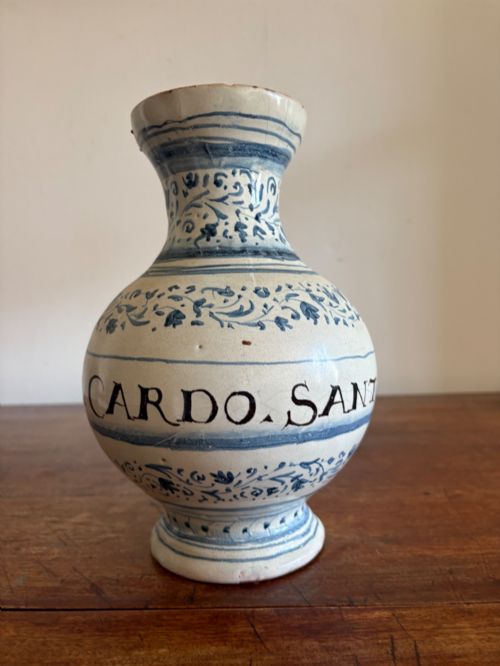


Painted Pharmacy Jars
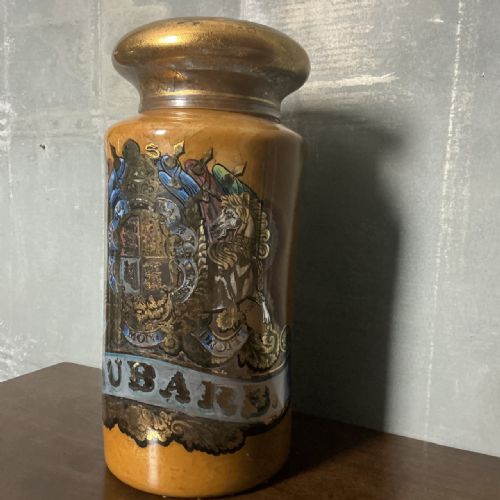
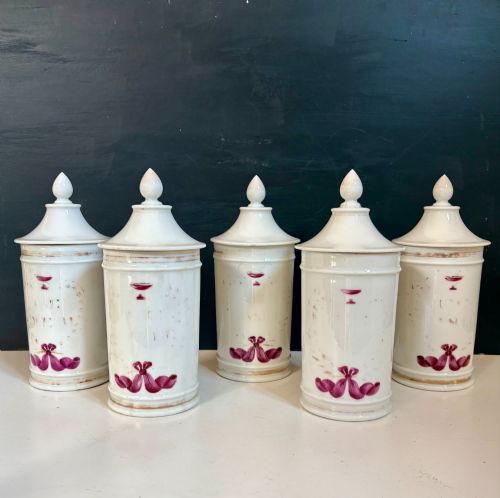
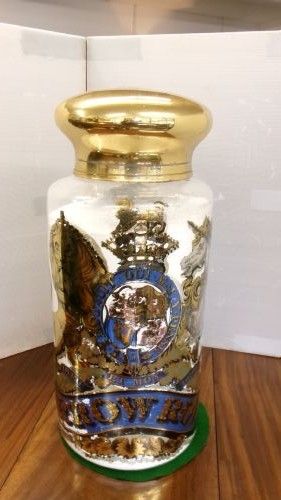
These painted pharmacy jars are historic vessels of tin-glazed earthenware, porcelain, glass and wood designed to hold medicines, and you want one for its vivid palette and historic utility.
Painted Pharmacy Jars
When you search for painted pharmacy jars, you find containers that served European apothecaries and chemists from the eighteenth century into the twentieth century. The selection ranges from tall glass display cylinders to waisted earthenware vessels made for dry drugs or wet remedies.
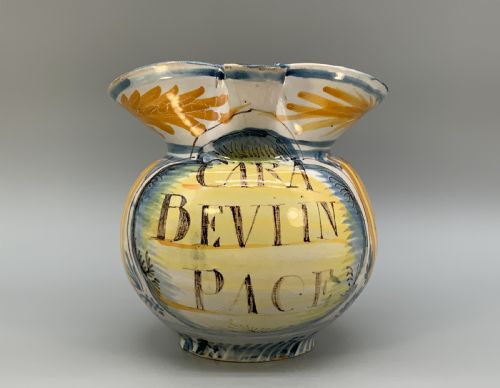
Italian Majolica and Delft faience dominate the offerings, particularly pieces finished in blue and white or polychrome glazes. You also encounter Scandinavian chemist jars from the nineteen-thirties alongside nineteenth-century boxwood examples and ceramic bottles bearing inscribed labels.
Forms vary from cylindrical albarello shapes to handled jugs and water vessels suited for pharmacy shelves. Eighteenth-century Italian origins share space with nineteenth-century Victorian interpretations and Scandinavian modernism.
Materials and construction
Potters shaped these ceramics from earthenware and porcelain before applying tin glazes that provided an opaque white surface for painted decoration. Pigments in manganese, yellow and cobalt blue formed the script and botanical motifs directly onto the unfired glaze.
Faience techniques allowed workshops across Italy and continental Europe to produce vibrant pharmacy wares using traditional mineral pigments. Painters inscribed Latin abbreviations and titles directly onto the bodies to identify the medicinal contents.
Listings feature ceramics in earthenware, porcelain and tin glaze, alongside glass, brass and boxwood pieces spanning the eighteenth to twentieth centuries.
Assessing quality and character
The sophistication of the painted script and decorative borders distinguishes finer vessels from standard utilitarian stock. Hand-painted polychrome detailing in manganese and yellow demonstrates greater artistry than plain blue and white execution.
Preservation of the original glaze and legibility of the inscribed pharmacy labels determine the visual impact of an earthenware jar. Complete sets retain a uniform aesthetic that single jars lack when displayed together on a shelf.
The Painted Pharmacy Jars Glossary
- Albarello
- A cylindrical earthenware jar designed for pharmacy use, typically waisted in the centre to allow a grip when stacked on dispensary shelves. This form originated in the Near East before becoming a staple of Italian majolica production.
- Tin Glaze
- A ceramic glaze made opaque by the addition of tin oxide, providing a white background for painted decoration. It defines the surface of faience and delftware vessels.
- Majolica
- Italian tin-glazed earthenware decorated with colourful metal oxides on an opaque white glaze. Renaissance and Baroque workshops perfected this technique for decorative and pharmaceutical wares.
- Faience
- European tin-glazed pottery produced outside of Italy, sharing similar production methods and decorative styles. The term covers various continental wares made during the eighteenth and nineteenth centuries.
- Polychrome
- Decoration employing multiple distinct colours painted onto the ceramic body. In pharmacy jars, this usually involves combinations of manganese, yellow, blue and green pigments.
Painted Pharmacy Jars: Frequently Asked Questions
What were painted pharmacy jars used for?
Apothecaries and chemists used these vessels to store dry drugs, herbs, syrups and liquid remedies in dispensaries and shops. The painted labels and inscriptions identified the contents for the practitioner.
Over time, many containers transitioned from working medical use into decorative display pieces. Collectors and interior decorators now prize them for their historic aesthetic.
How do I date an antique pharmacy jar?
Dating relies on stylistic markers such as tin glaze composition, palette choices, and the shape of the vessel. Eighteenth-century Italian pieces often feature distinct blue and white painting styles or specific regional forms like the albarello.
Nineteenth-century examples introduce broader variations in earthenware and porcelain alongside different lettering styles. Twentieth-century Scandinavian jars show simpler modernist painted designs rather than traditional Baroque motifs.
Are these jars safe for holding liquids now?
Historic ceramic and wooden pharmacy jars are best regarded as display objects rather than functional containers for modern consumption. Historic tin glazes and wooden interiors may not withstand contemporary food safety standards.
Displaying them on shelves or in cabinets protects the fragile glazes and painted surfaces from accidental damage. Keeping them dry preserves the original painted inscriptions.
What is the difference between an albarello and a drug jar?
An albarello is a specific cylindrical, waisted jar shape designed specifically for storing dry pharmaceuticals and ointments. Other drug jars take the form of handled jugs, bottles or straight-sided vessels.
Both types served the same fundamental purpose in historical apothecary shops. The choice of form depended on whether the contents were liquid or solid.