





Vintage Apothecary Chest Drawers
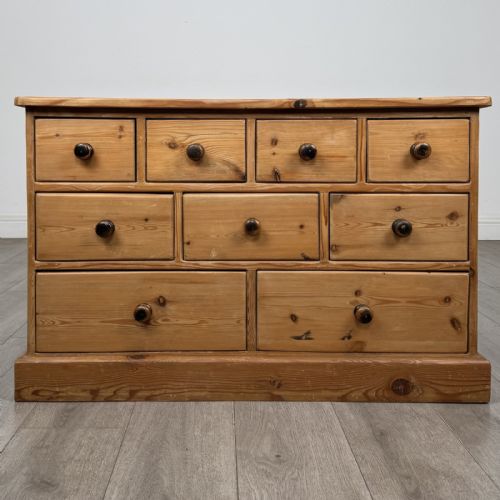
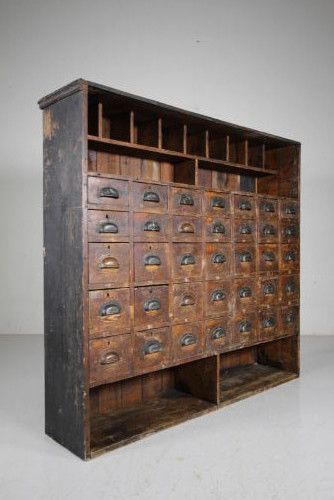
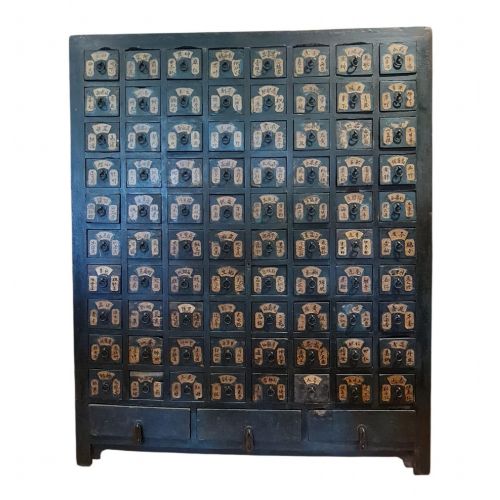
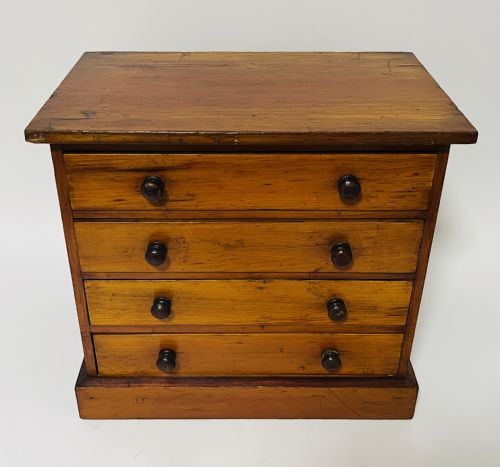
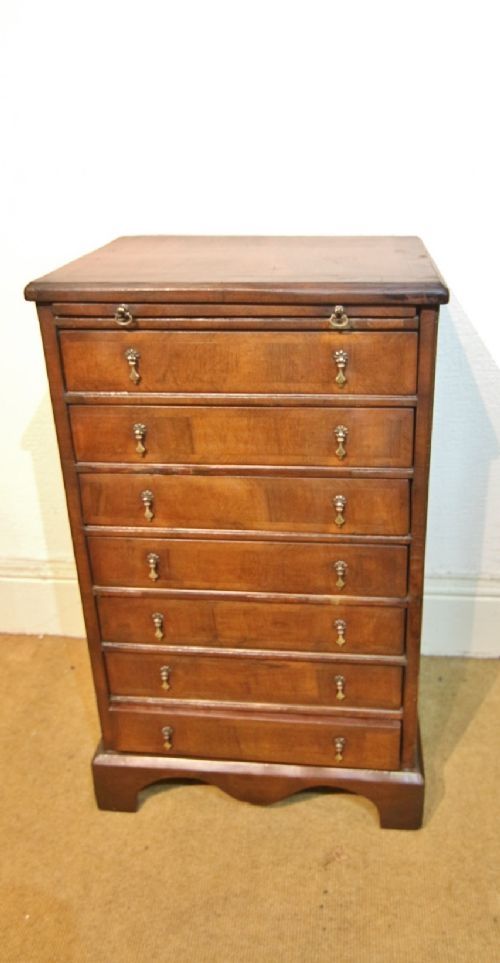
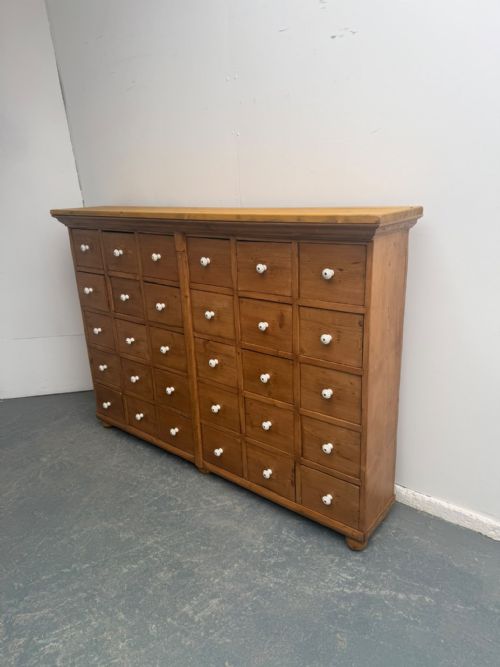
These vintage apothecary chest drawers offer numerous small compartments designed originally for medicines, specimens, and trade storage.
Vintage Apothecary Chest Drawers
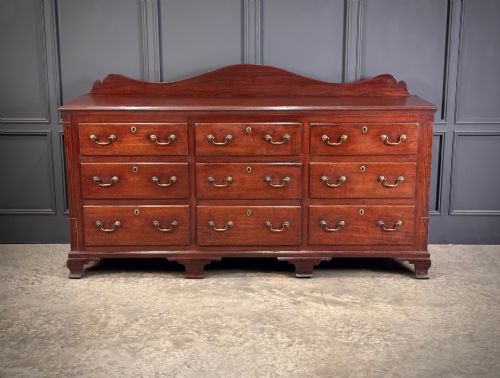
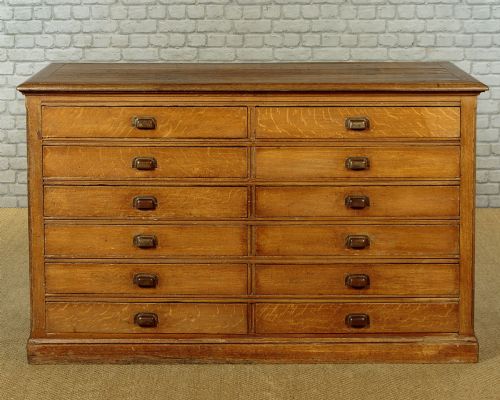
Vintage apothecary chest drawers encompass multi-drawer banks, chemist shop fittings, spice cabinets, and collectors' storage units originating from the eighteenth, nineteenth, and early twentieth centuries.
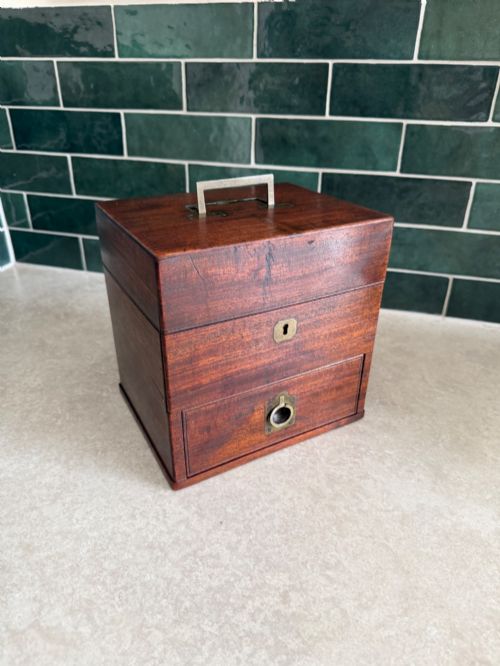
The versions most commonly met on this page include large nineteenth-century banks of drawers, tall pine shop fittings, and compact travel cases constructed for medical or botanical use.
Originating across English, Chinese, Japanese, and Hungarian workshops, these pieces served practical commercial and scientific functions before entering domestic interiors.
Materials and Construction
Cabinet makers built these pieces using solid timbers such as mahogany, pine, oak, walnut, fruitwood, teak, and Chinese elm, often combining oak and pine for internal carcases.
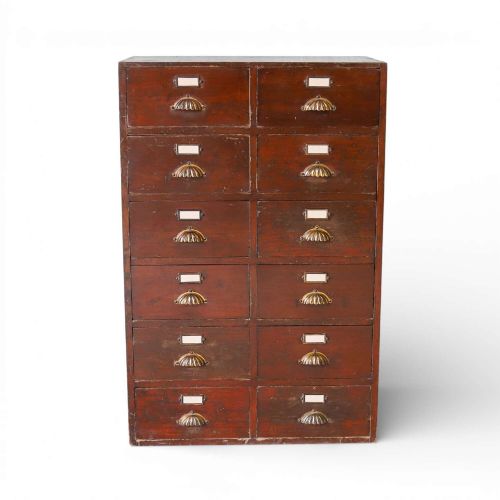
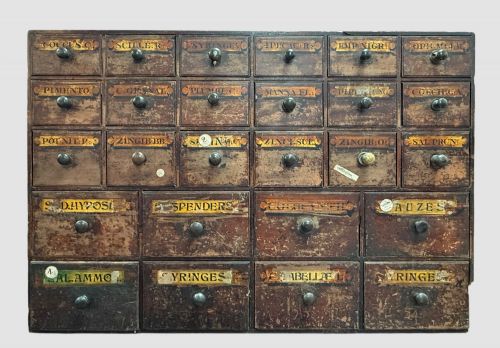
Hardware details typically include brass shell pulls and label holders attached to drawer fronts to identify contents, alongside glass bottles fitted within travelling apothecary cases.
Vintage Apothecary Chest Drawers Retail Price Guide 2026
Typical asking prices for vintage apothecary chest drawers among the pieces listed under this phrase on Sellingantiques today, from the lower quarter to the upper quarter. They describe what is for sale here now, not the wider market.
Listings feature pine, mahogany, oak, walnut, fruitwood, teak, and Chinese elm across nineteenth-century and early twentieth-century pieces.
Quality and Distinction
Distinction in these cabinets rests upon the scale and complexity of the drawer configuration, ranging from compact spice boxes to multi-drawer shop fittings containing dozens of compartments.
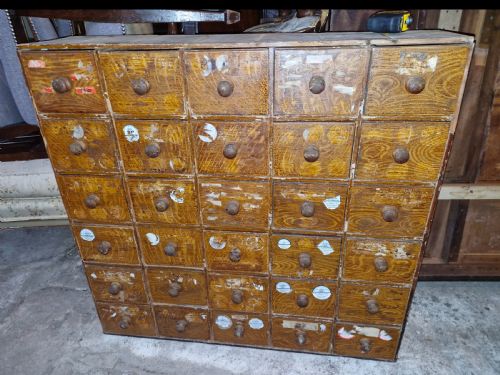
Original painted finishes, unadulterated brass label holders, and structural integrity across numerous small drawers separate standard utility storage from exceptional cabinet work.
Luxmore's of Ilfracombe·D Napier & Sons
The Vintage Apothecary Chest Drawers Glossary
- Bank of drawers
- A multi-drawer cabinetry unit designed for commercial storage or workshop organisation. These structures often feature a grid of numerous small compartments.
- Chemist shop fitting
- Large-scale cabinetry integrated into nineteenth-century pharmacy interiors for dispensing medicines. These fixtures frequently span entire walls with rows of uniform drawers.
- Specimen cabinet
- A piece of furniture created to house natural history collections such as insects, minerals, or botanical samples. They utilise shallow drawers to protect delicate items.
- Shell pull
- A pressed metal handle shaped like an inverted scallop shell, commonly paired with a label holder. They appear frequently on nineteenth-century multi-drawer chests.
- Travelling case
- A portable wooden box fitted with internal compartments and glass bottles for carrying remedies on journeys. These compact chests secure medical supplies during transit.
Vintage Apothecary Chest Drawers: Frequently Asked Questions
What were apothecary chests used for?
Apothecary chests stored dried herbs, mineral compounds, and prepared medicines in pharmacies and dispensaries. The numerous small drawers kept individual ingredients organised and accessible for dispensing.
Larger versions served shop environments where merchants sorted seeds, spices, or hardware components. Smaller portable variants accompanied practitioners on visits to patients.
How do I identify a Victorian chemist chest?
Victorian chemist chests typically display numerous small drawers fitted with brass label holders and shell pulls. Pine and mahogany remain the primary woods utilised for these utilitarian shop fittings.
Many examples retain traces of original painted finishes or surface wear resulting from decades of commercial handling in nineteenth-century pharmacies.
Can I use these chests in a modern kitchen?
These multi-drawer cabinets adapt well to contemporary interiors for organising cutlery, stationery, or craft supplies. The configuration of small compartments provides practical storage for household items.
Placement requires measuring wall space or floor footprints carefully, as many surviving shop fittings and banks of drawers possess substantial proportions.
What is the difference between an apothecary chest and a spice cabinet?
Apothecary chests generally contain a higher density of small drawers intended for medicinal ingredients and chemicals. They originate frequently from nineteenth-century chemist shops and surgeries.
Spice cabinets tend to date from earlier periods like the eighteenth century, constructed from oak or mahogany for domestic culinary use rather than commercial pharmacy dispensing.