



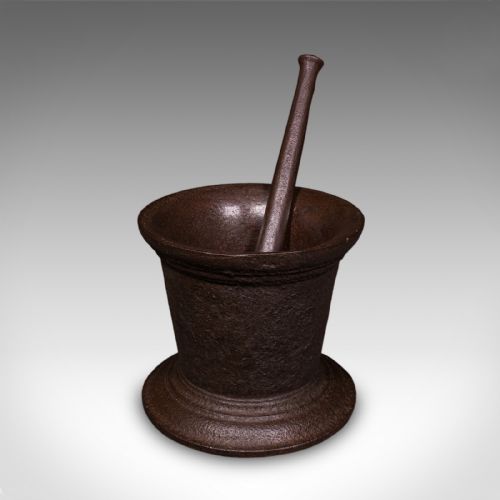


Vintage Apothecary Bowl
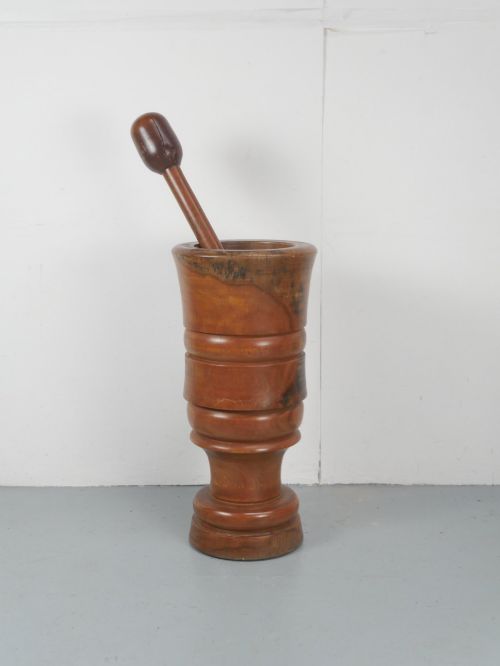
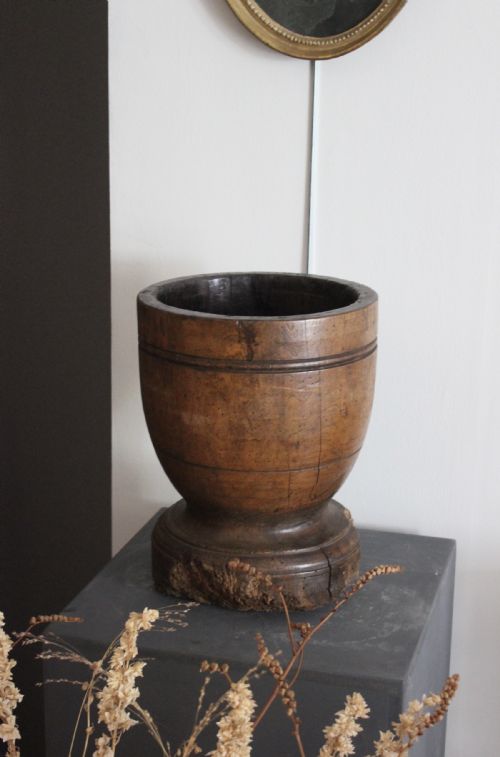
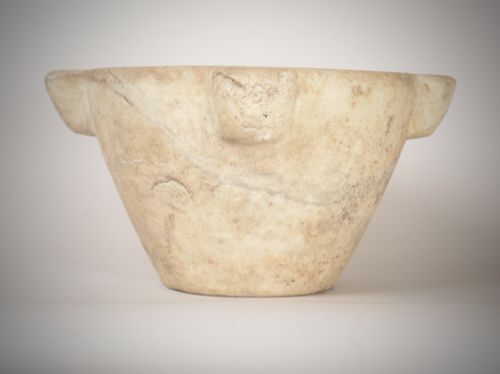
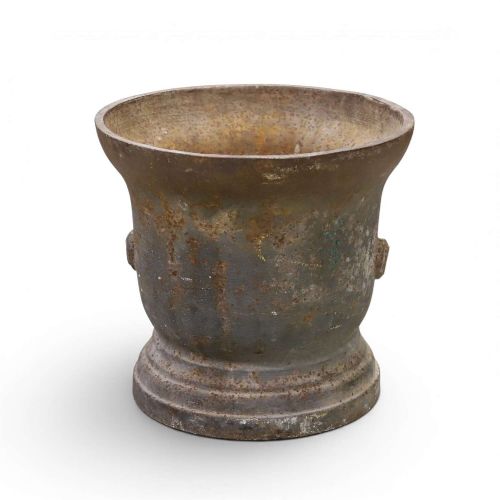
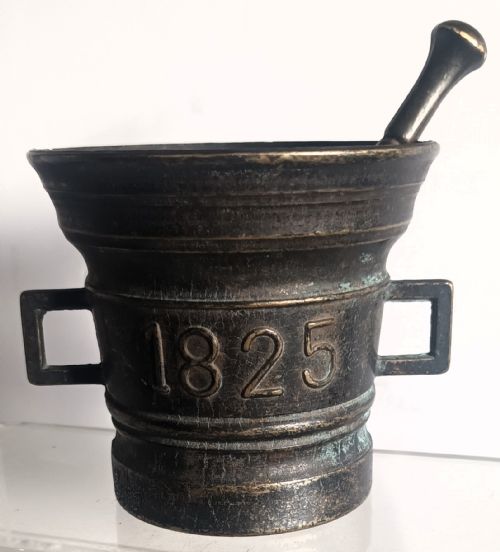
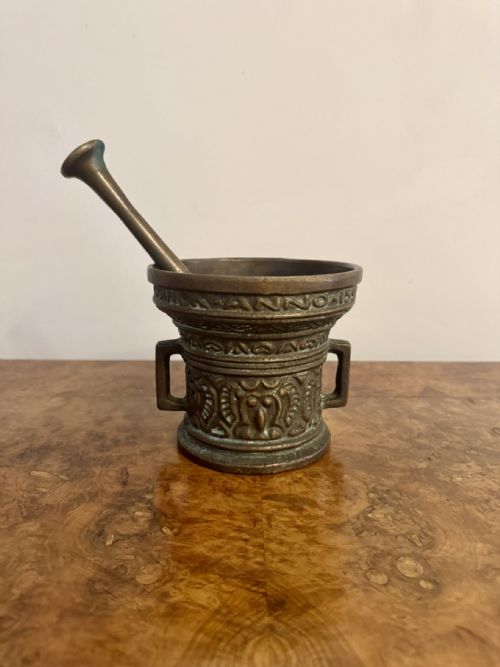
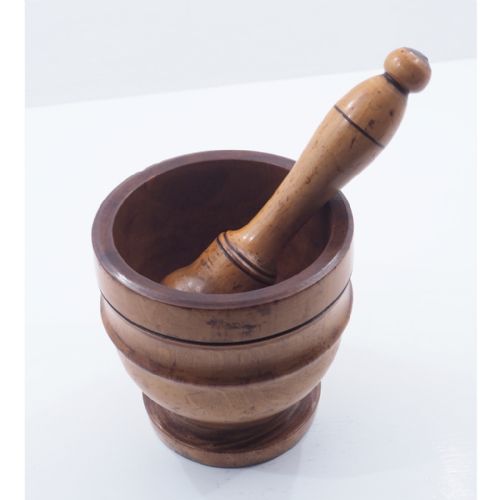
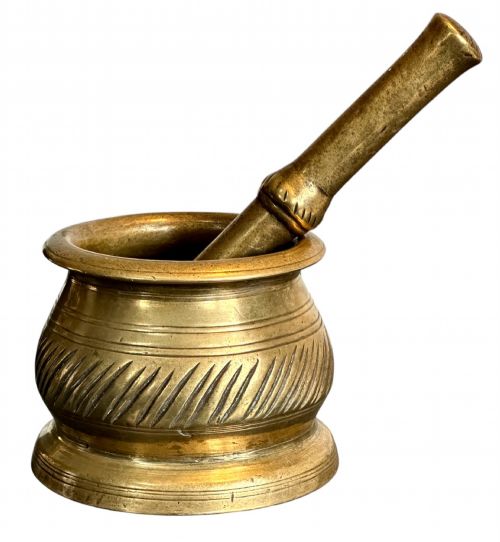
These heavy vintage apothecary bowl examples are solid vessels of brass, bronze, stone and turned hardwood designed for grinding and pounding.
Vintage Apothecary Bowl
When you search for a vintage apothecary bowl, you encounter sturdy mortar and pestle sets that span centuries from the seventeenth century through to the twentieth century. These domestic and commercial kitchenware pieces originate from diverse settings including English Georgian homes and French chateaus.
The most common forms on this page include heavy bronze and brass mortars, alongside substantial stone, marble, cast iron and turned hardwood vessels. Many listings pair the bowl directly with its matching pestle, while others present standalone items used historically by chemists and dye makers.
Construction and materials
Metal vessels such as bronze, brass and cast iron were produced through traditional casting methods, often featuring thick walls capable of withstanding heavy impact. Gothic and Renaissance revival decorative motifs frequently appear on the exterior surfaces of these cast examples.
Wooden vessels utilise dense timbers like turned lignum-vitae, beech and olive wood, shaped on a lathe to create deep functional basins. Stone and marble versions are carved from solid blocks to achieve high resistance against crushing and grinding forces.
Vintage Apothecary Bowl Retail Price Guide 2026
Typical asking prices for vintage apothecary bowl among the pieces listed under this phrase on Sellingantiques today, from the lower quarter to the upper quarter. They describe what is for sale here now, not the wider market.
The listings span from the 17th century through the 1930s, featuring materials such as cast bronze, white marble, cast iron and turned lignum-vitae.
Assessing quality and character
Superior examples demonstrate exceptional mass and robust proportions, particularly evident in large dye maker mortars or heavy bronze pieces with crisp casting details. The integration of a matching original pestle elevates the completeness and integrity of the set.
Surface patination and material density dictate the visual appeal of older items, from polished bronze to weathered stone and aged hardwood. Wear patterns inside the bowl reflect genuine historical utility rather than modern manufacture.
The Vintage Apothecary Bowl Glossary
- Mortar
- The heavy bowl or vessel used to hold substances while they are crushed or ground. It provides a stable base with thick walls.
- Lignum-vitae
- A dense, hard wood historically utilised for turned mortars due to its extreme durability and resistance to splitting. Items made from this timber carry significant weight.
- Treen
- Small handmade wooden household objects and kitchenware items. Turned wooden mortars often fall into this category.
Vintage Apothecary Bowl: Frequently Asked Questions
What were apothecary bowls used for?
These vessels served as essential kitchenware and apothecary tools for crushing, grinding and mixing herbs, medicines and dry ingredients.
Heavier industrial versions also functioned in dye making and heavy chemical preparation before modern machinery replaced manual pounding.
How do I date a bronze mortar?
Dating relies on stylistic clues such as Gothic or Renaissance revival motifs, rim profiles and the method of metal casting.
Earlier pieces from the seventeenth century often display simpler, utilitarian proportions compared to later decorative nineteenth-century castings.
Are wooden mortars durable?
Turned hardwood and lignum-vitae mortars are exceptionally tough and withstand repeated impact from pestles.
They require careful humidity management to prevent timber movement while retaining their structural integrity over centuries.
How should I display a stone mortar?
Marble and stone bowls provide heavy, stable decorative accents suitable for tabletops or open kitchen shelving.
Their substantial weight requires secure placement on sturdy furniture surfaces.