

Vintage Animal Table
A vintage animal table or related zoomorphic piece brings sculptural character and utility together, spanning silver, bronze, porcelain, and carved wood.
Vintage Animal Table
When buyers search for a vintage animal table or associated zoomorphic piece, they encounter functional household objects intertwined with sculptural animal forms. The selection ranges from carved wood furniture and occasional tables incorporating animal motifs to smaller sculptural items such as table lamps, silver peppers, clock bases, and candlesticks.
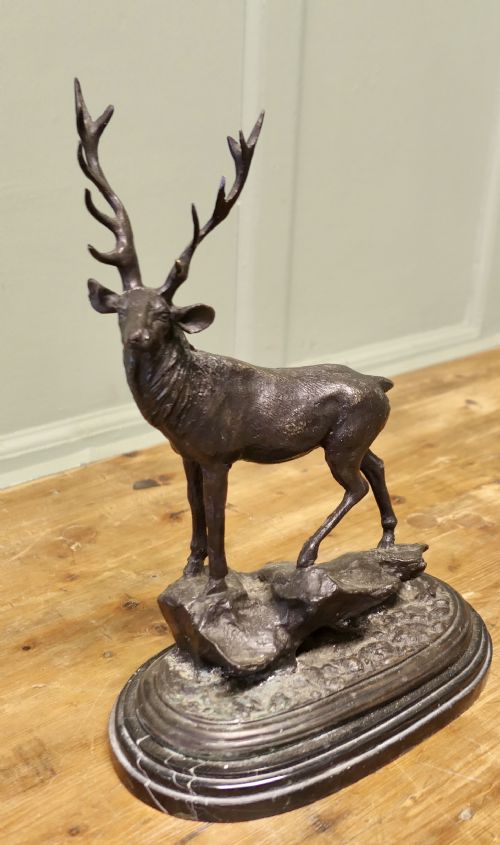
The pieces originating from this range span the Victorian era through the Edwardian period, Art Deco, and mid-century modernism. Buyers most frequently meet items rendered in cast silver, bronze, brass, pewter, porcelain, and Black Forest carved wood, capturing subjects from domestic dogs and farm birds to woodland stags and exotic beasts.
How they were made
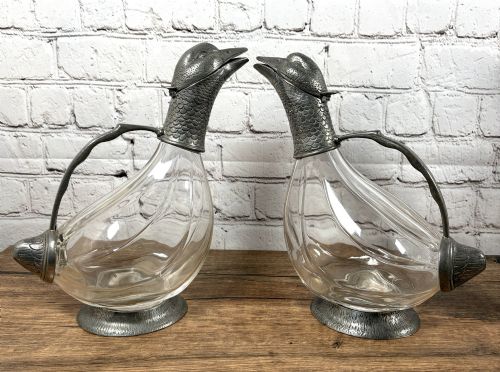
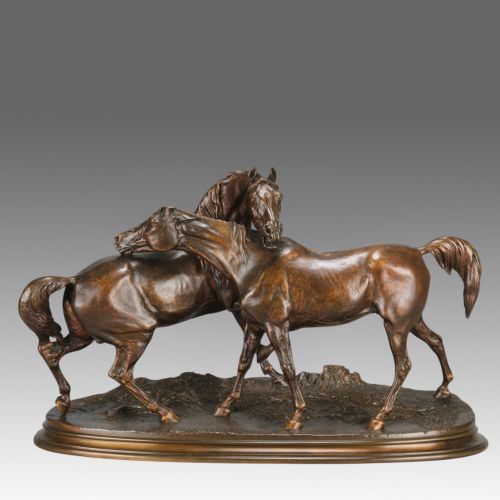
Metals such as sterling silver, bronze, brass, and pewter were shaped through casting, including lost-wax techniques for detailed bronze sculptures and solid silver figures. Pewter and silver plate were similarly cast or moulded to form decorative claret jugs, knife rests, and novelty pepperettes.
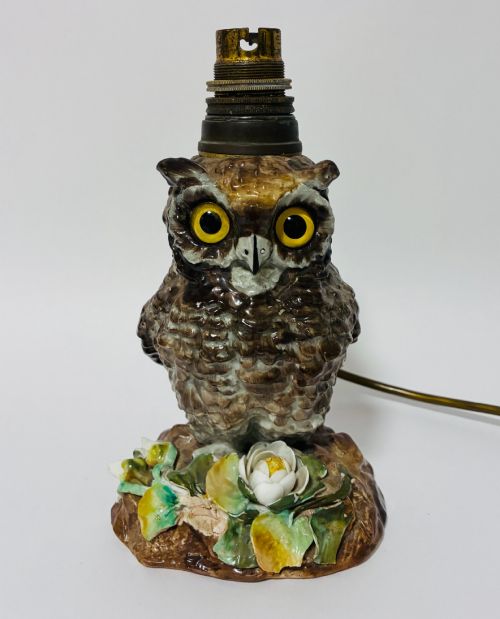
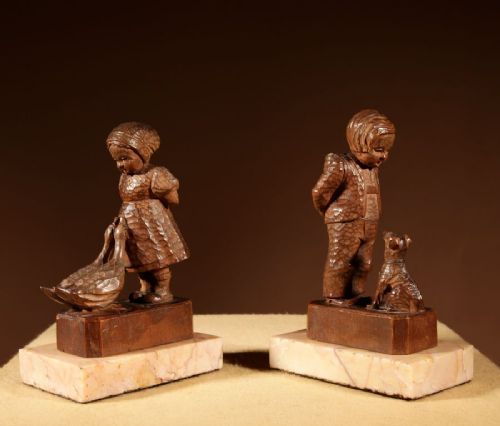
Carved wooden items, notably Black Forest pieces in linden, utilised traditional hand-chiselling techniques to render bears, dogs, and forest figures with distinct textures. Ceramics and porcelain works, including lamp bases and figurines, combined moulded clay with hand-painted glazes and firing processes.
Vintage Animal Table Retail Price Guide 2026
Typical asking prices for vintage animal table among the pieces listed under this phrase on Sellingantiques today, from the lower quarter to the upper quarter. They describe what is for sale here now, not the wider market.
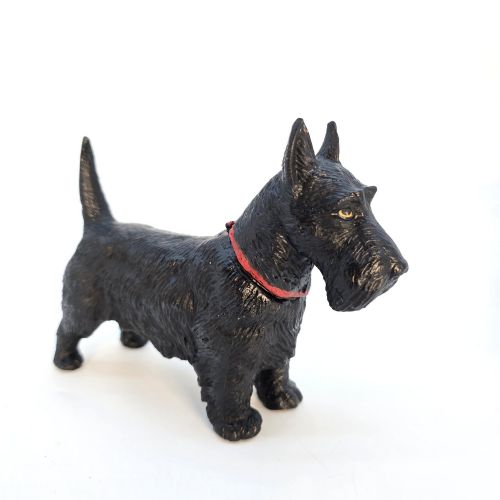
A cast metal Scottie dog table lighter stands ready to ignite a flame with a canine grin.
What varies in quality
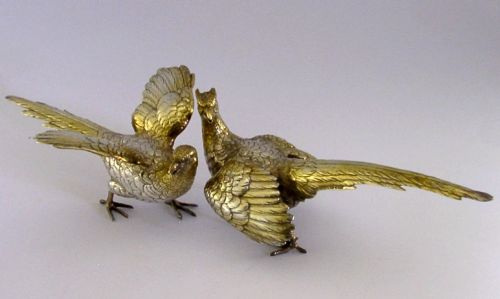
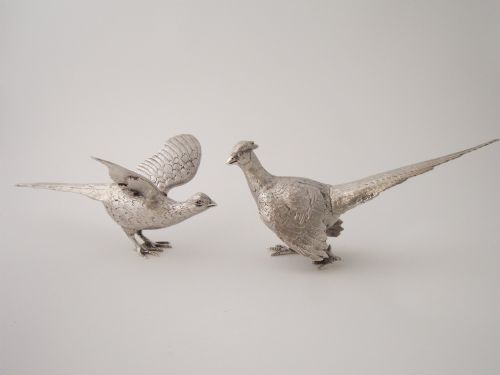
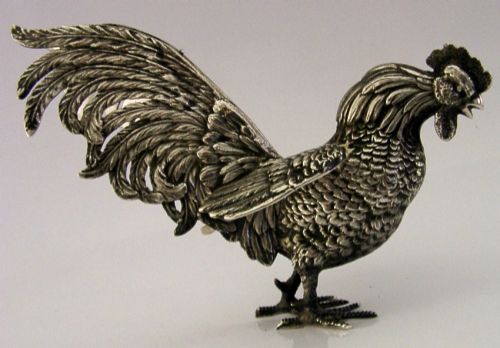
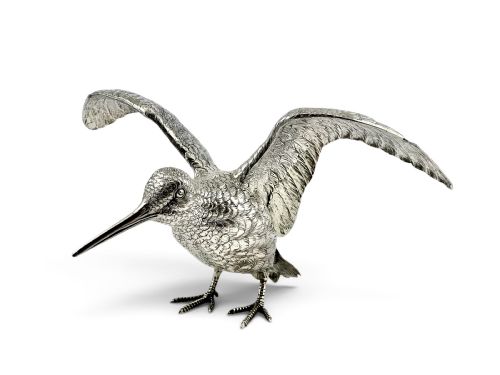
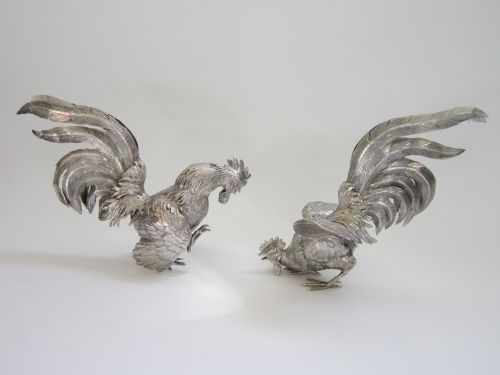
The calibre of a piece rests primarily in the fidelity and anatomical precision of the animal sculpture, distinguishing master-modelled bronze or carved wood from simpler commercial castings. Artisanal touches such as hand-chased feather detail on silver birds or fine hand-painting on porcelain determine the refinement of the surface.
Berthold Muller·P J Mêne·Edith Parsons·Laszlo Hoenig·Ernst Bohne and Sohn·Guido Cacciapuoti·Mario Bucellati
The Vintage Animal Table Glossary
- Zoomorphic
- Having the form or characteristics of an animal. This term describes decorative arts, furniture supports, and tableware fashioned to resemble creatures.
- Animalier
- A nineteenth-century artistic movement and style dedicated to the realistic portrayal of animals. Sculptors in this tradition worked predominantly in bronze.
- Black Forest
- A style of wood carving originating in a mountainous region of Germany, noted for realistic representations of bears and woodland fauna.
- Bocage
- An ornamental background of carved or modelled foliage, commonly found behind figures in early porcelain pieces.
- Pepperette
- A small table container for ground pepper, often fashioned in the figural shape of birds, owls, or foxes in silver and pewter.
Vintage Animal Table: Frequently Asked Questions
What materials were used for vintage animal tables?
These decorative and functional pieces utilise a diverse array of materials recorded across the listings. Common mediums include cast metals such as sterling silver, bronze, brass, pewter, and plated silver.
Alongside metalwork, artisans employed carved woods like linden, ceramic, porcelain, glass, and marble bases to support sculptural animal forms.
How do I identify a Black Forest animal carving?
Black Forest pieces are typically characterised by hand-carved linden wood depicting realistic animals such as bears, dogs, and stags. They often manifest as functional items including table lamps, lidded boxes, and furniture supports.
The carving style displays deep texturing of fur and muscular form, originating from continental European workshops in the nineteenth and early twentieth centuries.
What periods are common for animal table items?
The available pieces span from the mid-nineteenth century through the Victorian and Edwardian eras. Significant representation also appears from the 1920s and 1930s Art Deco period, alongside mid-century modern designs.
Earlier eighteenth-century porcelain figures with animal motifs occasionally complement these later domestic and decorative objects.
Were these animal sculptures purely decorative?
Many items combined sculpture with domestic utility, serving as table lamps, clock cases, pepperettes, candlesticks, and knife rests. Larger items incorporated animal figures directly into furniture such as coffee tables, benches, and console bases.
Others functioned as standalone bronze or silver figurines designed for display on desks, mantels, and side tables.