



Vintage Animal Seat
These vintage animal seat designs combine utility and sculpture, bringing character to any room through carved timber, leather and terracotta forms.
Vintage Animal Seat
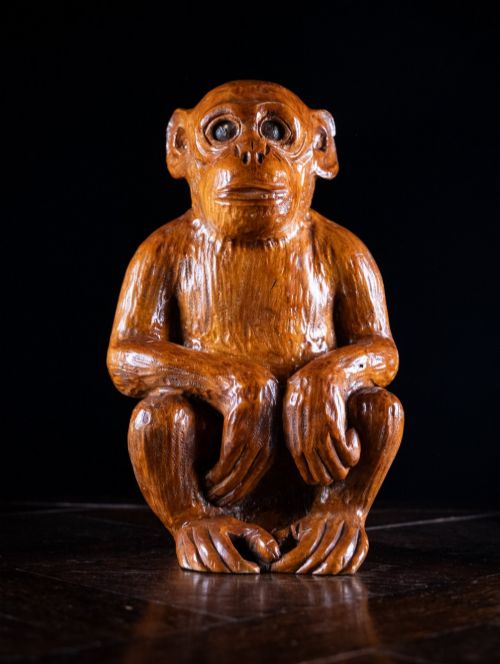
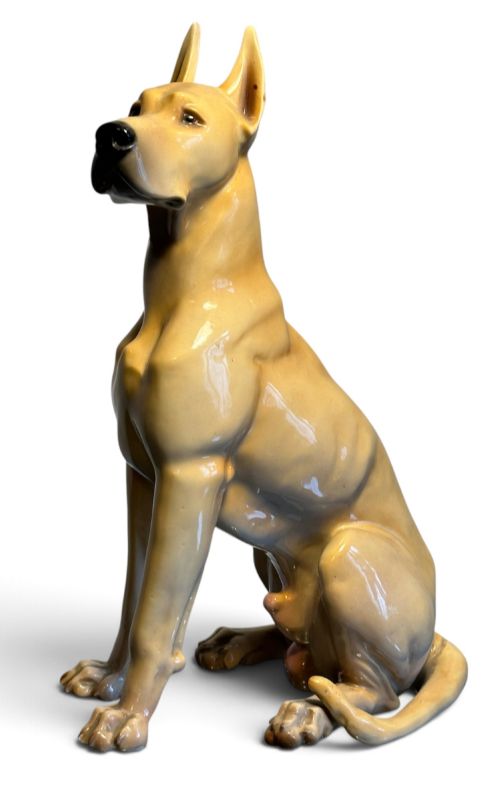
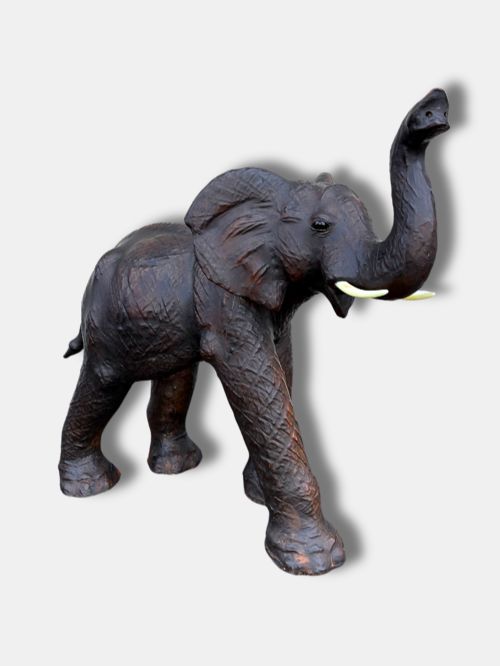
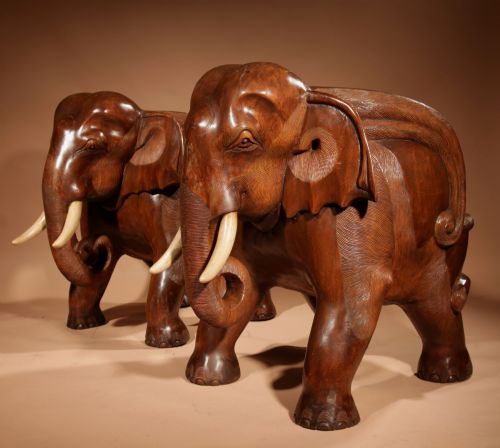
A vintage animal seat takes the form of a creature, functioning as a bench, footstool or armchair within a domestic space. These pieces range from substantial leather elephant benches associated with Liberty to carved wooden elephant benches and upholstered armchairs.
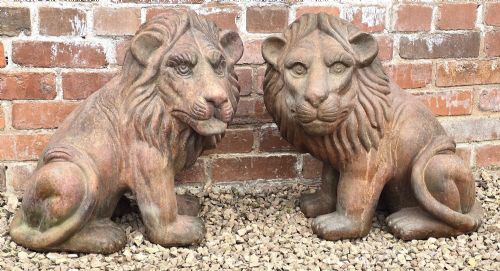
The selection on this page draws from the nineteenth and twentieth centuries, spanning Edwardian, Art Deco and Anglo-Indian styles. Visitors are most likely to encounter large animal benches or carved wooden forms alongside terracotta figures adapted for seating or sculptural presence.
Materials and construction methods
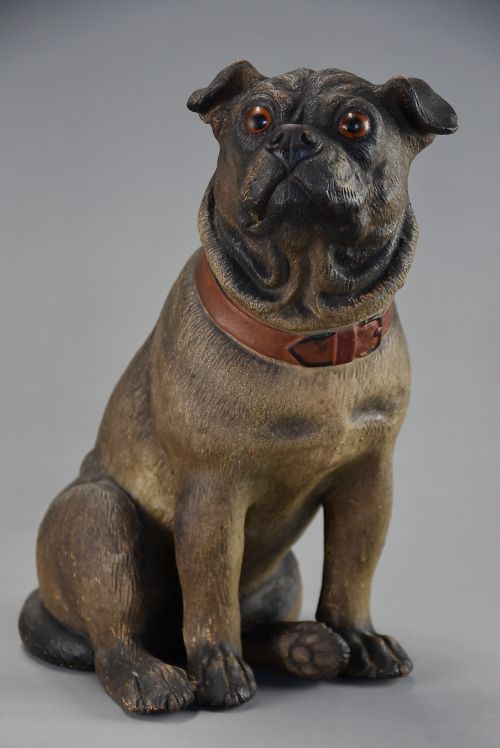
Construction relies heavily on carved hardwood and moulded terracotta, shaped by hand into detailed anatomical forms. Wood and terracotta provide the structural weight needed for furniture and large sculptures.
Leather and upholstery fabrics cover padded frames in specific seating pieces, finished with stitching and structural supports hidden beneath the animal hide.
Vintage Animal Seat Retail Price Guide 2026
Typical asking prices for vintage animal seat among the pieces listed under this phrase on Sellingantiques today, from the lower quarter to the upper quarter. They describe what is for sale here now, not the wider market.
Materials represented across the collection include hardwood, terracotta, oak, bronze, and leather.
Assessing quality in animal seating
Quality rests upon the naturalism of the carving or modelling, where skilled hands capture the muscle and posture of the creature rather than stiff proportions. Finer pieces demonstrate careful attention to anatomical detail in wood, terracotta or leather.
The integrity of the internal structure and the preservation of original surface finishes dictate the standing of a piece. Original patination on leather or timber elevates an example above later alterations.
Liberty·A L Barye·Barbedienne·Foucher
The Vintage Animal Seat Glossary
- Animalier
- A nineteenth-century artistic focus on the realistic depiction of animals in sculpture and decorative arts. This French school produced highly detailed bronzes and terracottas.
- Terracotta
- Fired clay used extensively for sculptural figures and garden ornaments. It allows for expressive modelling before the baking process hardens the material.
- Hardwood
- Dense timber derived from deciduous trees, utilised for durable furniture and intricate carving. Woods such as oak and exotic Asian timbers provide structural longevity.
- Anglo-Indian
- A style describing decorative items and furniture produced in India during the British period, often featuring dense regional carving. These pieces combine British furniture forms with local craftsmanship.
Vintage Animal Seat: Frequently Asked Questions
What is a vintage animal seat?
A vintage animal seat is a piece of furniture or heavy sculpture designed in the shape of a creature, functioning as a bench, stool or armchair.
These items were produced across the nineteenth and twentieth centuries in materials like leather, wood and terracotta to serve practical seating roles while adding figurative presence to a room.
How do I date a leather elephant bench?
Dating involves examining the construction of the wooden inner frame, the type of leather hide utilised, and any maker stamps or retailer marks present on the piece.
Stylistic cues such as the modelling of the head and the treatment of the harness or saddle also point towards specific decades like the Edwardian era or the nineteen-thirties.
Where were terracotta animal sculptures placed?
Terracotta animal sculptures and seats were created for both interior display in halls and studies, and exterior placement in gardens or porticos.
Fired clay withstands sheltered outdoor environments, though many domestic examples spent their lives in grand entranceways and reception rooms.
How should I care for leather upholstery?
Leather surfaces benefit from gentle cleaning and occasional conditioning to prevent the hide from drying out or cracking over time.
Keeping these seats away from direct sunlight and excessive heat sources preserves both the colour and the flexibility of the original material.