

Vintage Animal Picture
A vintage animal picture captures the character of horses, hounds and farmyard pets through oil paint, etching and wool work.
Vintage Animal Picture
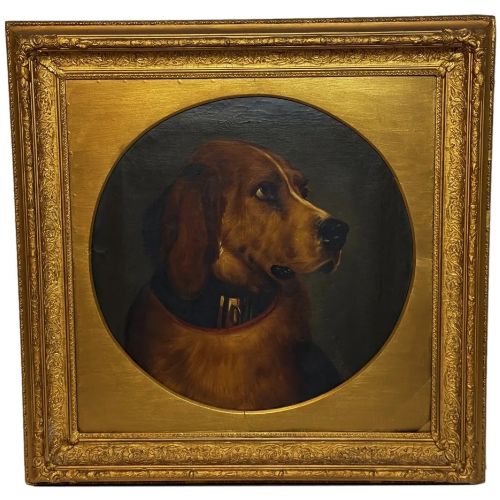
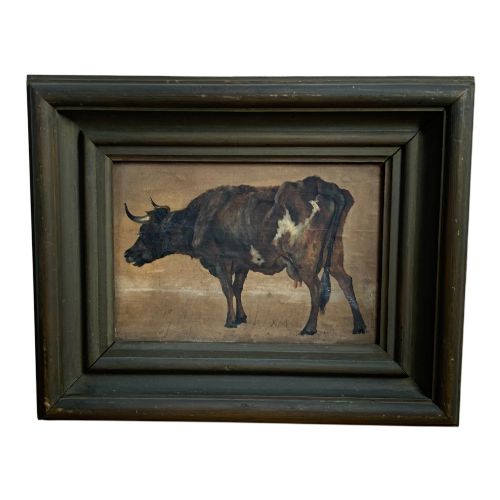
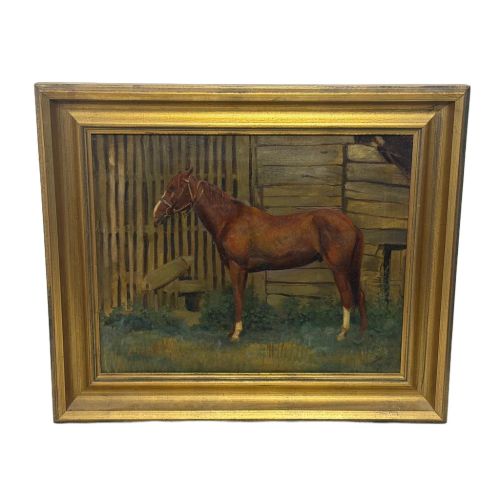
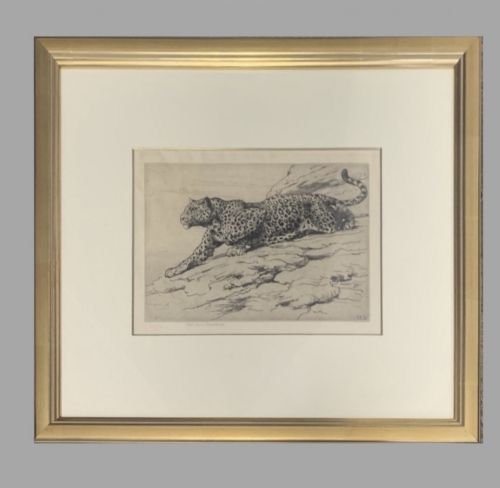
A vintage animal picture encompasses oil paintings, etchings, pastels and chromolithographs produced across the eighteenth, nineteenth and mid-twentieth centuries. The selection here leans heavily towards Victorian sporting art, naive folk pieces and domestic animal portraits.
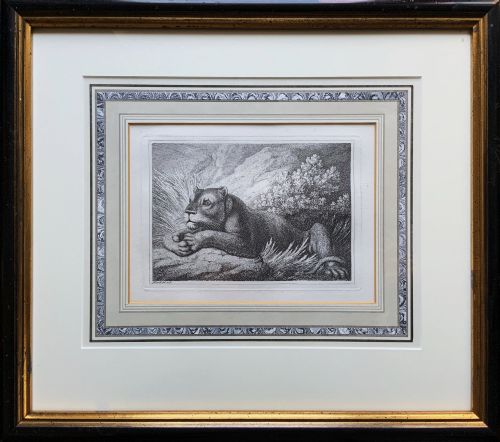
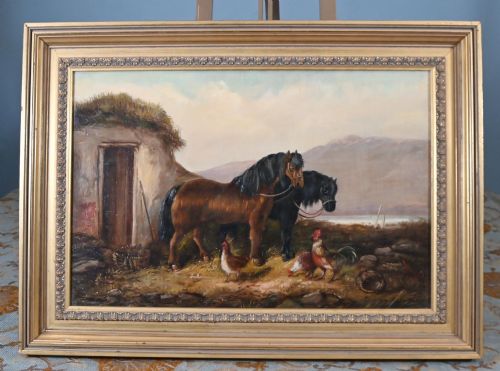
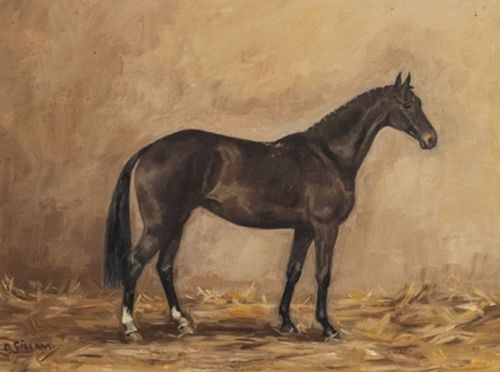
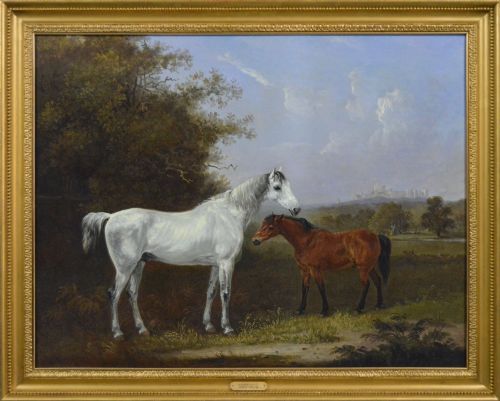
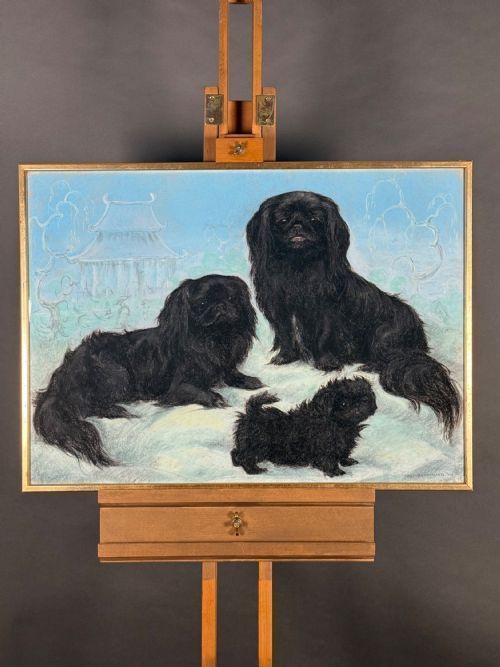
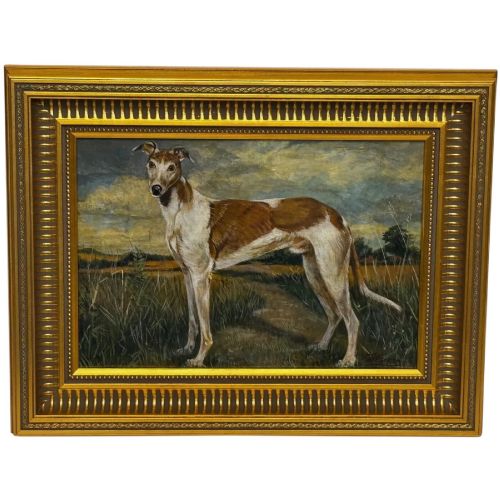
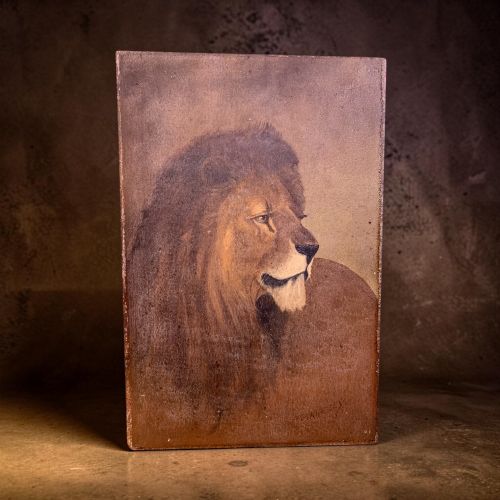
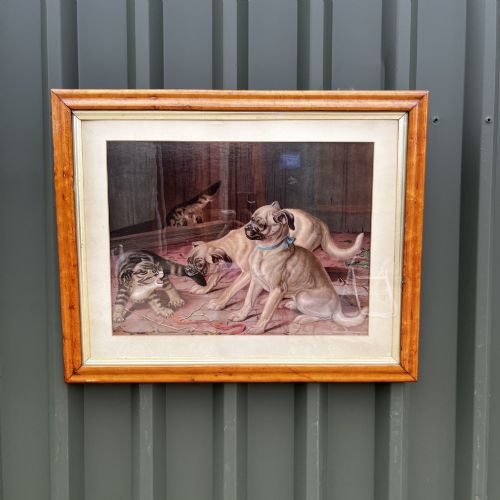
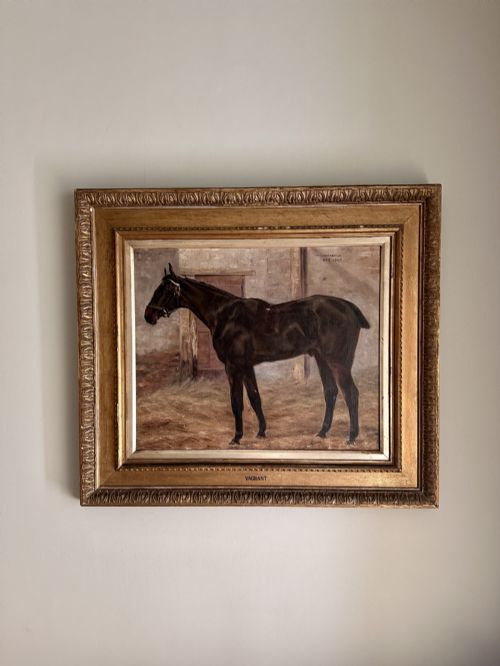
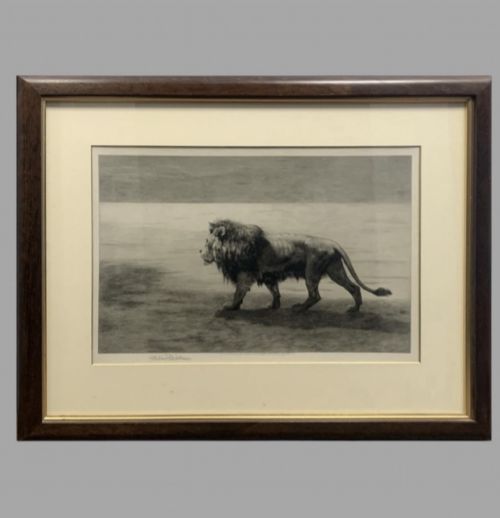
Buyers encounter oil on canvas and board depictions of horses, farmyard scenes, lions, and domestic cats and dogs. These works range from formal equine portraits by named artists to naive village depictions of working animals.
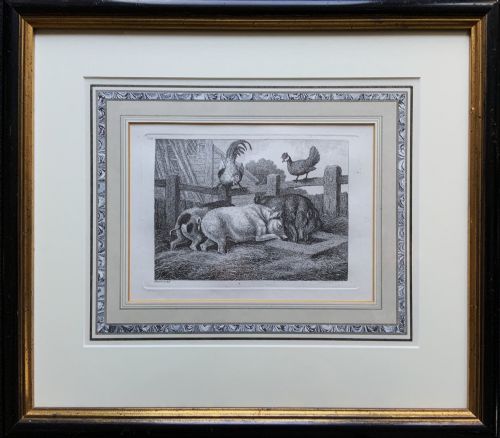
The assortment includes framed prints, detailed etchings on paper and vellum, and wool work pictures. These pieces reflect period tastes in domestic decoration and rural sentimentality.
Materials and Techniques
The physical objects rely on traditional supports such as canvas, wood, paper and vellum, mounted in giltwood or plain timber frames. Many works are protected behind glass, particularly pastels, watercolours and delicate paper etchings.
Painters utilised oil paint and pastel, while printmakers employed etching techniques and chromolithography to produce multi-coloured plates. Textile works incorporate wool thread stitched onto canvas to build textured representations of wildlife.
Original frames often integrate gold leaf or heavy moulded plaster elements that match the period of the artwork they enclose.
Vintage Animal Picture Retail Price Guide 2026
Typical asking prices for vintage animal picture among the pieces listed under this phrase on Sellingantiques today, from the lower quarter to the upper quarter. They describe what is for sale here now, not the wider market.
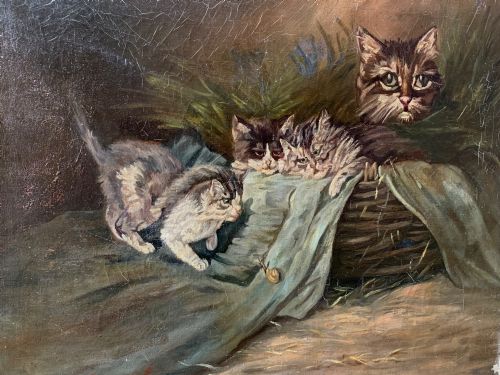
Cats appear frequently as the sole focus, glowering from nineteenth-century canvas or posing in pairs under Victorian glass.
Execution and Condition
The standard of a vintage animal picture depends upon the anatomical accuracy of the subject and the confidence of the brushwork or line. Skilled artists capture the musculature of horses and the individual expression of dogs and cats with precision.
Preservation of the original surface plays a major role in the standing of a piece. Works retaining undisturbed paint layers, clean paper without excessive foxing, and original period frames command greater respect than heavily restored or altered examples.
Andrew Beer·Lionel Ellis·Samuel Howitt·Edmund Bristow·Herbert Dicksee·Horatio Henry Couldrey·John Emms·Margaret Maitland Howard·Henry Robinson Hall·Arthur Wardle·John Frederick Herring Jnr·Eugene Joseph Verboeckhoven·Claude Cardon
The Vintage Animal Picture Glossary
- Chromolithography
- A planographic printing process that uses multiple stone plates to apply distinct colours to paper. This method produced vibrant reproductions of popular paintings during the Victorian era.
- Etching
- A printmaking technique where acid bites lines into a metal plate to hold ink before pressing onto paper or vellum. Artists often signed these impressions directly beneath the printed image.
- Naive art
- Work created by self-taught artists working outside academic traditions. These pieces display charming perspective errors and direct observation rather than classical training.
- Sporting art
- Depictions of horses, dogs, shooting and hunting scenes tied to rural pursuits. This genre flourished in Britain throughout the eighteenth and nineteenth centuries.
- Vellum
- A fine parchment prepared from calfskin used as a durable drawing or printing surface. Etchings pulled on vellum often display rich tonal depth.
Vintage Animal Picture: Frequently Asked Questions
How do I date an animal painting?
Examine the materials, stretcher frames and clothing styles of any human figures in the background to establish a baseline era.
Signatures, artist registry records and framing construction techniques offer further clues for narrowing the decade of production.
Are these works original or prints?
The inventory contains a mix of unique hand-painted oils, watercolours and pastels alongside limited edition etchings and chromolithographs.
Inspect the surface closely under magnification to check for flat printed dot patterns versus raised paint strokes or plate marks.
How should I care for antique paper art?
Keep works on paper away from direct sunlight to prevent fading of watercolours, pastels and printed inks.
Maintain stable indoor humidity levels and ensure the backing board is acid-free to stop discolouration over time.
What is folk art in animal pictures?
Folk art refers to paintings made by untrained artists who prioritised bold expression over strict anatomical proportions.
These pictures capture domestic animals and livestock with a direct, unpretentious charm distinct from formal academic portraiture.