

Vintage Animal Oil
Vintage animal oil works bring canvas and wood to life with nineteenth-century equestrian portraits and sporting scenes that collectors prize.
Vintage Animal Oil
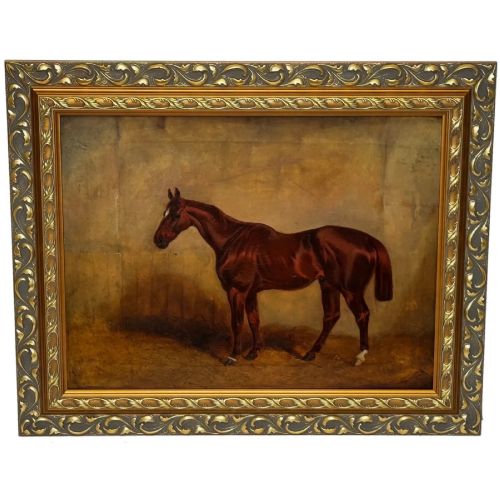
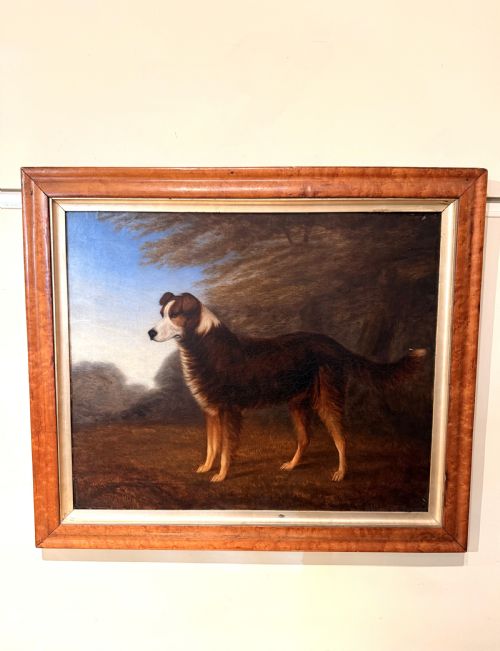
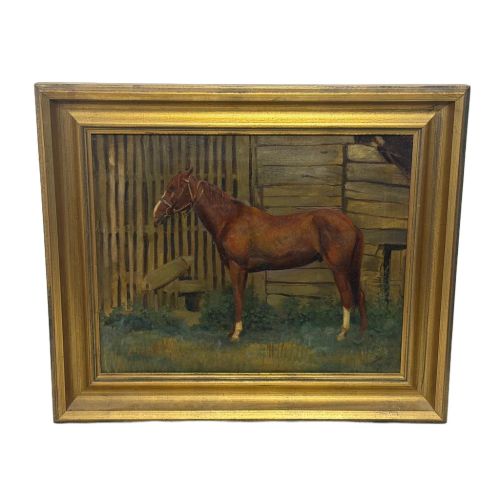
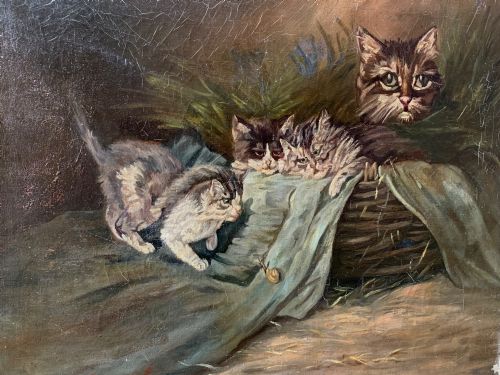
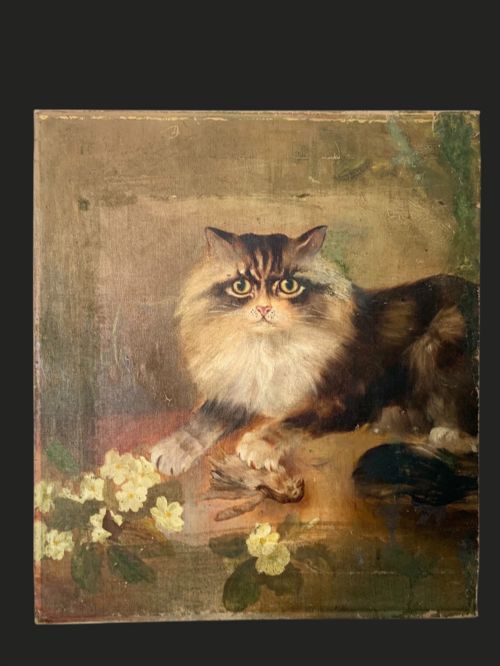
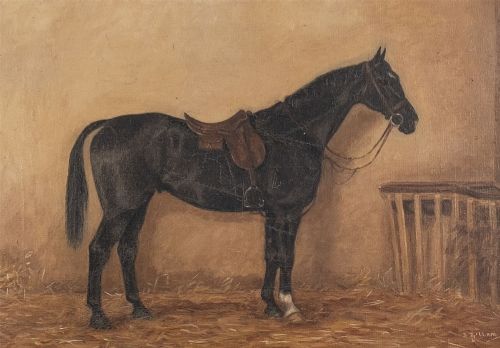
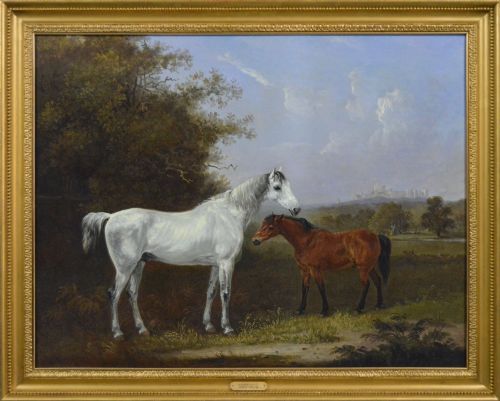
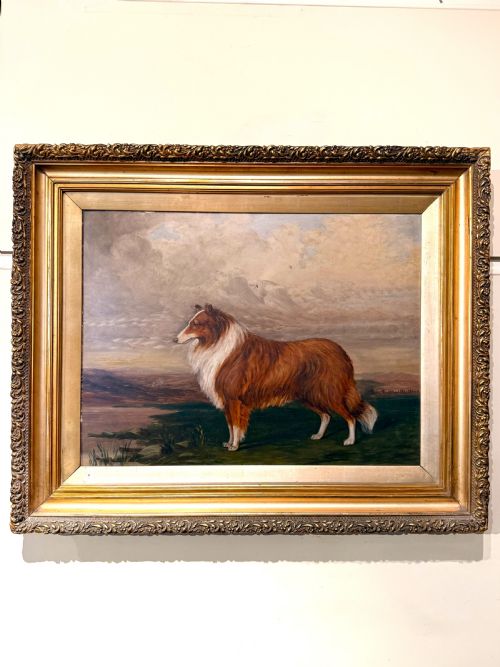
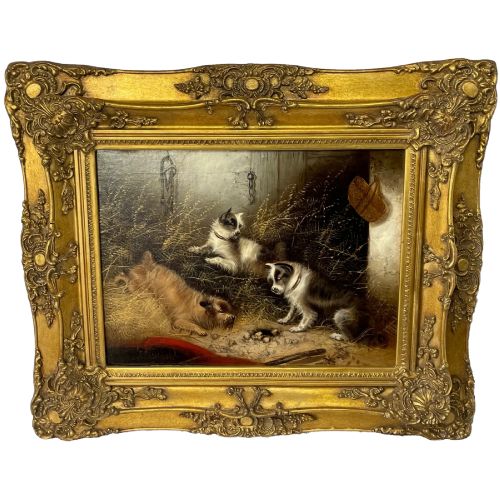
Buyers searching for vintage animal oil pieces encounter framed artwork and fine art paintings depicting horses, dogs, cats, and livestock. These oil on canvas and board creations stem from periods spanning the Victorian era through the mid-twentieth century.
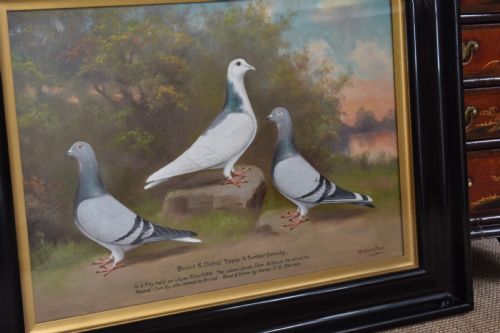
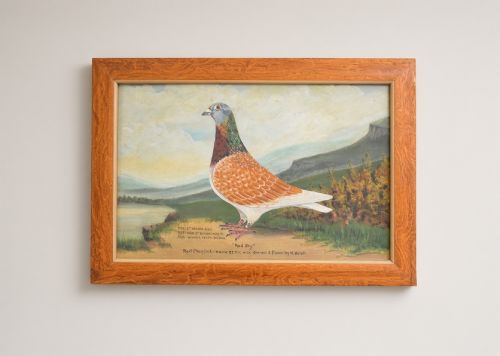
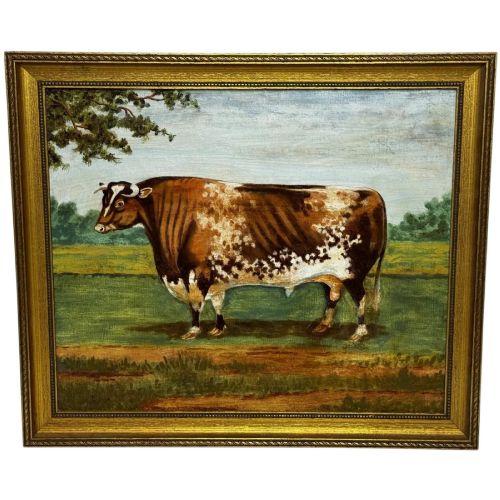
The selections on this page showcase specific regional traditions, including British sporting art, French school portraiture, and naive folk art. Subjects range from prize bulls and working terriers to racing pigeons and stable yards.
Many of these oil paintings carry signatures or attributions to established nineteenth and twentieth-century painters, while others remain anonymous works of domestic affection or rural life.
Materials and construction methods
Artists painted these works primarily using oil paint applied to stretched canvas, wooden panels, or board supports. This medium allowed for rich blending of colour, deep shadow, and fine detail in animal coats and textures.
Framing often involved carved wood or giltwood frames that enhanced the visual presence of the paintings. The combination of durable oil pigments and sturdy wooden supports ensured these portraits survived across multiple centuries.
Vintage Animal Oil Retail Price Guide 2026
Typical asking prices for vintage animal oil among the pieces listed under this phrase on Sellingantiques today, from the lower quarter to the upper quarter. They describe what is for sale here now, not the wider market.
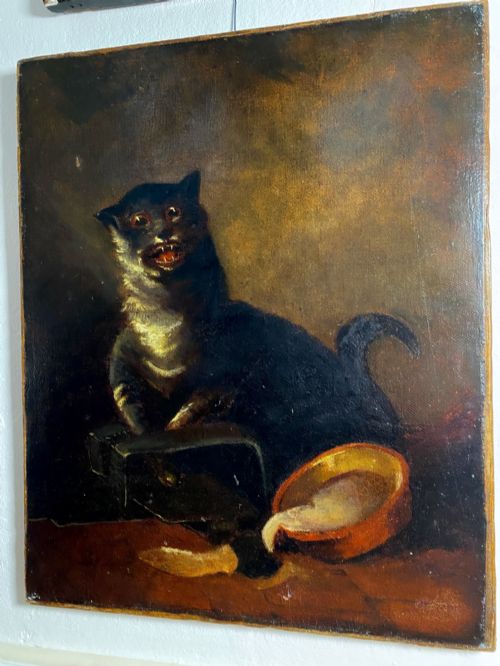
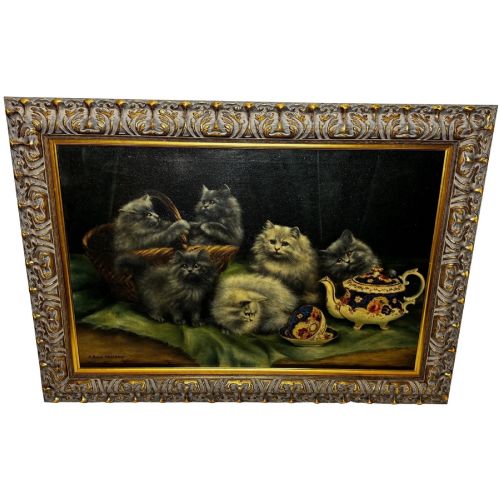
Several canvases record the likenesses of exceptionally pampered cats and prize bulls who clearly ruled their respective households.
Distinctions in craftsmanship and value
Quality in these paintings rests upon the anatomical precision of the subject and the confidence of the brushwork. Master painters captured the alertness in a dog's eye or the sheen on a horse's coat with distinct mastery.
Provenance and documentation also separate works, as paintings with clear attribution to recorded artists or known estates command stronger interest. The condition of the original oil surface and the preservation of the framing further define the piece.
Charles Bilger Spalding·Agnes Augusta Talboys·Lionel Ellis·Willem J Palman·Edmund Bristow·Edward Armfield·George Armfield·George Augustus Holmes·Edgar Hunt·Fred Fitzpatrick·Alfred Arthur Brunel de Neuville·F.A. Clark·John Emms·LM Webb·Margaret Maitland Howard·Henry Robinson Hall·Albert Clark·C W Tuck·John Frederick Herring Jnr·William Barraud
The Vintage Animal Oil Glossary
- Oil on Canvas
- A painting technique where pigmented oil is applied to woven fabric stretched across a wooden frame. This method became standard for fine art portraits and landscapes.
- Giltwood
- Wood carved and coated with a thin layer of gold leaf. Frames made this way surround many period paintings.
- Naive Art
- Artwork created by a person without formal academic training in perspective and proportion. These pieces often feature charming directness and folk art appeal.
- Sporting Art
- A genre dedicated to depicting horses, hounds, shooting, and rural sports. It flourished in Britain during the eighteenth and nineteenth centuries.
- Equine Portrait
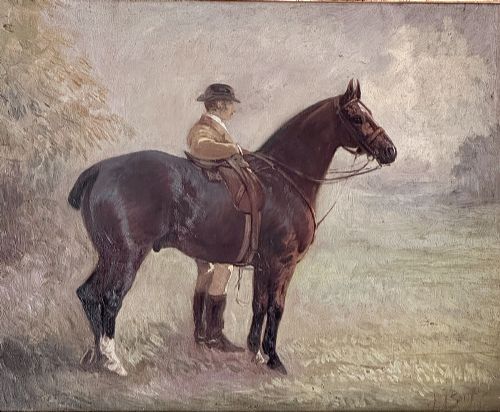
- A specialised painting commissioned to record the likeness of a specific horse. These works often name the animal and its owner.
Vintage Animal Oil: Frequently Asked Questions
What subjects appear in these paintings?
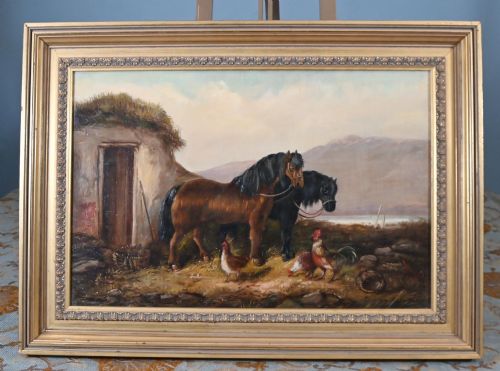
The works depict a wide array of domestic and sporting creatures, including racehorses, terriers, cats with kittens, Highland cattle, and farmyard poultry.
Artists frequently placed these animals within detailed landscapes, stable interiors, or formal pastoral settings.
How do I identify the period of a painting?
Dating relies upon costume clues in human figures, framing styles, and the specific pigment characteristics typical of Victorian or twentieth-century palettes.
Signatures, dates inscribed on the reverse, and biographical details of the named artist provide the most reliable chronological anchors.
Where were these artworks produced?
The pieces originate primarily from British and French studios, reflecting regional traditions in sporting art and animal portraiture.
Certain works also point to specific locations such as Indian stables, Scottish lochs, or rural estates across Europe.
How should I care for an oil painting?
Keep the canvas away from direct sunlight and dramatic fluctuations in room temperature to prevent cracking in the oil paint.
Dust the frame and surface gently with a soft, dry cloth without applying liquid cleaners or pressure to the canvas.