





Vintage Animal Miniatures
These vintage animal miniatures bring remarkable detail to small-scale sculpture, offering charm and character through fine metals, glass, and carved wood.
Vintage Animal Miniatures
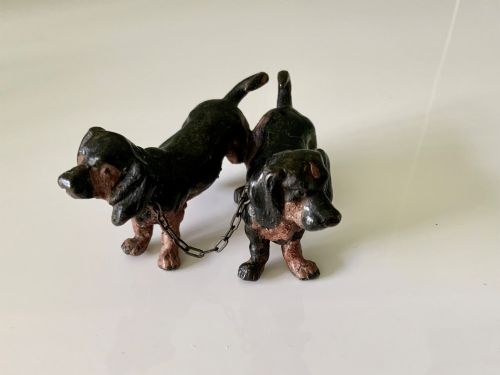
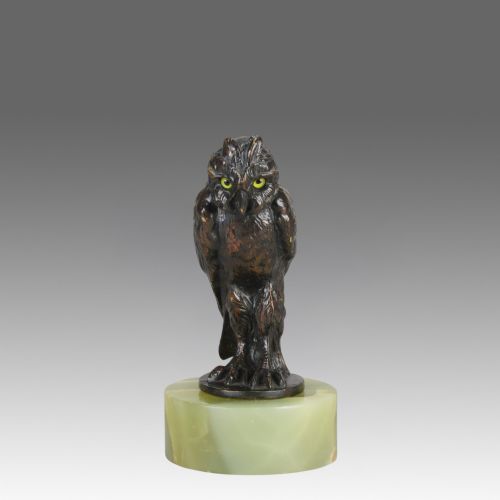
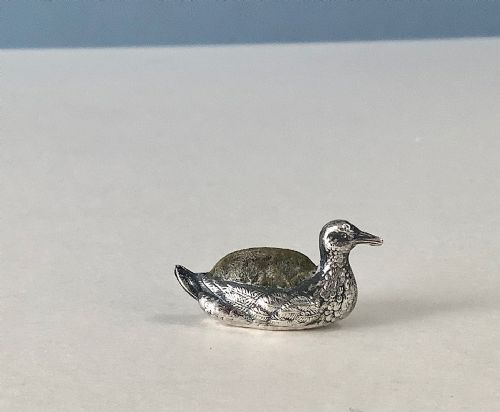
Vintage animal miniatures encompass small-scale sculptures, pin cushions, trade weights, and figurines depicting various creatures. When exploring vintage animal miniatures, collectors encounter subjects ranging from domestic dogs and farm animals to wild beasts and exotic birds.
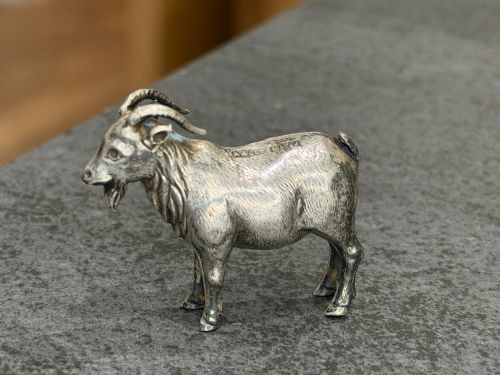
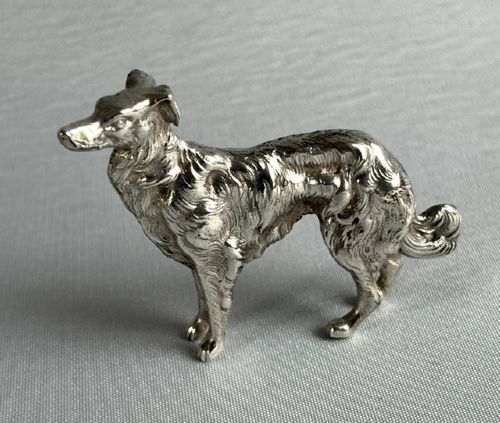
The pieces on this page span several periods, with a strong representation of Edwardian and Victorian works alongside early twentieth-century examples. Forms vary from functional pin cushions and opium weights to pure decorative sculptures in bronze, silver, glass, and carved wood.
Origins stretch from European workshops in Austria and Britain to Southeast Asia and China. Buyers often find cold-painted bronzes and silver novelties reflecting the whimsy and craftsmanship of their respective eras.
What varies in quality
The retention and subtlety of hand-applied cold paint largely dictate the visual appeal of bronze figures, as worn pigments diminish character. Crispness in cast metalwork reveals whether the original mould preserved fine fur textures and facial expressions.
Proportion and anatomical accuracy separate standard production pieces from masterworks by renowned workshops. Finer creations display careful balance and weight, whereas lesser examples can appear stiff or lack distinct detailing in paws, feathers, and eyes.
Vintage Animal Miniatures Retail Price Guide 2026
Typical asking prices for vintage animal miniatures among the pieces listed under this phrase on Sellingantiques today, from the lower quarter to the upper quarter. They describe what is for sale here now, not the wider market.
Materials across the selection range from bronze and sterling silver to carved jade, lampwork glass, and Black Forest timber.
Berthold Muller·Edith Parsons·Franz Bergman·Herbert Dicksee
The Vintage Animal Miniatures Glossary
- Cold painted
- A technique where bronze figures are painted with natural pigments that are not fired in a kiln. This method allows for delicate surface shading on small animal sculptures.
- Vienna bronze
- Small, highly detailed bronze sculptures produced in Austrian foundries during the late nineteenth and early twentieth centuries. These pieces frequently depict animals in humorous or realistic poses.
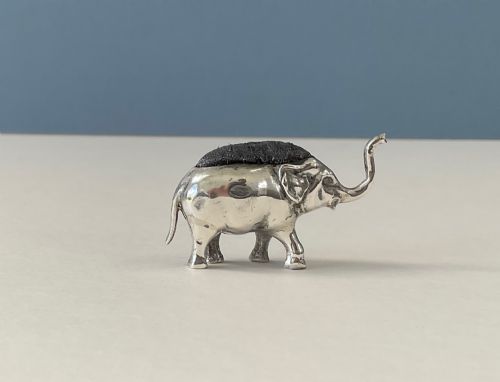
- Pin cushion
- A small domestic object often formed as a silver or velvet animal to hold sewing pins. Edwardian makers frequently combined utility with novelty in these miniature forms.
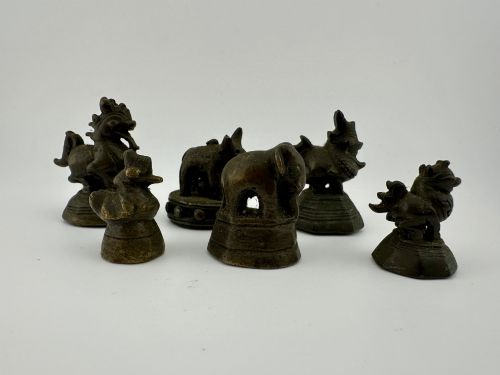
- Opium weight
- Trade weights cast in the form of animals, originating from Southeast Asia. These bronze pieces served a practical commercial function while doubling as sculptural miniatures.
- Lampwork
- A glassworking technique using a torch to melt and manipulate rods of glass. Artisans shape molten glass into intricate animal figures while maintaining translucent qualities.
Vintage Animal Miniatures: Frequently Asked Questions
How do I clean vintage bronze animals?
Dust gently with a soft, dry brush to preserve delicate cold-painted surfaces.
Avoid using water, chemical solvents, or metal polishes, as these treatments strip away original pigments and patinas.
Are these silver miniatures hallmarked?
Many British silver pieces carry standard assay marks indicating the maker, town, and year of testing.
Smaller novelty items sometimes feature partial stamps due to limited surface area on the metal.
What materials were used for these miniatures?
Common materials include cast bronze, sterling silver, carved jade, glass, and timber.
Artists frequently selected media that permitted fine detail work at a very small scale.
How can I tell Vienna bronze from later copies?
Authentic Vienna bronzes typically exhibit weight, precise chasing beneath the paint, and specific foundry marks.
Older patinas show natural wear patterns rather than uniform modern finishes.