



Vintage Animal Engraving
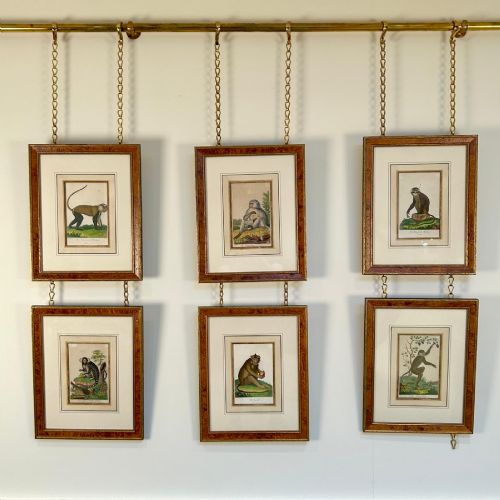
These vintage animal engraving pieces capture wildlife and domestic subjects across centuries, offering collectors striking studies of form in ink and paper.
Vintage Animal Engraving
A vintage animal engraving brings historical depictions of creatures into domestic spaces through framed prints, etchings, and drypoints spanning multiple centuries. These works range from Georgian and Victorian portrayals of farm animals and pets to Edwardian studies of big cats and sporting dogs.
The most frequent examples on this page are framed original etchings and drypoints on paper from British and European hands. Buyers also encounter related decorative forms such as silver mounts, brass chargers, and glass centrepiece bowls featuring animal decoration.
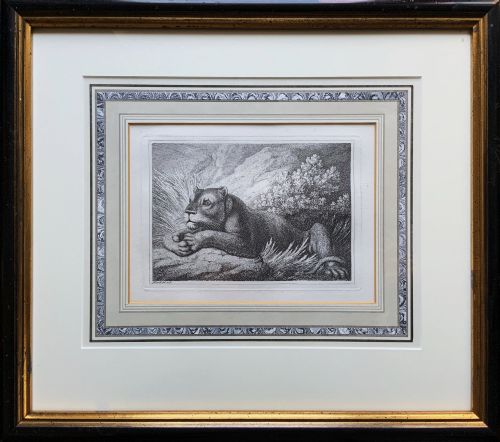
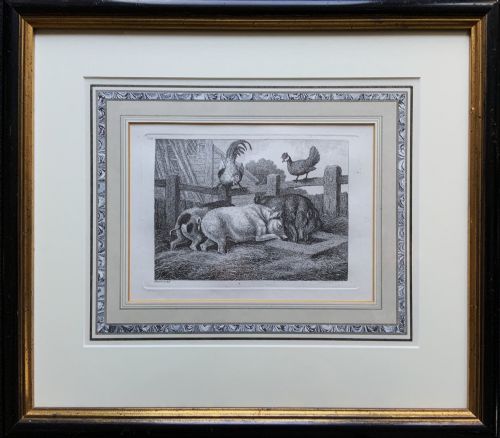
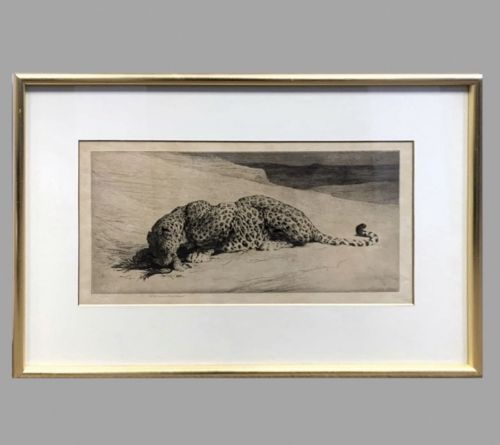
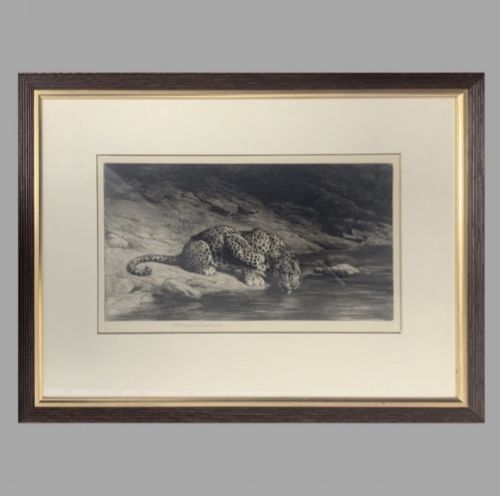
Originating across the eighteenth, nineteenth, and early twentieth centuries, these pieces document shifts in natural history illustration and fine art printmaking. The selection moves from early plates of pigs and lions to intimate signed artist proofs of spaniels and leopards.
How they were made
Printmakers utilised paper, ink, and metal plates to create these etchings and drypoints, often applying hand colouring to enhance the finished image. Artists worked directly onto plates to produce lines that held ink during the pressing process.
Sculptural and decorative items combine materials like brass, sterling silver, ebony, and glass to present animal motifs. These non-paper objects employ casting, mounting, and surface engraving to incorporate wildlife into functional or display pieces.
Vintage Animal Engraving Retail Price Guide 2026
Typical asking prices for vintage animal engraving among the pieces listed under this phrase on Sellingantiques today, from the lower quarter to the upper quarter. They describe what is for sale here now, not the wider market.
One determined bull bitch named Lucy stands immortalised in nineteenth-century print alongside her illustrious canine pedigree.
What varies in quality
Quality rests in the precision of the line work and the clarity of the impression transferred to the paper or metal surface. Stronger examples display deliberate control in drypoint burr and etching depth, whereas lesser plates lose definition in shaded areas.
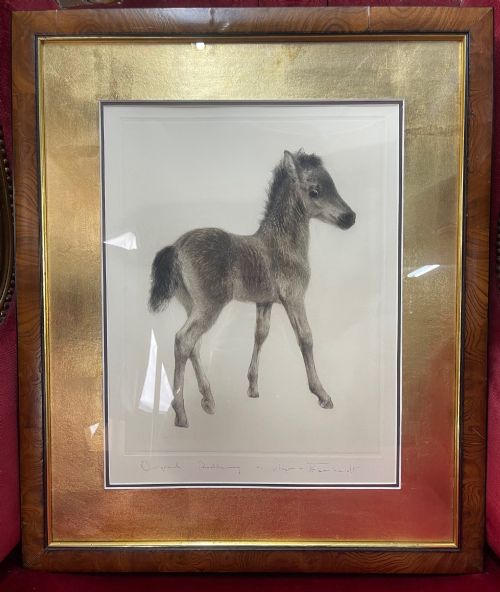
The presence of artist signatures, limited edition proofs, and period framing distinguishes exceptional works from standard decorative prints. Preservation of the sheet, minimal fading of ink, and faithful hand colouring further elevate the standing of an individual piece.
Samuel Howitt·Kurt Meyer-Eberhardt·Herbert Dicksee·Landseer·H. Strafford
The Vintage Animal Engraving Glossary
- Etching
- A printmaking process where acid bites lines into a metal plate to hold ink for transfer onto paper. This technique allows for fine detail and tonal variation across animal depictions.
- Drypoint
- An intaglio printmaking method where the artist scratches directly into the metal plate with a sharp needle. The resulting burr creates a soft, velvety line unique to this medium.
- Artist Proof
- A trial impression printed for the artist to check the state of the plate before the main edition. These bear personal signatures and hold higher regard among collectors.
- Wall Charger
- A large decorative plate designed for display rather than dining. Examples often feature embossed or engraved animal decoration across the surface.
- Centrepiece Bowl
- A large ornamental vessel placed in the middle of a table, frequently fashioned from glass with incorporated animal motifs.
Vintage Animal Engraving: Frequently Asked Questions
How do I care for antique animal engravings?
Keep works on paper away from direct sunlight to prevent the ink and paper from fading over time. Maintain stable humidity levels in the room to protect the integrity of antique framing and paper sheets.
For silver and brass decorative items, use gentle cleaning methods suitable for antique metals without abrasive polishes. Handle glass centrepieces with care to avoid chipping the animal decoration.
What is the difference between an etching and a drypoint?
An etching relies on acid to bite the design into a metal plate, producing clean and uniform lines. Artists draw through an acid-resistant ground applied to the copper or zinc.
Drypoint involves scratching the metal surface directly with a sharp stylus without acid. This raises a metal ridge called a burr that catches ink to create a rich, fuzzy line.
Are these pieces original or modern reproductions?
The selection comprises period works created during the eighteenth, nineteenth, and early twentieth centuries. Paper stock, plate marks, and printing techniques align with the stated periods of production.
Signatures on artist proofs and historical publication details help confirm the age and origin of individual prints. Each listing reflects the specific era of its creation.
How are these framed artworks best displayed?
Hang framed prints on interior walls out of reach of direct heat sources and strong daylight. Use conservation-grade mounting materials behind glass to protect delicate paper surfaces from environmental damage.
Pair similar subjects, such as sporting dogs or big cats, together to create a cohesive gallery wall in a study or hallway.