


Vintage Animal Canvas
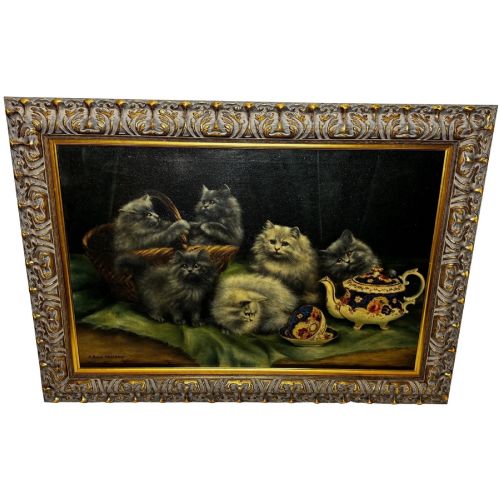
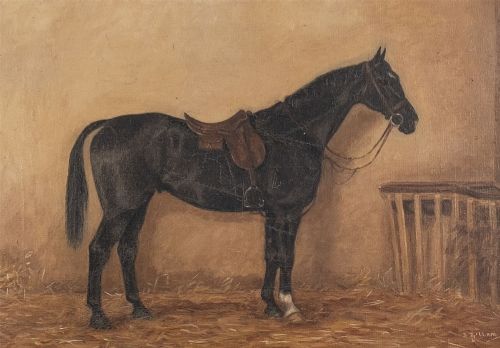
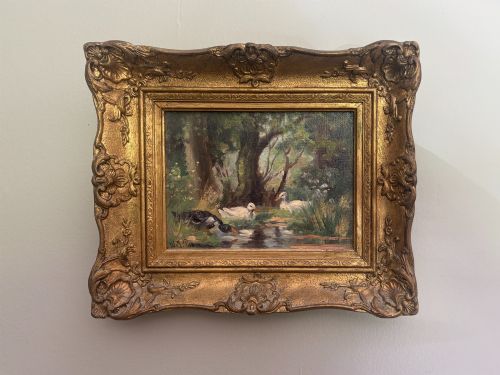
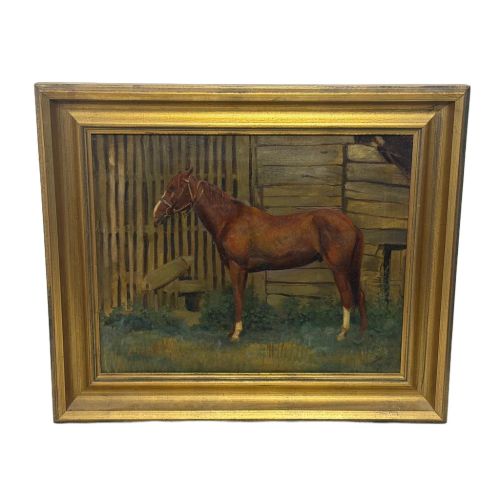
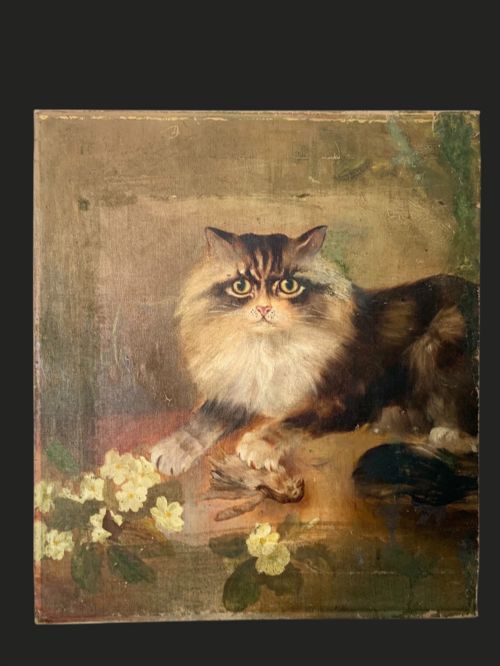
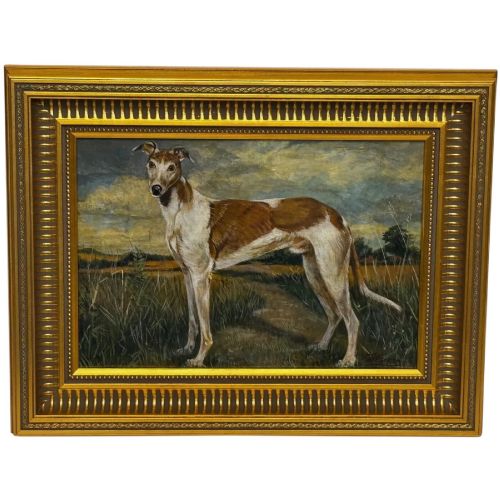
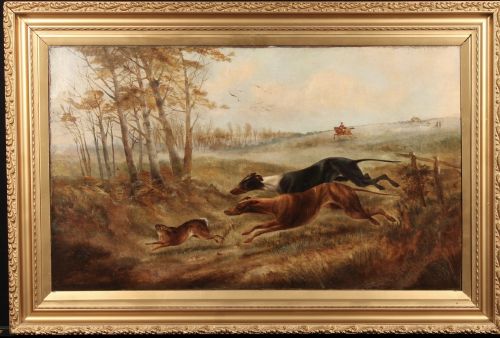
When you search for vintage animal canvas, you enter a world of oil paintings on canvas portraying horses, dogs, cats, and farm animals from the nineteenth and twentieth centuries.
Vintage Animal Canvas
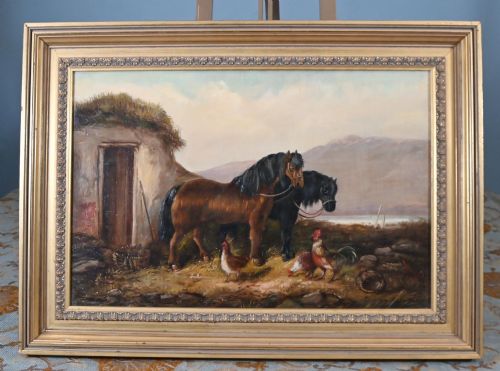
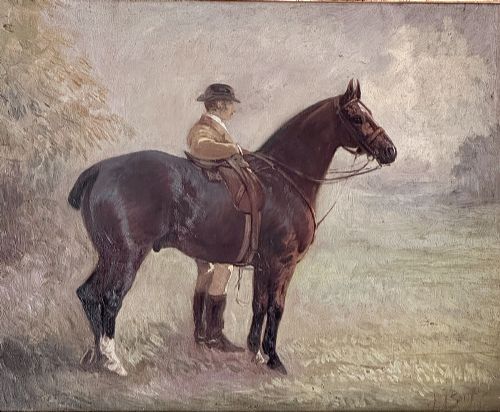
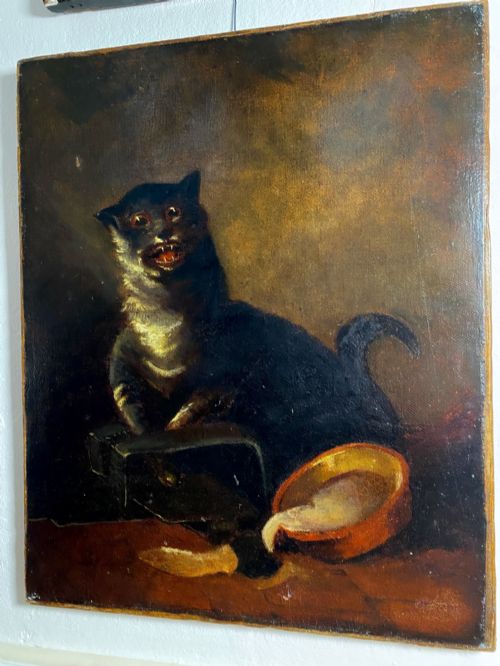
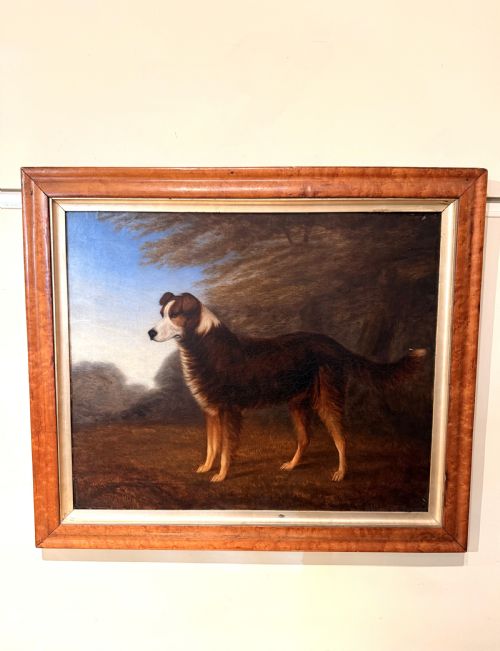
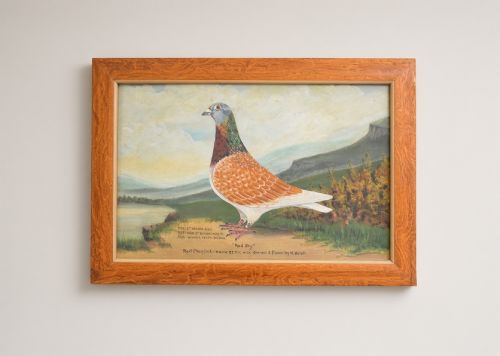
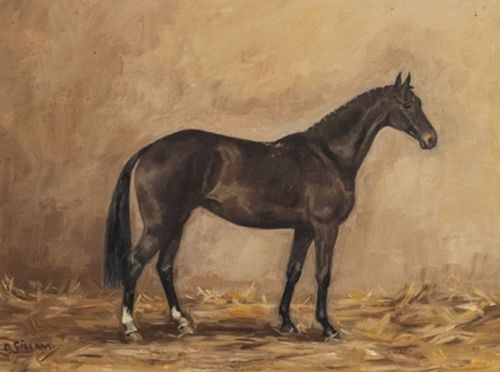
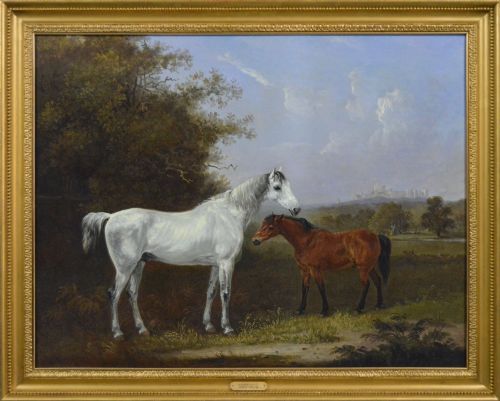
A vintage animal canvas brings nineteenth and early twentieth-century fine art into modern spaces, focusing primarily on domestic pets, farm animals, and sporting subjects. These works capture horses, dogs, and livestock rendered with varying degrees of academic realism or naive charm.
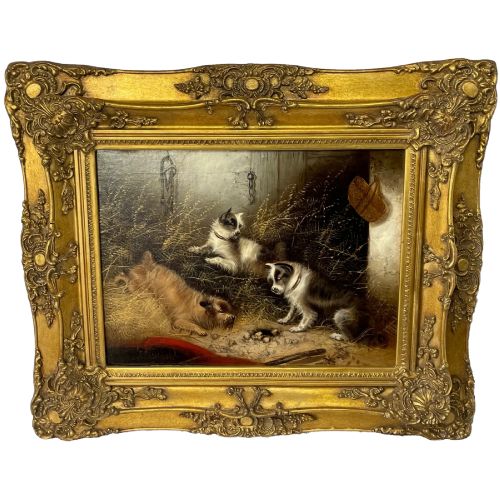
The selections span Victorian sporting art, British and French school portraits, and farmyard scenes. Buyers encounter representations of prizewinning bulls, working terriers, racehorses, and playful kittens painted directly onto woven support fabrics.
Most examples originate from the Victorian era up through the mid-twentieth century, reflecting changing tastes in animal portraiture and rural life. These works range from grand equestrian commissions to intimate depictions of farmyard animals.
Materials and construction
These works utilise oil paint applied to woven canvas supports, often stretched over wooden frames and housed in giltwood surrounds. The physical structure relies on traditional preparation of the textile substrate with grounds before pigment application.
Brushwork varies from tight, academic realism capturing individual hairs and leather tack to looser, impressionistic strokes defining movement in sporting scenes. Pigments adhere directly to the canvas fibres, sometimes showing craquelure due to age.
Vintage Animal Canvas Retail Price Guide 2026
Typical asking prices for vintage animal canvas among the pieces listed under this phrase on Sellingantiques today, from the lower quarter to the upper quarter. They describe what is for sale here now, not the wider market.
Listings feature periods spanning from the early nineteenth century through to the nineteen-fifties, employing oil paint on canvas and wood.
Assessing quality and execution
Quality rests upon the anatomical precision of the subject and the painter's ability to render texture, light, and expression. Superior pieces demonstrate confident handling of musculature, fur, and background landscapes.
Compositional balance and the preservation of the original canvas surface dictate the standing of a piece. Finer examples maintain crisp brushwork and original stretchers without extensive overpainting.
Charles Bilger Spalding·Agnes Augusta Talboys·Lionel Ellis·Willem J Palman·Edmund Bristow·Edward Armfield·George Armfield·George Augustus Holmes·Edgar Hunt·Fred Fitzpatrick·Alfred Arthur Brunel de Neuville·F.A. Clark·John Emms·LM Webb·Margaret Maitland Howard·Henry Robinson Hall·Albert Clark·William Barraud·Eugene Joseph Verboeckhoven·Sir Edwin Landseer·Percival Glenfern
The Vintage Animal Canvas Glossary
- Canvas
- A heavy woven fabric used as a support surface for oil paintings. It provides texture and flexibility for the pigment layers.
- Giltwood
- Wood carved and covered with a thin layer of gold leaf or gilt. It frames many traditional paintings from the nineteenth century.
- Naive school
- Art produced by painters with little or no formal academic training. These works feature flattened perspective and direct charm.
- Sporting art
- Depictions of animals connected to rural pursuits such as hunting, racing, and equestrian events. It forms a distinct genre in British painting.
- Oil paint
- Pigment mixed with a drying oil such as linseed. It allows for rich blending and depth on canvas supports.
Vintage Animal Canvas: Frequently Asked Questions
How do I hang a canvas safely?
Ensure the wall fixings match the weight of the frame and canvas. Hang the piece away from direct sunlight and strong heat sources to protect the oil paint.
Keep paintings clear of damp walls to prevent degradation of the wooden stretcher and the canvas fibres.
What subjects are most common?
Horses and dogs dominate these nineteenth and twentieth-century works, reflecting the popularity of sporting and domestic animal portraiture. Farmyard animals such as cattle, sheep, and poultry also appear frequently.
Scenes range from solitary prize bull portraits to lively groups of kittens at play or terriers on the lookout.
How do I date an oil painting?
Examine the style of the frame, the weave of the canvas, and any inscriptions or signatures on the reverse. Victorian and Edwardian works often feature specific stylistic markers in dress, tack, or landscape backgrounds.
Artist biographical dates provide a firm window for creation when signatures are legible on the surface.