





Vintage Afghan Textile
These vintage afghan textile pieces are tribal weaves and domestic trappings carrying generations of nomadic history, brought together for the collector who values authentic craft.
Vintage Afghan Textile
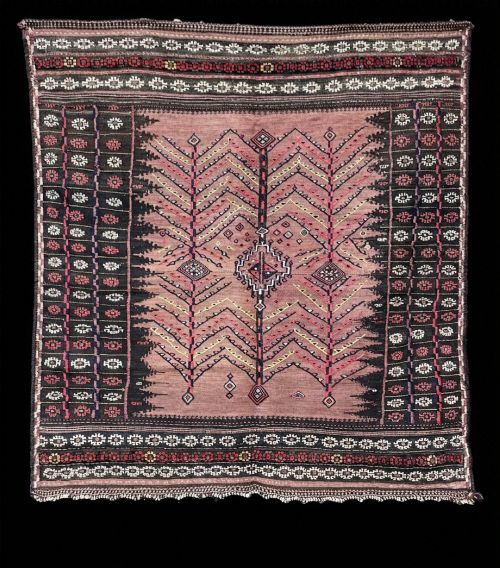
A vintage afghan textile encompasses a diverse range of tribal and nomadic forms, from ceremonial horse blankets and dining sofreh cloths to storage bags and wall hangings. These items originate primarily from regional groups such as the Baluch, Timuri, Ersari, and Firozkohi tribes working across Afghanistan and its borderlands.
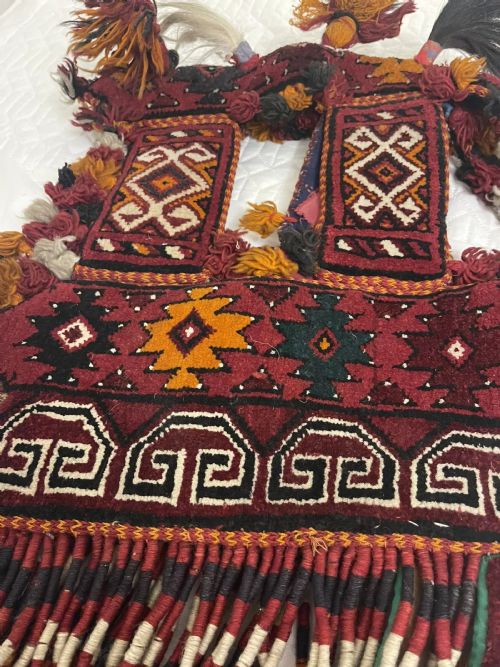
The most common examples encountered in this selection include functional domestic weaves like eating cloths and storage bags, alongside decorative trappings intended for camels and horses. These pieces reflect the daily utility and ceremonial traditions of their makers, spanning the late nineteenth century through to the early decades of the twentieth century.
Materials and Techniques
Construction relies heavily on hand-spun wool and cotton foundation threads, combined to create durable flatweaves, pile rugs, and embroidered covers. Artisans utilised natural dyes to achieve rich colour palettes across these complex geometric and figurative compositions.
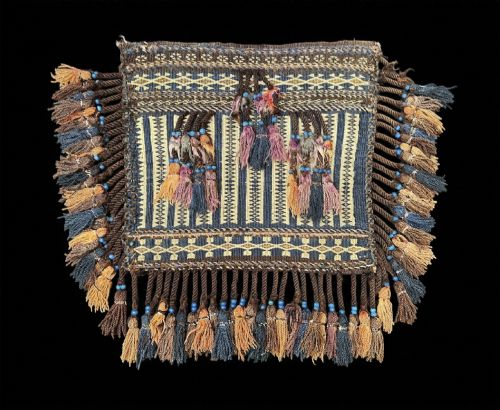
Many textiles incorporate supplementary embellishments such as glass beads to enhance ceremonial trappings and door hangings. The technical execution varies from fine knotting in prayer rugs to sturdy tapestry weaving in flatweave kilims and sofreh cloths.
Vintage Afghan Textile Retail Price Guide 2026
Typical asking prices for vintage afghan textile among the pieces listed under this phrase on Sellingantiques today, from the lower quarter to the upper quarter. They describe what is for sale here now, not the wider market.
The current selection spans materials including hand-spun wool, cotton, and glass beads across pieces dated from 1880 to 1930.
Judging Quality
Quality in these textiles rests upon the fineness of the weave, the complexity of the tribal design, and the vibrancy of the natural dyes. Pieces with unusual pictorial elements or distinct regional attributions demonstrate superior artistic intent.
The condition of the wool, the integrity of the original edges, and the survival of delicate additions like beadwork further differentiate standard domestic items from exceptional ceremonial examples.
The Vintage Afghan Textile Glossary
- Sofreh
- A flatwoven cloth used for dining or food preparation among nomadic and village communities. These textiles often feature minimalist geometric borders surrounding a central field.
- Kapunuk
- A tent hanging traditionally placed around the door frame of a yurt or dwelling. They are associated with Turkoman tribal groups.
- Chuval
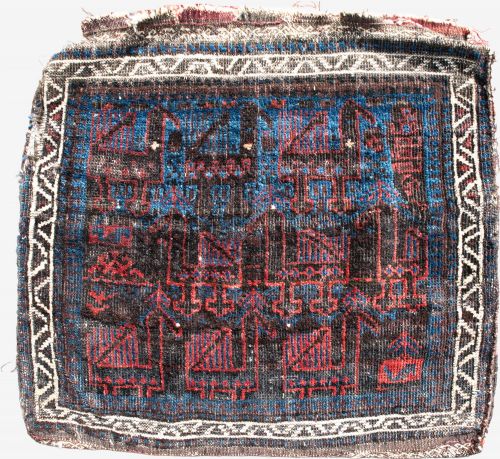
- A large storage bag woven by nomadic women for household belongings. These pieces typically display structured guls or medallion motifs.
- Flatweave
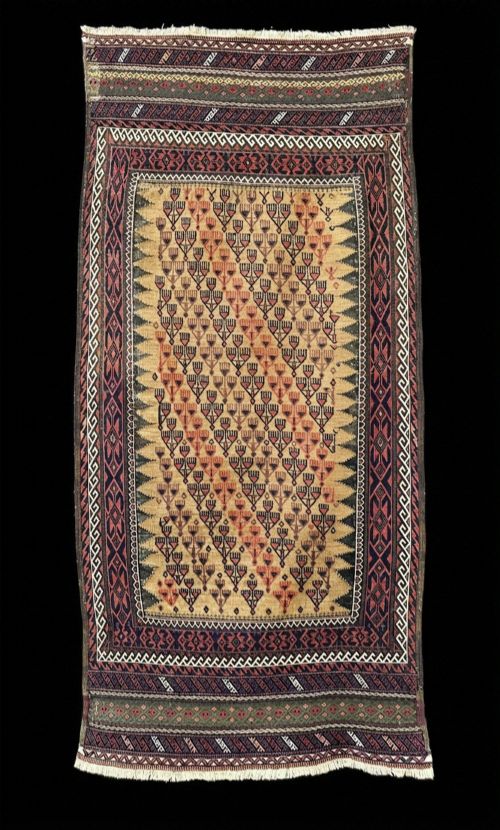
- A textile constructed without pile by interlocking warp and weft threads together. Examples include kilims and sofrehs.
- Trapping
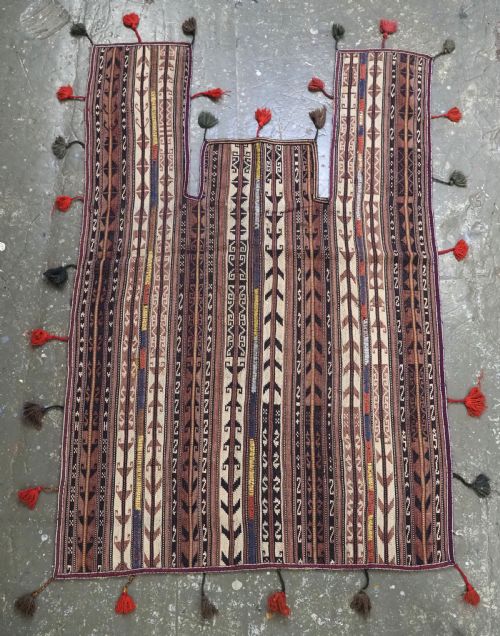
- An ornamental textile designed for animals such as camels or horses, frequently utilised during weddings and ceremonial processions.
Vintage Afghan Textile: Frequently Asked Questions
What is an afghan sofreh cloth?
A sofreh is a flatwoven textile used historically for dining, serving as a clean surface upon which food and bread were placed.
These cloths reflect the nomadic lifestyle where furnishings needed to be portable yet durable enough for daily floor use.
How are tribal bags used today?
Storage bags and horse trappings are now typically displayed as wall hangings or decorative interior textiles.
Their robust wool construction and geometric patterns suit modern spaces seeking grounded historical character.
How do I date these textiles?
Dating relies on assessing the wool quality, the chemical composition of the natural dyes, and stylistic markers specific to nineteenth and early twentieth-century tribal weaving.
Comparative analysis with documented museum pieces helps place items within the 1880 to 1930 window.
What are camel and horse trappings?
These are ceremonial textiles woven in pairs or sets to adorn animals during weddings and important tribal celebrations.
They often incorporate elaborate fringes, glass beads, and symbols intended to offer protection and good fortune.