
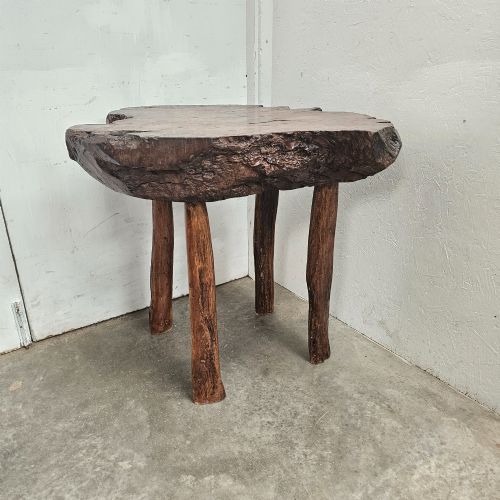
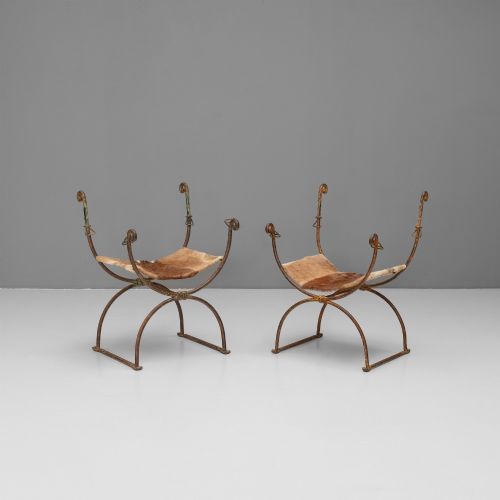


Vintage Accent Stool
A vintage accent stool brings character and solid timber construction to a corner, drawing on nineteenth and twentieth century traditions.
Vintage Accent Stool
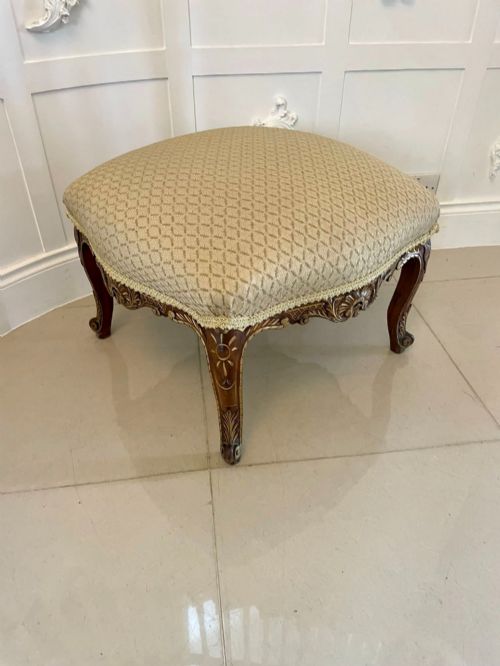
A vintage accent stool provides practical seating or a low surface, appearing across forms such as joint stools, dressing stools, and footstools. These pieces span the nineteenth century and the twentieth century, taking inspiration from periods like the Victorian and Edwardian eras.
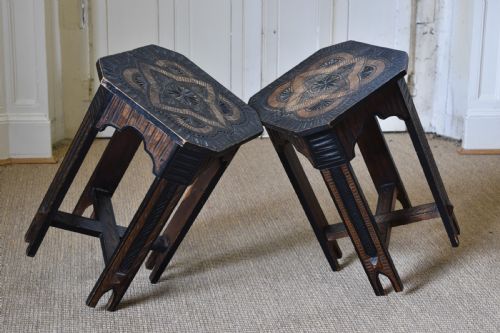
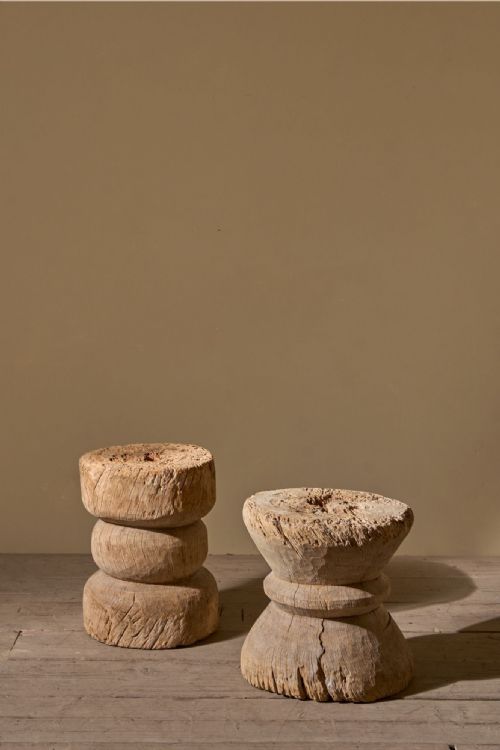
Makers drew on diverse global traditions, producing Anglo-Indian, African tribal, and Chinese designs alongside British styles. Buyers encounter both utilitarian rustic seats and finely carved walnut or mahogany examples.
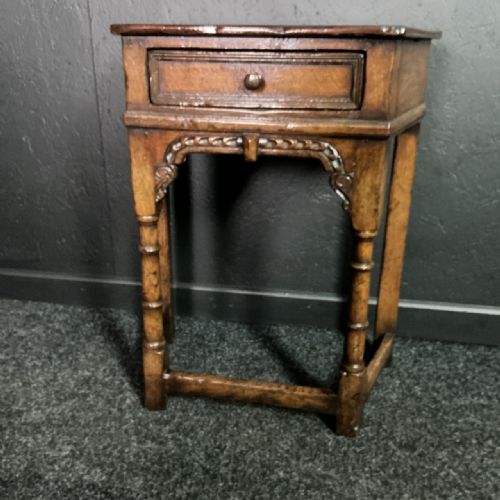
The category overlaps closely with small side tables and occasional tables, reflecting how versatile low seating functioned in historic interiors.
Materials and construction
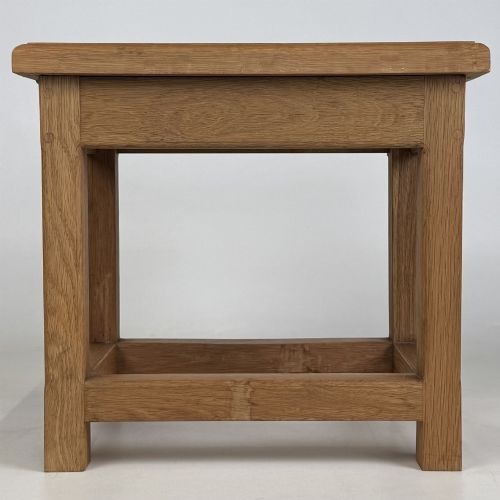
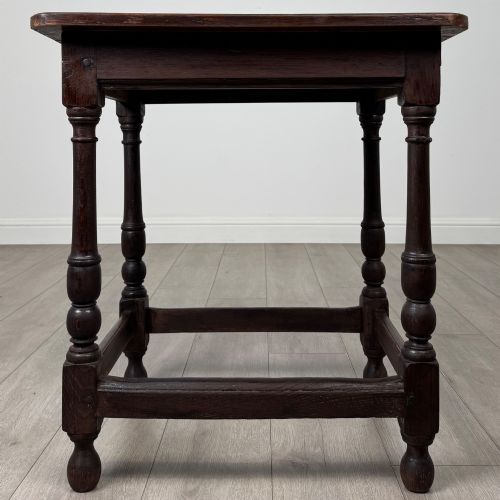
Carpenters relied primarily on hardwoods such as oak, walnut, mahogany, ash, and elm for frames and legs. Joinery methods included traditional joint construction, bobbin turning, and chip carving, creating sturdy load-bearing structures.
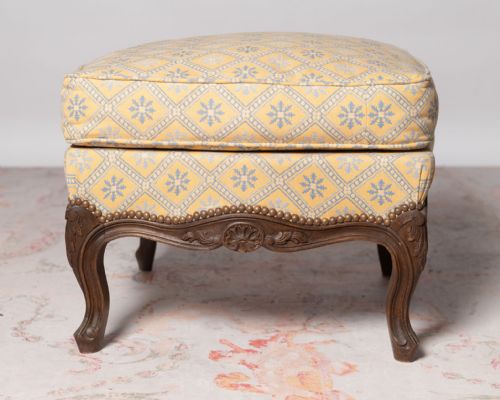
Upholstered versions incorporated fabric, textile, and needlepoint covers, sometimes updated with modern tweed linen or left ready for fresh upholstery. Occasional tables and decorative pieces integrated brass, marble, lacquer, and cloisonné details.
Listings feature oak, walnut, mahogany, ash, and elm, alongside decorative elements like brass, marble, and needlepoint upholstery.
Assessing craftsmanship
Quality rests in the integrity of the timber and the precision of the carving. Dense hardwoods like walnut and oak support intricate chip carving and stable joinery better than softer woods.
The distinction between a humble rustic seat and a refined Victorian dressing stool lies in the subtlety of the turnings, the execution of applied ornament, and the preservation of original textiles or proper re-upholstery.
The Vintage Accent Stool Glossary
- Joint stool
- A traditional wooden stool constructed with mortise and tenon joints held by wooden pegs rather than glue. These sturdy pieces date back centuries and served various household tasks.
- Chip carved
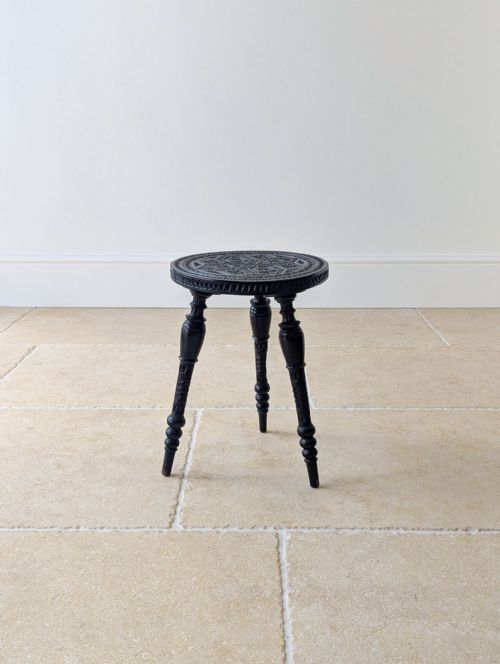
- A method of ornamentation where the carver removes small chips of wood from a flat surface to create geometric patterns. This technique appears frequently on nineteenth-century occasional tables and stools.
- Bobbin turned
- A style of furniture leg or stretcher shaped on a lathe to resemble a series of rounded bobbins or spools end-to-end. It is a common feature on late-nineteenth-century oak pieces.
- Sgabello
- An Italian Renaissance chair style featuring a wooden seat supported by two carved board legs rather than four vertical posts. These decorative seats function primarily as accent pieces.
- Thebes stool
- A low, three-legged stool design inspired by ancient Egyptian artefacts and popularized in Britain by makers like Liberty and Co during the late nineteenth century.
Vintage Accent Stool: Frequently Asked Questions
How were these stools used historically?
These pieces served multiple domestic roles, functioning as seats near firesides, perches at dressing tables, or low surfaces for holding lamps and small objects.
Their compact size allowed servants and family members to move them easily between rooms as needed.
What is the difference between a stool and an occasional table?
While stools were primarily built for seating, many low wooden forms shared construction techniques with side tables and occasional tables.
Over time, flat-topped stools often transitioned into display surfaces, while tables with upholstered tops functioned as seating.
How do I date a wooden stool?
Dating relies on identifying the primary wood, joinery techniques, and stylistic revival influences visible in the piece. Oak and joint construction point toward earlier traditions, while walnut and specific turnings help assign pieces to the Victorian or Edwardian eras.
Examining tool marks and wear patterns also clarifies age.
How do I live with an antique stool?
These versatile pieces fit easily into modern interiors as bedside tables, plant stands, or extra seating in tight living spaces.
Protecting the wooden surfaces from excessive heat and moisture preserves the historic finish.