





Vintage Accent Light
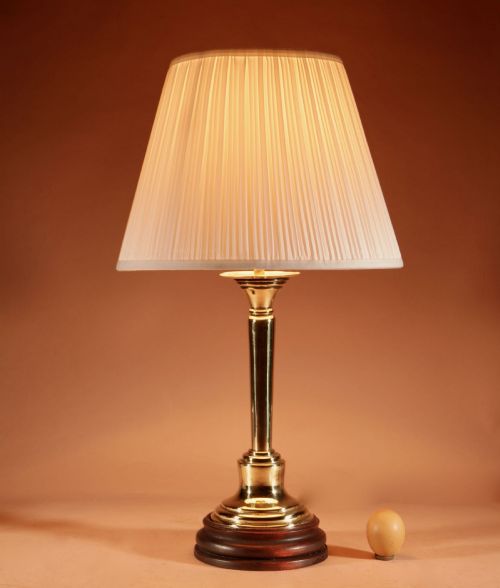
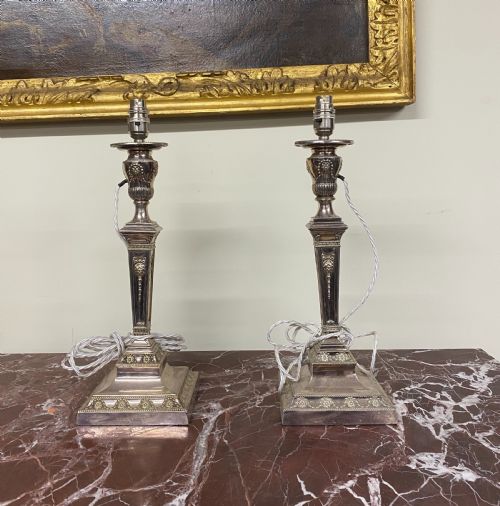
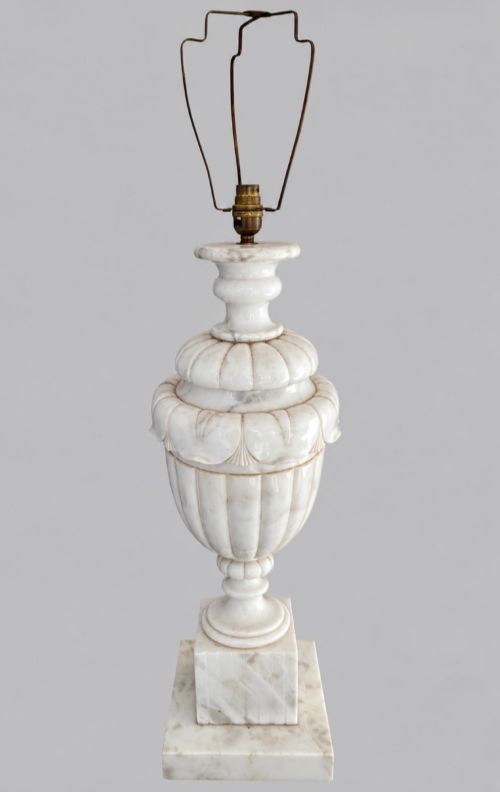
These vintage accent light selections bring period character and focused illumination to interiors, spanning brass, glass and marble forms from the early twentieth century.
Vintage Accent Light
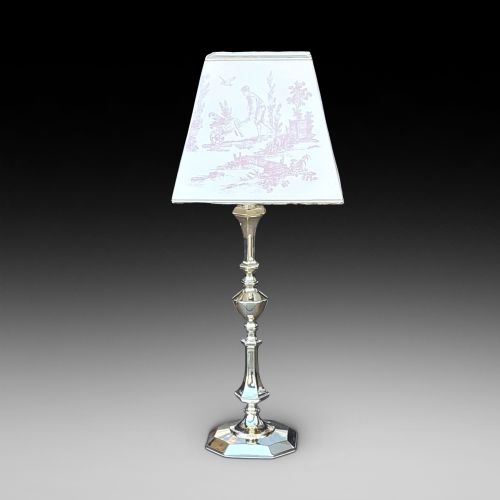
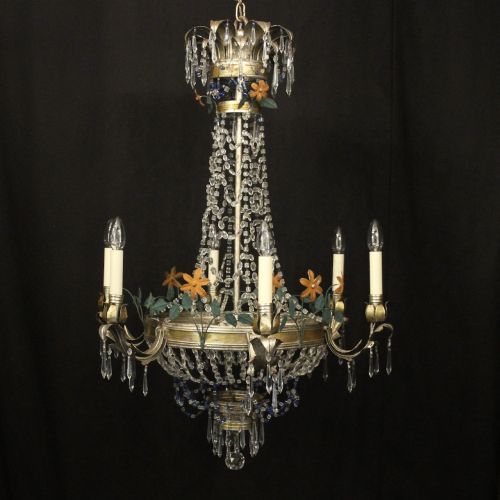
A vintage accent light serves to brighten specific areas of a room while introducing distinct historical character. The selection on this page relies heavily on table lamps, alongside wall fittings and chandeliers rooted in past decades.
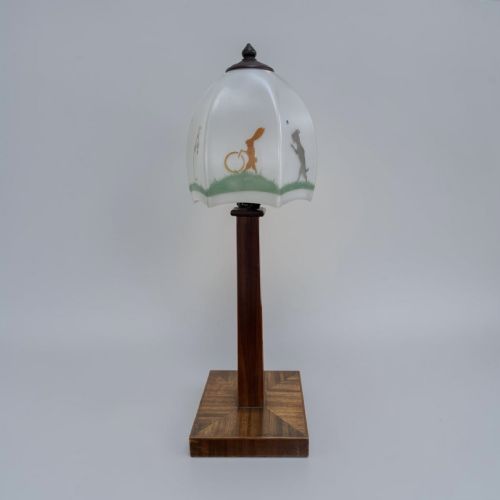
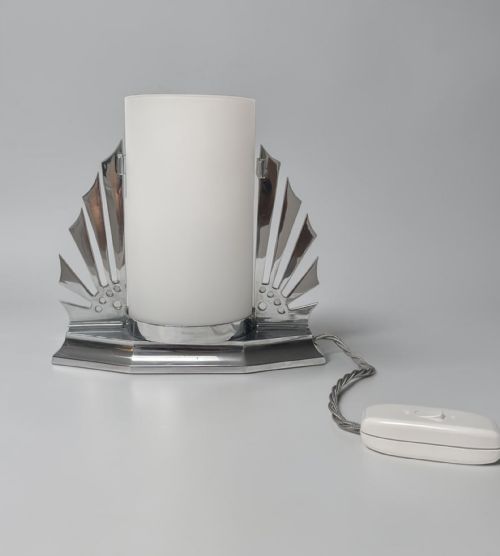
Most pieces encountered here date from the late nineteenth century through to the 1930s. Art Deco and Edwardian examples dominate the current stock, offering clean geometry or softer period detailing.
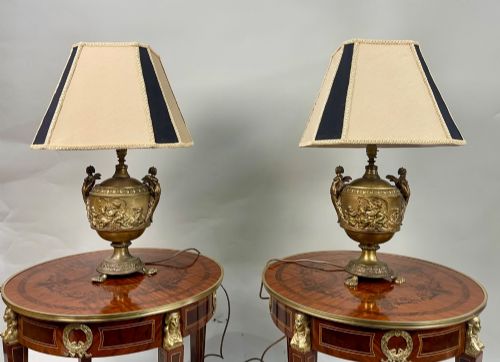
Materials range from polished brass and cast gilt bronze to carved marble and painted lacquer. Buyers will find both British and continental European origins represented across these lighting formats.
Materials and construction methods
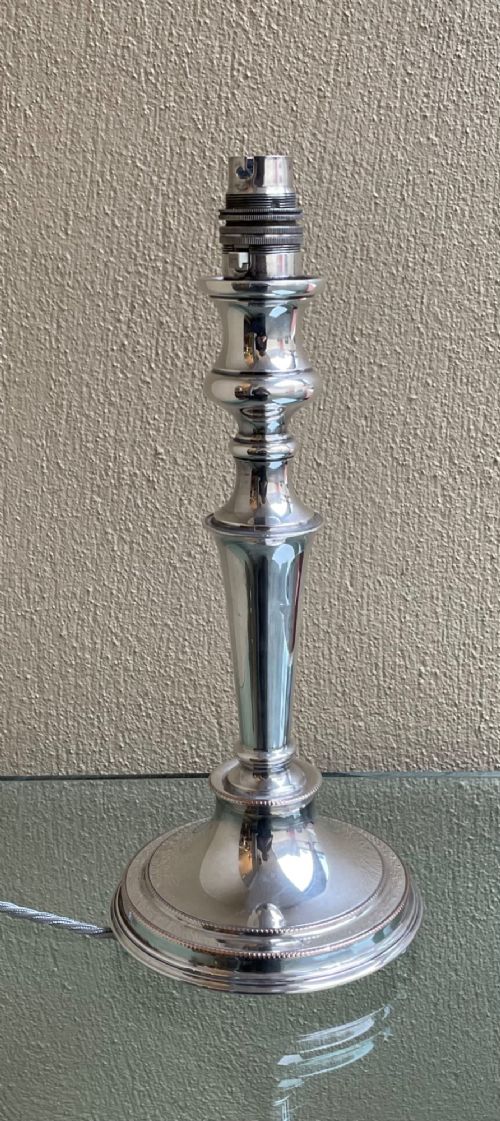
Metals form the structural core of many items, utilising cast brass, copper and gilt bronze often paired with heavy marble or onyx bases for stability. Artisans shaped these components through traditional foundry casting and turning techniques.
Vintage Accent Light Retail Price Guide 2026
Typical asking prices for vintage accent light among the pieces listed under this phrase on Sellingantiques today, from the lower quarter to the upper quarter. They describe what is for sale here now, not the wider market.
The object types span table lamps, wall fittings, ceiling lights and candlesticks across various European styles.
Factors that define craftsmanship
Quality rests in the crispness of the casting and the weight of the materials used in the body and base. Finer examples display sharp chasing on gilt bronze mounts and substantial gauge brass rather than thin pressed sheet metal.
The integrity of integrated elements, such as hand-painted lacquer decoration, original opaline glass shades and uncompromised marble columns, separates standard production items from more substantial works.
The Vintage Accent Light Glossary
- Art Deco
- A design style characterised by sleek geometric shapes and stylised motifs, prominent during the 1920s and 1930s. It influences much of the lighting hardware seen from this era.
- Gilt bronze
- An alloy treated with a thin layer of gold, frequently termed ormolu in French pieces. This finish provides a durable, lustrous surface on decorative mounts.
- Opaline glass
- A milky, semi-translucent glass developed to diffuse light softly. It appears commonly on shades from the early twentieth century.
- Champlevé
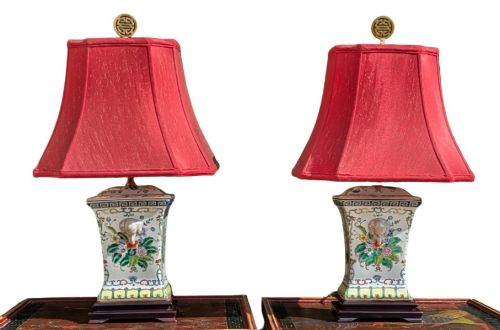
- An enamelling technique where troughs are sunk into a metal surface and filled with vitreous enamel. It decorates several bronze objects of Asian and European origin.
- Ormolu
- French term for applied gold-wash on bronze, popular in nineteenth-century decorative arts. It enhances the visual weight of marble and porcelain bases.
Vintage Accent Light: Frequently Asked Questions
How do I date a vintage accent light?
Dating relies on stylistic markers such as Art Deco geometric lines or Edwardian brass forms, alongside construction methods and material choices typical of specific decades.
Examining maker marks or wiring types can provide additional clues, though many older pieces have been re-wired for modern use.
Are these lamps safe to use today?
Many older pieces retain vintage wiring or older lamp holders that may not comply with current electrical standards. Buyers should plan to have a qualified electrician inspect and potentially re-wire pieces before regular domestic use.
Original sockets can sometimes be retained if restored, but safety remains the priority.
What styles are most common here?
Art Deco and Edwardian designs predominate, alongside occasional Victorian and nineteenth-century classical revivals. Brass and marble table lamps form the largest portion of the available lighting.
Continental European pieces, particularly French designs, appear frequently alongside British examples.
How do I clean a brass lamp?
Cleaning depends on whether the metal retains an original protective lacquer or a natural aged patina. Dusting with a dry cloth is generally safest to preserve the historic surface.
Avoid harsh chemical polishes unless bare metal is exposed and bright shine is specifically desired.