
Vintage 9ct Gold Pendant
A vintage 9ct gold pendant brings together precious metal and coloured stones or charms, offering a wearable piece of history from periods spanning the Victorian era to the mid-century.
Vintage 9ct Gold Pendant
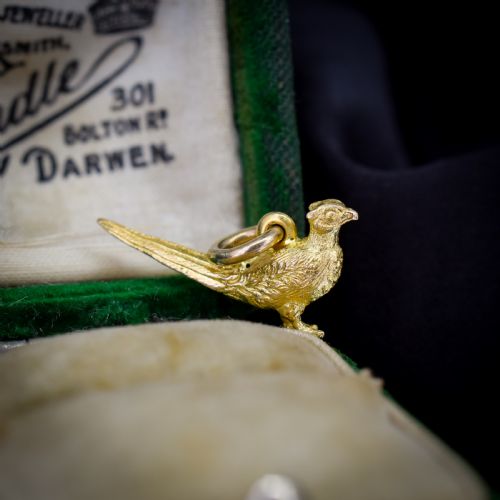
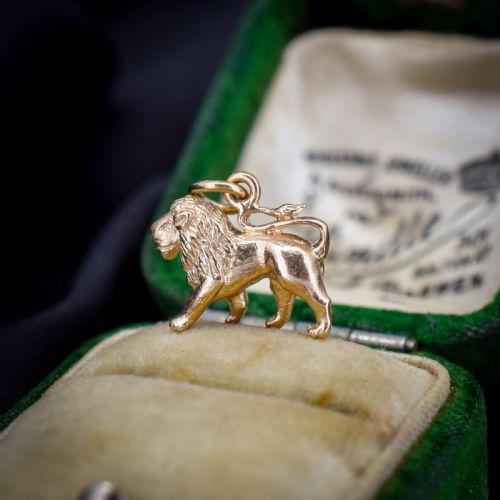
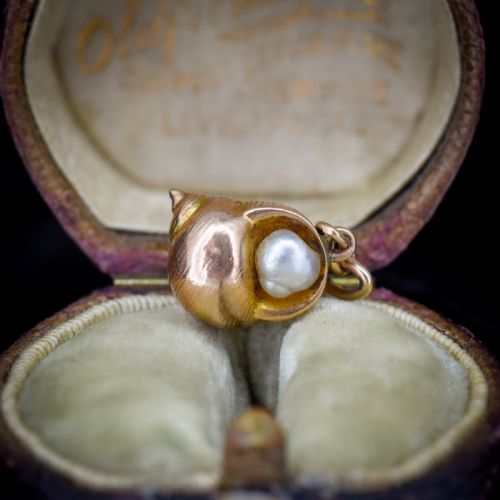
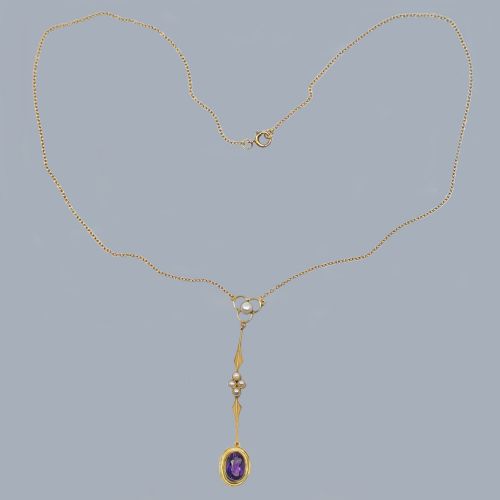
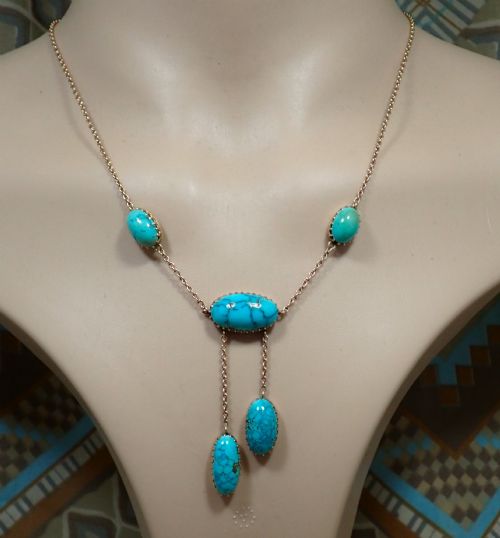
A vintage 9ct gold pendant encompasses a wide array of historical designs, ranging from Edwardian gemstone clusters to mid-century novelty charms. When searching this phrase, a buyer encounters everything from delicate negligee necklaces set with peridot and seed pearls to robust yellow or rose gold padlock charms and animal figures.
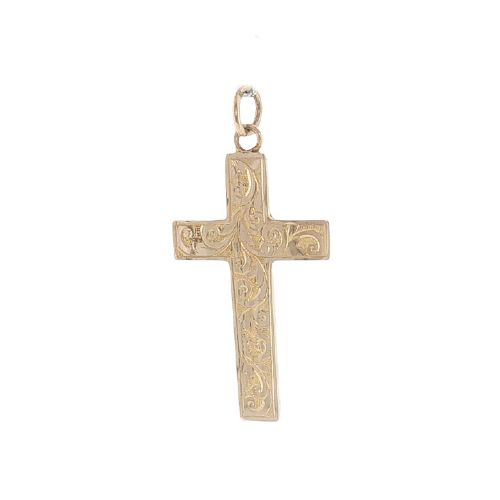
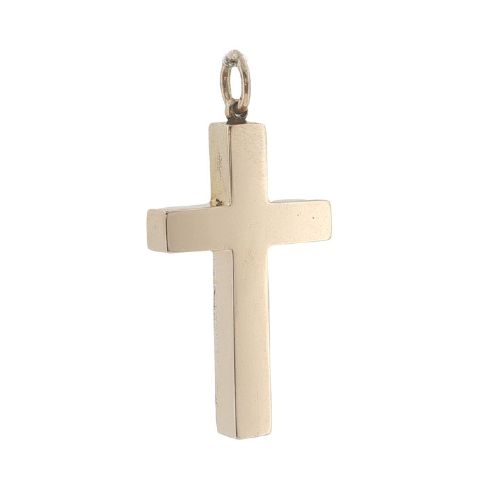
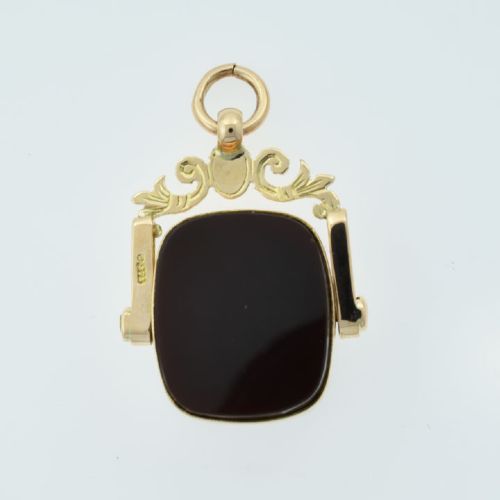
The pieces originate predominantly from the Victorian, Edwardian, and mid-century periods, capturing shifting aesthetic movements including Art Nouveau, Arts & Crafts, and Art Deco. Forms vary from simple religious crosses and bloodstone fobs to intricate spider motifs and spinning cornelians.
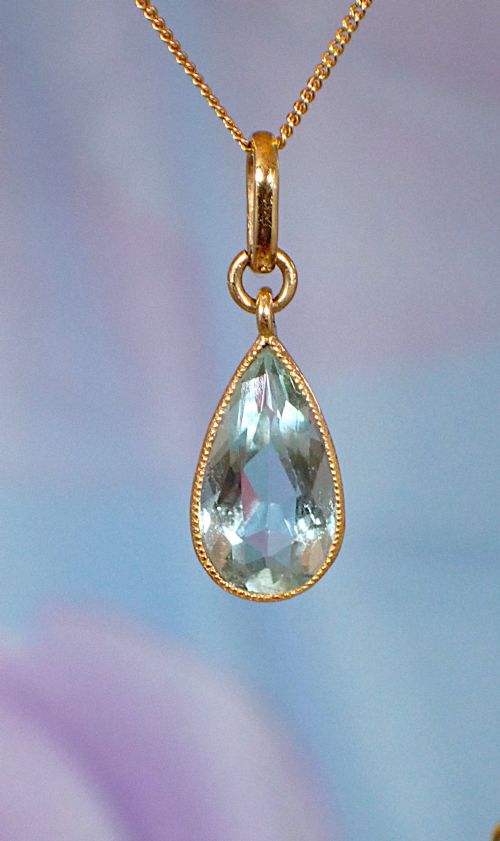
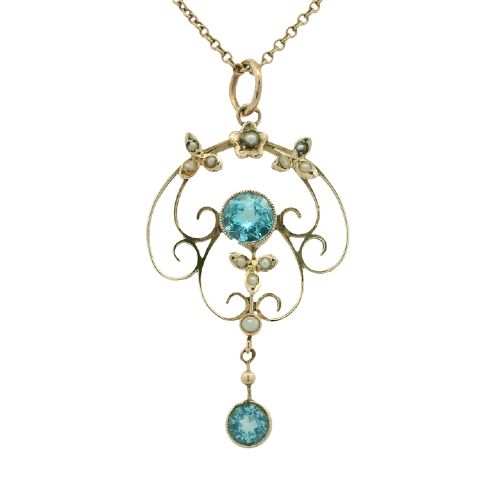
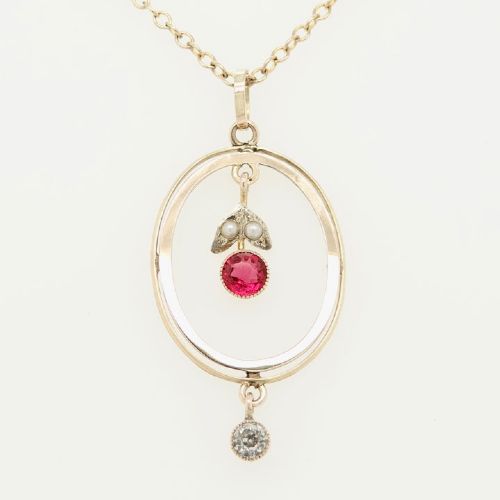
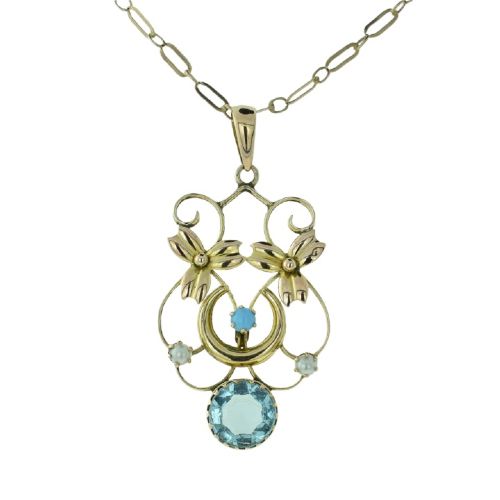
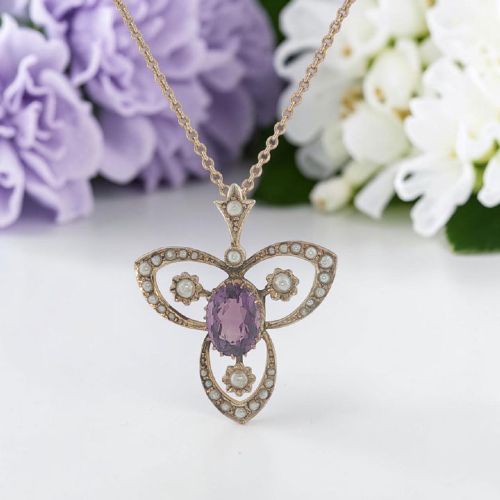
The version most commonly met on this page is the Edwardian or early twentieth-century gemstone drop pendant, frequently pairing amethyst, aquamarine, or garnet with pearls in yellow or rose gold settings.
How They Were Made
Goldsmiths utilised 9ct yellow and rose gold as the primary structural metal, casting, stamping, or hand-engraving frames to hold stones and form charms. Hollow construction techniques allowed larger pieces like lockets and figural charms to remain light enough for daily wear on a chain.
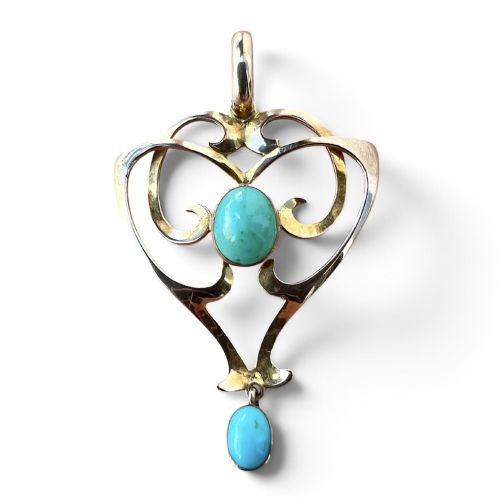
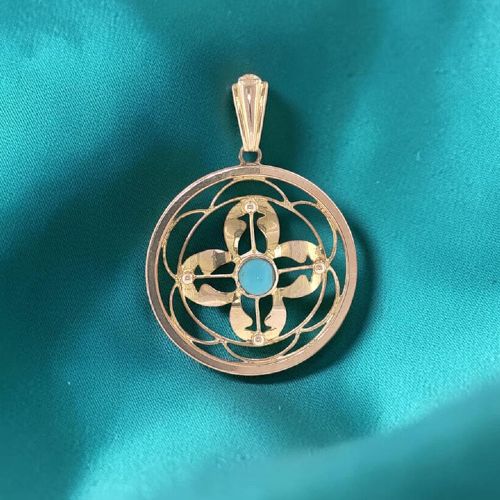
Gemstones such as amethyst, turquoise, peridot, aquamarine, and opal were hand-set alongside seed pearls and paste stones using claw, bezel, or flush settings. Detailed wirework and millegrain edging frequently define the Edwardian and Art Nouveau examples.
A tiny ruby-eyed swan and a spinning double bass share the metal drawer with stern Victorian crosses.
What Varies In Quality
The standard of craftsmanship shows in the precision of the metalwork, such as crisp hand-engraving on lockets and fobs versus softer, mass-produced stamping. Superior pieces integrate stones securely with well-formed claws and matched pearls rather than uneven replacements.
Design complexity and the presence of clear hallmarks or registration dates elevate certain items, distinguishing standard production charms from detailed, artist-made pieces with distinct stylistic character.
Deakin & Francis
The Vintage 9ct Gold Pendant Glossary
- Negligee necklace
- A necklace featuring two unequal drops suspended from a central link, popular during the Edwardian period. These often incorporate gemstones like turquoise or amethyst paired with seed pearls.
- Fob
- A short chain or pendant formerly attached to a pocket watch, frequently featuring hardstones such as bloodstone or cornelian. Many survive converted into pendants for modern chains.
- Padlock charm
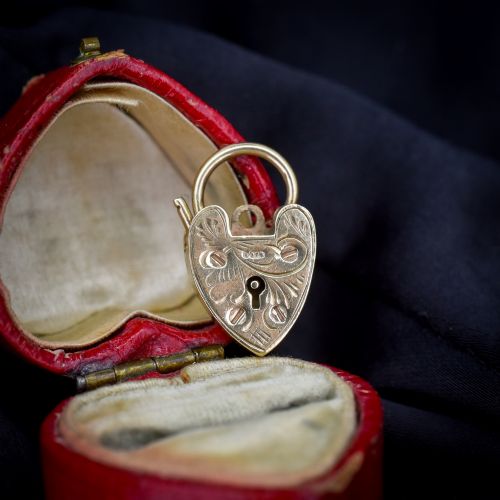
- A hinged heart-shaped padlock in 9ct gold, often engraved with foliate patterns and used as a clasp or pendant. These pieces frequently bear hallmarks indicating Birmingham or London assay offices.
- Seed pearl
- A very small, naturally formed saltwater or freshwater pearl, traditionally drilled and threaded onto silk or wire. They form delicate floral and star clusters in Edwardian jewellery.
Vintage 9ct Gold Pendant: Frequently Asked Questions
How do I wear a vintage pendant?
These pendants suspend easily from fine 9ct gold chains, varying from short Edwardian lengths to longer mid-century links. Pairing them with compatible gold chains ensures the suspension ring fits the bail securely.
Heavier fobs and padlock charms suit sturdier trombone or curb chains, while delicate gemstone drops pair best with slender trace chains.
What periods do these pendants span?
The selection covers over half a century of British jewellery production, starting from Victorian and Edwardian pieces through the 1920s, 1930s, and into mid-century 1950s and 1960s designs.
Early pieces often feature delicate gemstone clusters and organic Art Nouveau lines, while later examples favour figural charms and textured gold finishes.
Were these pendants originally necklaces?
Many items began life as something else entirely, including pocket watch fobs, chatelaine attachments, and charm bracelets. Victorian and Edwardian examples frequently transition between brooches and pendants via integrated fittings.
Charms were cast to dangle from bracelets before finding new life on modern neck chains.
How do I identify Edwardian pieces?
Edwardian items typically display light, airy mounts in yellow or rose 9ct gold, often combining aquamarine, peridot, or amethyst with seed pearls. The aesthetic draws heavily on garland style and early Art Nouveau motifs.
Assay office stamps and date letters on the gold components help confirm the exact year of manufacture.