





Vintage 1930s Oak Chairs
These vintage 1930s oak chairs bring robust interwar character and distinctive period styles into modern interiors.
Vintage 1930s Oak Chairs
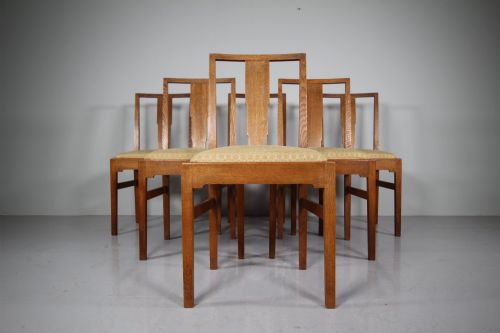
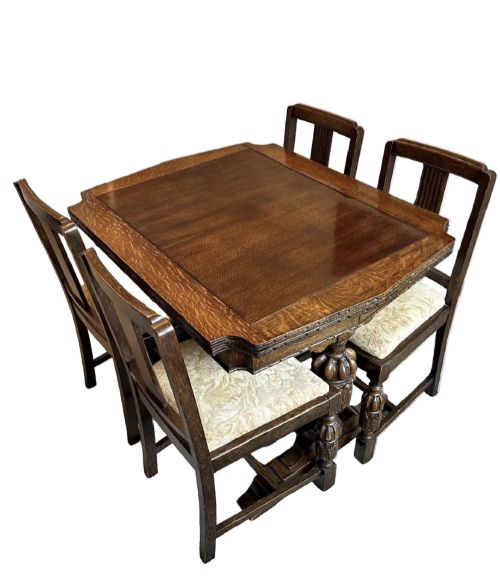
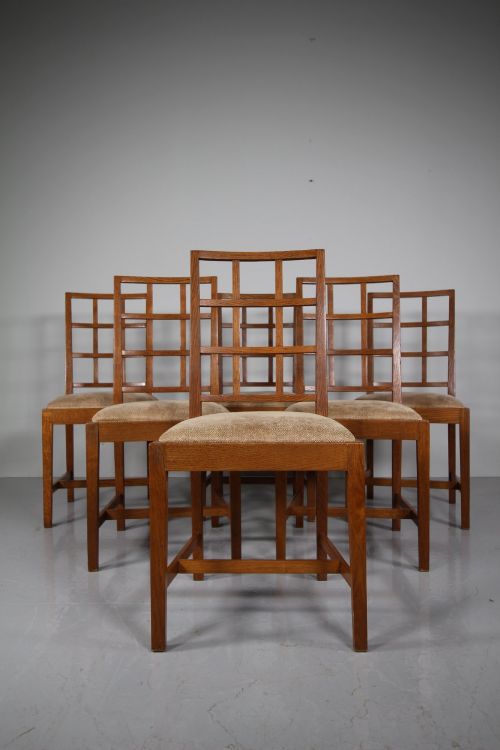
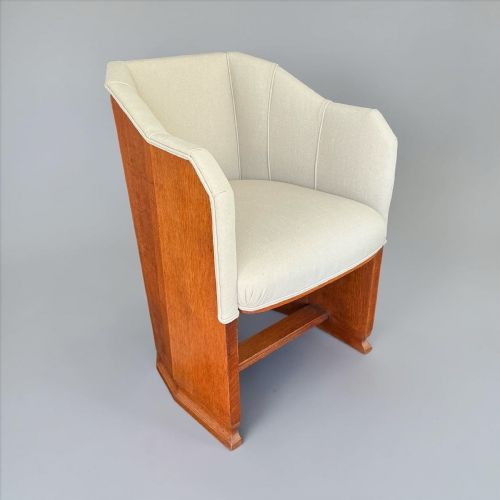
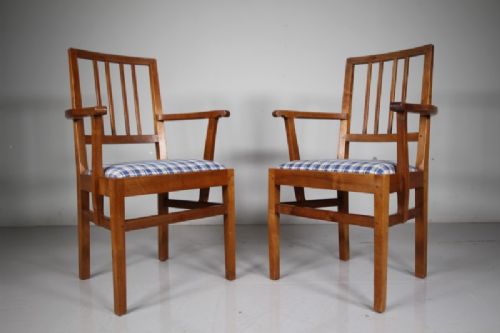
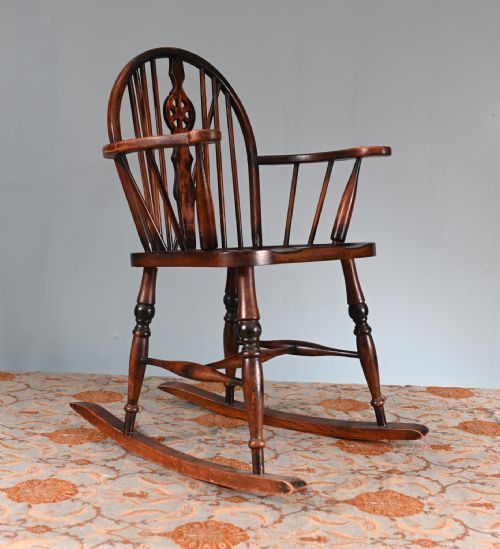
Vintage 1930s oak chairs encompass a diverse selection of seating, ranging from dining sets and ladderbacks to armchairs and rocking chairs. Buyers searching for this phrase will encounter sturdy frames shaped by the design movements of the interwar period.
Forms vary from practical kitchen seating and bridge chairs to occasional armchairs and full dining sets. Pieces span simple rustic farmhouse designs as well as more stylised studio and workshop productions.
How they were made
Makers utilised solid oak to build durable frames, often selecting heavy timber for dining and kitchen seating. Construction methods relied on traditional woodworking joints to ensure stability over decades of daily use.
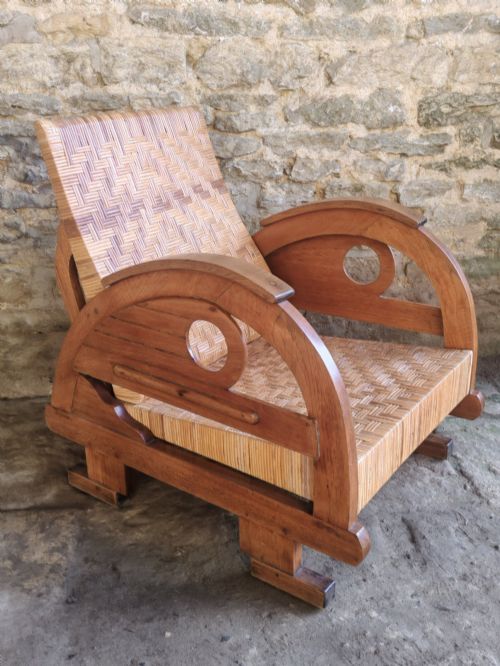
Seating surfaces frequently incorporated natural materials such as rush, leather, rattan, and Lloyd Loom weave. Upholstered options integrated fabric or velvet to provide comfort alongside the wooden structures.
Vintage 1930s Oak Chairs Retail Price Guide 2026
Typical asking prices for vintage 1930s oak chairs among the pieces listed under this phrase on Sellingantiques today, from the lower quarter to the upper quarter. They describe what is for sale here now, not the wider market.
The furniture spans distinct interwar aesthetics, encompassing rustic farmhouse styles, Arts & Crafts traditions, and French or British Art Deco.
What varies in quality
Quality depends heavily on the integrity of the oak frame and the precision of the original construction. Heavy solid timber and robust joinery distinguish superior seating from more basic utility items.
The distinction also lies in the stylistic execution and attribution, where workshop-produced pieces or identifiable maker stamps elevate the standard of a chair. Material choices for secondary elements like leather, rush, or woven rattan further differentiate the pieces.
Edward Barnsley·Dicon Nance·St.Ives Studio·Heals·Mouseman
The Vintage 1930s Oak Chairs Glossary
- Oak
- A hard, durable timber native to temperate regions, widely used for structural furniture framing. It provides exceptional strength and distinct grain patterns.
- Lloyd Loom
- A material created from twisted paper wire woven over metal frames, popular for lightweight seating. It offers a smooth surface that accepts paint or lacquer.
- Art Deco
- A design style emerging in the interwar period characterised by sleek geometric lines and stylised motifs. It influenced both upholstery and wood framing.
- Ladderback
- A traditional chair design featuring horizontal slats across the backrest, often associated with country styles. These backs support simpler rush or wooden seats.
- Rush
- Dried marsh grass twisted into cords and woven to form seat pads. This traditional technique creates a resilient and textured surface.
Vintage 1930s Oak Chairs: Frequently Asked Questions
Are vintage 1930s oak chairs comfortable for daily dining?
Many dining sets from this era provide solid ergonomic support, particularly models with upholstered pads or supportive ladder backs.
Buyers should consider adding cushions if using firm wooden seats for extended periods.
How do I identify an Art Deco oak chair?
Art Deco pieces display geometric lines, stylised curves, and streamlined silhouettes distinct from heavier Victorian designs.
The combination of oak frames with leather or patterned fabric often signals this interwar aesthetic.
What is Lloyd Loom material?
Lloyd Loom is a durable woven material made from twisted paper spun around metal wire. It was introduced for seating to provide a snag-free alternative to traditional wicker.
It appears frequently in garden rooms and lighter occasional armchairs from the period.
Can I mix these chairs with modern dining tables?
Interwar oak seating blends well with contemporary settings due to the warm tones of the timber and clean geometric lines.
Pairing single armchairs or matched dining sets with a simple modern table creates an eclectic interior scheme.