


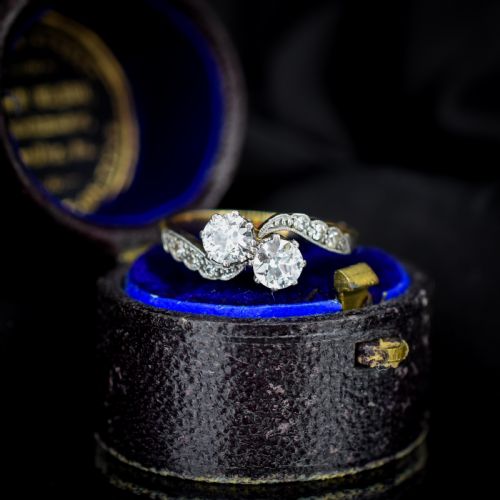
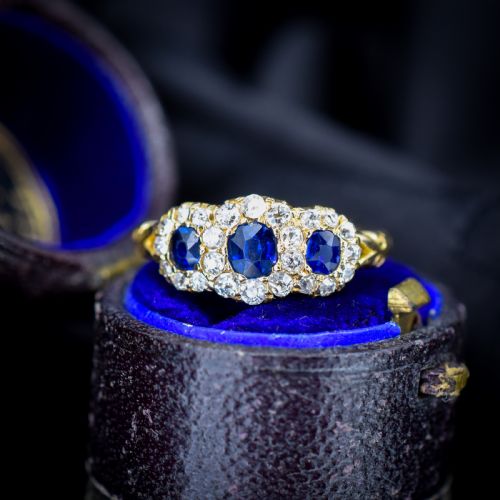
Vintage 18ct Diamond Ring
These pieces unite durable metal with enduring stones, offering a vintage 18ct diamond ring that carries the distinct character of past decades.
Vintage 18ct Diamond Ring
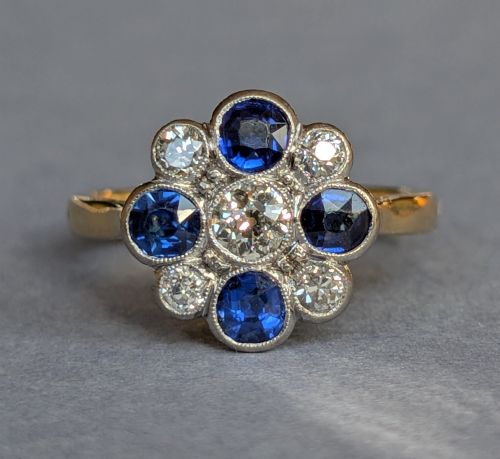
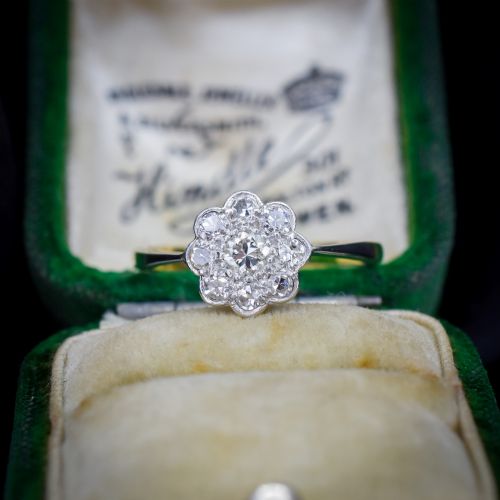
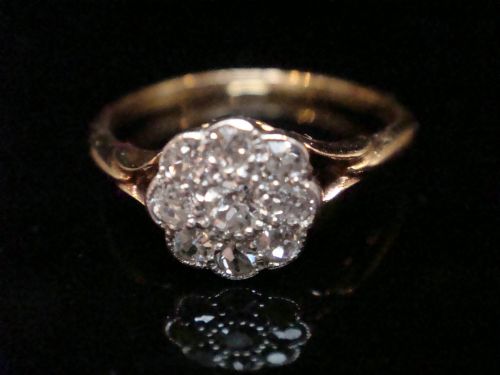
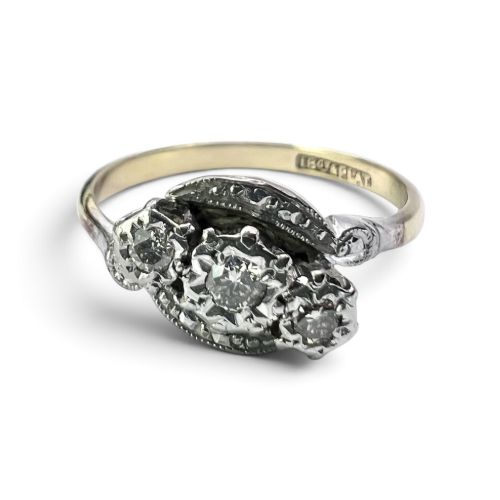
A vintage 18ct diamond ring spans eras from late Victorian and Edwardian to Art Deco and mid-century modern, capturing changing tastes in jewellery design. Buyers encounter styles ranging from delicate boat rings and multi-stone settings to bold cocktail clusters and minimal solitaires.
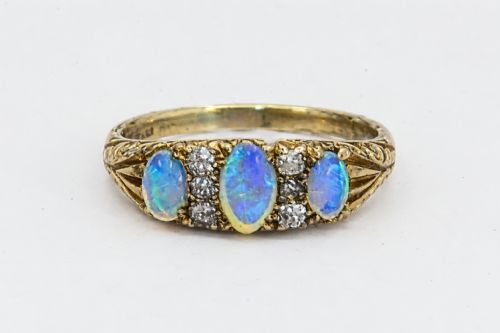
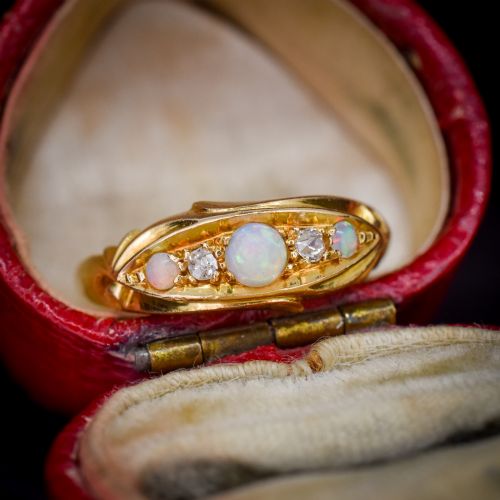
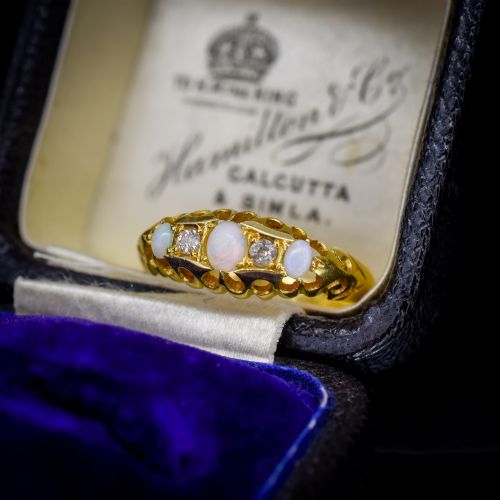
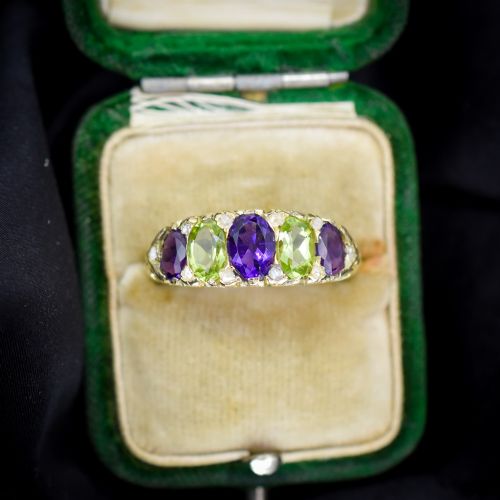
The selection includes traditional dress rings alongside engagement pieces, featuring yellow gold, white gold, and platinum combinations. Makers often paired the central diamonds with contrasting coloured gems like sapphires, rubies, and opals.
How they were made
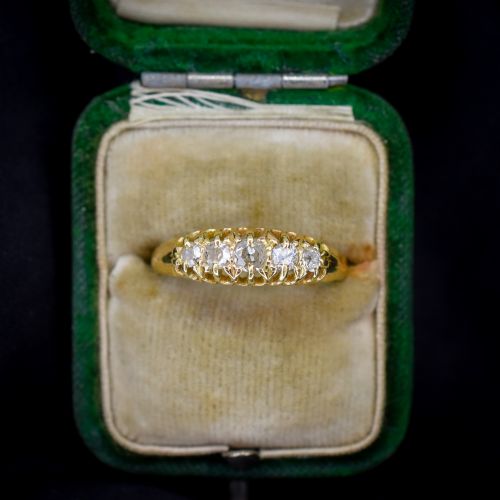
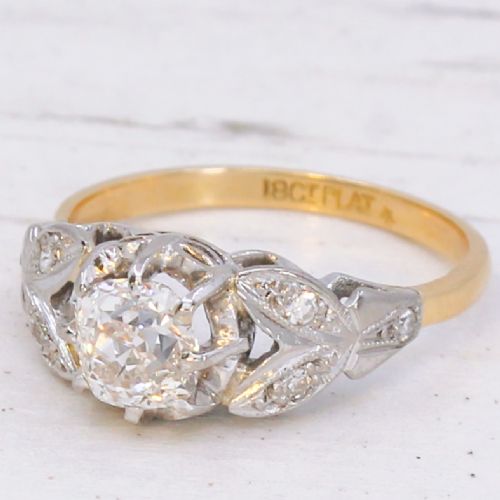
Craftsmen built these mountings primarily in 18ct yellow or white gold, frequently combining platinum settings to securely hold old-cut and brilliant diamonds. Jewelers utilised claw settings, boat mounts, and detailed cluster arrangements to maximise the sparkle and presence of each stone.
Techniques evolved from handcrafted Victorian foliate designs and Edwardian openwork platinum-topped gold to geometric Art Deco channel and bezel placements. The integration of durable alloys ensured the structural integrity of intricate multi-stone configurations.
Listings feature Edwardian, Victorian, and mid-century periods alongside materials like sapphire, opal, ruby, and platinum.
What varies in quality
The distinction between tiers rests upon the caliber of the central gemstones and the finesse of the metalwork. Superior examples exhibit well-matched stone clarity, crisp hand-cut facets, and robust, unblemished band thickness.
Artisanal precision defines the top range, where shared bead settings and delicate millegrain edges remain intact and sharp. Lower tiers show signs of heavy past resizing, worn prongs, or inclusions that diminish the brilliance of the stones.
Kutchinsky·Andrew Grima
The Vintage 18ct Diamond Ring Glossary
- Old cut
- A diamond cut characteristic of the late nineteenth and early twentieth centuries, featuring a small table, high crown, and large open culet designed to catch candlelight.
- Boat ring
- A ring setting shaped like a small boat, curving gently along the finger to house a row of graduated stones.
- Toi et Moi
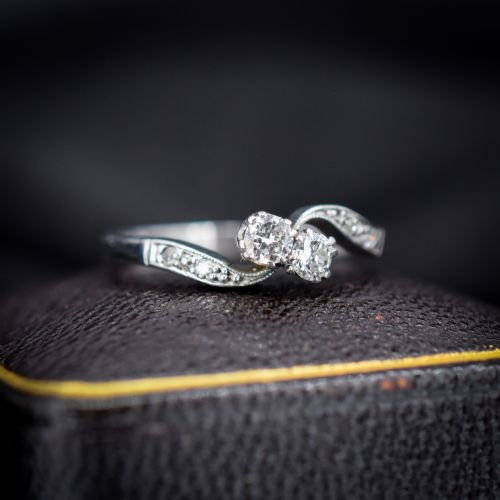
- French for you and me, describing a two-stone ring style where opposing gems symbolise two entwined lovers.
- Navette
- A boat-shaped or marquise outline featuring pointed ends, popular in Edwardian and Art Deco cluster designs.
- Gypsy ring
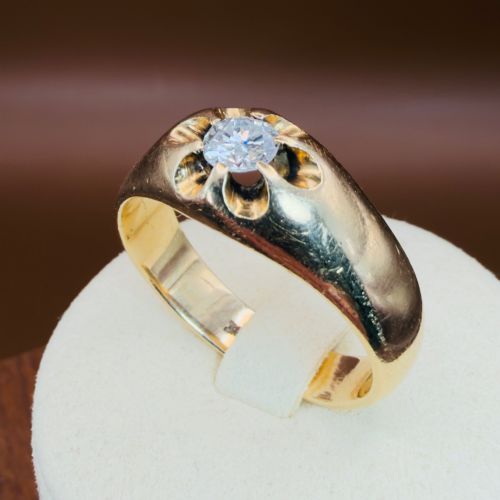
- A style where stones are flush-set directly into the thick, tapered band rather than raised in traditional prongs.
Vintage 18ct Diamond Ring: Frequently Asked Questions
What periods do these rings come from?
The pieces span from the late nineteenth century through the Edwardian era and Art Deco period into the mid-century decades. Each timeframe introduces distinct mount styles and diamond cutting techniques.
Victorian and Edwardian items favour intricate detail and old-cut stones, while later decades lean towards geometric lines and brilliant cuts.
How do I care for an antique ring?
Clean these rings gently using warm soapy water and a soft brush, avoiding harsh ultrasonic cleaners that might loosen older stones. Regular checks by a jeweller will ensure the claw settings remain secure.
Remove the jewellery during heavy physical tasks to protect the softer 18ct gold band and prevent stone damage.
What is an 18ct gold and platinum mix?
Many Edwardian and Art Deco rings utilise an 18ct gold shank paired with a platinum top section holding the diamonds. Platinum provided superior strength for delicate wirework and securely gripping stones.
This combination offers the warm hue of gold against the skin with the bright white durability of platinum around the gems.
Are these rings suitable for daily wear?
An 18ct gold ring provides sufficient durability for everyday use when the band retains adequate thickness and the prongs are strong. Antique pieces benefit from mindful handling to preserve their delicate millegrain and filigree.
Consulting a professional about the current state of the setting ensures safe, long-term enjoyment.