
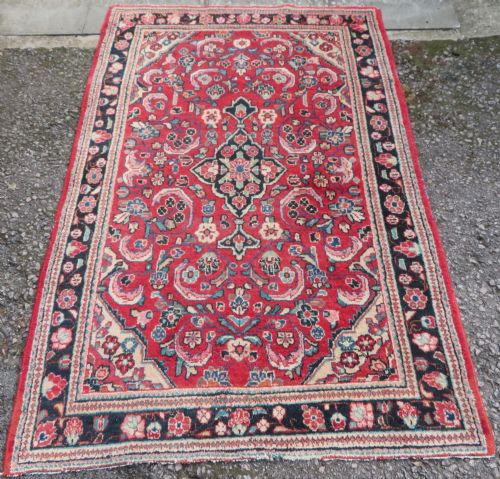
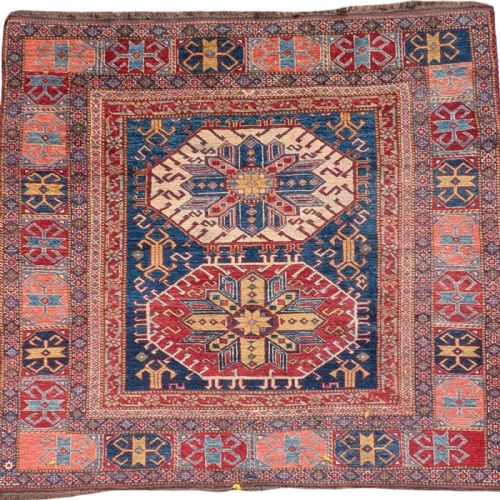
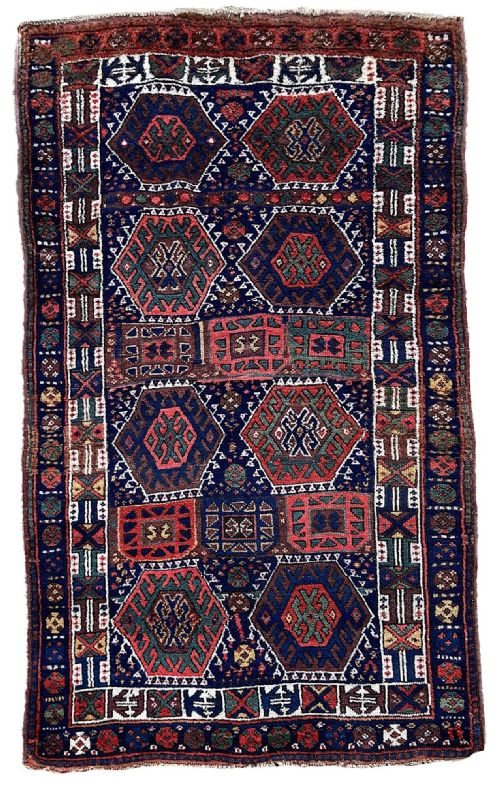


Village Woven Carpet
A village woven carpet brings the grounded artistry of traditional nomadic and regional weavers directly onto the floor.
Village Woven Carpet
When searching for a village woven carpet, a buyer encounters pieces originating from regional weaving centres and tribal communities across Persia, Anatolia, and the Caucasus. These floor coverings span the nineteenth and early twentieth centuries, reflecting local iconography rather than formal court designs.
The most common examples on this page are room-sized carpets and smaller rugs produced by village weavers in regions such as Hamadan, Malayer, Bakhtiari, and various Turkish and Caucasian districts. Each piece carries geometric medallions, tribal motifs, or floral abstractions distinctive to its specific geographic origin.
Makers utilised traditional looms set up in domestic spaces, translating ancestral patterns into heavy wool textiles designed for daily household use. Surviving specimens offer a direct link to the cottage industries of rural communities from the eighteen-eighties through to the nineteen-thirties.
Factors of quality
Quality in these textiles rests upon the density of the knotting and the crispness of the design execution, which dictates how sharply the geometric or floral motifs read from a distance. Tighter knots secure a more resilient pile that retains its structural integrity through centuries of use.
The depth and harmony of the natural dye palette further separate finer examples from standard production, as complex colour transitions indicate careful preparation of the wool. Superior pieces balance structural weight with supple drape, showing that the weaver maintained consistent tension across the loom.
The inventory encompasses runner rugs, hallway runners, and large area carpets originating from Persian, Anatolian, and Caucasian tribal traditions.
The Village Woven Carpet Glossary
- Warp
- The stationary vertical threads stretched on the loom that carry the weight of the rug. Fringe ends typically originate from these foundational yarns.
- Weft
- The horizontal threads passed across the warp strands between rows of knots to bind the structure together. This element contributes to the overall rigidity or flexibility of the textile.
- Pile
- The dense surface layer of knotted wool that stands upright from the woven foundation. Shorter piles reveal the underlying structural geometry more clearly.
- Medallion
- A large central ornamental motif placed in the middle of the field. Many regional rugs centre their entire composition around this focal design.
- Natural dye
- Colour extracted from plants, insects, or minerals rather than synthetic chemicals. These pigments age with a characteristic softness and complexity.
Village Woven Carpet: Frequently Asked Questions
Where were these carpets made?
These textiles were produced by weavers in rural villages and nomadic camps across Persia, Anatolia, and the Caucasus. Production centres included regional hubs like Hamadan, Malayer, and various Anatolian districts.
Each area developed distinct design vocabularies, meaning the specific motifs often point directly to the village or tribe of origin.
How do I care for an old rug?
Maintenance requires regular gentle vacuuming without a rotating power brush to protect the hand-knotted wool pile. Keeping the textile away from direct, harsh sunlight prevents the natural dyes from fading unevenly.
Professional cleaning suited for antique wool should be utilised periodically rather than domestic chemical treatments.
Are these pieces symmetrical?
Village and tribal rugs often display subtle irregularities in their geometry and border alignment. Because weavers worked from memory or small samples rather than strict graph paper, minor variations occurred naturally.
These individual human touches confirm the handmade origin and distinguish village production from mass-manufactured items.
How can I tell the age?
Dating relies on assessing the combination of materials, the chemistry of the natural dyes, and the structural wear patterns across the wool. Earlier pieces from the nineteenth century tend to show softer, more integrated colour transitions.
Stylistic shifts and specific regional weaving structures also provide clear chronological markers for pieces from the nineteen-tens and twenties.